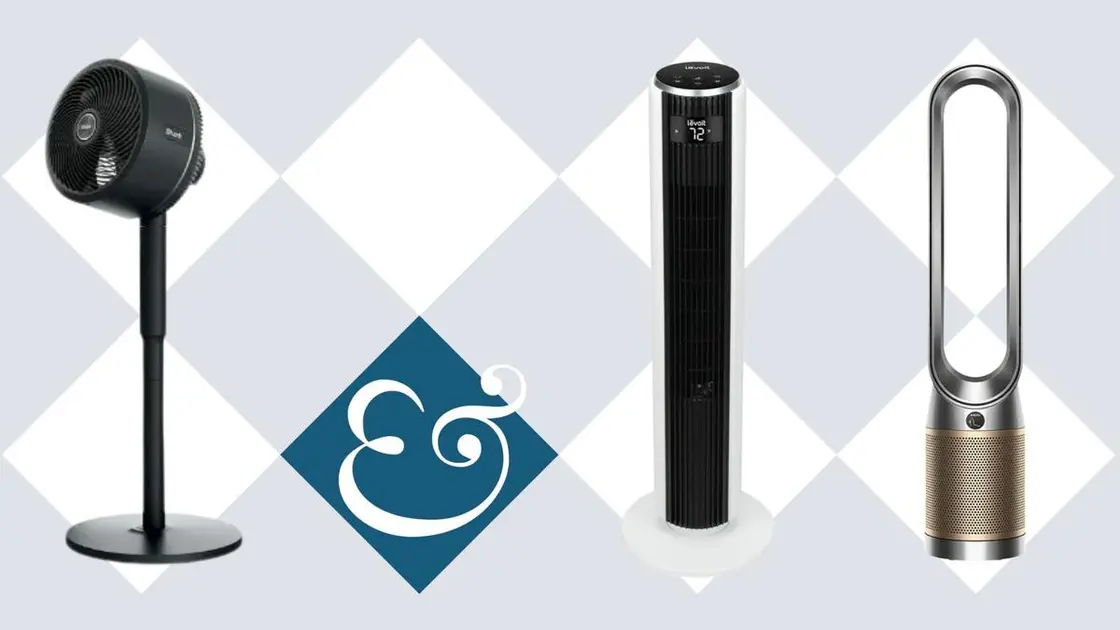
As temperatures soar, a fan is an effortless way to cool off without cranking up the AC.
However, selecting the ideal fan involves more than just cost. Consider factors like room size, allergies, energy consumption, and whether you'll use it overnight.
This guide covers everything to help you choose a fan that cools your home effectively.
Best Fans for Different Uses
Choosing the right fan hinges on room size, allergies, energy efficiency, and your sleeping habits, as detailed below.
Here's a quick look at fans tailored for specific needs:
- For a workspace or bedside, where compact size and low noise are crucial, the Honeywell HT-900 at Amazon is a top pick. It operates quietly, has a small footprint, and can be mounted to circulate air efficiently.
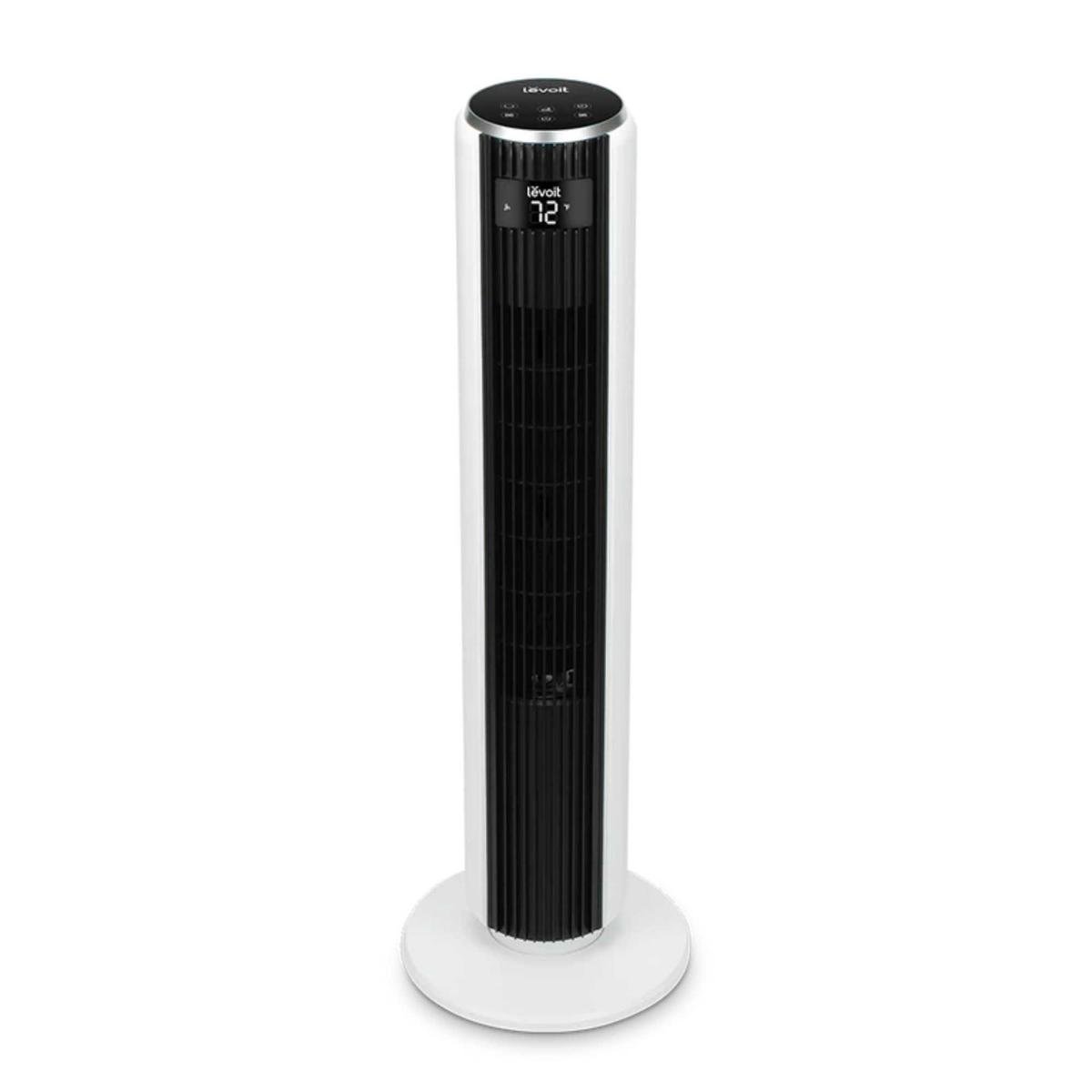
- For bedrooms, where airflow, no lights, and low noise promote better sleep, a tower fan like the Levoit Classic 36-Inch at Amazon is ideal. It operates at a mere 28dB while delivering robust airflow.
- For large living areas, the Shark FlexBreeze is an excellent choice. It provides powerful airflow without disrupting conversations or TV time.
- If you have allergies, look for an air purifying tower fan to trap dust, pollen, and pet dander. The Dreo MC710S and Dyson TP09 are our top recommendations, combining air purification with cooling.
How to Select the Right Fan for Your Space
Considering room size, sleep habits, and allergies will help you determine the best fan type.
Assess Room Size
Understanding how to cool a room with fans starts with matching the fan size to your space. A desk fan won't suffice in a large living room, while a tall fan might overwhelm a small bedroom.
General guidelines include:
- Compact spaces (home office and bedside): Desk and clip-on fans offer short-range airflow, providing personal cooling while conserving energy and space.
- Medium rooms (bedrooms and dining areas): Tower fans are ideal, providing powerful airflow with minimal floor space usage.
- Large spaces (living rooms and open areas): Pedestal fans excel here; their bigger blades push air further — about 20 feet — quietly, unlike tower fans that may need to operate loudly for the same effect.
Compare Fan Types
Choosing the fan type involves more than room size. Each type has advantages and disadvantages regarding noise, airflow, and safety.
Fan Type | Advantages | Disadvantages |
Tower | Compact, quiet, modern design | Dust accumulation, challenging to clean, fixed height |
Pedestal | Excellent airflow, adjustable height, easy to clean | Bulky, may not blend well with decor, risk to fingers and pets |
Bladeless | Safe, smooth airflow, low maintenance | Higher cost, may produce a whirring noise |
Air circulator | Durable, energy-efficient, useful in winter | Too strong for direct cooling, less stylish |
Consider Sleep, Noise, and Light
Choosing the right fan can enhance sleep by cooling your bedroom without relying on AC. Cooling before sleep is recommended for optimal thermoregulation.
A loud fan with bright lights can be distracting, hindering your ability to fall asleep peacefully. Pay attention to the decibel rating; fans below 30dB are ideal for sleep, comparable to a whisper. Most brands provide this information on their product pages.
Some fans feature night modes that dim lights and reduce airflow for quieter operation.
For instance, the Levoit Classic 36-Inch adjusts its airflow based on room temperature, gradually reducing speed. Generally, sleeker models like tower or bladeless fans have night modes, while pedestal and air circulators seldom do.
Even without a night mode, many fans include timers, allowing you to set them to low speed for a specific duration, achieving similar nighttime comfort.
Allergies and Air Quality
A frequently ignored aspect of using fans is the allergens stirred up in your home. Dust, pollen, and dander can become airborne, triggering allergy symptoms.
These particles can accumulate on fan blades, circulating allergens back into the air when activated.
If allergies are a concern, opt for bladeless or pedestal fans. Pedestal fans are easier to clean; simply remove the cover and wipe the blades.
Tower fans can be more challenging to maintain, and neglecting them can result in dust being spread throughout the room. Bladeless fans require minimal cleaning, but regular vacuuming and using an air purifier will help capture allergens from open windows and doors.
Air purifying fans like the Dreo MC710S and Dyson TP09 cool and purify the air simultaneously. Although pricier, they are comparable to buying separate devices while saving space.
Energy Efficiency
Beyond the upfront cost, which can range from $20 to over $800, fans have varying energy requirements. Knowing which ones will cost more over time is key to keeping bills manageable.
Here's a rough estimate of energy costs for each fan type based on the national average rate of 19 cents per kWh:
Fan Type | Average Wattage | Cost Per 8 Hours | Monthly Cost (Summer) |
Desk | 10W – 30W | $0.01 – $0.04 | $0.43 – $1.30 |
Tower | 40W – 60W | $0.06 – $0.09 | $1.73 – $2.60 |
Pedestal | 50W – 80W | $0.07 – $0.12 | $2.17 – $3.47 |
Bladeless | 30W – 55W | $0.04 – $0.08 | $1.30 – $2.38 |
Air Circulator | 2W – 40W | $0.003 – $0.06 | $0.09 – $1.73 |
Where to Find the Best Fans
Dreo and Levoit are top-selling fan brands in the US. Our tests show they deliver excellent coverage, useful features, and quiet performance.
Dyson is known for premium fans that often combine cooling with air purification.
SharkNinja fans are powerful, affordable, and come in various colors to fit different styles. The Shark FlexBreeze is our top tested fan.
Among major retailers, Walmart and Amazon have the largest selections, featuring top brands and budget options.
Wayfair, QVC, Home Depot, and Target also offer a variety of tower, pedestal, and air purifying fans.
Top Fans We've Reviewed
 The best fan
- Shark FlexBreeze
Top-rated fan
This versatile fan is available corded or cordless, tabletop or pedestal, suitable for indoor and outdoor use. It delivers exceptional airflow and unique features.
Check out our detailed Shark FlexBreeze review.
 Best value fan
Best value tower fan
This Levoit Classic tower fan offers powerful performance and quiet operation for a reasonable price.
Read our full review of the Levoit Classic 36-Inch Tower Fan.
 Best air purifying fan
Top air purifying tower fan
The Dreo purifying tower fan features dual motors, allowing you to use it as a fan or air purifier independently or together. It's powerful and comes with an excellent app.
Explore our detailed review of the Dreo MC710S.
Additional top picks include the Dyson Purifier Humidify + Cool Formaldehyde and the Dyson TP09, both sleek, high-end bladeless fans that also purify air while providing insights into indoor air quality.
The Shark TurboBlade is visually striking but underperformed compared to our other reviewed models.
FAQs
Do Fans Actually Cool a Room?
Understanding fan mechanics can be confusing since fans don't lower room temperature. Instead, they create airflow that helps evaporate moisture from our skin, making us feel cooler.
In essence, fans enhance our comfort on hot days but don't decrease room temperature. They merely circulate air to prevent stagnation.
Should I Use a Fan With AC?
If your home has AC, you might wonder if a fan is also necessary. Using a fan can be more cost-effective than cranking up the AC during heatwaves, though fans don't cool the air itself.
Having both options lets you decide each day whether to rely on AC or a fan. We've compared fans vs air conditioners for effectiveness.
Next, discover tips for keeping your home cool during summer heatwaves and learn the signs indicating it's time to replace your AC.
Back To Top