
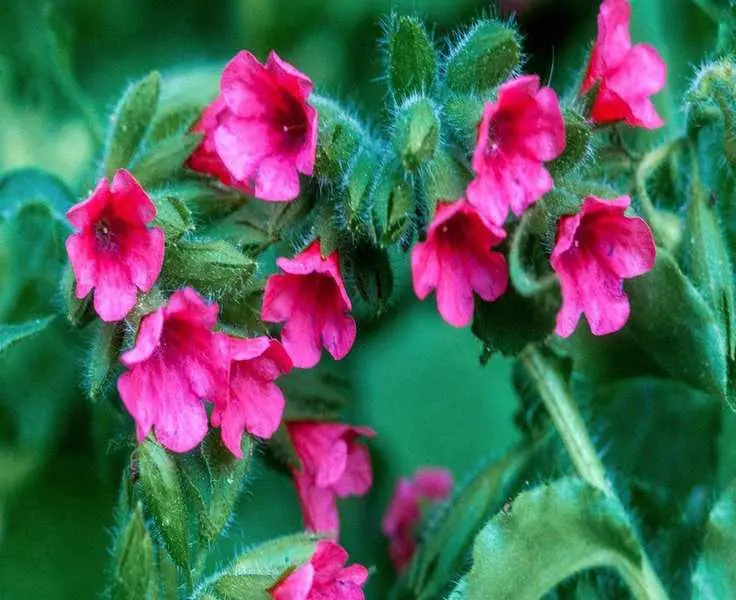
Underrated shade plants can be a fantastic addition when sunlit areas in your garden are limited. These unique varieties can offer intriguing looks that set them apart from common options found at local nurseries.
These plants deserve more attention for various reasons, such as their long flowering periods, ability to attract pollinators when few others can, and their architectural appeal in neglected garden spaces. Recognizing these plants is essential, as they play an important role in diverse ecosystems.
Many gardeners find shaded areas challenging, but introducing these distinctive options can enhance your garden's charm. Here are 8 lesser-known shade plants that you should consider for your outdoor space.
1. Black Cohosh
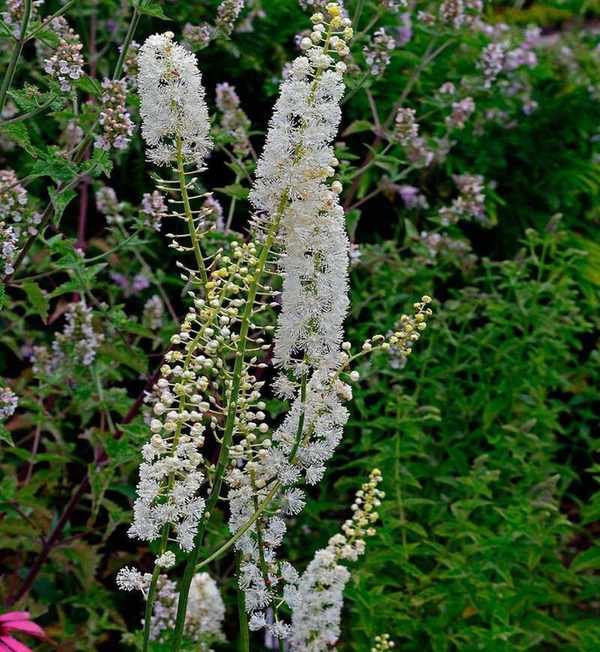
Black cohosh (Cimicifuga racemosa), a native of northeastern woodlands, is an elegant perennial that often goes unnoticed.
This plant produces tall spikes of creamy white flowers from late summer to early fall, reaching up to 5 feet in height. 'It brings vertical interest to shady borders,' shares a landscape designer. 'Its finely cut foliage resembles ferns and adds grace to any garden.'
Unlike more popular shade plants, black cohosh thrives in part to full shade, is highly deer-resistant, and fits perfectly in woodland and cottage garden designs. As a native species, it also supports Azure butterflies, enhancing its ecological importance. It flourishes in zones 3–8 with moist, rich soils, pairing well with ferns and hydrangeas.

Daria Szalińska is a landscape designer and owner of a boutique studio in the Hamptons, specializing in natural, ecologically focused gardens that highlight native plants.
2. Virginia Bluebells
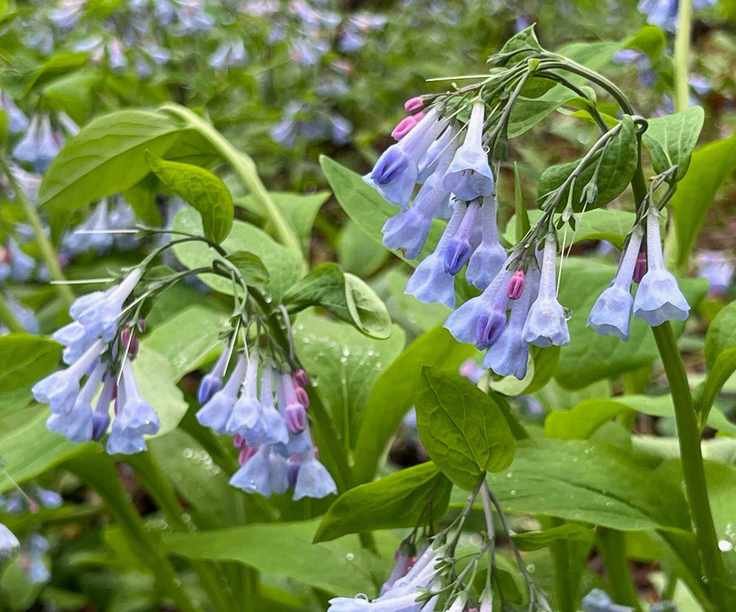
Virginia bluebells (Mertensia virginica) are a delightful spring ephemeral that creates lush colonies beneath deciduous trees.
With nodding, bell-shaped flowers blooming in early spring, these plants provide essential nectar for bees and butterflies, making them excellent for attracting pollinators. Their resilience (zones 3–8) and ease of growth from bare roots make them a favorite.
Once established, they naturalize beautifully under trees, offering a soft alternative to mulch. They also pair well with ferns and trilliums, making them a charming option for shaded areas.
3. Dryopteris 'Brilliance' (Autumn Fern)
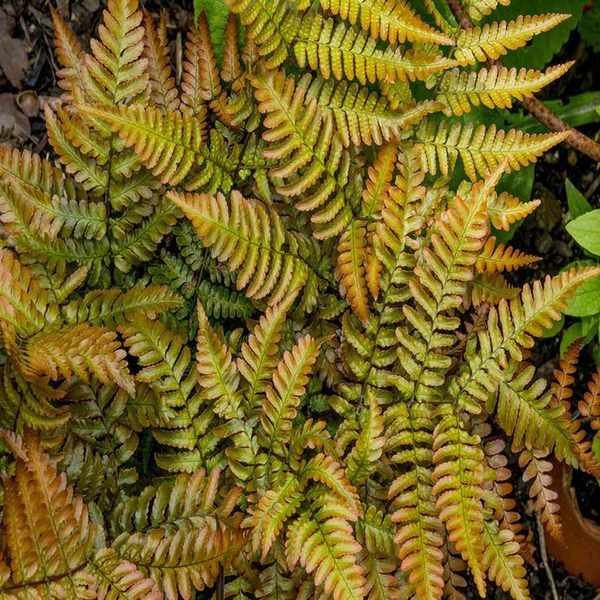
This shade-tolerant fern features vibrant copper-red fronds that mature to deep green, adding contrast and texture to shady gardens. 'It introduces seasonal color to a plant type typically known for its green hues,' explains a horticulture expert.
Low-maintenance and deer-resistant, this fern grows best in moist, well-drained soil. It's perfect for naturalistic landscapes or as a striking companion to hostas and heucheras.
4. Mangave
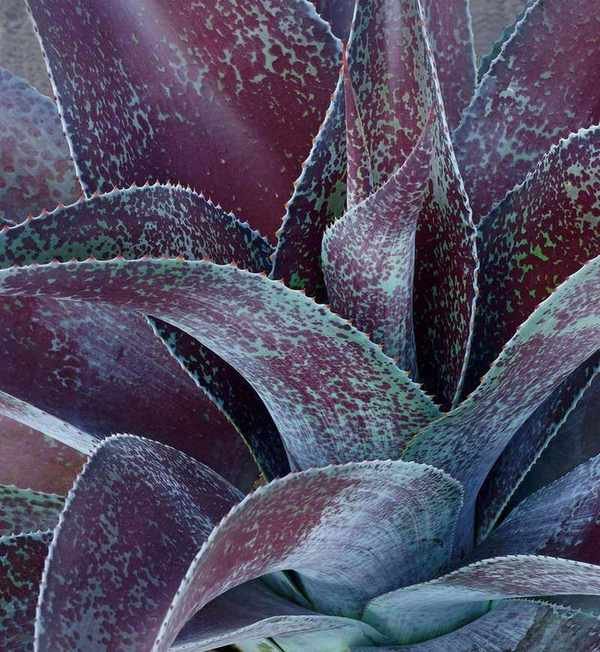
Mangave, a hybrid of manfreda and agave, excels in dry shade conditions, making it ideal for drought-prone areas.
This plant offers a sculptural quality and comes in a variety of captivating colors. 'Its striking hues and unique patterns lend beauty to challenging spaces,' notes a plant expert. Mangave requires well-draining soil and is frost-tender, thriving in zones 9-11.
5. Ligularia
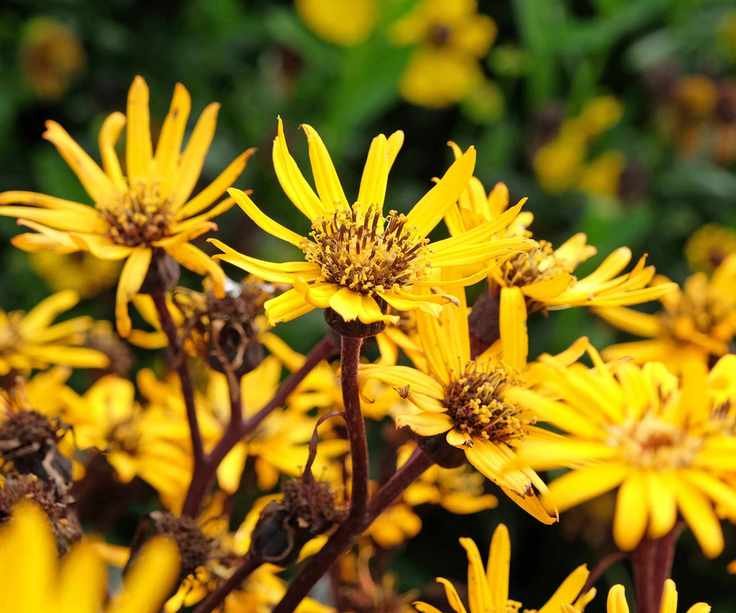
Ligularia often gets overlooked due to its need for consistent moisture, which can be tricky in warmer regions. 'It does best in full to partial shade, especially if it receives cooler morning sun,' says a plant expert.
Potted ligularia is best planted in spring or fall to establish roots before winter. Mulching helps retain moisture in dry conditions. It thrives in zones 3-9 and will remain green in warmer climates.
6. Pulmonaria 'Raspberry Splash'
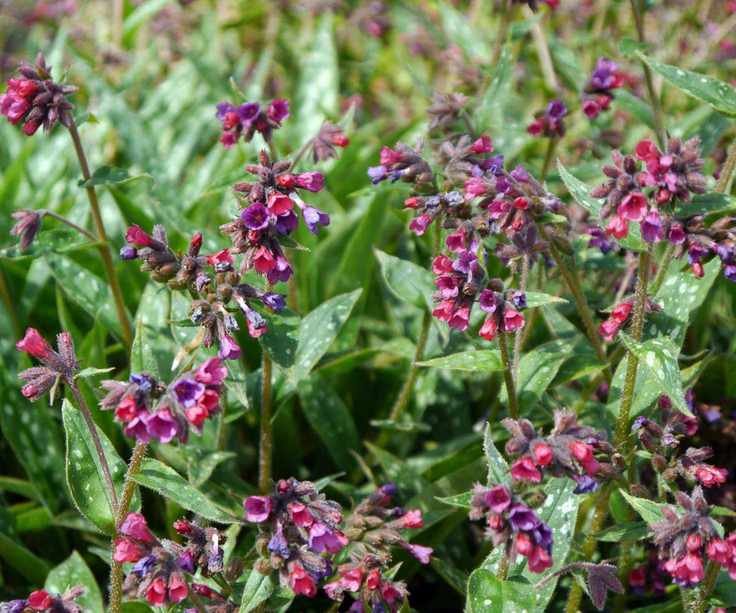
This compact perennial boasts large green leaves with silvery spots and raspberry-pink flowers in late spring. 'It provides multi-season interest and disease resistance,' says a horticultural expert.
Pulmonaria thrives in well-drained shade across zones 3-9, and its attractive foliage remains appealing even after flowering, making it a valuable addition to any shade garden.
7. Lamium 'Orchid Frost Gold'
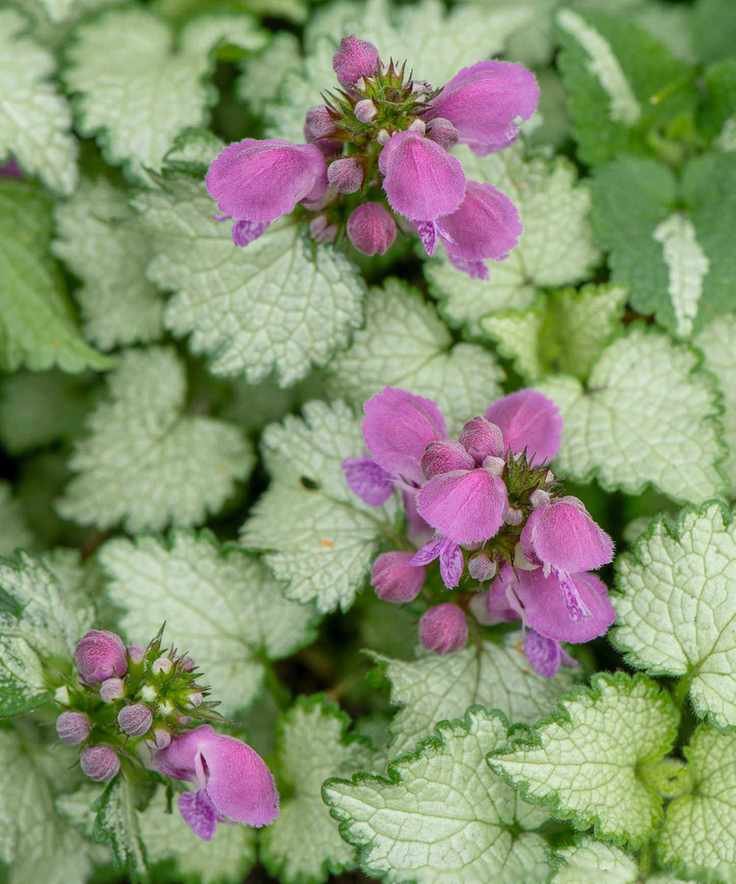
This groundcover thrives in shady areas where grass struggles, featuring silver and gold foliage with pink flowers. 'The 'Orchid Frost Gold' variety is vigorous and low-maintenance,' notes an expert.
It's perfect for filling bare spots and suppressing weeds. Lamium tolerates dry shade well once established and is available in various attractive forms.
8. Tiarella 'Spring Symphony'
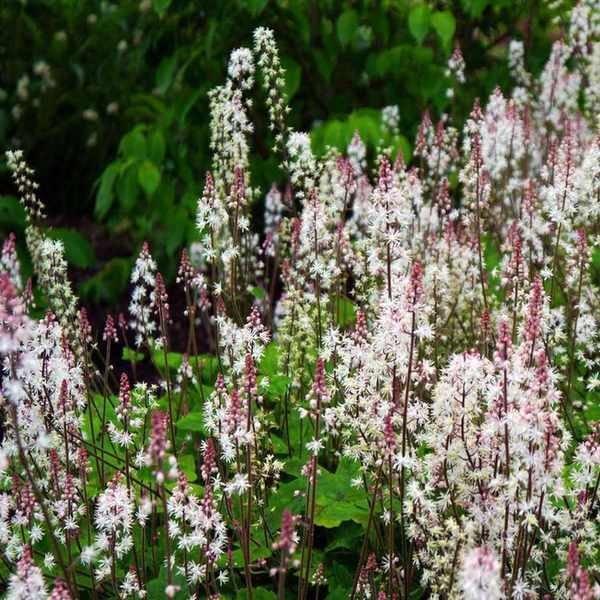
This charming North American woodland plant, also known as foam flower, thrives in rich soil. 'The 'Spring Symphony' variety is compact and harmonious with other shade plants,' shares a garden enthusiast.
With deeply lobed leaves and spires of creamy-white flowers in late spring, Tiarella is an easy plant that offers both beauty and interesting foliage.
For those seeking fall-blooming options, consider the toad lily variety 'Sinonome'. It features orchid-like flowers and adds surprise to late-season gardens.
Toad lily 'Sinonome' is available from several retailers.



