
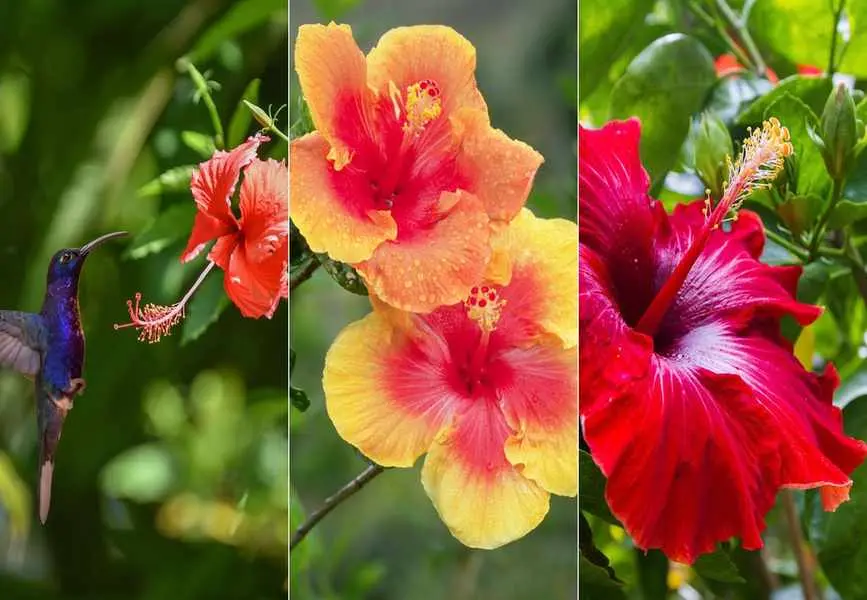
To winterize hibiscus effectively, it's crucial to identify the specific variety in your garden and provide the appropriate care. Different hibiscus types require distinct methods for successful overwintering, but all can thrive through the winter.
Here, gardening experts share tips for identifying and caring for your hibiscus during the colder months.
Winterizing Your Hibiscus
Understanding how to winterize hibiscus is not the same as overwintering begonias or managing hydrangeas, as certain hibiscus varieties struggle with extreme cold.
1. Determine Your Hibiscus Type
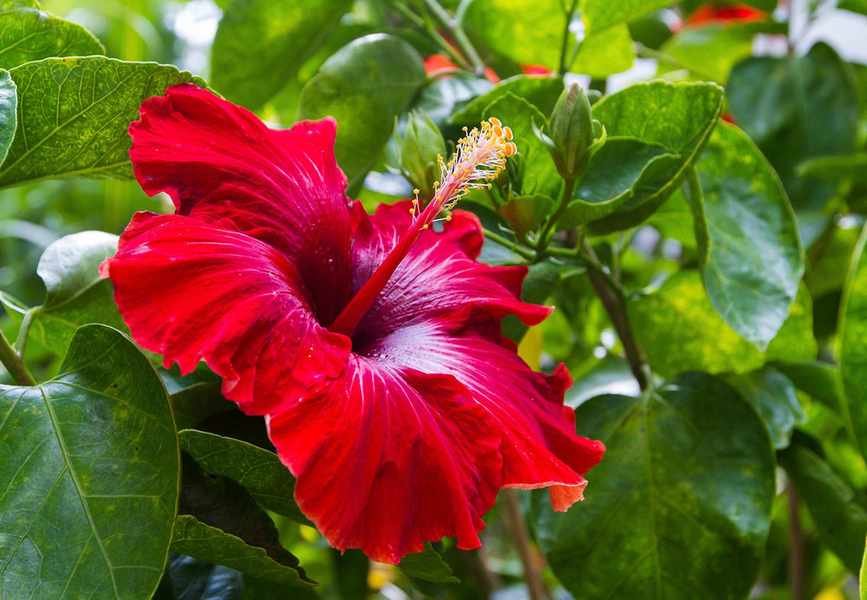
Knowing your hibiscus variety is the first step. Common types include Hibiscus syriacus, a resilient deciduous flowering shrub, and Hibiscus rosa-sinensis, also known as Chinese Hibiscus, which is a tender evergreen shrub typically found in tropical regions.
- Tropical hibiscus – Grown primarily as tropical plants, they thrive outdoors only in USDA zones 9-11, complementing tropical garden themes.
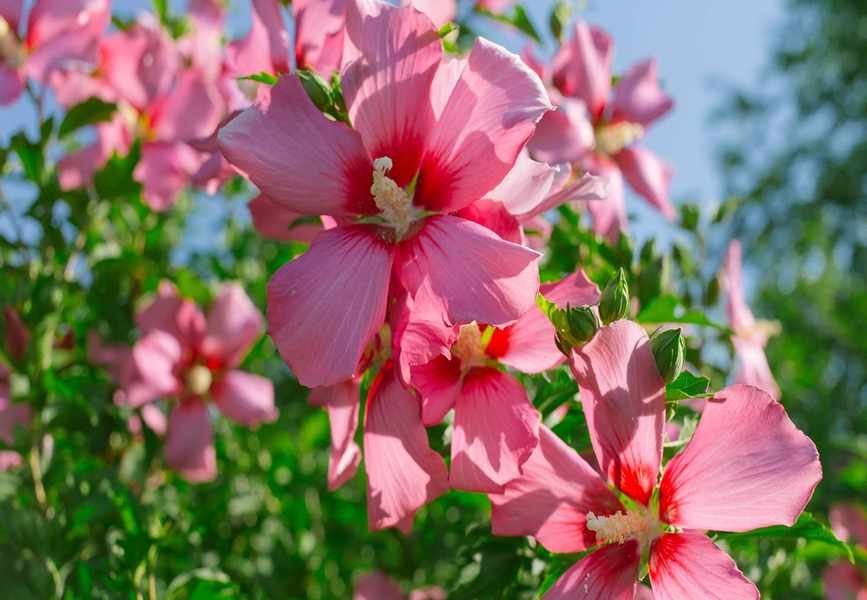
- Hardy hibiscus – These resilient plants can withstand temperatures as low as -20°F and can remain outside during winter. Rose of Sharon is a well-known example of hardy hibiscus. This variety dies back each season, similar to peonies.
Consider how you want your hibiscus to grow. Some gardeners choose to treat them as annuals, replanting each year, while in warmer areas where temperatures stay above 50°F, both types can thrive as perennials.
2. Bring Tropical Hibiscus Indoors
While hardy hibiscus can be left outside during winter, tropical varieties need extra attention.
If your region experiences mild summers around 60°F but harsh winters, it's advisable to grow hibiscus in pots for easy relocation indoors.
"Move the potted hibiscus into a bright room with moderate temperatures. Water the plants carefully, avoiding waterlogging to prevent rot," suggests a gardening expert. "Keep the temperature around 50°F, as anything lower is too chilly for them."

3. Prune Your Hibiscus
When to prune hibiscus depends on the variety you have—some need pruning before winter's end, while others should be pruned in early spring.
Native and hardy hibiscus naturally die back during cold weather, which is normal. Tropical hibiscus, needing warmth, may become leggy if left too long outside. Pruning before spring can help maintain its appealing shape.

Can I Store My Hibiscus in a Garage During Winter?
Yes, hibiscus can be kept in a garage over winter. "As long as temperatures stay above 50°F, it's a suitable option. If the plant isn't dormant, position it near a window or use a grow light," advises a gardening professional.

How to Ensure Hibiscus Survives Winter?
Selecting hardy hibiscus varieties that can endure severe winter conditions is key for winter survival. A plant expert recommends:
- Zone 4 – H. laevis
- Zone 5 – H. lasiocarpos
- Zone 5 – H. moscheutos
- Zone 5 – H. syriacus
- Zone 6 – H. coccineus
- Zone 7 – H. aculeatus
- Zone 8 – H. grandiflorus
If you don't have a hardy variety, keep your hibiscus potted to protect it from temperatures below 50°F.
What Temperature Is Too Cold for Hibiscus?
The cold tolerance of hibiscus varies by type. Hardy native hibiscus can survive down to about -20°F and are suitable for zone 5.
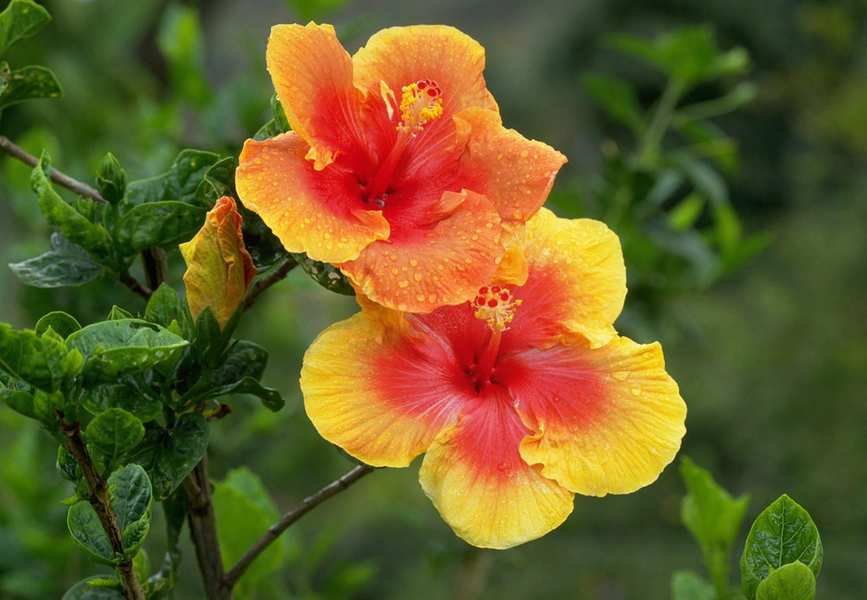
"Tropical hybrids are often sold as houseplants, flaunting large, glossy leaves and diverse flower colors, thriving best at around 68°F and above. They struggle with temperatures below 50°F," explains a plant expert.
Do Hibiscus Return After Freezing?
Hardy hibiscus will re-emerge after freezing, as they die back in fall, protecting their roots from frost, allowing regrowth in spring.
Tropical varieties might survive light freezes, but if the roots freeze, they'll need replacement the following spring. "Before winter, trim dead plant parts and apply mulch for extra protection against severe cold, but moving them indoors is the best option," advises a gardening expert.



