
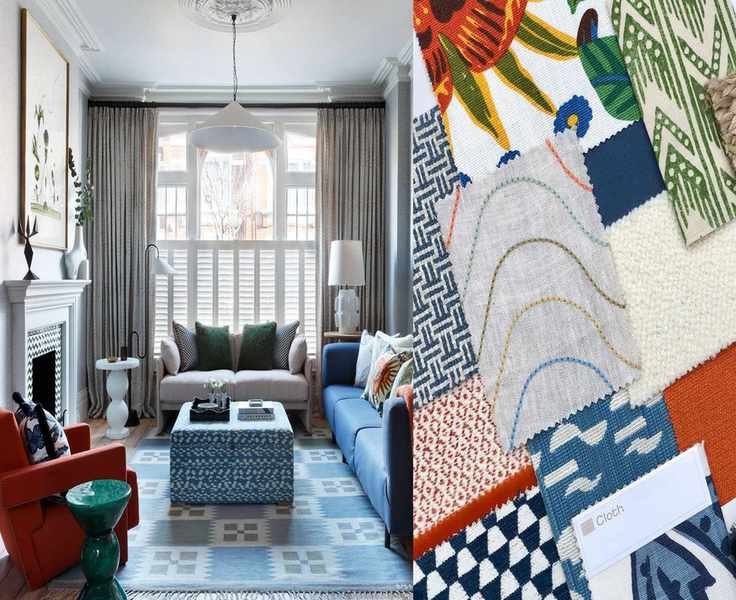
Understanding how to create a moodboard is crucial for shaping your interior design. Those beautiful images on social media—collections of colors and fabrics—serve as inspiration, but a truly effective moodboard requires more than just assembling pretty items on a blank canvas.
At the start of any interior project, turn to the color wheel. Leveraging color theory will help ensure that every element in your room harmonizes, resulting in a polished finish.
Crafting Your Moodboard
When done properly, mastering the art of moodboarding is a skill that significantly enhances your design process, allowing you to visualize your space before making any purchases. It also serves as a fantastic communication tool if you're collaborating with an interior designer.
Designer Sarah Peake shares her top strategies for crafting the ideal moodboard.
1. Prioritize the Largest Elements

Begin by selecting your color palette. Usually, the walls, curtains, and flooring will anchor your design. Nail these down, and the rest will follow naturally. For a solid start, paint a board in your wall colors and use it as a foundation for your fabrics and additional pieces—this ensures everything complements each other.
2. Embrace Contrast

To give your design a professional touch, incorporate contrast. Experiment with a variety of colors, patterns, and textures to breathe life into your room. Your moodboard should buzz with excitement and possibilities, creating energy in your design.
3. Identify Common Themes

As you assemble your moodboard, look for recurring themes in your design and emphasize them. This could be a couple of colors or a pattern that appears multiple times. While contrast adds vitality, it's essential to maintain structure to avoid a chaotic look.
If you're having trouble finding a cohesive thread, consider grounding your design elements. For instance, you might echo the color of your bed frame in a light fixture or reflect a shade from your fireplace tiles in a rug.
4. Consider Hard Finishes
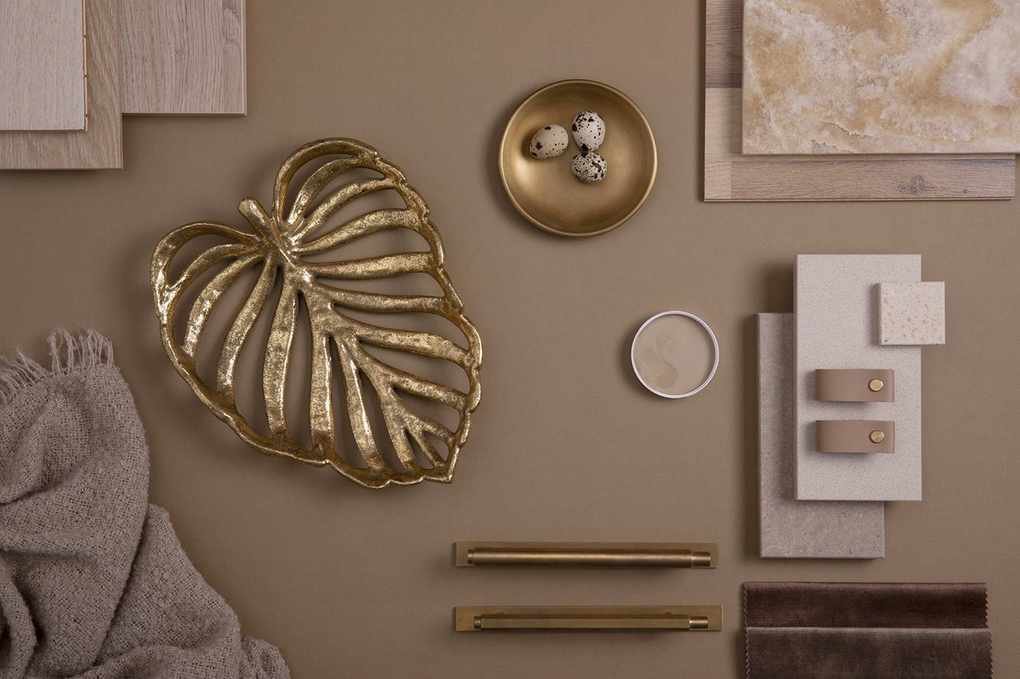
Creating a moodboard can feel overwhelming, but it's the perfect space for experimenting with how different elements interact. Don't forget to factor in hard finishes like flooring and metal accents along with textiles. Thinking through these components in advance will simplify the transition from moodboard to full design.
5. Take Your Time
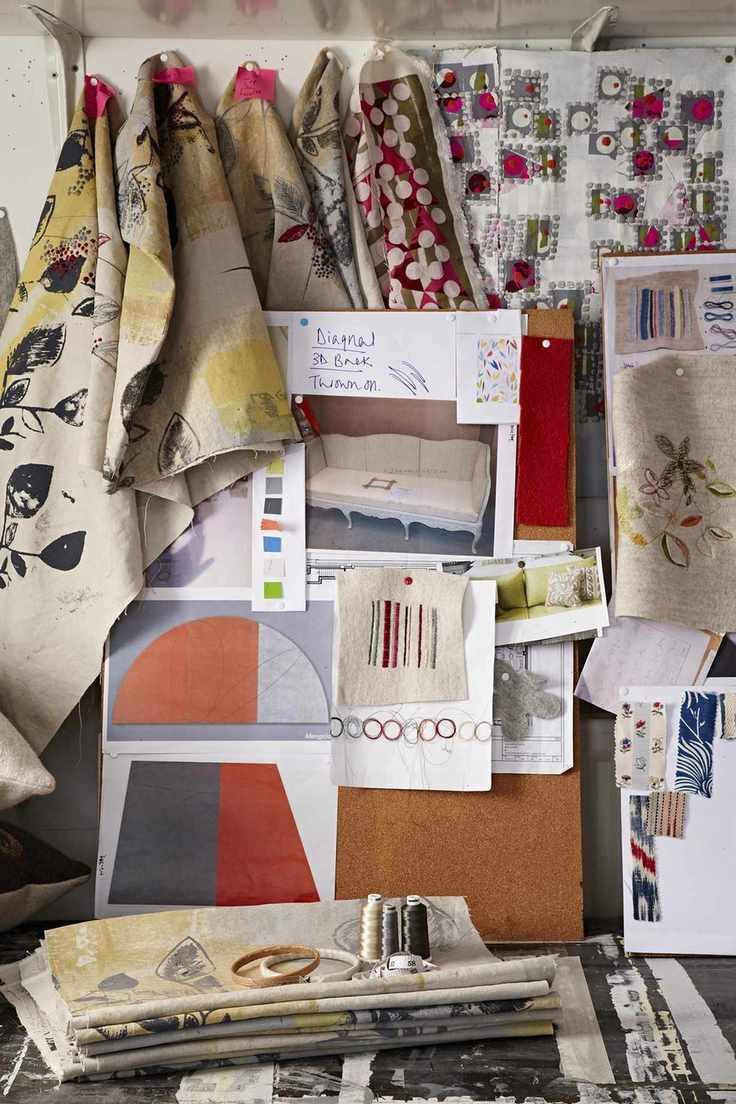
Allow your moodboard to evolve organically. Experiment with various options and let them settle for a time—it's worth the investment. If you lack a fabric library, visit showrooms or request samples online to widen your choices.
6. Test in Context

While a moodboard looks great in theory, it's vital to see how it translates into reality. Bring it into your space to assess how fabrics and paints appear in different lighting conditions. You might find that certain materials look entirely different depending on the room's orientation.
Understanding Moodboards in Interior Design
A moodboard serves as a collection of colors, textures, furniture, and finishes that guide your room's design.
It not only clarifies your vision but also helps you align it with existing spaces in your home, ensuring a cohesive overall design.
Starting Your Interior Design Moodboard
Kick off your moodboard by identifying the primary colors for your scheme. While exact hues don't need to be finalized, knowing if you're drawn to warm tones or cool shades will guide your selection.
Creating a moodboard often starts weeks before you physically compile materials, as it takes time to gather magazine clippings, wallpaper samples, paint swatches, and materials. Your creativity knows no bounds.
What to Include on Your Interior Design Moodboard
Include the following elements on your moodboard:
- Paint swatches
- Wall coverings
- Window treatments
- Flooring options
- Tile designs
After establishing these foundational elements, build the bigger picture with furniture, art, and accessories. However, avoid anchoring your entire design around a single piece; ensure it fits harmoniously within your broader color scheme before making a commitment.



