
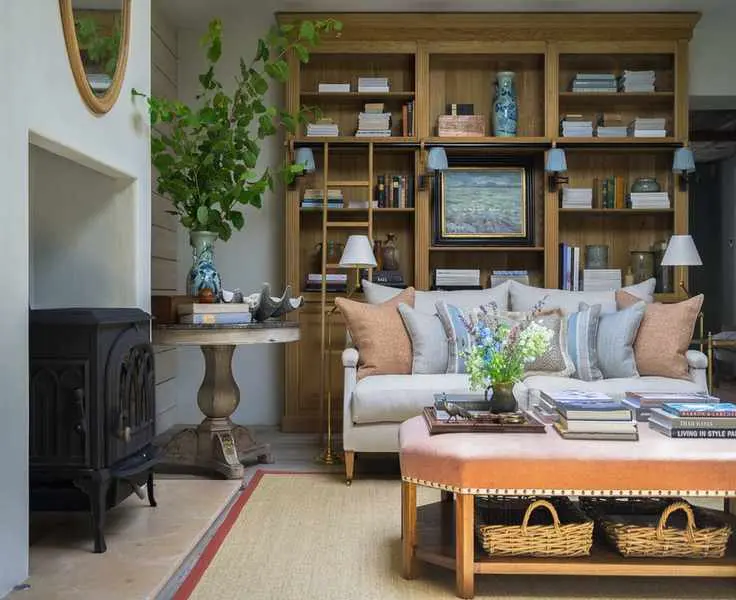
Creating a home library doesn’t necessitate a dedicated room. You can seamlessly integrate one into any area of your home. A well-designed library serves as more than just a storage solution for books; it becomes a stunning focal point that invites you to relax and read.
In our tech-driven lives, there's something indulgent about retreating to a snug corner with your favorite book and a comfy chair.
Home library concepts provide a serene escape from daily chaos, offering a peaceful retreat amid the busyness of life. We've designed numerous libraries for clients, and here’s our go-to advice.
Creating Your Home Library
Selecting a quiet spot—one where you can isolate yourself—and ensuring ample natural or artificial light, along with plentiful bookshelves and cozy seating, are foundational steps in creating a home library.
However, real wisdom comes from seasoned design experts. Here, we share essential elements from a renowned designer that can enhance your library, whether it’s a grand space or a cozy reading nook.
1. Add a Library to an Existing Room
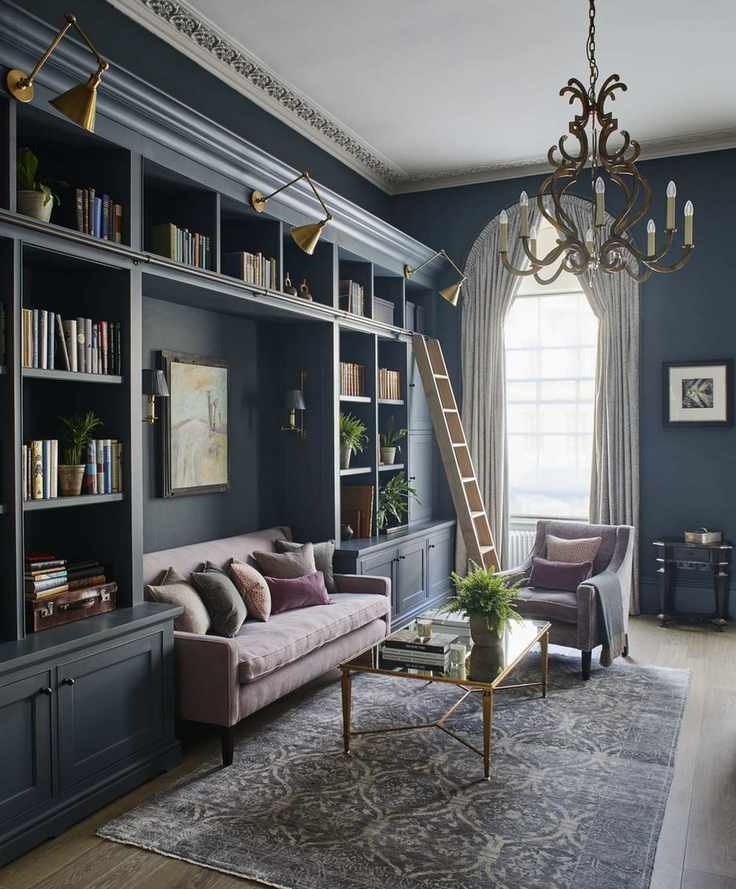
Consider limiting your book storage to a single room, even if it’s not specifically designated as a library.
“Why not incorporate a library into another room? This approach saves space. In our Grade I Regency Townhouse project in Bath, we created a library in the south-facing study,” the designer explains.
“The abundant natural light makes it perfect for both work and leisure reading, and its dual purpose provides a relaxed environment for breaks. Adding comfortable armchairs near the bookshelves creates a welcoming retreat, blending work and relaxation beautifully.”
2. Utilize Unused Areas
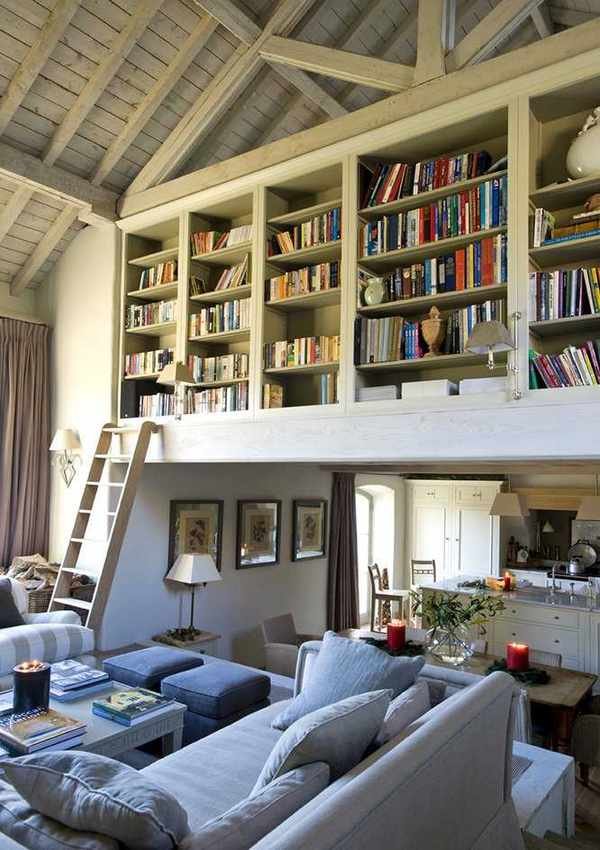
“When envisioning a library, many people picture endless rows of books. At our studio, we tailor designs to fit each home, providing unique solutions,” the designer shares.
For instance, in her own Wiltshire home, she created a bespoke library that extends over the open-plan living and kitchen area, transforming a blank wall into a captivating feature that cleverly conceals the master bedroom above. “Consult a local carpenter for similar ideas in your home,” she suggests.
3. Embrace Color
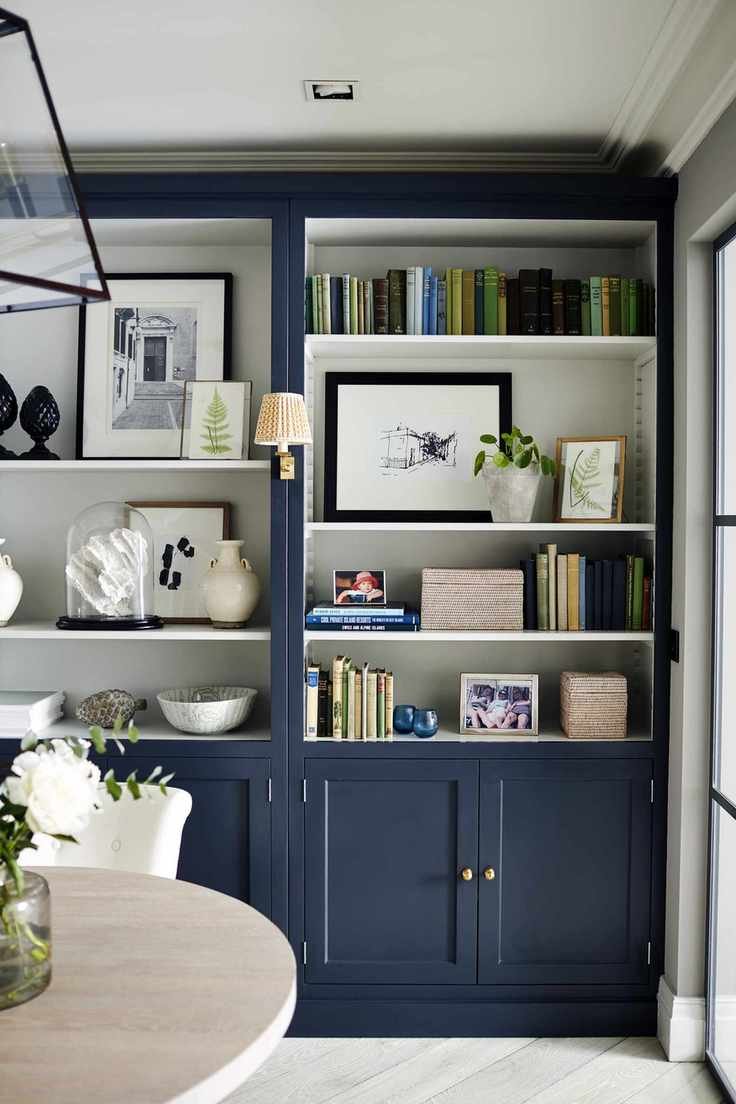
“While a home library should feel calming, don't shy away from bold colors. Infuse your space with personality by painting bookshelves in your favorite hues,” the designer recommends.
She elaborates: “A deep or smoky blue can be striking, especially in smaller spaces, creating a snug atmosphere. To enhance this, choose lighter furniture or flooring. This simple approach personalizes the area, making it a lovely spot to spend time.”
Planning Your Home Library
To effectively plan a home library, follow these steps:
- Assess Your Book Collection – This ensures you have enough shelves and the right depth. Larger books usually go on lower shelves; smaller ones can be above.
- Establish a Book Organization System – You might organize by author or topic, or keep frequently read books easily accessible.
- Include Display Space on Shelves – Mix in cherished items to create visual interest and allow the room to breathe, especially in smaller spaces.
Optimal Placement for a Home Library
Determining the location for your library depends on various factors. Do you prefer to display your collection or keep it hidden? If it’s in a frequently used room, consider shelving that showcases your books, like built-ins around a fireplace, or discreetly placed shelves behind a door. If dedicating an entire room, choose a quiet space with a door for privacy and room for comfortable seating. Ideally, it should have a window for a lovely view.



