
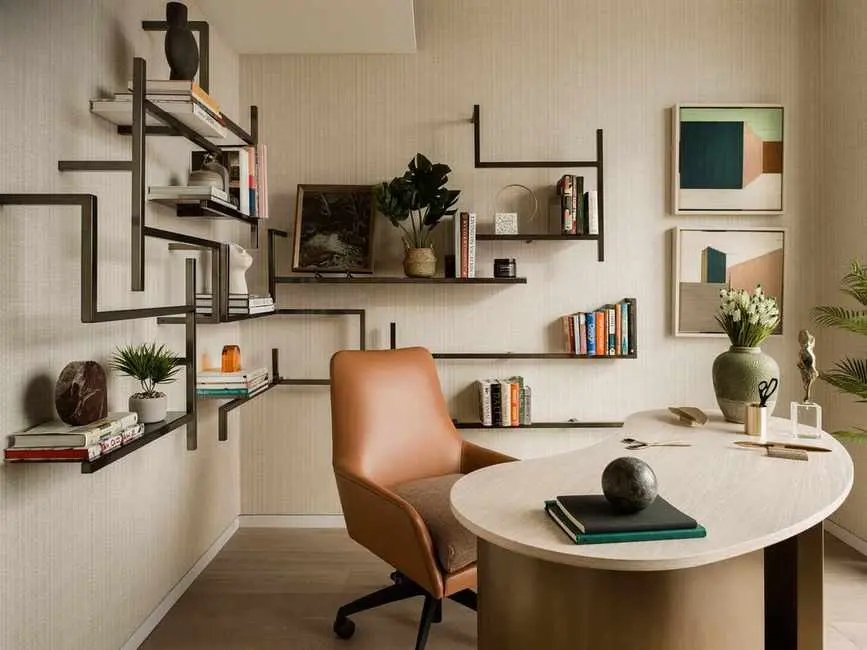
Mastering the art of home office setup is increasingly important as more people work remotely. Whether you have an entire room or a small nook, a well-designed workspace is key for productivity.
Your home office must cater to different needs than traditional spaces like kitchens and living rooms. Balancing functionality and aesthetics is vital, ensuring the office feels like a natural extension of your home.
Here's some practical advice and inspiration to help you design a home office that works for you, whether you hire a designer or do it yourself.
Planning Your Home Office Setup
Decide whether you can allocate an entire room for your office or if it needs to blend into an existing space. Consider essential aspects like room size, natural light, orientation, and unique architectural features when designing.
Evaluate Your Workspace
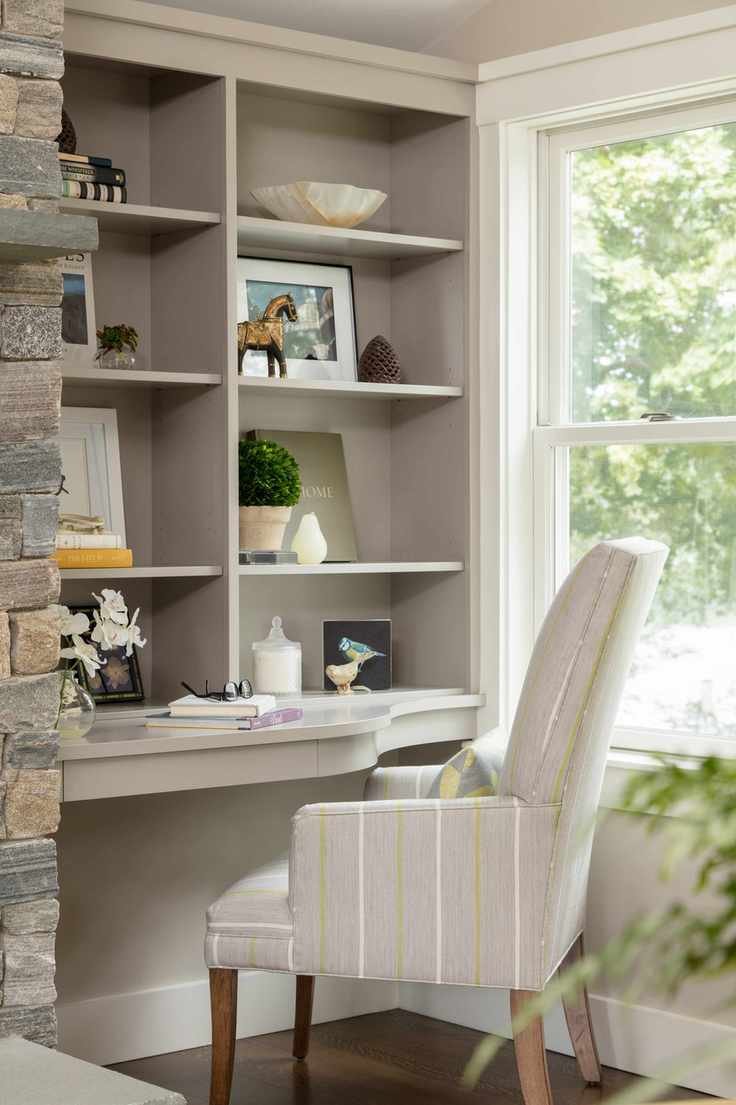
Assess the area available for your home office. Is it a separate room, or will it be integrated into a living area? Identify how much space you can dedicate to it.
A small area can still serve as a highly efficient home office. 'Our client has everything she needs within easy reach,' says Mary Maloney of a design studio, referring to the compact setup shown above.
'A custom chair ensures comfort, while personal art adds character. When stress levels rise, a glance at the scenic lake view can be refreshing.'
Thanks to modern cloud storage, bulky file cabinets are no longer necessary, allowing for more creative freedom in smaller spaces.
Regardless of size, consider the room's shape and unique features like alcoves and sloping ceilings. Evaluate the natural light: does it get good daylight? The orientation matters too; north-facing rooms may require careful color selections.
Arranging Your Home Office Space
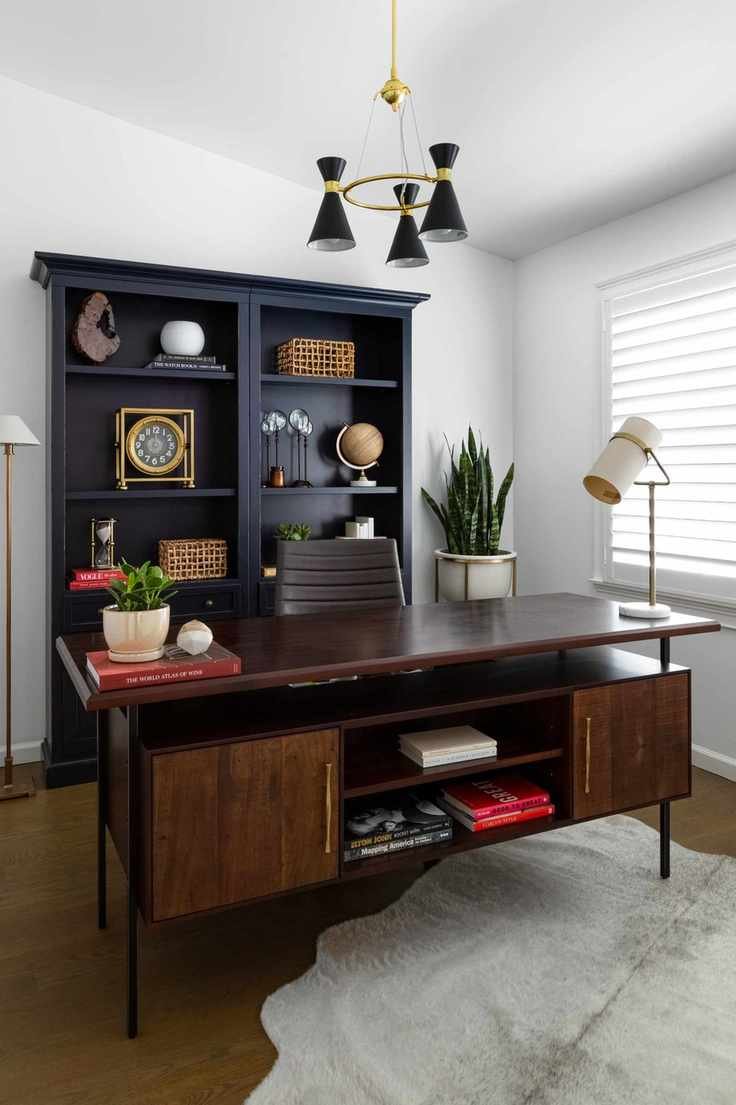
Your home office layout will depend on the furniture you need. A desk and chair might suffice, but consider the following:
Additional workspace for documents, reference materials, or a second screen.
Storage for files and folders—should they be within arm's reach?
Printer and other peripherals easily accessible.
Extra seating apart from the desk chair.
'We love this office's ample storage and a desk that's finished on all sides for books and decor,' comments an interior designer from a design studio. 'The tall cabinet behind the desk makes for a stunning backdrop in video calls.'
If your office shares a space with another room, consider positioning the furniture in a corner or alcove. In a bedroom, a screen can help separate work from relaxation.
Create a scaled layout or use online tools to visualize different configurations.
Choosing Flooring for Your Home Office

Select flooring based on the room's traffic. If it's a shared space or hosts meetings, choose something durable.
Carpet offers warmth and noise insulation but may not be ideal for wheeled office chairs unless designed for it. A standing desk? Carpet can provide comfort.
Hardwood or engineered wood floors are stylish and durable, perfect for basement offices.
Tile is another durable option, easy to clean and accommodating for chairs. Porcelain can mimic wood, or opt for natural stone for a unique look.
Ensure the flooring suits other functions if the office serves multiple purposes. 'This versatile space is a zen den, homework area, and more,' shares an interior designer, highlighting a client's transitional space.
Selecting Furniture for Your Home Office
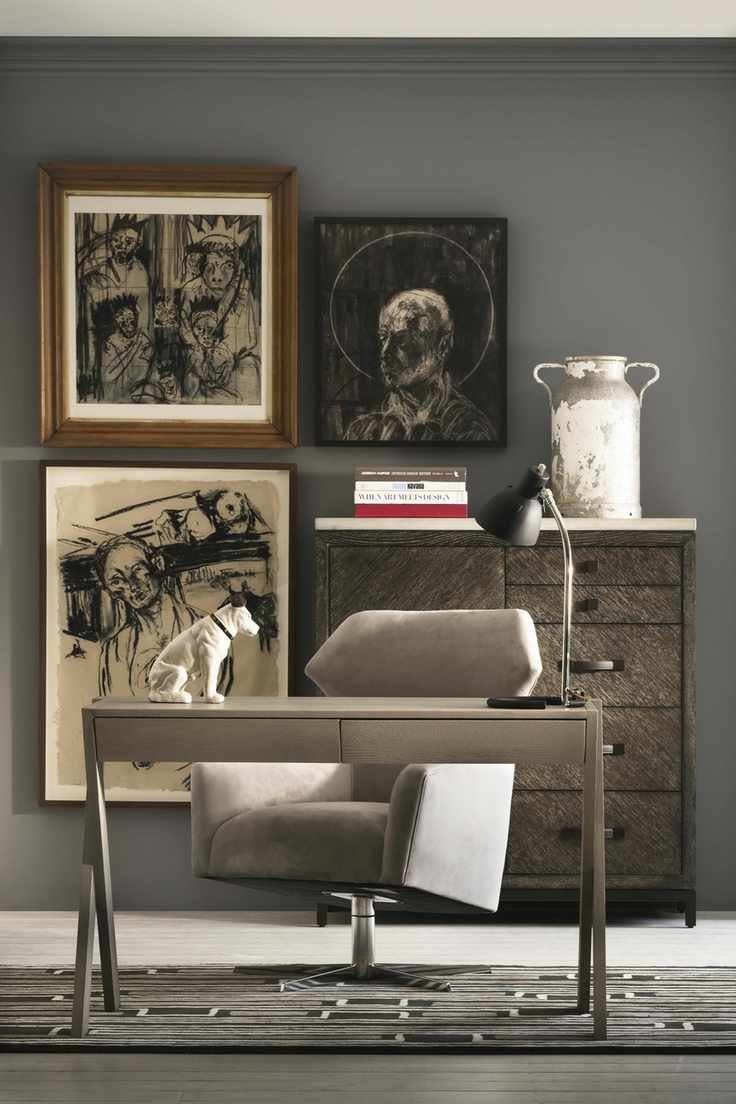
Your desk can range from simple to spacious; corner desks can save space. Choose according to your tech needs—laptop or desktop, number of screens, and what you want close at hand.
Consider how much time you'll spend in your chair. 'Comfort is key, but don't be afraid to choose something stylish,' says a designer. 'A leather chair adds a library vibe, while a sleek swivel chair is great for desk work. Skip the boring black seat in favor of something with character.'
Storage is essential to keep your office looking homey. Built-in storage helps utilize awkward spaces, while freestanding pieces can keep clutter concealed.
Include shelves or cabinets for decor that personalizes your office.
Lighting Your Home Office

Lighting should be a crucial aspect of your home office design. 'Balancing natural and artificial light is essential,' states a lighting designer. He suggests using adjustable task lighting to adapt as the day progresses.
Consider desk lamps for focused illumination. Ceiling downlights work well above desks, but if desks are freestanding, plan carefully to position the lights adequately.
When reading in a chair, use table or floor lamps to avoid glare from overhead lights.
Layering light adds depth; integrating lighting into shelves creates visual interest while enhancing illumination.
Be mindful of how materials interact with light. Avoid direct light on glossy surfaces to reduce glare. Instead, use angled recessed downlights for softer illumination.
Choosing Decor for Your Home Office
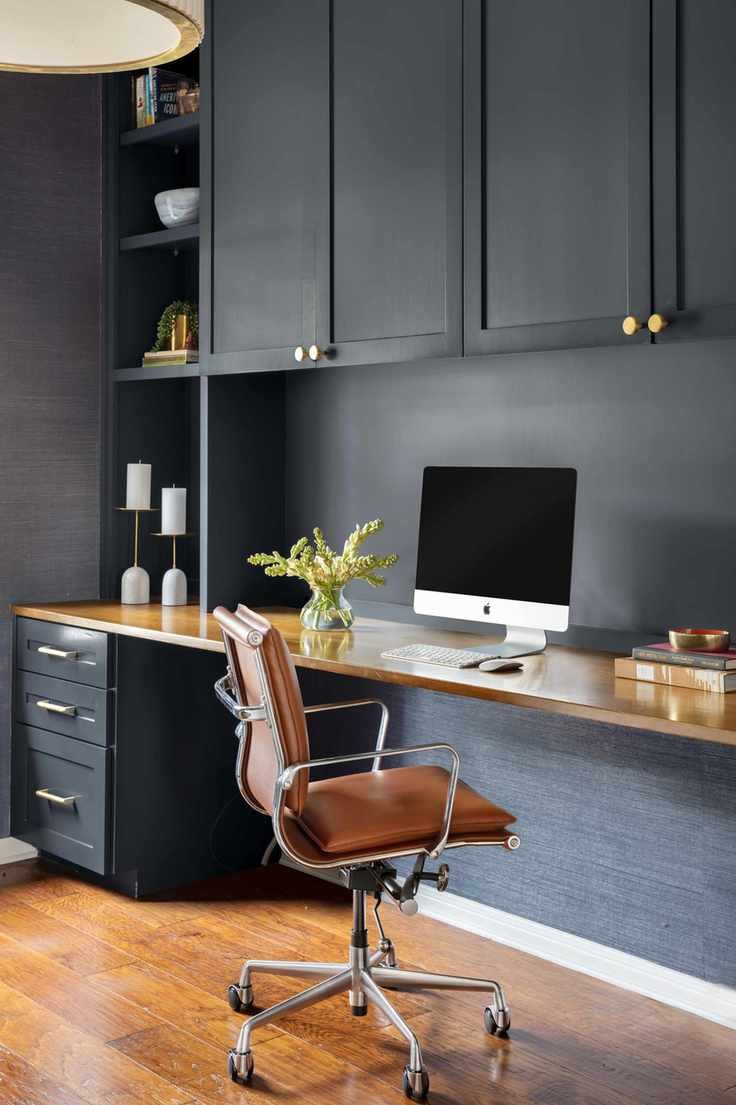
Your office decor should match the overall style of the home. In a separate room, you have more freedom with colors and finishes, but steer clear of corporate aesthetics.
Lighter colors can create an illusion of space in smaller rooms. Layer neutral shades for visual interest, but in a north-facing room, avoid cool tones.
Choose energizing hues like vibrant greens or sunny oranges for a lively atmosphere, or deep tones for a cocooned feel to enhance focus.
'We love the dramatic cabinetry color from a popular paint brand, which is known to boost productivity,' an interior designer notes. 'Textured wallpaper adds depth, and built-in storage doesn't have to be plain—it can enhance your decor while keeping clutter hidden.'
Window Treatments for Your Home Office
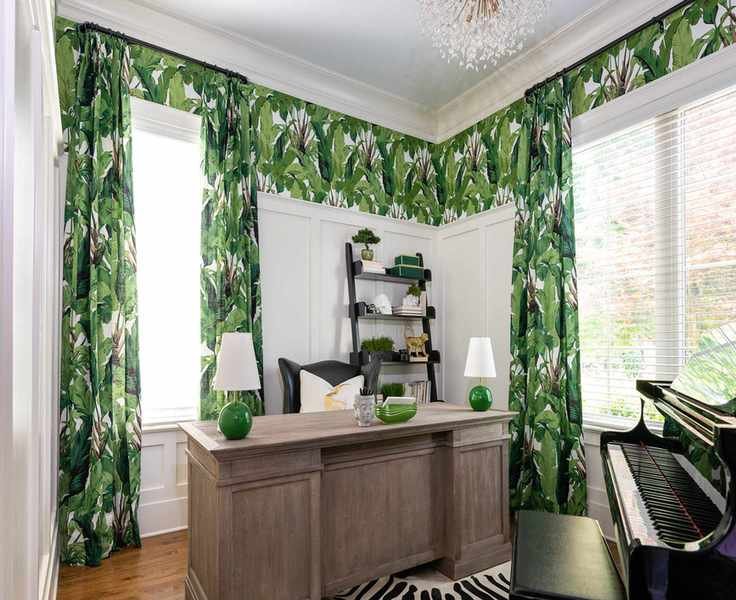
Choosing the right window treatment is vital for a functional home office. Good light control is essential for spaces you occupy for long hours, especially when using screens. Venetian blinds or plantation shutters offer the best flexibility.
Light-filtering shades can mitigate glare, while soft drapes can enhance the room's ambiance.
This office design features curtains that echo the wallpaper's foliage pattern, creating a cohesive vibe. 'I love how functional this multi-purpose space is—perfect for family activities, work, and study, all while remaining vibrant!'
Designing Your Ideal Home Office
To create the perfect home office, think about its intended functions and necessary items. For daily use, opt for a height-adjustable chair and a desk large enough for paperwork.
Consider if the space needs to accommodate meetings or be suitable for kids' homework, as these factors will guide your furniture selections.
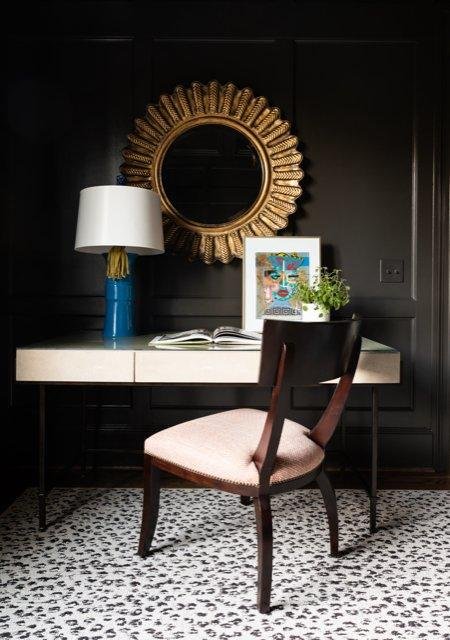
Storage is vital but has evolved; bulky cabinets are often unnecessary. 'Digital storage reduces the need for large desks,' a designer shares. 'Streamlined writing desks are now more functional and visually appealing.'
Creating an Effective Office Layout
Start with desk placement in your layout. Ensure there's enough room to move around comfortably, whether the desk is against a wall or freestanding. Ideally, position the desk near natural light, which may vary from facing the window to being perpendicular.
Choose a desktop size based on your tech needs and space requirements. Ensure storage is adequate for your items, keeping future growth in mind.
Plan for circulation space, and ensure cabinet doors can open without obstructing pathways.



