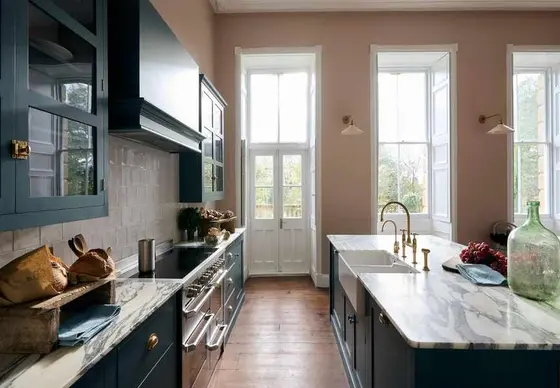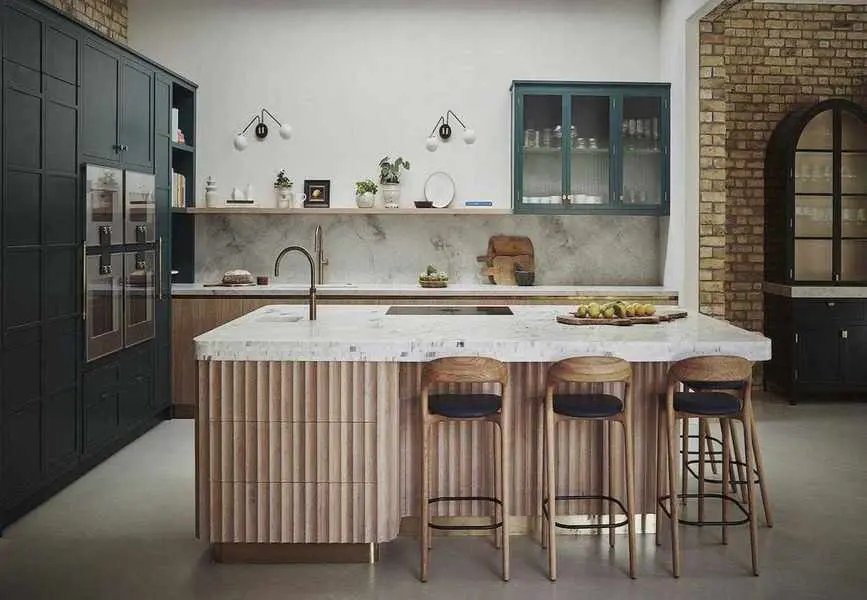
Kitchen islands have evolved into the heart of modern homes. They serve as gathering spots for coffee, homework, and meal prep, transforming into social hubs with the right seating.
Well-planned seating enhances the kitchen's flow, making it a warm gathering space. 'Having friends over for a glass of wine or kids munching on snacks while you cook is ideal,' shares a design expert. In open kitchens, islands foster interaction without disturbing the chef.
However, achieving the perfect setup can be tricky. Poor proportions or awkward layouts may lead to uncomfortable seating, making it crucial to get it right. Here's a guide to perfecting your kitchen island seating.
Seats and Spacing
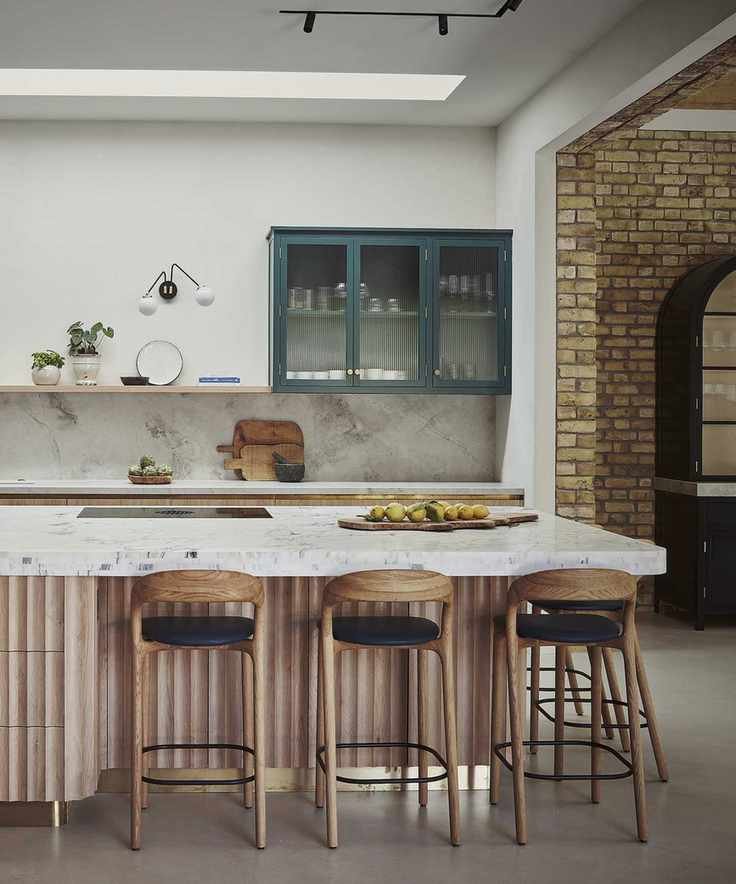
Arranging stools at angles encourages conversation more than a straight line.
The number of stools should match the island's size and intended use. For quick coffee breaks, tighter spacing suffices, but for longer meals, prioritize generous space. 'Aim for 24 inches of width per seat to ensure comfort,' suggests a design professional.
Overhang depth matters too. Insufficient knee room leads to uncomfortable seating. 'For breakfast bars, 12 to 15 inches of overhang is ideal, allowing guests to sit comfortably,' the expert advises. Additionally, wrapping stools around two sides of the island can foster natural conversation.
Height and Ergonomics
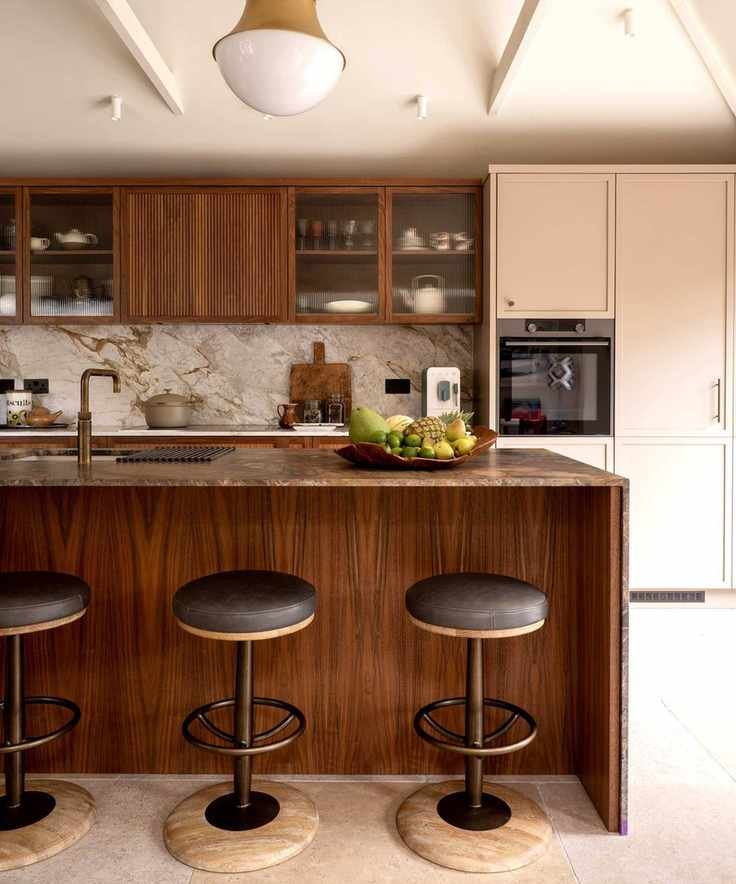
Height-adjustable stools provide customized comfort for everyone.
Getting the right proportions is essential for comfort. Kitchen islands usually stand at counter height (36 inches) or bar height (42 inches), necessitating corresponding stool heights. Mismatches can lead to discomfort.
Easy access and movement while seated also enhance comfort. Unlike dining chairs, bar stools tend to stay in place, making positioning critical.
'Swivel stools are practical, allowing for easy movement and interaction,' the expert adds. A footrest also aids comfort, supporting good posture and reducing pressure on legs.
Materials play a role too. Hard surfaces like wood require ergonomic shaping to avoid discomfort. Cushioned stools provide the best comfort; opt for medium-firm cushions to prevent pressure points while ensuring they're easy to clean.
Accessibility
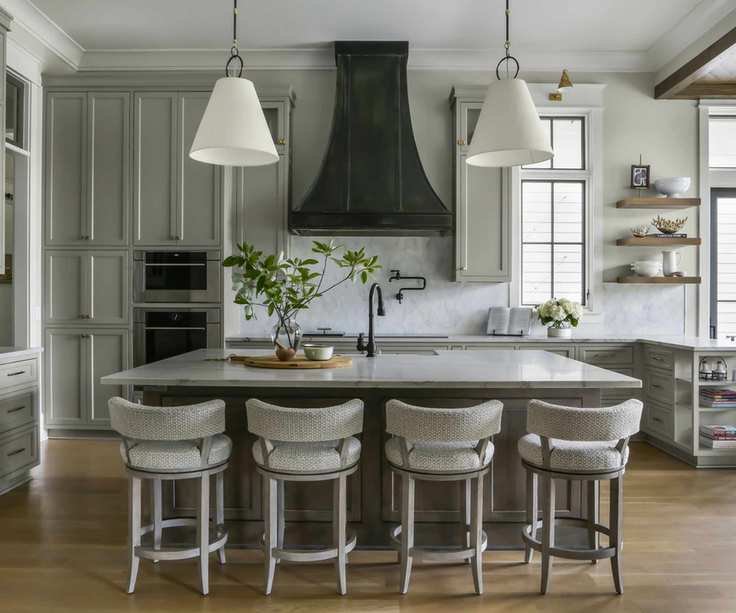
A breakfast bar with overhang allows for easy access and movement.
Ease of access is key for both the design of the island and the stools. Ensure your breakfast bar is wide enough for comfortable seating and easy movement. If stools are cramped by cabinetry, they may be left unused.
Open-ended bar designs promote better flow, especially in compact kitchens. 'An overhang breakfast bar enhances movement, letting guests shift stools as necessary,' a design expert notes.
Style and Design
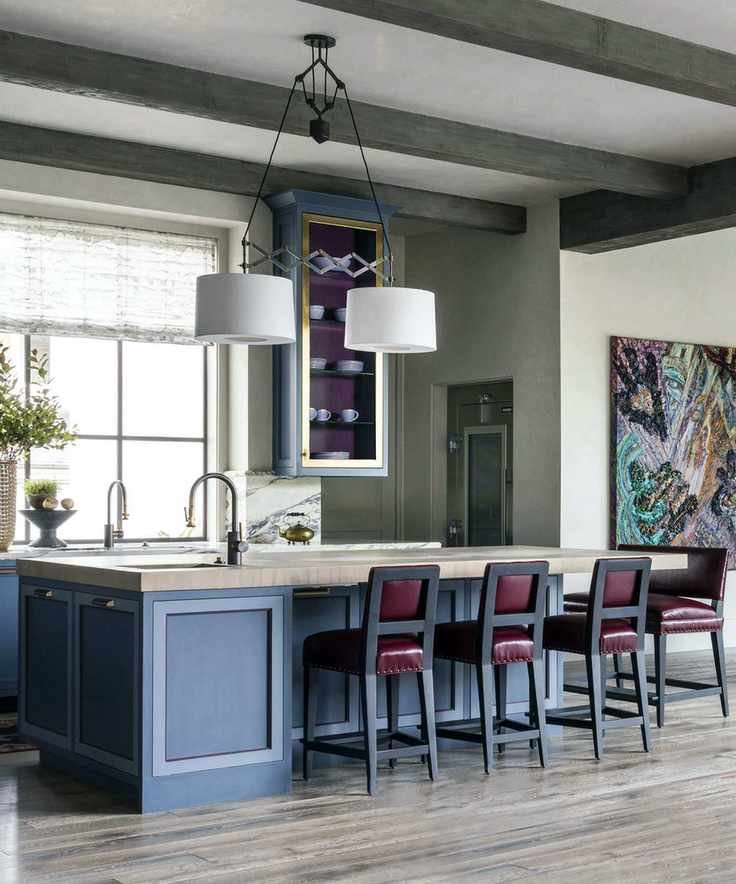
Incorporating accent colors in your stools adds a stylish touch.
Island seating is a chance to infuse personality into your kitchen. Matching finishes or contrasting colors can create impactful design elements.
'Bar stools can echo accent colors used elsewhere, creating a cohesive look,' explains a design professional. Unexpected contrasts can work well too, as long as there's a connection through materials or colors.
Backed vs Backless Seating
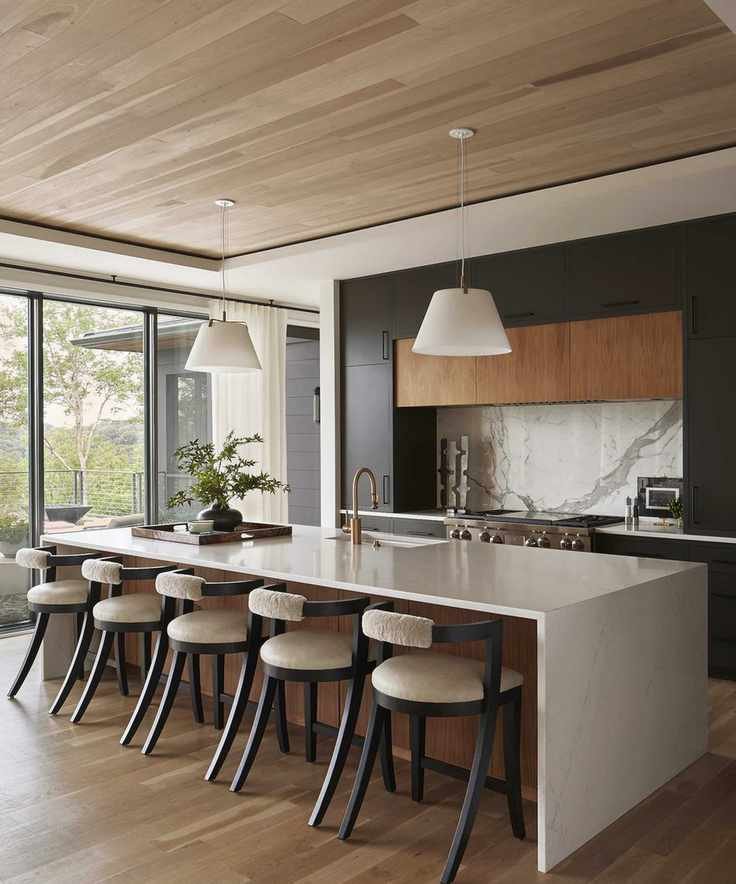
Padded backrests add comfort and texture to the kitchen.
Your choice between backed and backless stools should depend on how the island will be used. Backless stools are ideal for small spaces, easily tucking away. However, backed stools are better for longer, relaxed gatherings.
'Backed stools encourage people to linger and use the island for meals,' a designer states. Their design can soften the island's appearance, making it more inviting.
Multi-Use Island Seating
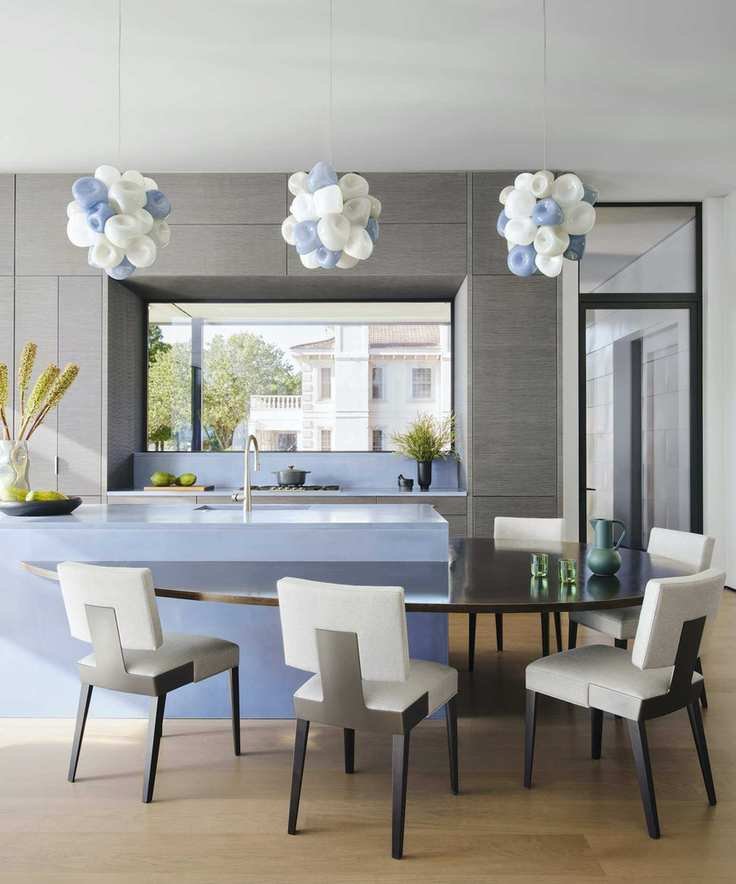
A drop-down table defines the cooking and dining areas.
In many kitchens, islands serve multiple functions, so it's vital to zone effectively. Seating should be positioned away from prep areas to avoid disruptions.
'Placing a dining table at the island's end separates eating from cooking, keeping children safe from hazards,' notes a kitchen designer. Consider storage options under seating to maximize space, avoiding clutter.
Adjusting the island layout might be necessary to achieve efficient seating and storage. 'Reconfiguring the island to an L-shape allowed for additional seating and better flow,' a designer explains.
Seating Layout Considerations
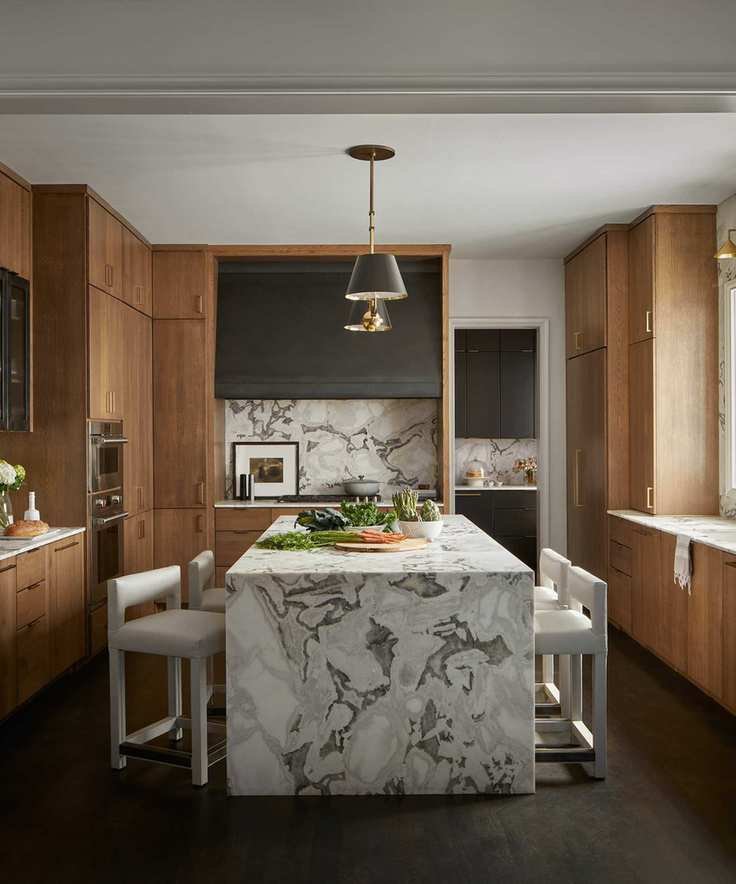
Stools on two sides create a table-like feel.
The seating arrangement affects how the island functions socially and practically. Linear seating offers a clean look, while wrapping around two sides promotes a sociable atmosphere.
Placing stools on opposite sides can enhance conversation, making the island feel more like a gathering table. This works best with longer islands, allowing for both prep and seating without conflict.
Ensure there's enough clearance for comfortable movement. Walkways should be at least 36 inches wide, with more space preferred for high-backed stools. Generous proportions are essential to maintain fluidity in larger kitchens.
Double Kitchen Island Seating
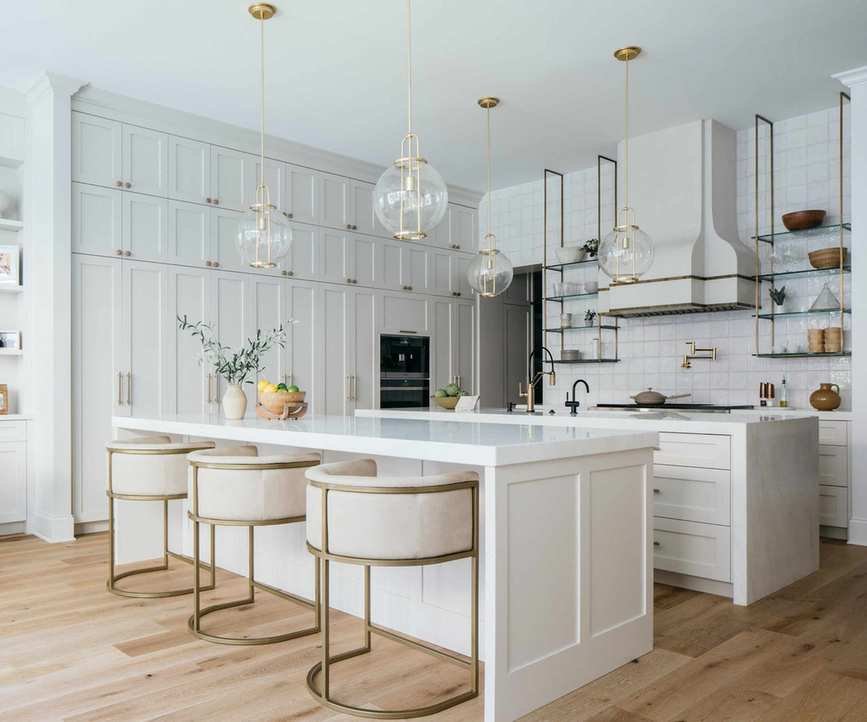
A double-island layout separates cooking from dining, enhancing social interaction.
A double-island setup allows for dedicated prep and seating areas, creating a seamless flow without crowding the cook. One island can focus on food prep while the other serves as a social space.
'This setup keeps guests involved without hindering cooking,' a designer explains. It promotes a connected yet practical kitchen environment.
Built-in Kitchen Island Seating
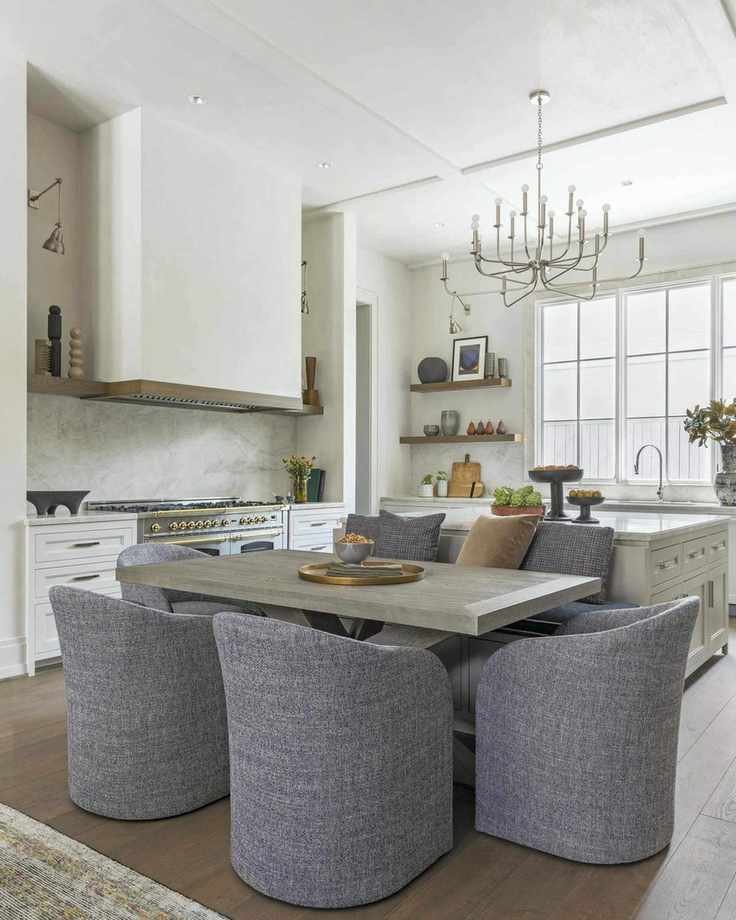
Built-in seating creates a welcoming dining area within the kitchen.
Built-in seating encourages a dining atmosphere, transforming the island into a comfortable gathering space. Typically designed at table height, they can be positioned at the island's end or along the front.
'Banquettes provide better support and invite longer stays, making the island feel more like a dining area,' a designer notes. However, built-in seating increases the island's size and can complicate access for middle seats.
Common Kitchen Island Seating Mistakes to Avoid
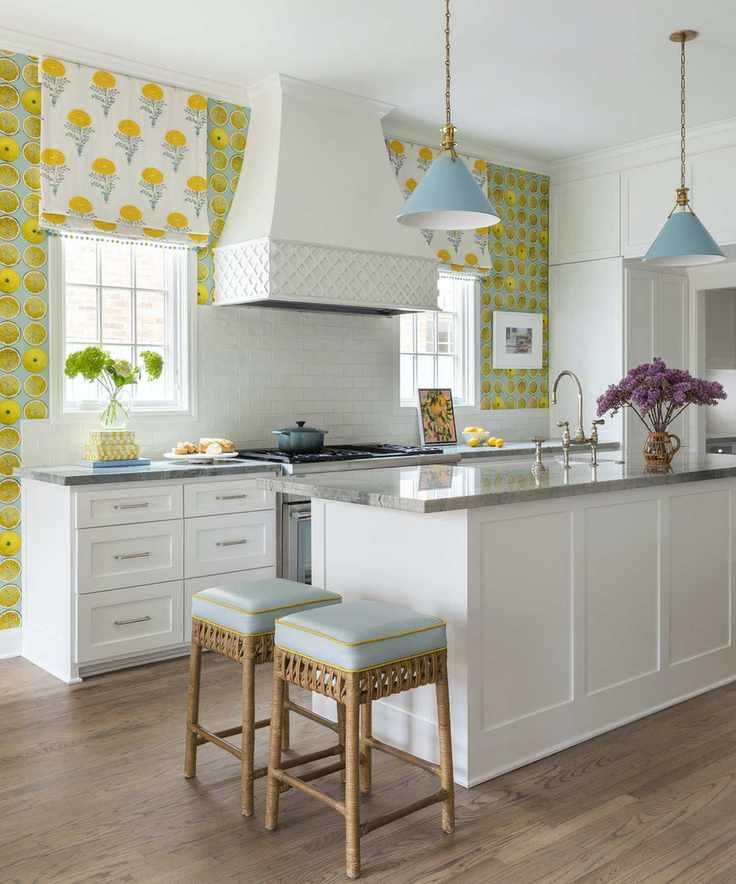
Backless stools keep walkways clear and organized.
Even the most stylish island seating can fail without attention to practical details. Common mistakes include:
• Misjudging scale
Too many stools can clutter the island, while too few leave it underused. Allow around 24 inches per seat for comfort.
• Selecting the wrong stool height
Improper dimensions lead to discomfort. When seated, forearms should be parallel to the countertop for optimal ergonomics.
• Insufficient overhang
'A minimum of twelve inches is necessary for comfort, with fifteen to eighteen inches preferred,' a designer shares.
• Overcrowding the space
In narrow kitchens, bulky stools can obstruct movement. Opt for slim, backless designs to keep pathways clear.
• Prioritizing style over comfort
Aesthetics matter, but comfort is crucial for use. Look for supportive, padded options that encourage longer sitting times.
Kitchen Island Seating FAQs
How many stools should I include on my kitchen island?
Calculate by allowing 24 inches per stool, then divide by the island's length. Fewer, well-spaced seats create a relaxed atmosphere.
What height should my island stools be?
For a 36-inch island, choose stools with a height of 24–26 inches. For a 42-inch island, opt for 28–30 inches. Adjustable stools offer flexibility.
Are stools with backs necessary?
Backed stools increase comfort for extended use, while backless options are better for smaller spaces.
What spacing is ideal between island stools?
Strive for around 24 inches per stool to ensure comfort and ease of movement.
When proportions, placement, and comfort align, seating becomes a key aspect of your island's social appeal, making it inviting for everyone.