
Stuck with a cramped, dark kitchen at the back of your home? Side return extensions might just be the solution to enhance your cooking space without sacrificing your garden.
These extensions are a practical choice, offering significant value for your investment.
While gaining an extra meter or two may not seem like much on paper, it can transform tight galley kitchens into welcoming, functional areas.
Leigh Bowen of 50 Degrees North Architects emphasizes, "With added space, width, and light, your home becomes a better spot for hosting, relaxing, or working remotely."
Ideas for Your Side Return Extension
1. STRATEGIC PLANNING
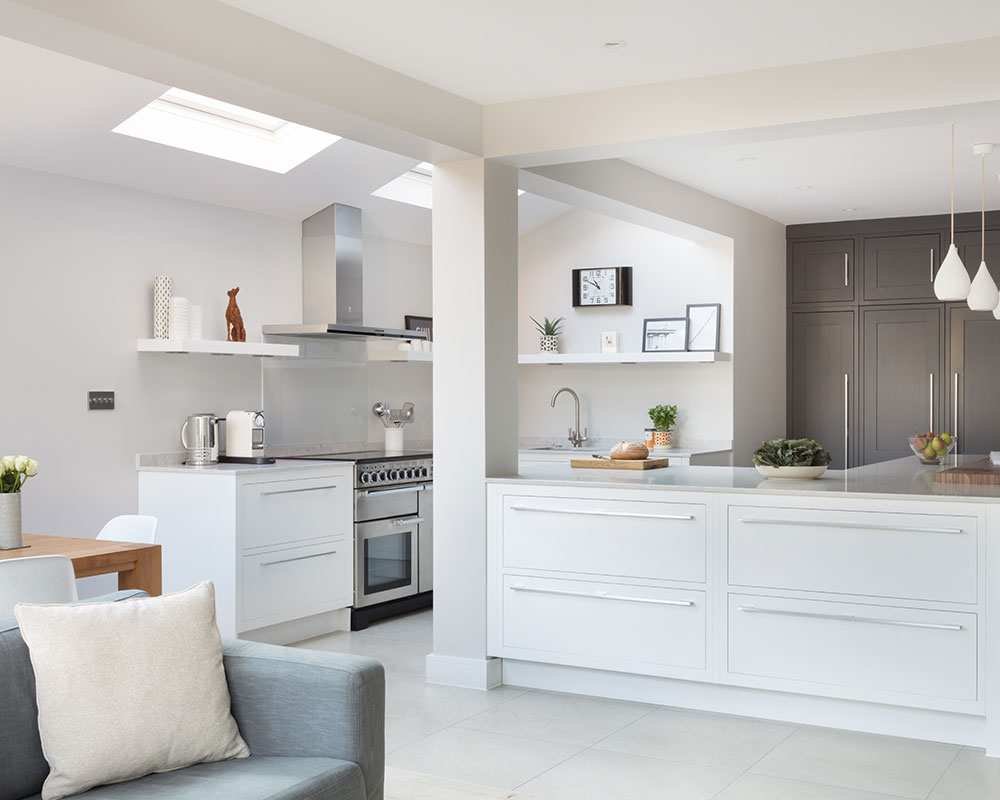
When designing your kitchen extension, coordinate layout and architectural elements to create a cohesive look. This ensures that the new space feels intentional and harmonizes with the existing kitchen.
Melissa Klink, head of design, advises against delaying the layout and kitchen selection until late in the project. Collaborating with your architect from the start allows for adjustments that enhance both the design and your enjoyment of the space.
The Linear kitchen, Harvey Jones
2. OPT FOR NATURAL LIGHT
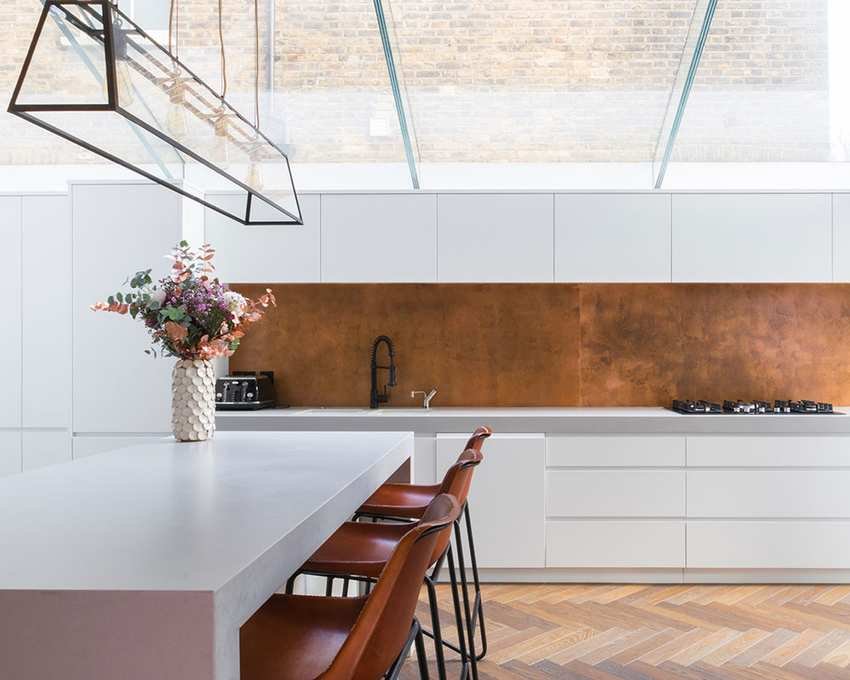
A common challenge with side return extensions is the potential reduction of daylight in adjacent rooms. A popular remedy is to install a glazed roof over the side return, maximizing natural light.
Modern glass beams allow for a nearly seamless appearance while flooding the area with brightness.
According to Rebecca Clayton from IQ Glass, these glass beams consist of multiple layers of toughened glass for durability and should be load-bearing for maintenance access.
3. COORDINATE COLORS
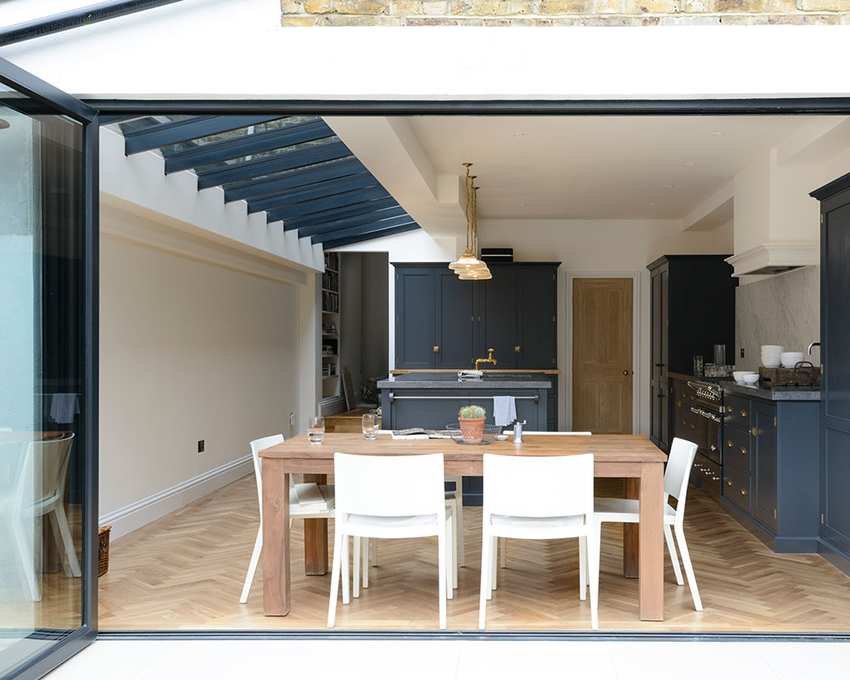
Matching your kitchen cabinetry with the new window and door frames enhances the visual appeal of your side return extension. Using deVOL's Pantry Blue paint for both cabinetry and glazing bars creates a beautifully cohesive space.
While most glazing firms offer standard colors, you can often get a custom match for a small fee. Explore options from Express Bi-folding Doors.
The Real Shaker Kitchen painted in Pantry Blue by deVOL
4. CREATE A SEAMLESS TRANSITION
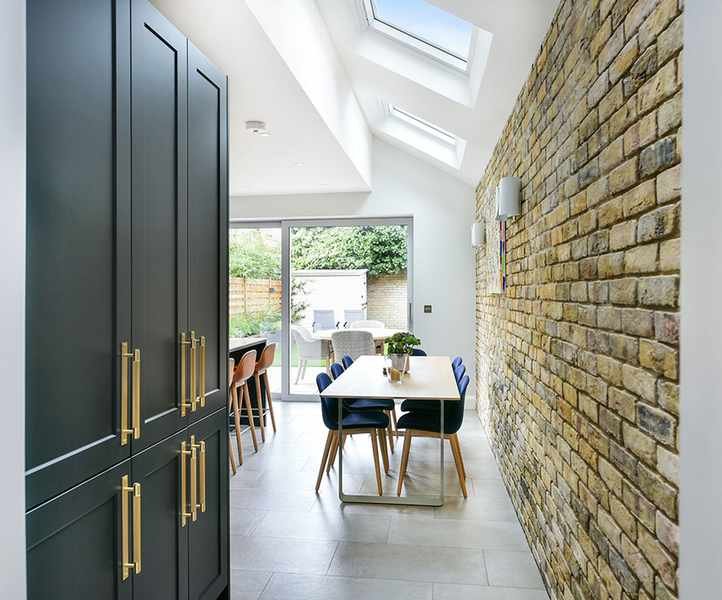
Consider how the new side return integrates with the existing layout. If it connects directly to the hallway, a corridor lined with storage cabinets can keep your space organized and smooth the transition into your bright, open kitchen.
This approach minimizes clutter and enhances the welcoming feel of your home.
5. FOCUS ON THE CEILING
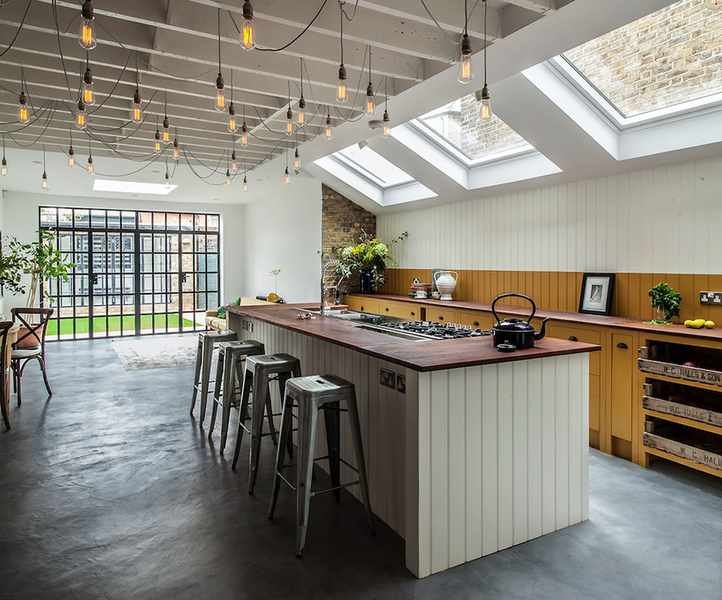
Designers often refer to the ceiling as the 'fifth wall', highlighting its significance in decor. Instead of concealing structural changes, consider showcasing them as a design feature.
By exposing original ceiling beams, you can enhance the perceived height of the room while echoing an industrial aesthetic below.
6. MAXIMIZE LIGHT FLOW
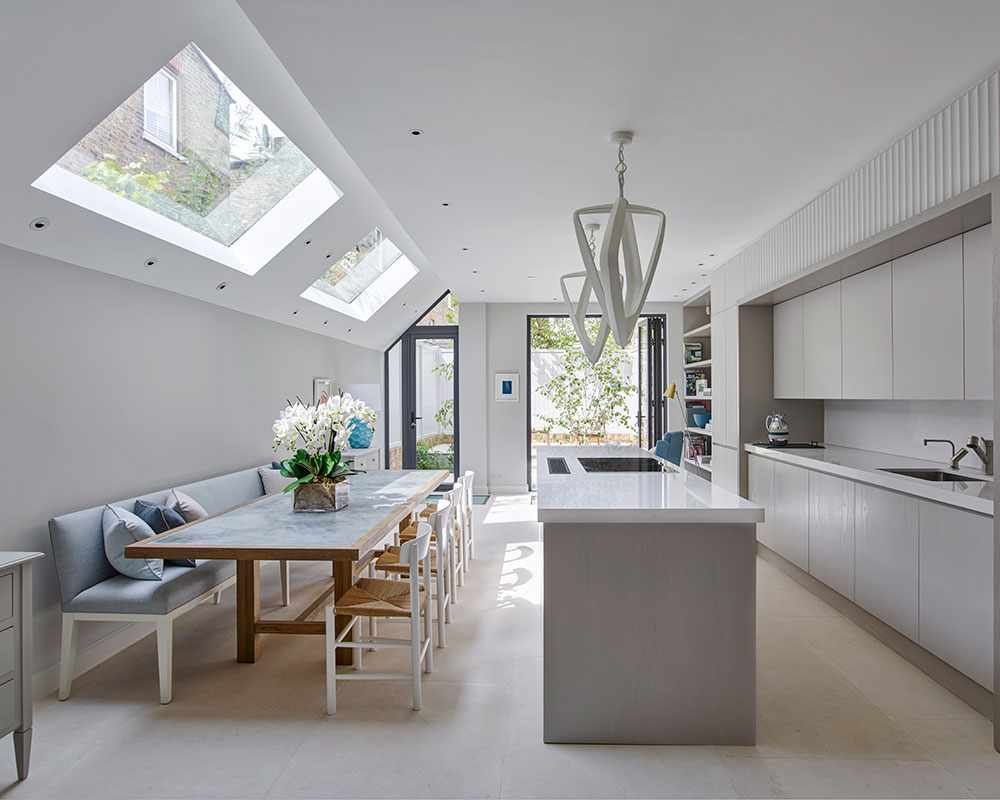
This side return extension aims to maximize light throughout the space. New roof lights and French doors create an airy ambiance, seamlessly connecting to the garden.
Interior designer Philippa Thorp notes that the fluted and veneered timber doors add a subtle texture, while the oversized lighting fixtures introduce a touch of drama. A muted gray palette keeps the environment feeling fresh and modern.
7. SKYLIGHT OPTIONS
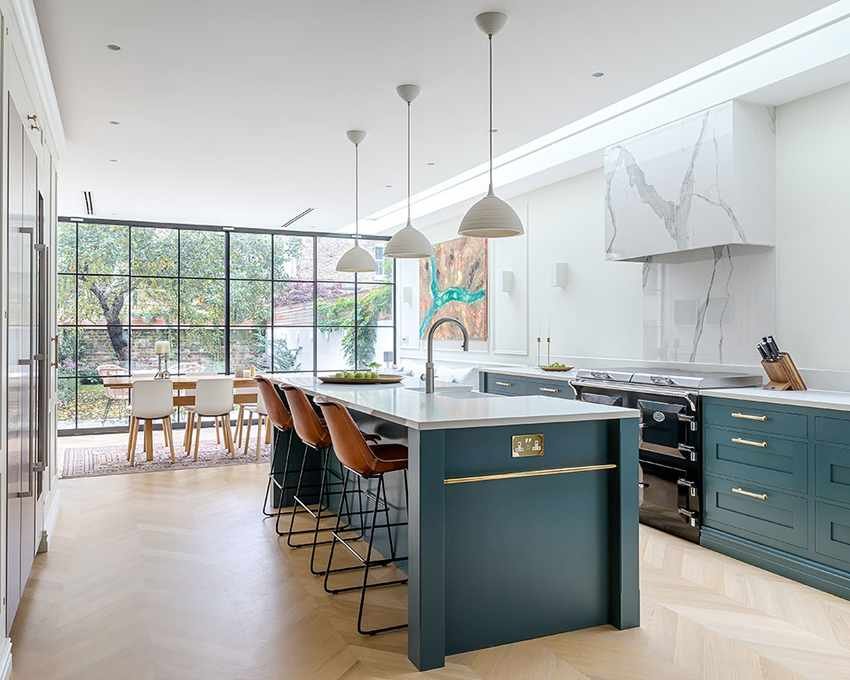
While larger skylights might seem appealing, they shouldn't compromise your privacy. In terraced homes, narrower skylights can be more effective, providing light without being overlooked.
A long, frameless skylight can enhance the space while controlling solar gain, especially in south-facing extensions. Neil Tomlinson of Neil Tomlinson Architects advises using solar control glass or interior shading to manage heat.
8. HARMONIZE OLD AND NEW
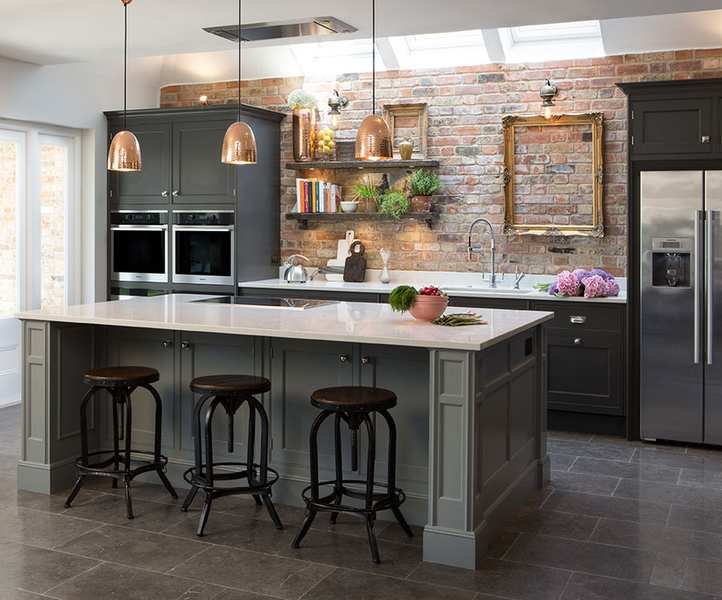
A traditionally styled side return extension can add space while honoring your home's heritage. Using reclaimed bricks enhances character and complements the original architecture.
Classic French doors can be more fitting in period homes than modern options, ensuring harmony with the existing features.
9. DEFINE YOUR SPACES
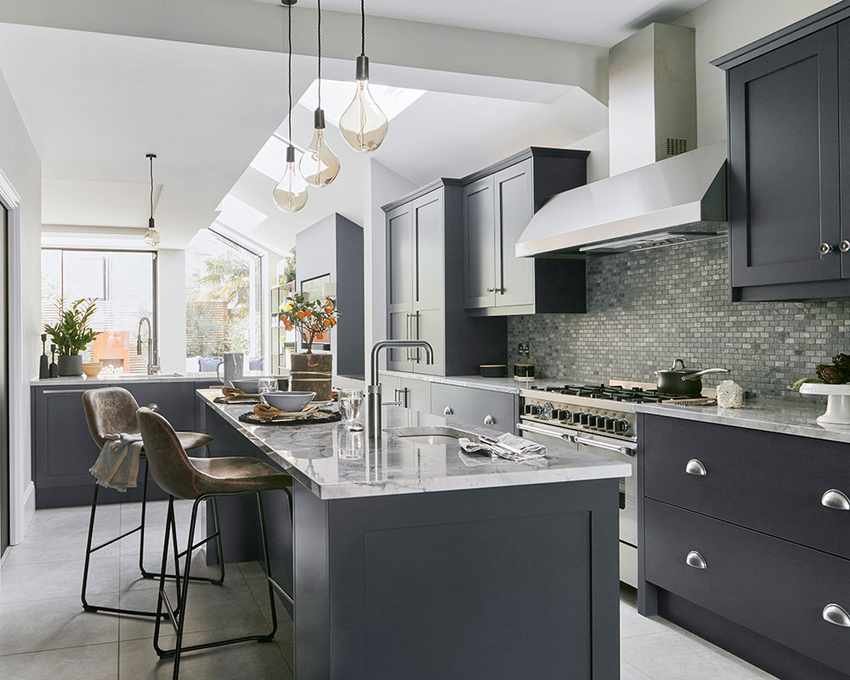
In an open-plan extension, zoning helps create functional areas for cooking, dining, and relaxation. Blending the original house with the new side return is essential.
This L-shaped kitchen designed by John Lewis of Hungerford uses a peninsula for clear boundaries while maintaining flow with the living area. Placing the main sink on the peninsula allows for enjoyable garden views while cooking.
10. INTEGRATE SUPPORT ELEMENTS
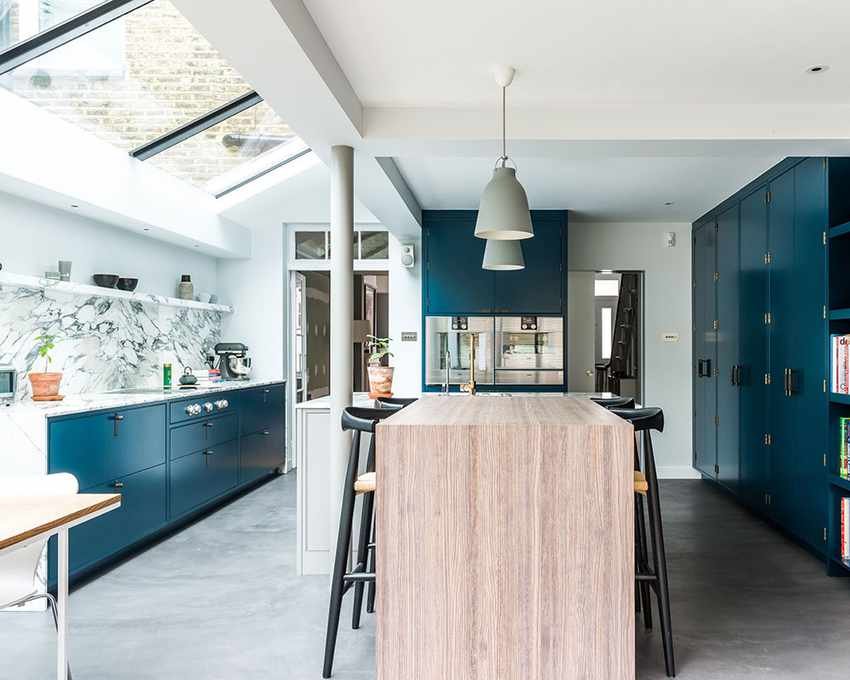
Removing external walls often reveals unavoidable support columns. You typically can't choose their placement as they're necessary for structural integrity.
Here, the vertical support column is painted to blend with the island, minimizing its visual impact. The kitchen design cleverly tucks this column into a corner, reducing its presence and improving flow.
UNDERSTANDING SIDE RETURN EXTENSIONS
Common in terraced and semi-detached homes, side return extensions utilize previously unused space alongside the property. They enhance the often narrow, dark kitchen without encroaching on garden space.
This area, typically reserved for bins, can be transformed into a dining zone or a more spacious entertaining area. A side return extension can also be combined with a rear extension, classified as a wraparound extension.
PLANNING PERMISSION REQUIREMENTS
In the UK, a straightforward side return generally falls under Permitted Development rights, meaning you won't need a planning application.
However, if your home is listed or in a conservation area, restrictions may apply regarding height and proximity to neighbors.
Always notify your local authority, comply with building regulations, consult neighbors, and likely arrange a Party Wall agreement.
BUILDING TIMELINES
According to kitchen designer Matt Baker, the duration varies based on your project's specifics. Generally, expect a side return extension to take between three and five months.
A detailed kitchen installation may require at least four weeks, especially for custom cabinetry.



