

Deck railings play a crucial role in deck design, serving both safety and aesthetic purposes for elevated surfaces and stairs.
Whether you're replacing old railings that detract from your deck's appeal or planning for a new installation, there are countless stylish options available. This element is essential when considering deck ideas.
'Deck railings consist of rails, posts, and infill, which can include balusters (wood or metal) or panels (wood or glass),' explains a decking expert. 'Wood offers a rustic charm, ideal for traditional homes, while glass adds a sleek, modern touch, creating an illusion of space and enhancing garden views.'
Here are some inspiring deck railing ideas to elevate your outdoor area.
Deck Railing Ideas
Your choice of deck railing should align with your decking material and deck edging ideas to ensure a harmonious appearance. Consider mirroring styles on your porch railings for a cohesive look.
1. Classic White Railings

For traditional homes, a simple white-painted wood railing is hard to beat. This adaptable option suits colonial, Georgian, or coastal Southern styles, like the Florida home of a noted interiors stylist.
While wood is the typical choice, consider low-maintenance polycomposite railings that mimic wood but require no repainting or sealing.
2. Mix Horizontal and Vertical Railings

For properties with multiple levels, using a single railing style can lead to a monotonous design. Instead, alternate between horizontal and vertical railings within the same style to define various areas. A designer achieved this contrast with horizontal metal railings and vertical styles on balconies.
3. Clear Glass Railings for Scenic Views

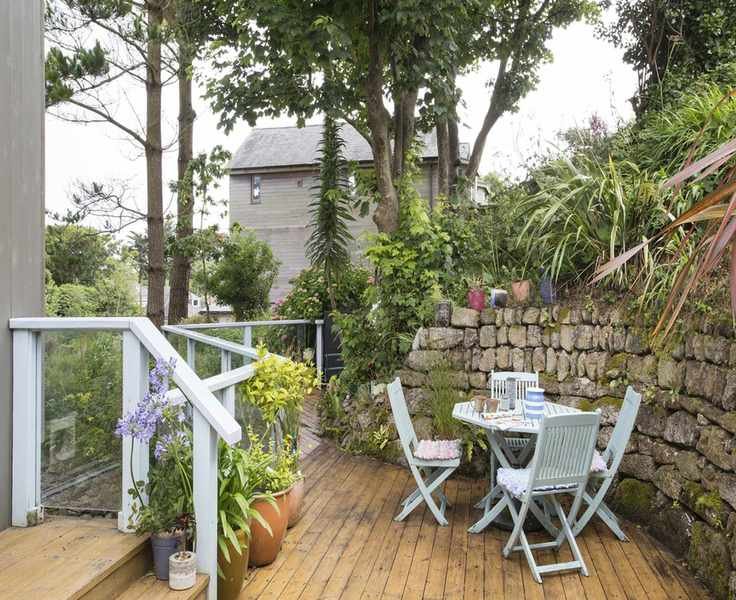
If your deck overlooks stunning scenery, consider glass panel railings that maintain a clear view. This choice works beautifully for contemporary homes and modern apartments.
4. Clean Lines with Steel Cables

A cable railing system creates an airy feel, ideal for modern homes. While they may appear delicate, these railings are robust, typically made of corrosion-resistant materials for longevity.
5. Two-Tone Railings

For a fresh take, combine white posts with dark-stained rails that complement your decking. Enhance the ambiance with bistro lights strung across the railing.
6. Embrace Natural Finishes

Opt for light wood railings that match your deck surface for a relaxed vibe. Ensure a textural contrast with smooth railings and ridged deck boards.
7. Align Railings with Architecture

When selecting deck railings, consider your home's architectural features. Pair substantial posts and balusters with large pillars to maintain proportion and style uniformity.
8. Material Combinations

Utilize a glass baluster atop a low wall for a sturdy railing that maintains visibility. This design works well from both seated and standing positions, enhancing views from inside and out.
9. Dual-Purpose Railings

Choose railings that double as seating to maximize space and comfort. Decking materials can create an unobstructed view while blending seamlessly into the landscape.
10. Define Garden Zones
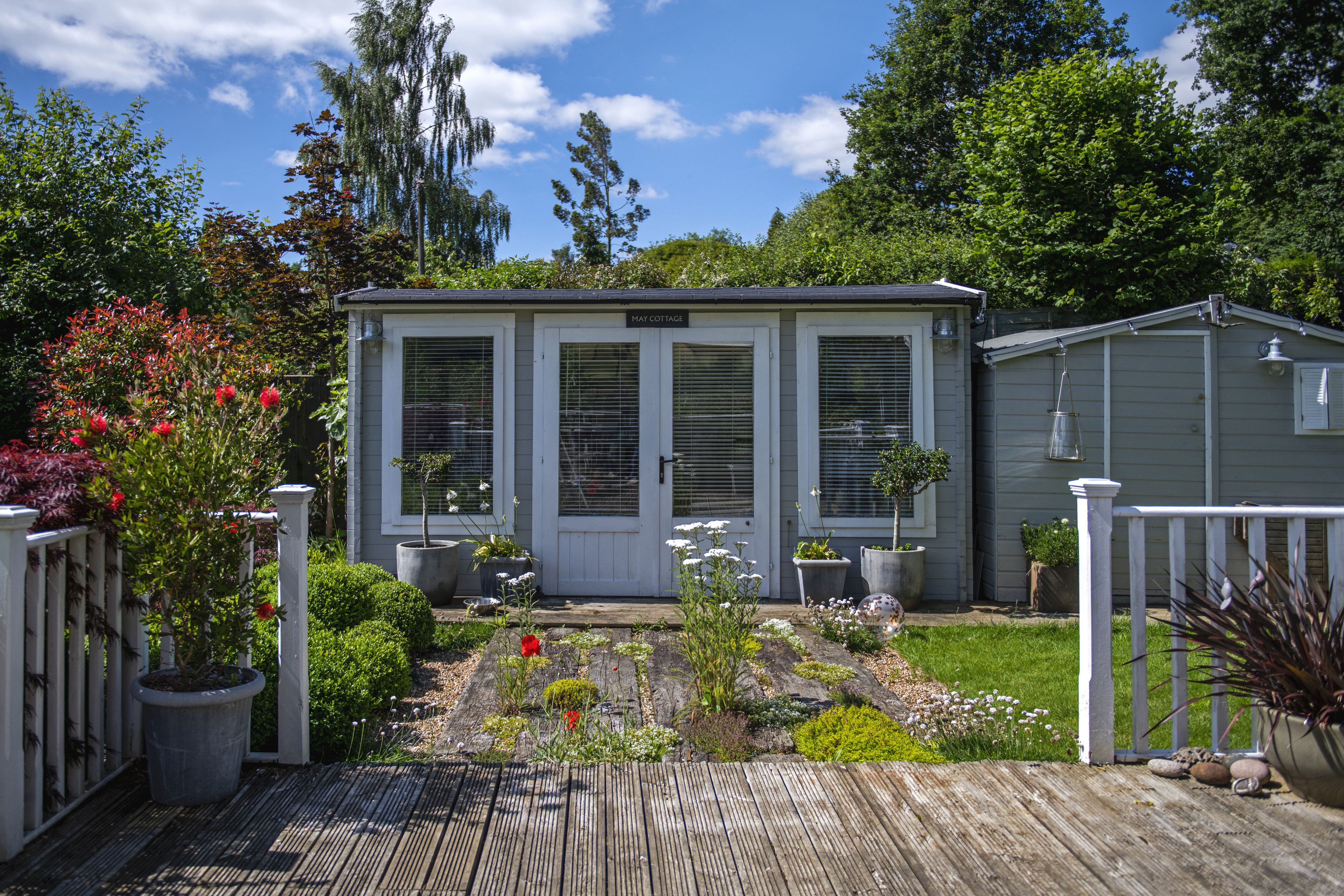
Even low decks can benefit from stylish railings to define garden areas. Consider the garden's style and theme to ensure the railings complement your design vision.
11. Full-Height Glass Railings
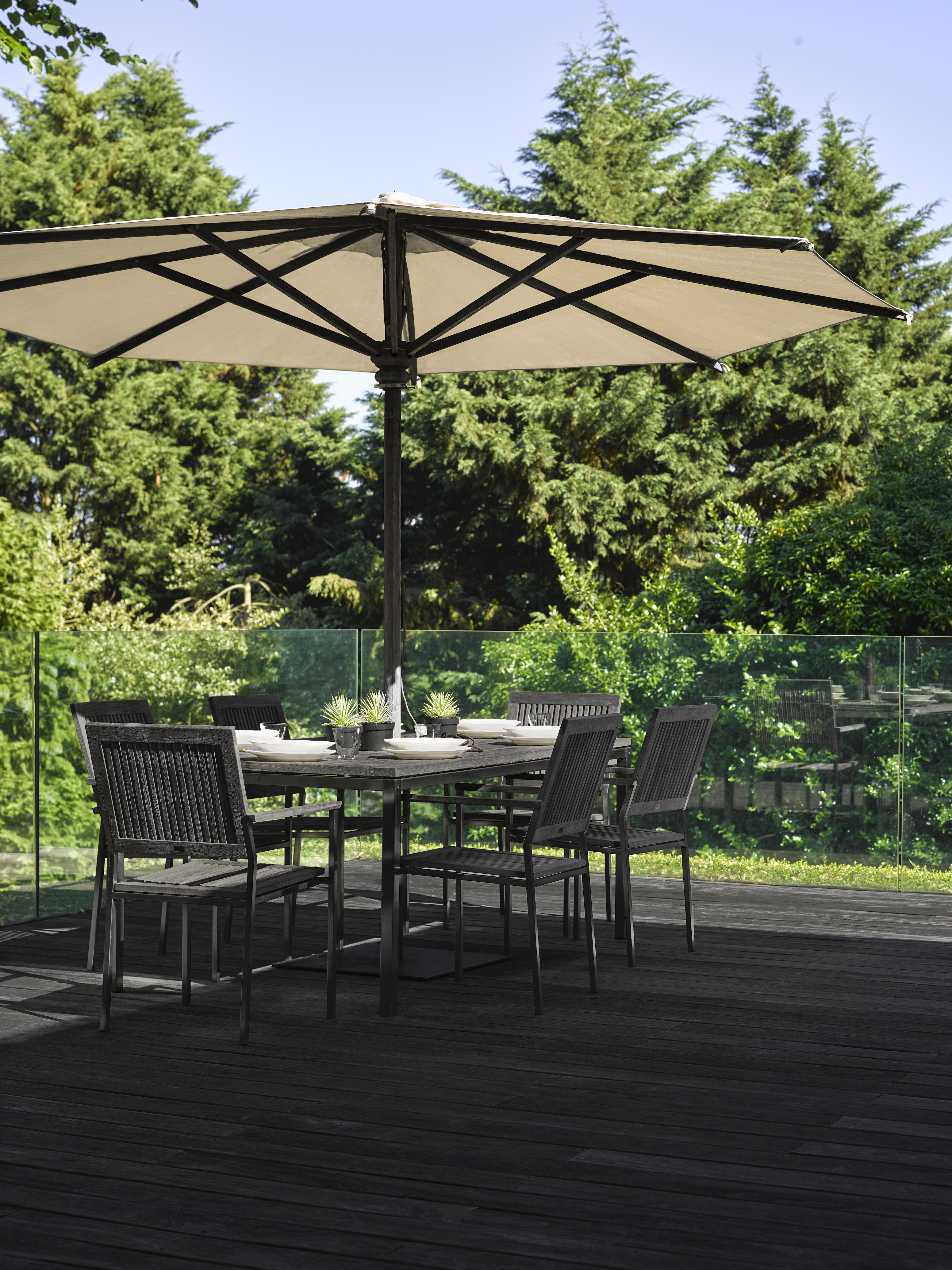
For low-level decks, full-height glass railings enhance openness while providing wind protection for seating areas. These tempered panels are safe but require regular cleaning.
12. Maximize Light with Glass

In shaded areas, glass railings can brighten your space. Frame them with materials that match your home to ensure architectural harmony.
13. Horizontal Railings

Try horizontal railings for a modern look. They can create interesting light patterns across the deck. Ensure compliance with local building codes if using cable railings.
14. Traditional Style Railings
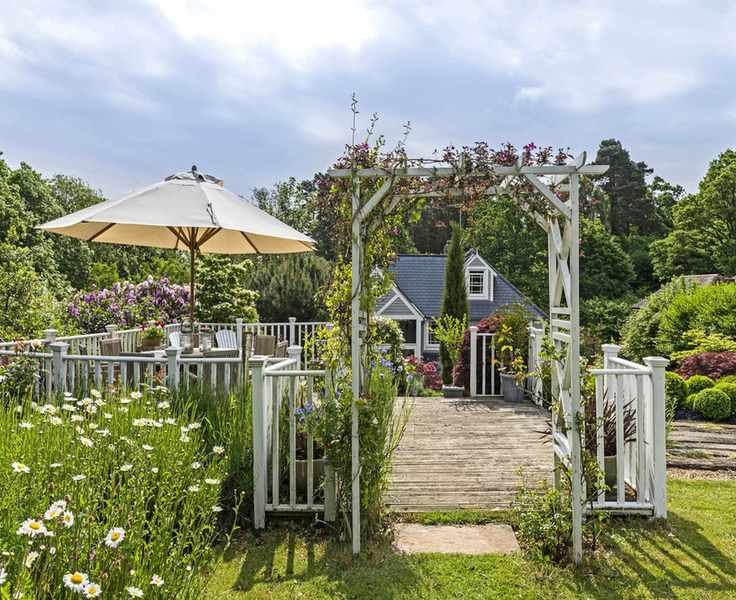
Picket-style railings can enhance a deck's visual appeal while linking the home and garden. Consider pairing with a matching pergola to create an inviting entrance.
15. Geometric Patterns

Incorporate a traditional crosshatch pattern to make your railings a focal point. Wood railings can be stained to match the deck but require maintenance to stay pristine.
16. Contemporary Designs
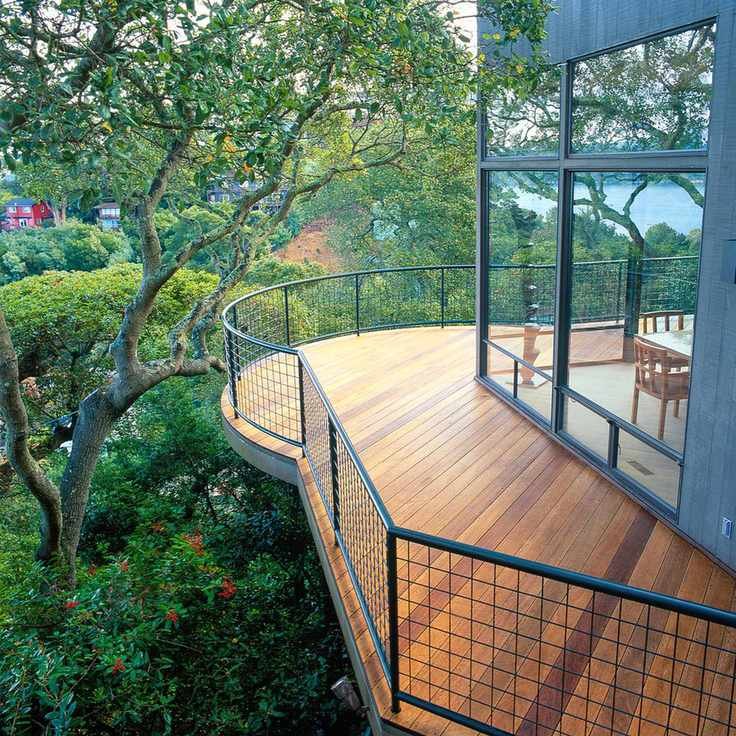
This clean, contemporary California home features custom powder-coated steel railings that blend with the surroundings while offering security and unobstructed views.
17. Cocktail Railings
A wide flat handrail can serve as a convenient surface for drinks, ideal for entertaining on a smaller deck without crowding it with extra furniture.
18. Curved Railings

Curved railings can add elegance to both large and small decks. Composite materials ensure durability and minimal maintenance, keeping their color without the need for painting.
What is the cheapest deck railing?
Wood is generally the most affordable material for deck railings, though prices vary by wood type. Other options, such as stainless steel, aluminum, or cable railings, usually fall in the mid-price range, while glass railings tend to be the most costly.
Keep in mind that while wood may be cheaper initially, it requires more upkeep compared to other materials, leading to higher long-term costs.
What is the best railing for a deck?
The ideal railing depends on your deck's needs, maintenance preferences, and budget. 'Form follows function; identify what the railings need to achieve,' advises a design expert. Consider strength and spacing if the railings need to guard a change in level.
Maintenance levels also vary; timber handrails age naturally, while stained finishes require more care. Metal railings can offer a modern aesthetic, with various finish options available. Rope can divide spaces visually but lacks structural integrity.
For minimal visual obstruction yet maximum wind protection, glass is an excellent choice, available with or without a handrail.
How far apart should deck railing posts be?
Deck railing posts (or balusters) should be spaced to prevent a 4-inch sphere from passing through (US) or a 100mm sphere (UK). Always verify local regulations.
Can I use 2x4 for deck railing?
Using 2x4 lumber for upper and lower rails is acceptable for DIY wooden railings. Always check local building codes to ensure compliance when designing and constructing your own railings.


