
Clutter can lead to stress and hinder our ability to find what we need. Tackling the possessions linked to your 'fantasy self' can be transformative. This process involves examining your emotional ties to items you don't truly use or need.
Many factors contribute to clutter, like impulsive purchases or feelings of obligation. However, a significant reason is our stubborn attachment to items we believe we will one day cherish, even if we never genuinely engage with them.
Your 'fantasy self' reflects an idealized version of yourself, shaped by dreams and societal expectations. Recognizing this part of you can be essential for maintaining a clutter-free home. Experts in organization and psychology share insights on how to utilize this understanding to declutter effectively.
Understanding Your 'Fantasy Self'

Shari B. Kaplan, a licensed psychotherapist, describes the fantasy self as an aspirational concept—an ideal image filled with traits and hobbies we believe will bring joy. This image often arises from societal pressures or unresolved aspirations.
For instance, I once bought a guitar, convinced I would learn to play. Years passed with the guitar untouched, representing a dream rather than reality. I eventually parted with it, realizing my fantasy self desired it more than my authentic self.
Identifying possessions tied to your fantasy self is simple; they resonate with your dreams and aspirations. Think of that dress you can't wear anymore or art supplies you plan to use someday. These items vary widely but often clutter your living space.
While your fantasy self can motivate growth, it can also create dissonance when your desires clash with reality, leading to clutter and dissatisfaction.
Challenges in Letting Go of Fantasy Self Items

Many struggle to part with items linked to their fantasy selves. Linda Samuels, a professional organizer, notes that letting go of such possessions can feel like losing a part of your identity. These items often symbolize past experiences or future aspirations that may feel difficult to relinquish.
Objects associated with your fantasy self can symbolize deeper emotional connections, such as fear of change or societal expectations. Letting go can feel like abandoning a dream, leading to a reluctance to declutter.
Strategies for Decluttering Your Fantasy Self Items
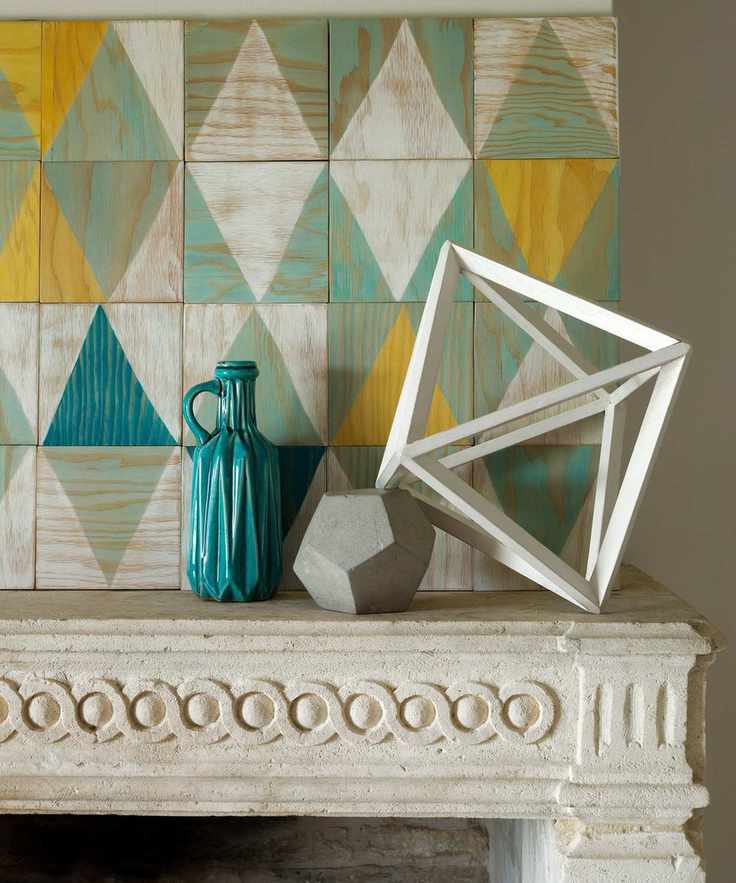
To begin decluttering, first shift your mindset to evaluate your attachment to each item. Consider why you're holding onto it and if it aligns with your true self.
Take, for example, a guitar you haven't played in ages. One person might cherish it, regularly maintaining it, while another lets it gather dust, holding onto it for a future they envision. This contrast highlights the difference between items that resonate with your authentic self and those that belong to your fantasy self.
Once you've identified these possessions, follow these steps from organization experts:
- Ask critical questions: Reflect on whether the item serves any purpose. Does it align with your current self? Would you purchase it again today?
- Differentiate practical from sentimental value: Keep items that hold genuine personal significance while letting go of those tied to outdated aspirations.
- Release with gratitude: Appreciate the role the item played in your life before donating or selling it. Start small to ease into the process.
- Set intentions for the future: Before acquiring new items, assess if they fit with your authentic self.
- Celebrate progress: Acknowledge your efforts and revisit the decluttering process regularly to maintain a space that reflects your true self.
Minimalists often avoid excessive storage solutions, which helps prevent clutter accumulation. Less storage means less temptation to hold onto unused items.
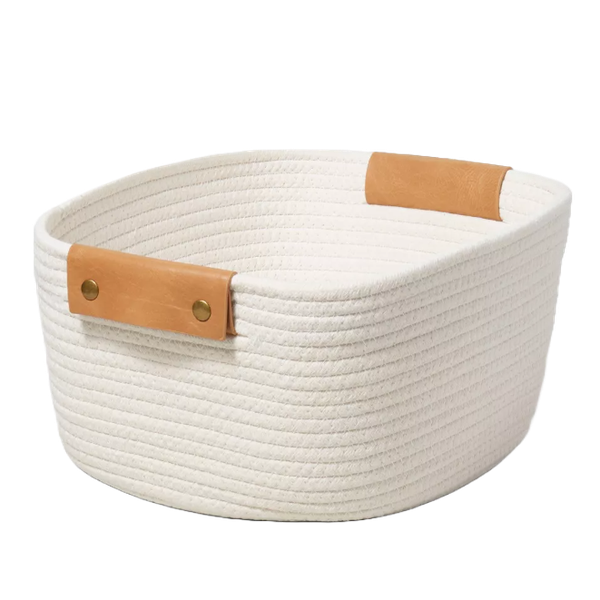 13 inch
These versatile coiled rope baskets are perfect for adding storage to any room.
Small wicker baskets from Bay Isle Home™ provide a natural touch, perfect for organizing your space temporarily.
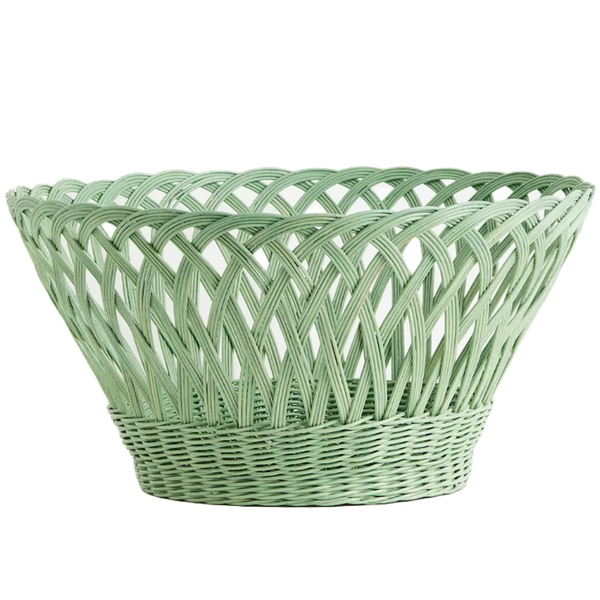 Spark joy with color
This large rattan basket adds a vibrant touch while enhancing storage space.
Advice for Those Struggling to Let Go

Letting go of items linked to your fantasy self can be challenging because it's about more than just the object; it's about the dreams attached to it.
Di Ter Avest, a professional organizer and author, points out that if you find it hard to part with these items, you might identify with one of three groups:
- Dreamers: Those who envision possibilities may find it tough to discard items tied to those dreams.
- Sentimental individuals: If every item feels meaningful, even fantasy items can be hard to release.
- Perfectionists: Letting go may feel like an admission of failure.
Here are some helpful tips for those struggling to let go:
- Start small: Choose an easy item to part with. Micro-decluttering can ease you into the process.
- Focus on the benefits: Consider how freeing it will be to have more space.
- Look to the future: Remember, you're not giving up; you're choosing to live your best life now.
Using the positive impact of donations as motivation can also help. Think about the joy these items might bring to someone else.
For particularly tough items, Linda advises taking photos to keep the memory alive without physically holding onto them. This way, you can cherish the memory while still making space for your authentic life.
For additional motivation, explore the Japanese concept of 'inyo-onyo', which emphasizes the calming effect of empty spaces in your home.