Understanding bra sizes can be tricky, especially with varying systems like UK and US sizing. The US uses single to quadruple letters for cup sizes, while the UK has its own definitions. Familiarizing yourself with these differences is vital to avoid mix-ups when buying bras. A size chart can clarify what you need in each system.
Accurate measurements are key to finding the right fit. Use a measuring tape to gauge both your ribcage (under bust) and the fullest part of your bust. Your bust size, which you find by measuring the highest point of your breasts, is crucial for selecting the right bra. The difference between your bust and under bust measurements helps determine your cup size. Subtract the under bust from the bust measurement to see your size on the brand's chart, or follow a detailed measuring guide for precision.
Many brands have diverse sizes, especially for DD+, but sizing conventions can vary. It's essential to understand each brand's specific sizing, as they may not align with standard charts. Some brands do not offer extensive size ranges, so for uncommon sizes, consider specialist brands. The concept of sister sizes, which are sizes with the same cup volume but different band and cup combinations, can also help. Adjusting by one cup size or changing the band size can improve your fit if your usual size isn't available.
Bra sizing can seem like a puzzle, particularly if you're new to cup and band sizes. With many sizes from C to DD to G, it's easy to feel overwhelmed. There's no universal G cup size, as it varies by brand and system. Knowing how cup size and band size work together is vital for finding a bra that fits and supports comfortably, especially for larger breasts. By grasping the basics of bra sizing, you can choose a bra that suits your body and provides adequate support.
Measuring Cup Size
Finding the right cup size begins with precise measurements. For this, you'll need a tape measure and a mirror. First, measure your under bust, which is right beneath your breasts where the band sits. You should fit two fingers comfortably under the band for snugness. Then, measure your over bust at the fullest part of your breasts. The difference between these two measurements determines your cup size. For instance, a 7-inch difference typically means a G cup, while an 8-inch difference may indicate a UK G cup, illustrating how cup size varies based on your measurements. Remember, sizing can differ across brands, so always consult the brand's sizing system before buying. Measuring is about finding comfort and support, not just numbers. When trying on, the bra should fit snugly on the loosest hook for adjustments over time.
G Cup Size: Fit, Style & Support Insights
Understanding your bra size is crucial, especially with a G cup. G cup breasts are often full busted, needing bras that prioritize comfort and support without sacrificing style. Many women find tailored advice on G cup support and fit particularly beneficial. For those with larger busts, the right fit is essential; choosing bras designed for larger breasts ensures proper support. G cup wearers frequently face fit challenges that require specially designed bras to provide necessary support.
Whether you're shopping for daily wear, activewear, or special occasions, smart shopping for G cups is vital. Many women with larger busts benefit from seeking the best fits to ensure comfort and support. Mainstream retailers may not carry extended sizes, so exploring specialist brands can expand your options. Trying new styles can also help you discover what suits your unique shape.
What Does a G Cup Bra Size Mean?
A G cup signifies a 9-inch difference between your bust measurement (at the fullest part) and your band size (around your ribcage). For example, if your under bust is 34 inches and your bust measures 43 inches, you likely wear a 34G. Nearby sizes like 36G share similar fit considerations. Be aware that the US and UK G cup sizes can differ, as the same letter may represent varying volumes. Always check size charts to ensure you are selecting the right fit.
Remember, cup sizes relate to band size, known as sister sizing. For instance, a 34G and a 36F are one cup apart. Double letters and alphabetical sizing (like E, F, FF) indicate these increments. The UK system often follows a progression like D, DD, E, F, FF, G, etc. A cup guide can clarify these differences, especially when navigating e, f, ff sizes.
G cup sizes aren't fixed and can vary across brands and systems. Your final size depends on accurate measurements and understanding the brand's sizing.
Understanding Bra Sizes
Bra sizes consist of two main components: band size and cup size. The band size measures around your ribcage, while the cup size is based on the difference between the under bust and over bust measurements. Remember, a G cup isn't absolute; it changes with band size. Wearing the wrong size, like a band that's too loose or a cup that's too small, can cause discomfort and fit issues like spillage or gaping. For example, both a 30G and a 38G are labeled G cups, but their actual cup volumes differ due to band size. This highlights why understanding the relationship between band and cup size is crucial for a proper fit. The DD-G segment is especially popular in luxury and specialized bras, but finding the right size can be challenging for fuller figures, such as 38G, needing extra support.
Cup Sizes and Body Type
Your body type significantly influences which cup sizes and styles work best for you. For larger breasts, like G or DD cups, seek bras with adjustable straps and larger bands for proper support. Conversely, a smaller bust may find a C or A cup more suitable. Breast shape also matters; some women may need different styles or shapes for optimal fit. Those with narrow breast roots might require bras with wider wires for comfort. Adjustable straps and wider bands can enhance fit. For instance, half cup bras provide lower coverage, ideal for certain shapes or those preferring a revealing look. By considering your breast shape, size, and preferences, you can find a bra that not only fits well but feels great daily.
Common Challenges for G Cup Wearers
- Limited Support in Standard Bras: Many off-the-rack bras stop at DD or DDD, leaving G cup wearers with few options that often compromise support.
- Straps That Dig In: Without wide, padded straps, the weight of larger cups strains shoulders, making effective load distribution essential.
- Underwire Issues: Poorly designed underwire can poke, dig, or sit incorrectly under the bust, causing discomfort instead of support.
- Spillage and Gaping: A wrong fit can lead to spillage or gaping, where the cup doesn't lie flat against the body.
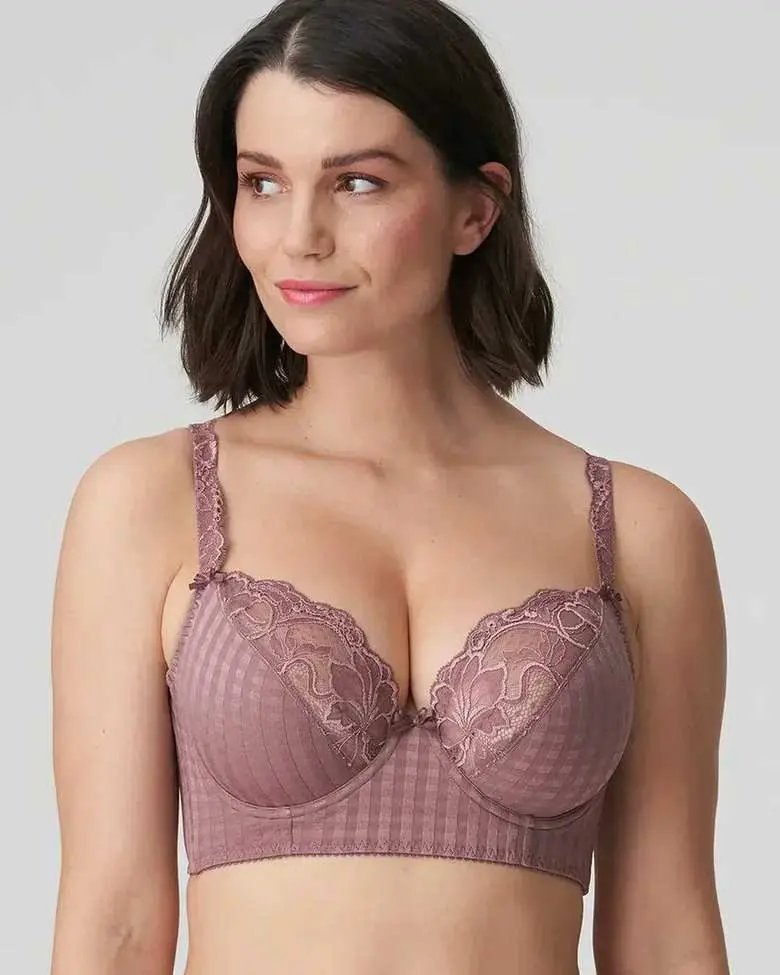
Best Bra Styles for G Cup Breasts
Here are styles that provide optimal support and shaping for G cup bras:
- Full Coverage Bras: Maximum support to eliminate spillage, perfect for all-day wear.
- Balconette Bras: Offer lift and shape without excessive coverage for a flattering silhouette.
- Minimizer Bras: Visually reduce bust size by redistributing tissue, ideal for button-up shirts.
- Underwire Sports Bras: Look for high-impact bras that prevent bounce and discomfort during activities.
- Wireless Bras for G Cups: Yes, these exist! Brands now offer wireless options with wide bands and structured cups to provide support.
- Plunge Bras: Perfect for low-cut dresses, enhancing cleavage while offering discreet support for special occasions.
For detailed advice on fit and styles, consult a G cup guide to find the best options for your needs.
When looking for G cup bras, consider specialist brands, as they provide a broader selection and more accurate sizing, tailored for larger cup sizes.
Tips for the Perfect Fit
Here are three tips for finding the best fit in G cup bras.
- Get Professionally Fitted: A fitting with a professional or using a reliable online calculator is a great starting point.
- Check the Band Fit: Ensure the band is snug and parallel to the ground. If it rides up, it's too loose.
- Adjust Straps Regularly: Straps should provide light lift but not bear all the weight. Adjust them frequently to maintain fit.
- Rotate Your Bras: Allowing bras to rest between wears extends their lifespan and keeps them in good shape.
Styling Tips for G Cup Breasts
- Layer Strategically: Structured blazers and fitted knits complement your shape without overwhelming.
- Choose Proper Necklines: V-necks, scoops, and square necks balance and flatter a fuller bust.
- Invest in Shapewear or Bodysuits: These create a smooth base without compressing your chest, enhancing confidence.
The Importance of Bra Sizing
Finding the right bra size goes beyond comfort; it impacts your daily life. A well-fitting bra supports breasts, alleviates back and shoulder pain, and boosts confidence. This is crucial for those with larger breasts, where the correct size can make all the difference. Whether shopping online or in-store, understanding sizing is key to finding the perfect fit for your body type. By learning about cup and band sizes, you'll choose bras that deliver the support, comfort, and style you deserve.
Bra Sizes and Band Size
Understanding how bra sizes and band sizes relate is essential for finding your ideal fit, especially for G cup bras. Every size consists of two parts: band size (the number, like 32 or 38) and cup size (the letter, such as G). Band size is measured snugly around your ribcage, while cup size depends on the difference between your bust measurement and band size. This difference translates into the cup letter, with a G cup indicating a specific volume of breast tissue.
Keep in mind that cup size isn't fixed; it varies with band size. A 30G and a 38G are both labeled G cups, but their volumes differ significantly. This highlights how two women wearing G cups may have different body shapes based on band size. A smaller band size with a G cup usually suits narrower frames, while a larger band with a G cup provides broader support.
To find your exact size, take two measurements: your under bust (for band size) and your bust at the fullest point (for cup size). Many find it helpful to use a bra size calculator or consult a professional fitter for accuracy, particularly when navigating brands and styles. Specialist lingerie labels offer various G cup bras, including full coverage, plunge, and minimizer bras tailored to your needs.
When trying on a new bra, note any fit issues. The band should feel snug without riding up. The cups should fully contain your breast tissue without spillage or gaping. Adjustable straps are vital for customizing fit and supporting larger breasts. The right fabric and construction can enhance comfort, so try different styles until you find your perfect bra.
Ultimately, the key to a well-fitting bra is understanding how band and cup sizes work together, considering your unique shape, and choosing bras that support your lifestyle. Whether you want a full coverage bra for everyday wear, a plunge bra for special occasions, or a minimizer for a sleek look, there's a perfect bra for every G cup wearer, including those with specific sizes like 36G breasts needing tailored guidance. By using size calculators, seeking professional advice, and focusing on fit details, you'll find a bra that looks and feels great.
Final Thoughts
Wearing a G cup doesn't mean sacrificing comfort, support, or style. With the right knowledge and bra selection, you can feel confident and ready for anything. Look for brands specializing in full bust sizing, pay attention to fit, and don't hesitate to explore beyond traditional designs.