
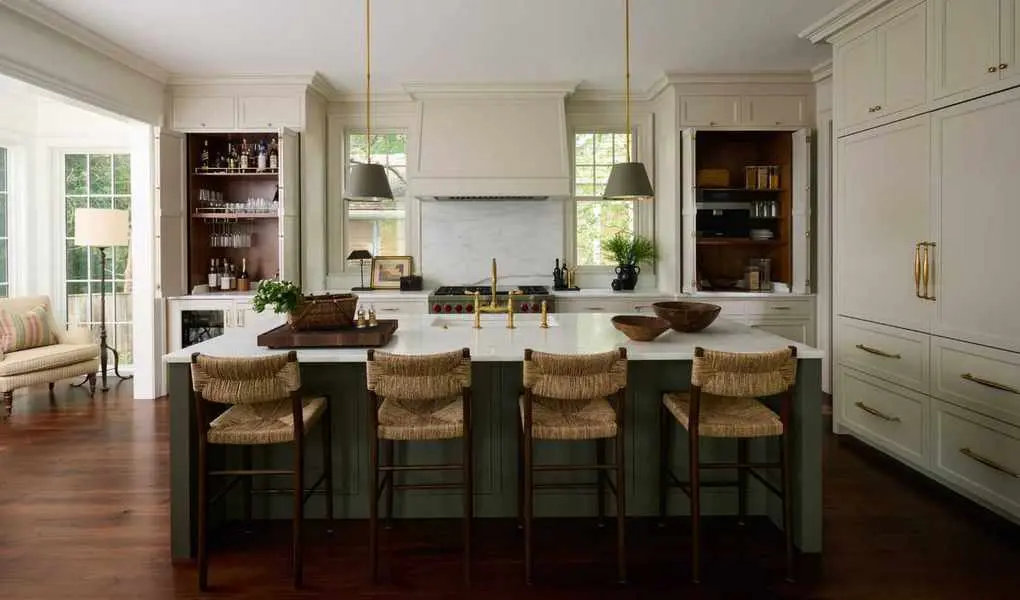
Kitchens have become the heart of the home, serving as spaces for gathering, cooking, and entertaining. This shift has led to a movement away from dull neutrals towards a vibrant palette of inviting shades.
Choosing kitchen colors is a significant long-term design decision. It's essential to balance current trends with classic appeal. To understand what colors resonate most, I consulted over 30 designers to uncover their top picks for 2026 and beyond.
Amidst various colors discussed, one hue consistently emerged as the standout choice—green. This nature-inspired shade is expected to dominate kitchen designs while maintaining a sense of timelessness.
The Preferred Color
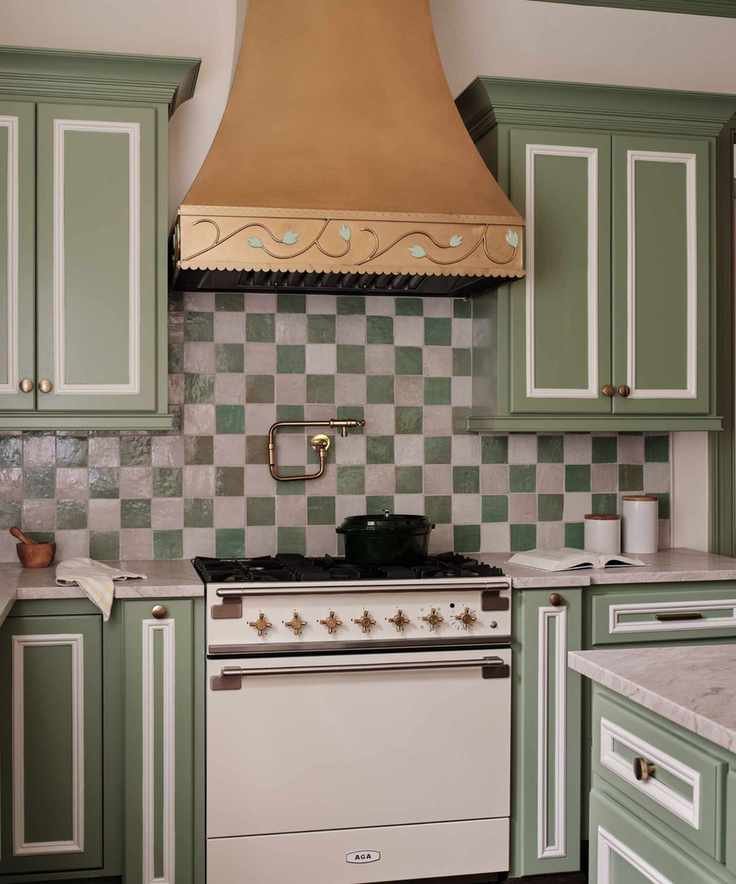
Farrow & Ball's Breakfast Room Green graces this kitchen, showcasing a refreshing green hue.
When I asked designers about their favorite kitchen color, green was their unanimous answer. Ranging from soft, neutral greens to deep, rich shades, this color is a favorite for its connection to nature.
But why are green kitchens gaining traction? Designers suggest that this calming hue serves as a counterpoint to the sterile all-white kitchens of the past, offering a sense of warmth and livability while striking a balance between color and neutral tones.
Why Green Is Trending in 2026
Green is universally appreciated, fitting seamlessly into both traditional and modern kitchens. Here's why designers are leaning towards this color in their kitchen projects.
Moving Away From Minimalism
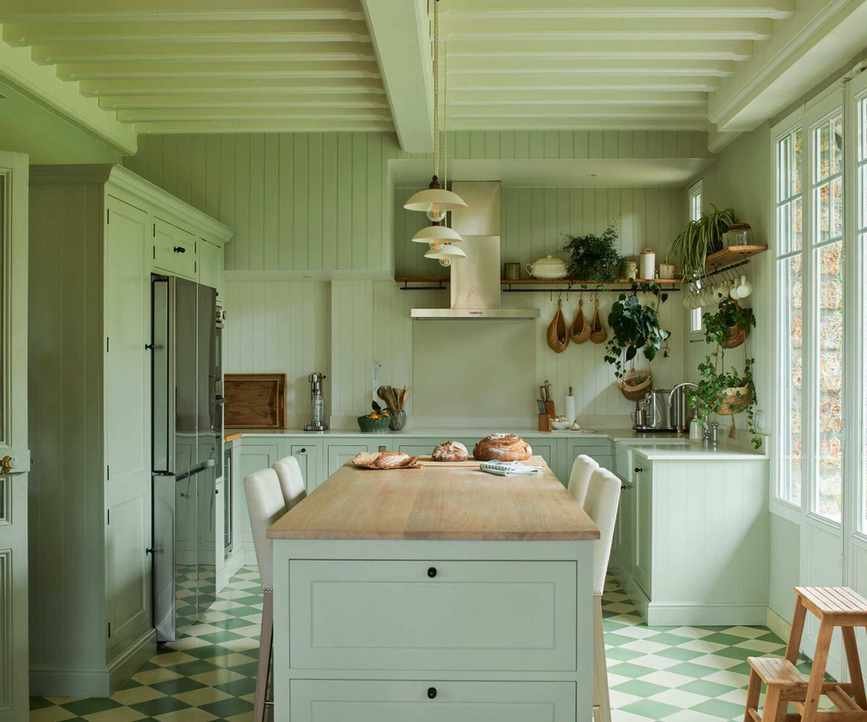
Bright, joyful colors are replacing the previously favored all-white kitchens.
Many designers cite a growing fatigue with stark white kitchens that lack warmth. 'Green provides the warmth, character, and permanence many all-white kitchens miss,' says designer Christopher Boutlier.
'The focus on bright, polished finishes in kitchens led to a somewhat sterile environment,' he adds. 'Green revitalizes these spaces.'
Many now favor relaxed, warm aesthetics over overly perfected kitchens. 'People are tired of uniformity and are seeking color and individuality. Green makes a bold statement, while light neutrals play it safe,' notes designer Ashton Taylor.
Creating a Calm Environment
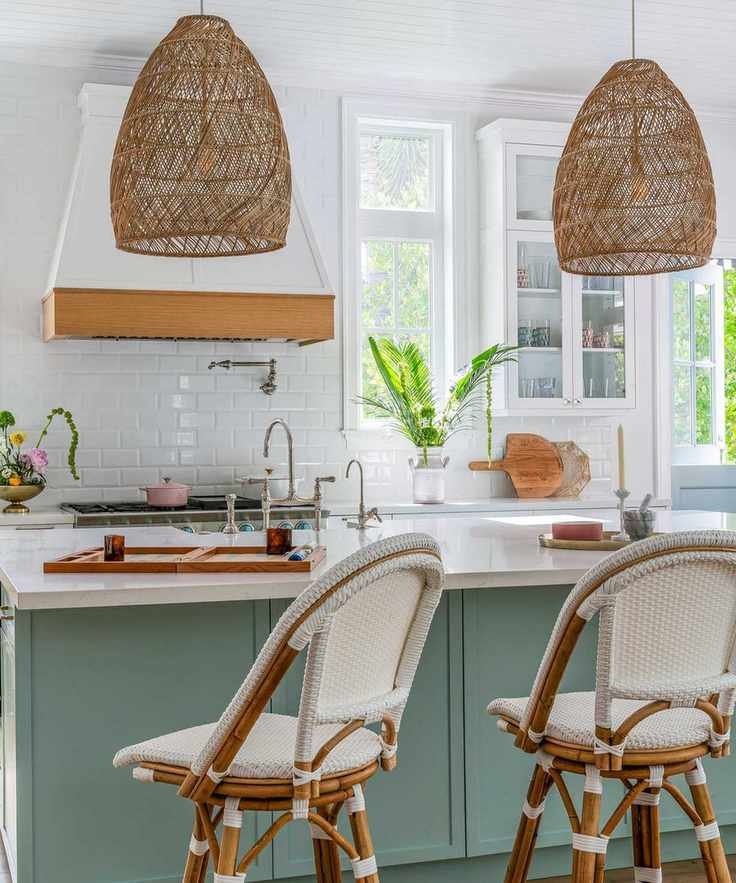
This island features Benjamin Moore's Etched Glass, complemented by white walls and tiles.
Color psychology indicates that green promotes tranquility, closely linked to nature. In our digitally overwhelmed lives, integrating this color into interiors creates spaces of balance and restoration. 'Nature alleviates stress; bringing it indoors cultivates calm,' says designer Laura Jenkins.
'Green resonates as a grounding color,' add designers Elizabeth Bennett and Mallory Robins from Kobel + Co.. 'As kitchens become central to our daily lives, there's a desire for serenity and a connection to nature.'
Gabrielle Bove from Opaline Interiors Studio emphasizes that people crave warmth and sanctuary in their homes, which green can help establish: 'It embodies refuge and coziness in contrast to busy lifestyles.'
Transforming Kitchens Into Living Spaces
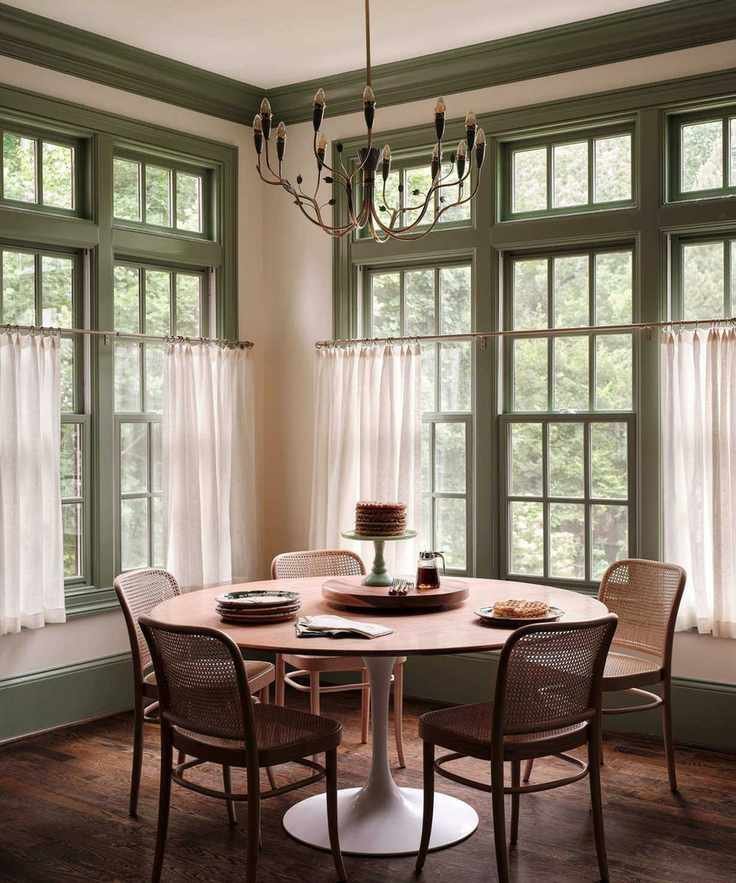
Today's kitchens are designed to be inviting and cozy, not just functional.
The design landscape is evolving, transforming utilitarian kitchens into warm, lived-in areas filled with character.
'Kitchens now serve as genuine living spaces,' asserts designer Lauren Lichko. 'Color, particularly green, adds depth and personality in ways neutrals cannot. It enhances dimension without overwhelming.'
Green is often the go-to choice for creating inviting kitchens that feel both functional and natural. 'Green introduces subtlety, warmth, and color without chaos,' say Bennett and Robins. 'It links beautifully with materials like wood, stone, and brass, crafting a layered and intentional look.'
Bove adds, 'We're seeing an emphasis on furnished kitchens: cozy banquettes, café seating, and display hutches. Richer color schemes enhance personalization.'
Versatility and Timeless Appeal of Green
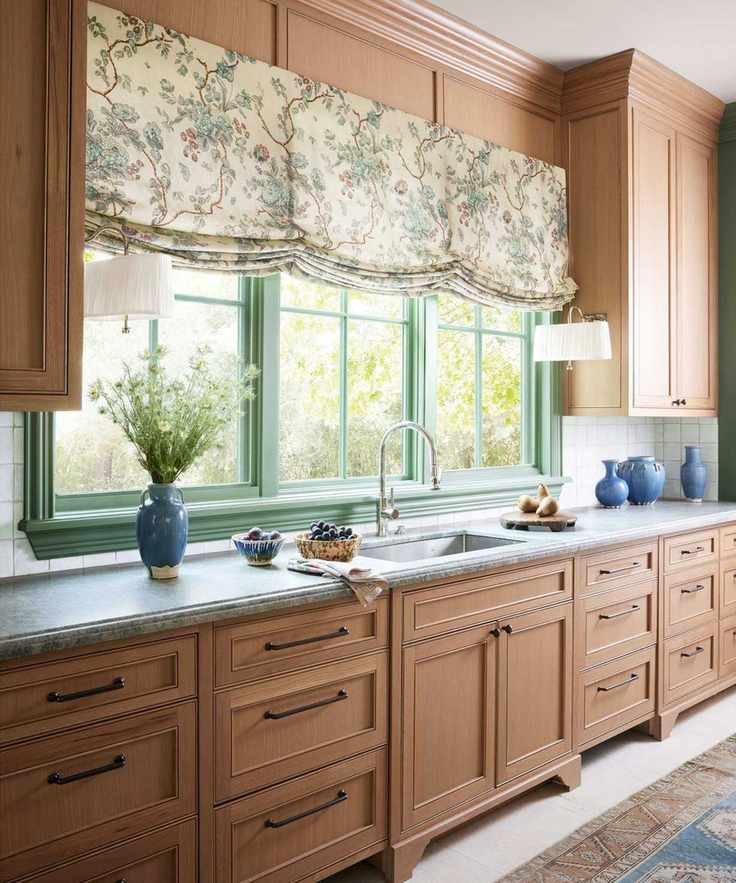
Farrow & Ball's Calke Green brings vibrancy to this wooden kitchen.
Designers are gravitating toward cozy, personalized spaces, moving away from stark minimalism. Green emerges as a safe choice, blending well with various styles and offering a livable alternative to bolder colors like burgundy or yellow.
'Green's versatility fuels its popularity,' says Kristina Khersonsky of STUDIO KEETA. 'It manages to be both fresh and grounding.'
This hue adapts effortlessly to different aesthetics, from Victorian to contemporary. 'Green can be adjusted to suit various styles,' notes Laura Jenkins.
Designer Insights on Green Kitchens for 2026
While vivid greens have gained traction, designers are focusing on softer, earthy variations.
'We're particularly drawn to muted, complex greens,' say Bennett and Robins. 'Hues like sage provide a subtle backdrop that feels relaxed and tailored, reflecting light beautifully without overwhelming the space.'
'Soft greens are the most relevant,' agrees Dallas-based designer Lauren Saab. 'Tones with gray or olive undertones feel elevated, creating a calm atmosphere in kitchens used daily.'
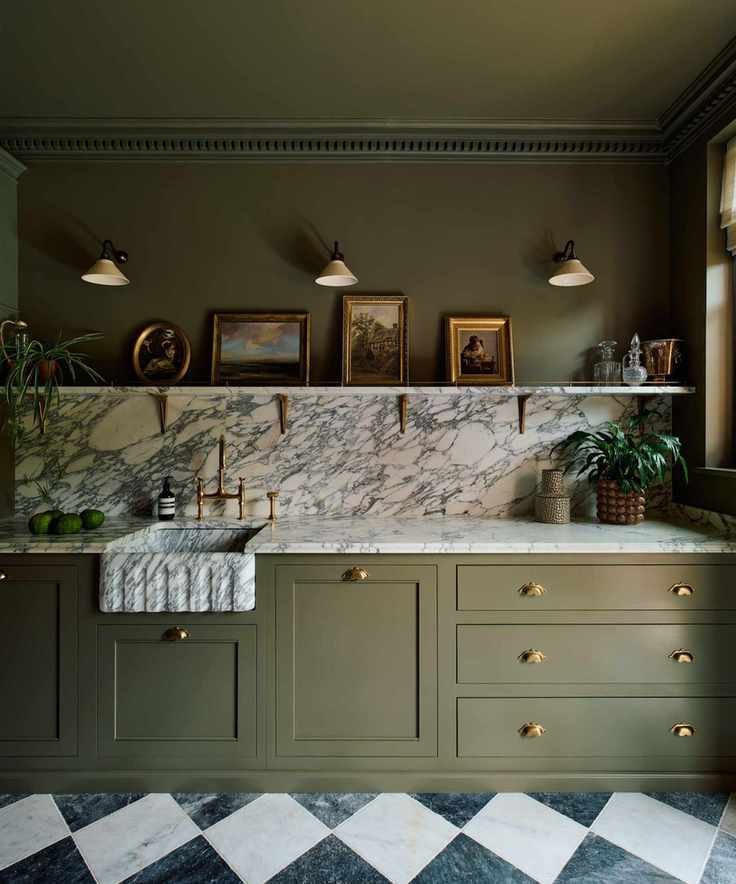
Shades of green for 2026 range from soft tones to deep olive variations.
While softer greens dominate current preferences, darker variants are also appealing. 'I lean toward olive, moss, and smoky greens over brighter shades,' shares Christopher Boutlier. 'Benjamin Moore's Rooftop Garden offers depth without heaviness, resembling natural materials rather than bold colors. These deeper tones create a calm, architectural feel in kitchens.'
Some designers prefer brighter greens. 'We've crafted many moody kitchens but recently, I'm drawn to lighter greens,' says Laura Jenkins. 'These hues let natural light through, brightening the space—perhaps a shift toward 'happier' colors in today's heavy atmosphere.'

The balance of pale green and dark wood tones is striking in this kitchen.
When designing with green, natural materials work well. 'Green complements wood beautifully, regardless of the wood's tone,' advises Kristina Khersonsky.
'I love layering green, both light and dark, with blue, yellow, pink, and white,' says Meg Lonergan. 'It pairs well with nearly everything, embodying nature's essence.'
Brass fixtures are ideal for green kitchens, complementing the color and enhancing its inviting atmosphere.
Close Competitors
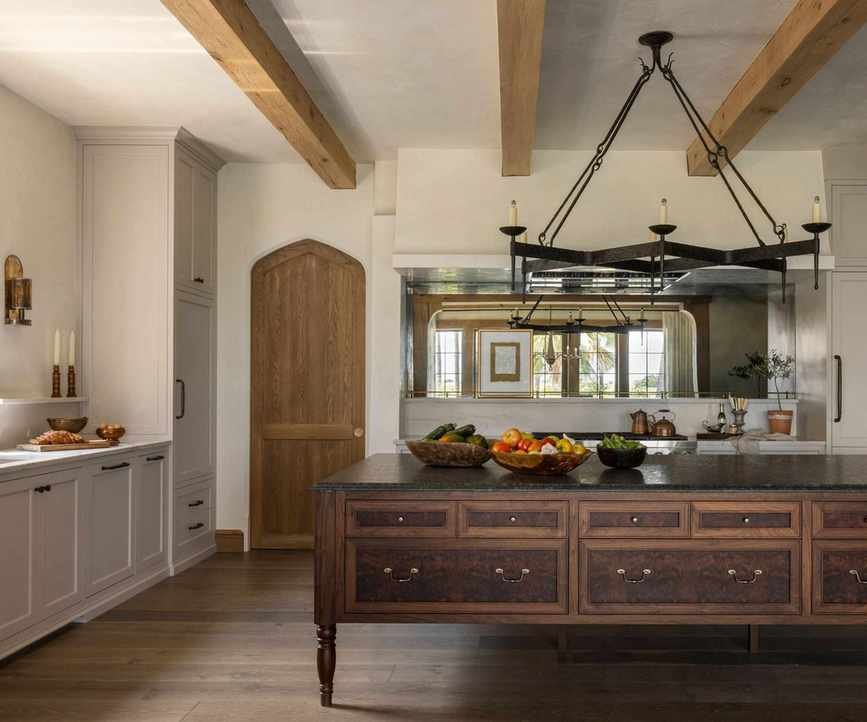
Warm neutrals like Benjamin Moore's Soft Chamois, favored by designer Marie Flanigan, offer a stylish alternative for 2026.
Although green is the leading kitchen color trend among surveyed designers, warm neutrals are noteworthy contenders. Many are opting for updated warm neutrals instead of stark whites.
'We appreciate Farrow & Ball's Shaded White for its rich quality,' explains designer Ali Henrie. 'It provides a timeless foundation that seamlessly integrates with various kitchen styles.'
Along with soft, warm neutrals, many designers are incorporating walnut to elevate these palettes. 'I believe walnut will be the next 'it' color,' says designer Theresa Ory. 'Its warmth and richness are highly sought after.'
Creative Ways to Incorporate Green in Kitchens
From cabinetry to wall paint, there are numerous stylish ways to integrate this trending hue into your kitchen. Below are some of our top suggestions that feel innovative and sophisticated.
Combine Light Green with Bold Colors for a Fun Twist
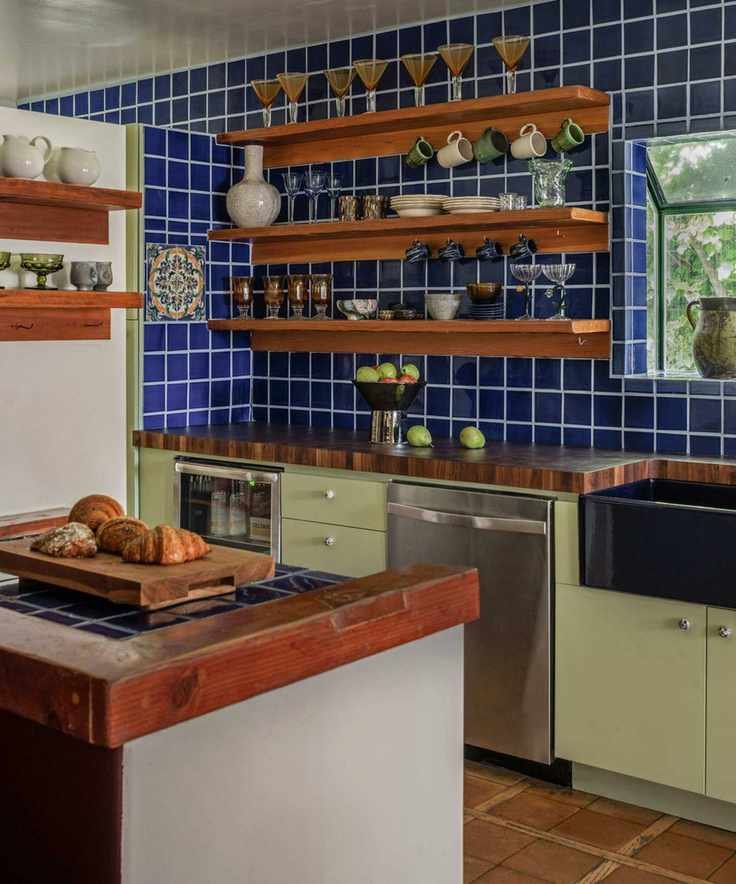
Backdrop's Natural Habitat was utilized for the kitchen cabinets in this design.
Using light green shades alongside vibrant accents can create an exciting and stylish aesthetic, as showcased in this kitchen with blue wall tiles. 'I enjoy applying greens in unexpected ways—whether as a stain on textured wood or pairing it with striking colors like electric blue,' says Kristina Khersonsky.
Pair Warm Neutrals with Green for Timeless Appeal
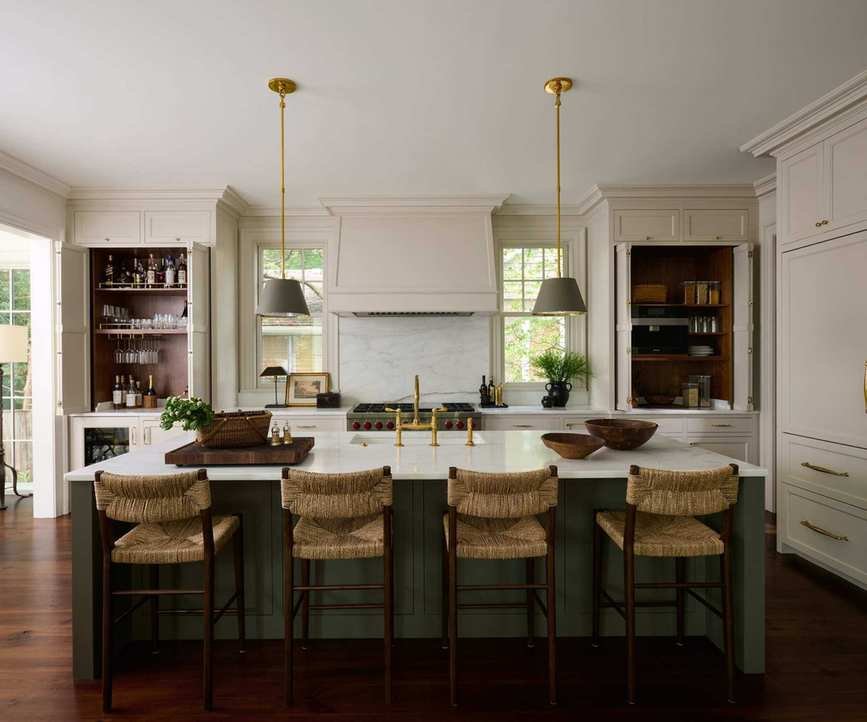
Benjamin Moore's Rooftop Garden enhances this neutral kitchen's depth and warmth.
For a classic and neutral look, consider an earthy green for lower cabinets or an island, paired with warm neutral upper cabinets and walls. 'I usually choose unlacquered brass or aged bronze, as they gain character over time and prevent a sterile feel in the room,' suggests Christopher Boutlier. 'Accent colors like deep oxblood and muted blue work beautifully in textiles or nearby spaces.'
Combine Green Cabinets with Marble for an Elegant Finish
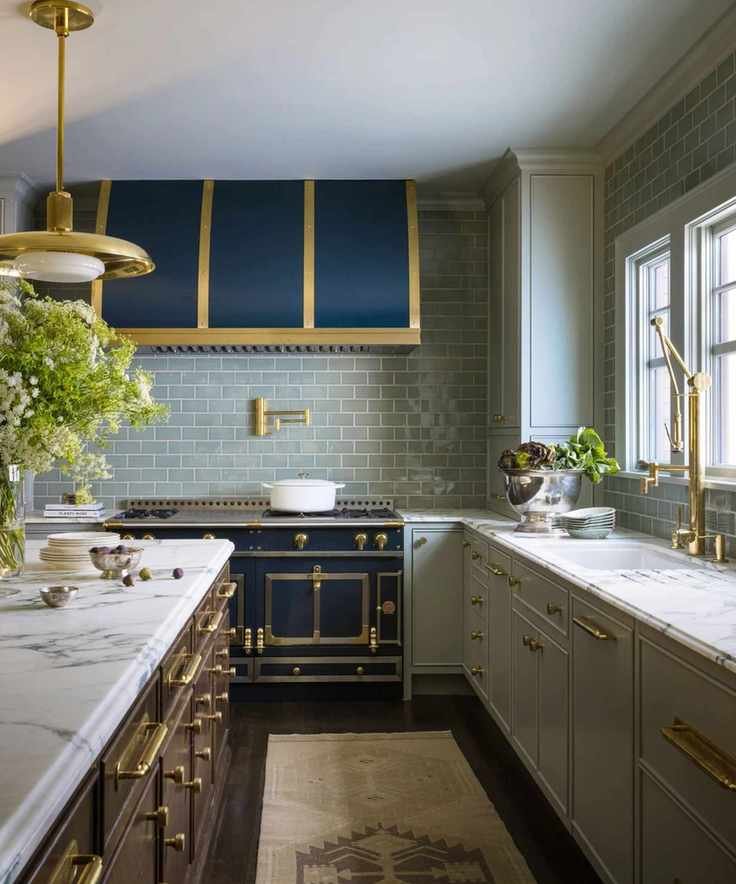
Backdrop's Road to Todos Santos, a soft green shade, was applied to the cabinets here.
In this kitchen, marble countertops lend sophistication and elegance. 'Soft sage tones from the Calacatta Monet marble were used, creating a neutral base that softens the kitchen's hard surfaces. These gentle greens bring ease that homeowners desire today.'
There's no doubt that green kitchens are set to be influential this year. Designers are increasingly favoring this hue, whether in soft sage tones or deeper olive shades. Green's grounding, nature-inspired quality lends timelessness. By harmonizing this color with your kitchen's existing elements, including wood and marble, you'll achieve a look that feels confidently timeless.



