
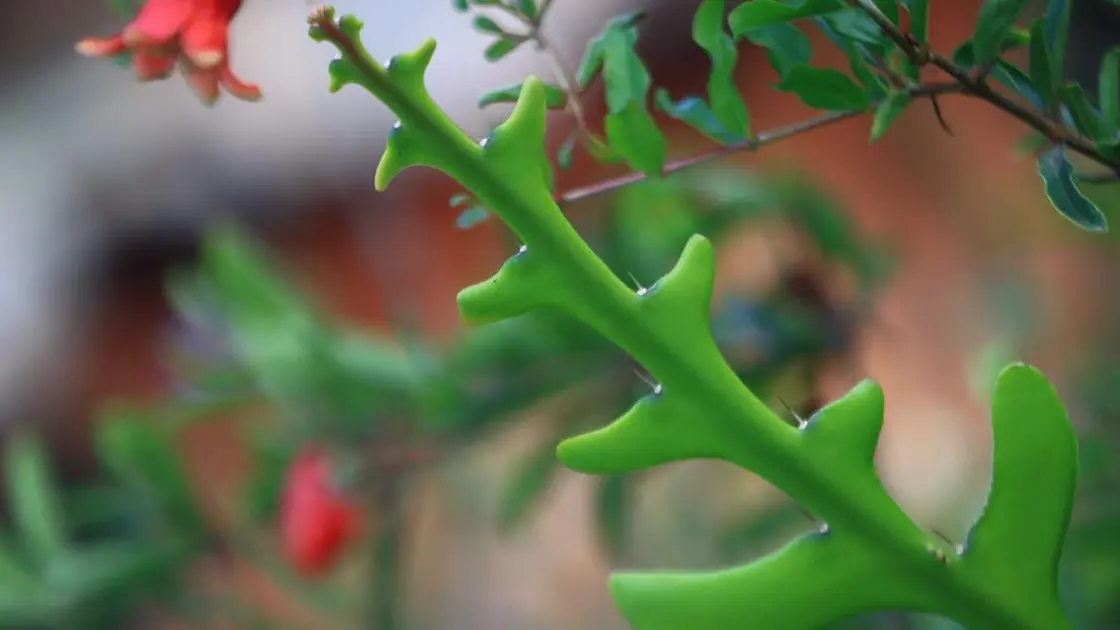
Among houseplants, few are as distinctive as the fishbone cactus (Disocactus anguliger). Also called the zigzag or ric rac cactus, this plant is unlike typical prickly species; it features no spines.
Instead, it showcases shiny green stems that develop into wavy nodes, ultimately forming a charming zigzag shape.
Originating from Mexico, this playful, pet-friendly cactus thrives in humid environments, prefers indirect sunlight, and requires well-draining soil. You can find a live fishbone cactus at Walmart or a hanging basket option from Home Depot. For care tips, our houseplant expert is here to help.
5 Essential Tips for Caring for Your Fishbone Cactus
According to our gardening expert, this cactus is a fantastic addition to any plant collection. Although it’s a cactus, it resembles a succulent due to its soft, fleshy leaves.
While the fishbone cactus is generally easy to care for, it does need regular watering, humidity, and a sunny spot. Here’s the best advice on nurturing this unique plant.

Our expert has extensive experience in plant care and offers insights on various houseplants and gardening projects.
1. Choose the Right Soil

An interesting fact about the fishbone cactus is its classification as an epiphyte, meaning it grows on other plants.
“Typically, the fishbone cactus thrives on tree bark,” our expert explains. “Choosing the right soil mix is crucial for its success.”
A light, airy mix is ideal—consider succulent and cactus soil from Amazon with added perlite (such as Miracle-Gro perlite at Walmart).
“Avoid dense potting mixes, and consider using orchid bark as well,” she adds. Organic orchid bark is widely available on Amazon.
2. Ensure Bright, Indirect Light

Although it comes from sunny Mexico, the fishbone cactus thrives in bright but filtered light.
Replicating these conditions can be straightforward; the most important aspect is indirect light.
“Select a bright spot, but keep it out of harsh afternoon sun to prevent leaf scorch,” she warns.
3. Maintain High Humidity

Like many houseplants, the fishbone cactus enjoys humidity and needs ample moisture in the air.
“Placing it in the bathroom is ideal, as it can benefit from shower steam,” she advises. “Alternatively, consider a pebble humidity tray; this method often works better than a plant mister.”
Find a colorful humidifier tray on Etsy or a simple pebble tray from Amazon.
4. Monitor Moisture Levels

Knowing how to properly water a cactus can be challenging, but it’s all about careful moisture monitoring. Consider using a soil moisture meter from Walmart for assistance.
“When watering, treat it like other cacti that store water in their stems,” she notes. “Let the soil dry out almost completely, but don’t let it remain dry for too long.”
While the fishbone cactus is relatively low-maintenance, it might need a little more care than expected.
“Being a rainforest cactus, it prefers slightly more water than desert varieties,” she explains. “Avoid soggy conditions to prevent root rot and mushy stems.”
5. Clean Regularly

Soil, humidity, and moisture are crucial, but don’t overlook cleaning your plant.
While you won’t need to clean the fishbone cactus as often as watering it, this task significantly impacts its health.
“Wiping leaves is essential for managing pests and diseases,” she states. “Dust can accumulate on the smooth leaves, blocking pores and affecting photosynthesis.”
Simply use a soft microfiber cloth from Walmart or try cleaning gloves available on Amazon.
Interested in more cactus care tips? Explore our guide on succulent care or check out our recommendations for the best flowering cacti.



