

Knowing your bra size is crucial for comfort and support. A bra size consists of two parts: the band size and the cup size. The band size, like 32 or 34, is measured in inches around your ribcage just beneath your bust. This measurement is vital for providing the necessary support throughout the day.
The cup size, designated by letters such as A, B, C, D, or DD, reflects the difference between your bust measurement (the fullest part of your chest) and your band size. For instance, if your underbust measures 32 inches and your bust measures 37 inches, you have a 5-inch difference, indicating a DD cup size. Therefore, a 32DD bra combines a 32-inch band with a DD cup, representing this 5-inch difference.
Correct measurements are key to finding the right bra size. A properly fitted bra enhances your shape and offers the support you need. Everyone's body is different, so accurately measuring your underbust and bust helps you find the size that fits your body and lifestyle best.
Understanding 32DD: What It Means
If you're a 32DD, you've likely faced skepticism and mismatched bras. Despite some misconceptions, 32DD is a common size, making it essential in the lingerie market. Let’s clarify:
- The “32” indicates your ribcage band size, measured just below your bust. It's critical for providing proper support.
- The “DD” signifies your cup size, which shows how much larger your bust is compared to your band size.
It's important to note that cup size varies; a DD cup on a 32 band has less volume than a DD on a 36 band. For example, a 32DD has similar cup volume to a 36C, highlighting how cup labels can be misleading. Thus, a 32DD is equivalent in volume to a 34D or a 36C. Understanding sister sizes is vital for the best fit. For a deeper look into this size, check out what a 32DD bra size truly means and how to find the best fit and support for 32DD. Accurate measurements are crucial, as even slight differences can impact fit.
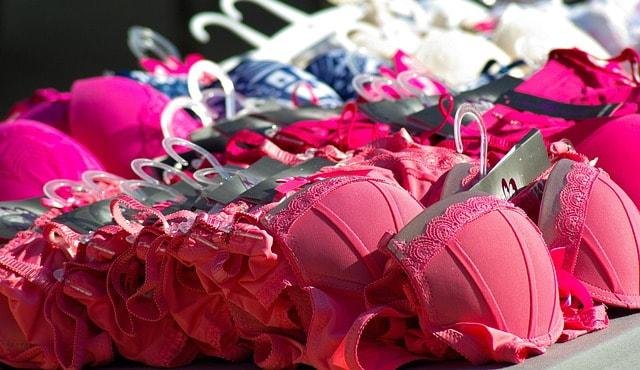
For many women, the average bra size is around 34C or 36C, but many are wearing incorrect sizes due to improper measurements or confusion over sizing. Related sizes like 32C breast size and 36C bra size show how band length and proportions can change the fit. Sister sizes share the same cup volume but differ in band size, making this knowledge vital for both consumers and manufacturers.
When comparing a 32DD to a 34D, the 32DD will be slightly smaller in the bust and tighter in the band, while the 34D may not appear bigger in cup volume. This same principle applies when looking at a 32DD versus 36C. A well-fitted bra should feel comfortable and supportive, with the wires sitting flat against your chest.
Dispelling the Myth: “DD” Isn’t Always “Huge”
Many wearing a 32DD are often surprised by the label, as mainstream sizing frequently pushes them into sizes like 34B or 36C, which may feel familiar but offer inadequate support.
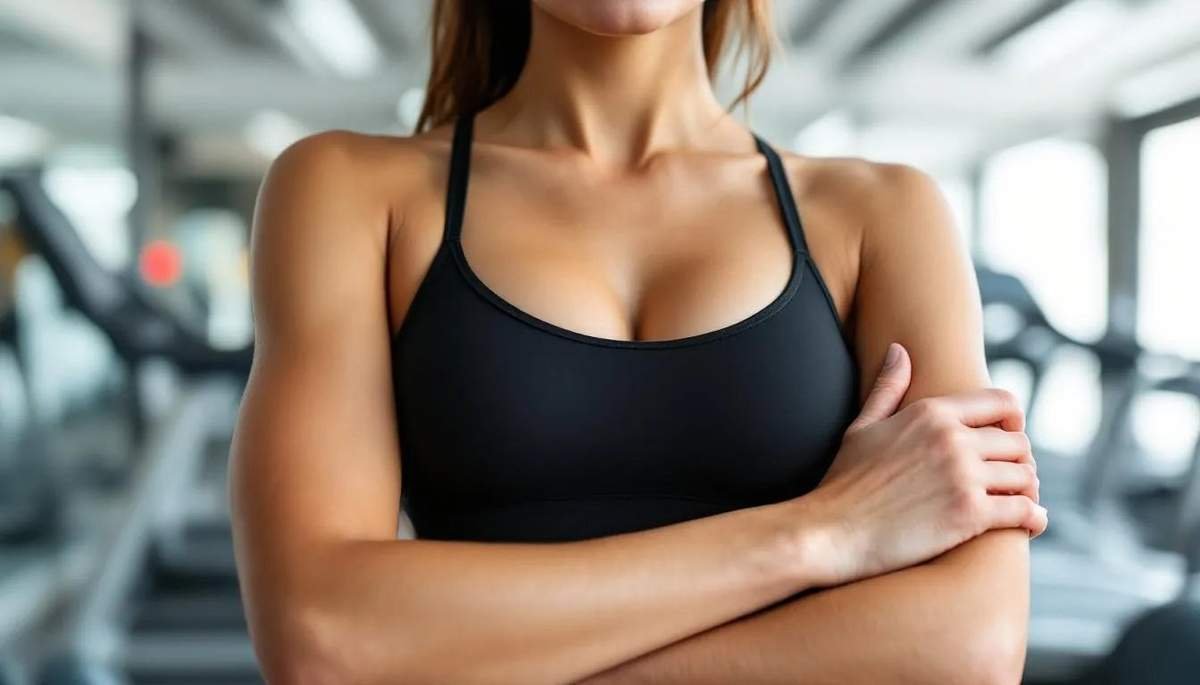
The term ‘boob’ is frequently used informally to describe size, but it doesn’t always reflect actual fit needs. A 32DD may not be larger than other sizes; how it appears can vary based on individual proportions. Visual comparisons of women in 32DD can help debunk myths surrounding this size.
Prioritizing Band Size
When seeking the ideal bra, many focus on cup size, but comfort primarily hinges on the band size. The band, measured snugly around your ribcage, is what keeps everything secure and ensures proper support. A well-fitting band and cup size together create the desired fit.
If a bra feels uncomfortable or digs into your skin, the size is likely wrong. A 32DD isn’t just about the DD cup; it’s how that cup volume aligns with the 32 band. Understanding 32DD breasts, fit, and style can be beneficial. Opting for a cup size that's too big won’t compensate for a lack of support.
Conversely, a band that's too tight can cause discomfort and skin marks. Brands like Panache offer a variety of sister sizes, facilitating easier fits for women.
Grasping sister sizes can be transformative. Sister sizes, such as 32DD and 34D, share the same cup volume but differ in band size, allowing for flexibility in fit.
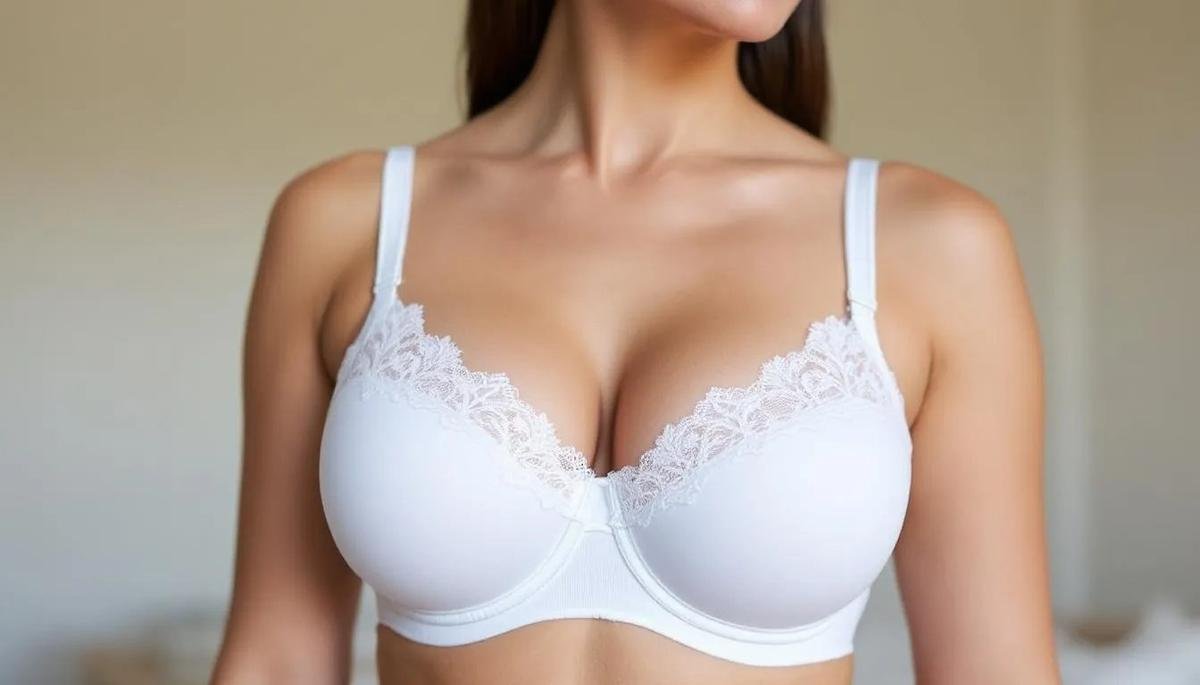
It’s estimated that up to 80% of women wear the wrong bra size, often due to confusion over sizing. Remember, cup size relates to band size; a D cup on a 32 band differs significantly from a D cup on a 38 band, even if labeled the same.
Women with larger breasts may consider breast reduction surgery, but this is a significant decision that should involve consultation with a medical professional. Women in sizes like 36I bras often benefit from expert fittings and carefully selected styles before considering surgical options.
The best way to ensure you’re wearing the right size is to be measured by a professional bra fitter. Whether you’re flat-chested or have a fuller bust, a fitter will help determine the appropriate band and cup size for your body. Women with fuller busts often need bras with structured designs and wider bands for optimal support. Wearing the correct bra size can significantly enhance your daily comfort and boost your confidence.
Measuring for Success
To find the right bra size, accurate measurements are critical. Understanding your body shape and bust measurements helps avoid the common pitfall of choosing the wrong size.
Begin by measuring your underbust for the band size. Wrap a soft tape measure snugly around your ribcage, just beneath your breasts, ensuring it’s level. This measurement, in inches, gives you your band size. Next, measure around the fullest part of your bust. The difference between these measurements indicates your cup size. If your underbust is 32 inches and your bust is 37 inches, that 5-inch difference corresponds to a DD cup size.
If uncertain, a bra size calculator can help verify your numbers. Keep in mind that each woman’s body is unique, and different brands may fit differently, even if labeled the same size. Features like adjustable straps, wireless bras, and underwire styles can all affect fit. Choose bras that support your natural shape and provide a smooth silhouette under clothing.
Don’t overlook sister sizes, which offer the same cup volume with different band sizes. If a 32DD feels tight, consider a 34D for a looser fit while maintaining cup volume, or check nearby options like 32D to see how small changes impact comfort. This flexibility is key when searching for your perfect bra, especially if you have a fuller bust.
Wearing the wrong size can lead to discomfort and poor posture. A well-fitted bra supports and lifts your breasts, creating a flattering shape and positively impacting your day. Don’t guess your size; measure accurately, experiment with different combinations, and focus on what feels right for your body.
Whether you're looking for an everyday bra or something special, knowing your size is essential for comfort and confidence. With precise measurements and a focus on your unique needs, you’ll find the perfect fit to support your bust and enhance your shape.
Choosing the Best Styles for a 32DD
Wearing the right bra size enhances posture and confidence. A proper fit means the bra comfortably conforms to your body shape. Here’s what to consider:
Finding the right bra size is vital for comfort, especially for a 32DD.
- Sturdy Band: The band should lay flat against your ribcage, providing 80–90% of the support. If it rides up, it's too loose.
- Encapsulated Cups:A 32DD bra should encompass your breasts without overflow or gaps.
- Adjustable Straps: Straps should remain in place, offering support without digging into your skin.
- Underwire Position: The wire should sit comfortably around the breast tissue, not on it.
- Center Gore Fit: The center gore should rest evenly against the sternum for proper separation.
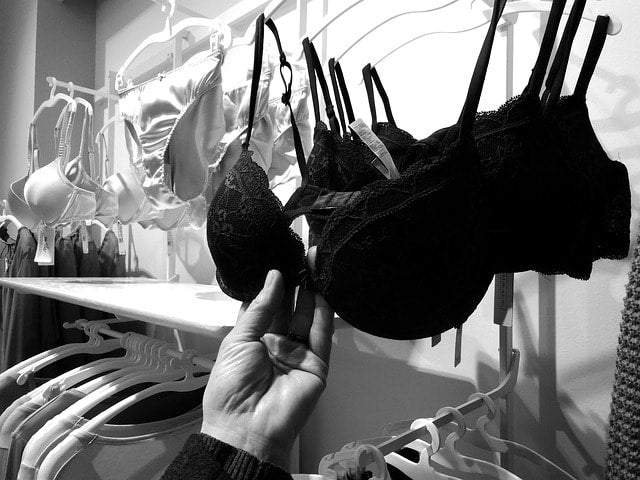
A well-fitted bra feels secure, with wires, band, and straps working together to provide the right support.
Brands offering extended sizing, like Panache, Freya, Natori, and ThirdLove, typically provide excellent support for sizes like 32DD.
Flattering Styles for 32DD Wearers
With the appropriate style, a full bust can radiate elegance or boldness. Here’s how to choose:
- Balconette Bras: Lift from beneath while showcasing your natural shape.
- Plunge Bras: Perfect for lower necklines and center-pulled busts.
- Full-Cup Bras: Best for minimizing movement and optimizing support.
- Wireless Bras: Great for comfort days, modern wireless styles still provide shape for a 32DD.
Styles like balconette and plunge bras can also enhance waist appearance by balancing body proportions.
Look for examples on women with 32DD to find the most flattering fit.
Options for Fuller Busts
If you have a fuller bust, finding the right bra extends beyond size; it’s about support and comfort. Women with larger breasts benefit from bras designed with superior support features, such as wider bands that securely anchor around the ribcage, cushioned straps that prevent digging, and full-coverage cups that minimize movement.
Styles like full-cup and balconette bras are favored for fuller busts, as they provide lift and containment without sacrificing comfort. Even mid-range sizes like 36B benefit from thoughtful design choices prioritizing structure. Minimizer bras create a smoother look under clothing, while everyday options with adjustable straps ensure lasting comfort. For relaxed days, supportive wireless bras can deliver the shape you need.
When shopping, seek brands that cater to larger cup sizes with a variety of styles. Features like wider bands, cushioned adjustable straps, and quality materials significantly enhance fit. The right bra should make you feel confident and comfortable, regardless of size.
Achieving a Natural Look: Embrace Your Choices
For many, breast augmentation isn’t solely about size; it’s about achieving a natural look. If you’re aiming for a 32DD natural appearance, you're not alone. This cup size is often viewed as a desirable balance: full, feminine, and harmonious. But how do you attain this, especially if you wish to enhance fullness or restore youthful shape?

Surgeons carefully analyze measurements in inches to plan for a natural breast size, assessing your chest and bust dimensions to ensure an optimal fit. Accurate measurements help determine the right implant size and shape, ensuring the final result looks natural and proportional. Reviewing before-and-after photos is crucial for setting realistic expectations regarding implant choices.
Before proceeding, conduct thorough research.
You may have heard various opinions on 32DD augmentation, from sizing myths to expected outcomes. Many share their 32DD augmentation experiences through videos, providing genuine insights and before-and-after comparisons. Engage with these conversations; real discussions can be more beneficial than polished advertisements.
Embrace Your Body: Language Matters
Let’s address language. The term



