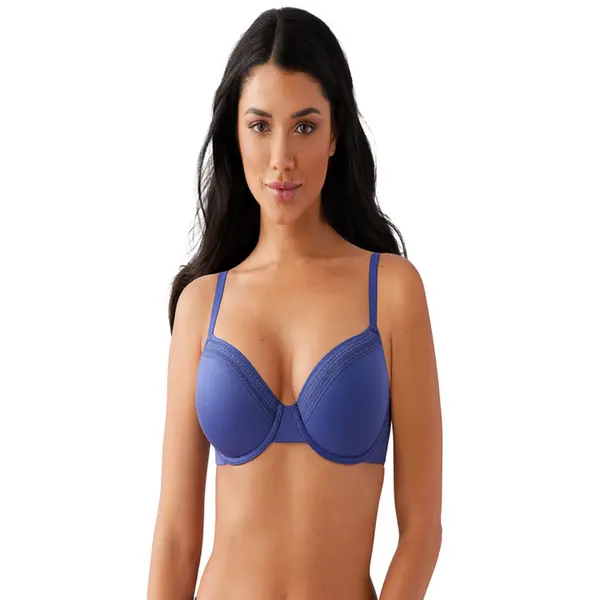
Understanding the Double D Bust Size
What does a Double D bust size really entail? It signifies a considerable breast volume, which varies depending on the band size. Here, we break down what DD means, its distinct visual effects on different body types, and how it compares to other sizes.
A Double D cup size changes with the band size; for example, a 34DD differs in volume from a 38DD. For optimal support and comfort, choose bras with wider bands and full coverage cups. The international bra sizing system can be perplexing, so knowing your measurements is crucial to finding the right fit, especially when shopping overseas. Many brands offer an extensive range of sizes, including beyond DD to DDD/F, G, H, and larger. It's a common misconception that DD is the largest size available; numerous brands cater to larger busts.
When comparing DD to other sizes, remember that DD+ sizes are designed differently than A-D sizes, featuring reinforced elements and specialized support for the additional volume.
Meaning of Double D Bust Size
The label “Double D” often conjures images of curvy shapes and significant busts, but its true meaning is nuanced. Essentially, a DD cup size is considered average to full, yet its perception varies widely based on the band size. The bra size system conveys cup volume and band dimensions; a DD cup represents a specific volume relative to the band size, characterized by a 5-inch difference between the band and bust measurements, making it one cup size larger than a D cup.
Interestingly, the cup volume for DD is not standardized. For instance, a 34DD will carry a different volume than a 38DD, even though they share the same cup letter. Understanding the relationship between band size and DD sizes is crucial for accurate bra fitting.
Double D breasts often symbolize beauty and empowerment, reflecting an ideal in body image. The perception of DD breasts being large is subjective, influenced by individual proportions, similar to how the actual size of a D cup relies on frame and band size.
Visualizing Double D Busts
Visualizing a Double D bust can be complex as they differ on various body types. On petite figures, they may appear more pronounced, whereas on taller or broader frames, they can appear more balanced. This variation highlights that there’s no singular representation of Double D breasts. Factors such as chest circumference and dress size impact how they look on different bodies, with larger cup sizes becoming more common as women embrace proper fitting.
Double D breasts can take on diverse shapes, from full and round to relaxed and teardrop. Genetics, body weight, and posture significantly affect their appearance, with genetics being a major determinant of breast tissue and volume. Women with larger breasts often require bras specifically designed for fuller busts to ensure adequate support.
Measuring for Double D Bra Size
To measure for a Double D bra size, start with the basics. Use a measuring tape snugly around your ribcage, just beneath your bust, rounding to the nearest even number to ascertain your band size. Accurate measurements for both the band and bust are key.
To find your bust and cup size:
- Wearing a lightly lined bra, measure around the fullest part of your chest to determine bust size, rounding to the nearest whole number.
- Subtract the band measurement from the bust measurement to find your cup size.
- Each inch of difference signifies a cup size.
Note: Knowing your correct band size is vital, as different regions may follow varied sizing standards, such as European or Asian. Accurate fits depend on careful measuring techniques and how the bra sits on your body.
For example, a 34-inch band and a 39-inch bust measurement indicate a 5-inch difference, equating to a Double D cup size, similar to fitting approaches for DD and E cups. Proper fits require precise measurements, and being open to trying different sizes or styles can lead to the best fit.
If you have an odd band measurement, round it up by one inch for a snug and comfortable fit, particularly crucial for Double D breasts.
Remember to retake your measurements when shopping for new bras, as sizes can fluctuate over time.
Double D Compared to Other Cup Sizes
The DD cup is slightly larger than an E cup but smaller than an F cup. Understanding bra sizes beyond DD can ease this transition. The progression of cup sizes includes:
- A D cup is one size smaller than a DD cup.
- Moving from D to DD entails a significant increase in cup volume.
- Cup volume increases systematically with each letter.
Important points regarding cup sizes and fit:
- DD is not the largest size; options can extend to L, LL, or M.
- The fit of D and DD cups can differ vastly between brands, making trial essential.
- Cup definitions, including DD, can vary with band sizes, influencing overall fit and appearance.
After the DD cup comes F, FF, G, and beyond. DDD sizes (often called E or F, depending on the system) are one step above DD, with numerous brands offering expansive sizes, catering to larger busts. It’s crucial to realize that sizing can vary by manufacturer, so the same size may fit differently across brands. This emphasizes the complexity of bra sizing and underscores the need to understand how cup letters relate to band size and overall bust measurements.
Common Misconceptions About Double D Breasts
Myths about Double D breasts are prevalent, often influenced by media portrayals. A common belief is that DD size appears huge to some and normal to others, showcasing the subjectivity of breast size perception. Cultural representations often amplify certain characteristics of Double D breasts, leading to unrealistic expectations.
Modern DD bras are available in various stylish designs, countering the idea of bulkiness. Many women are now opting for larger, properly fitted sizes due to increased awareness of fitting practices. It’s important to remember that bra size is just a number and should not dictate self-image; comfort and fit are paramount. Despite perceptions, fewer than 1% of women globally are considered D cup or larger, making this size quite exceptional.
Cup Volume Explained
Cup volume is pivotal in finding the right bra fit. It refers to the space within the bra cup holding breast tissue. This volume is determined by the difference between band size and bust measurement, where each inch of difference corresponds to a specific cup size, such as A, B, C, and so on. For instance, if your bust is 4 inches larger than your band size, you likely wear a D cup; a 5-inch difference indicates a DD cup.
It’s crucial to note that cup volume isn’t solely about the label; it’s about how much room the cup provides for your breasts. The same cup size (like a DD) will vary in volume depending on the band size, so a 32DD and a 38DD won’t accommodate the same volume of breast tissue. Understanding cup volume is essential for selecting a bra that offers the needed support and coverage for your bust, ensuring comfort and a flattering silhouette, and learning how bra cup letters function can further clarify which sizes suit you best.
Calculating Cup Volume
To determine your cup volume and ideal bra size, grab a soft tape measure. Start by measuring your band size: wrap the tape snugly around your ribcage, just under your breasts, rounding to the nearest even number. Then, measure your bust by encircling the fullest part of your breasts, ensuring it’s level.
Subtract your band measurement from your bust measurement to find the difference in inches. Each inch equates to a cup size: 1 inch is an A cup, 2 inches is a B cup, 3 inches is a C cup, 4 inches is a D cup, and 5 inches is a DD cup. For example, a band measurement of 34 inches and a bust measurement of 39 inches indicates a 5-inch difference, suggesting a 34DD size. Multiple-letter cup sizes like DD signify a midpoint, offering a more tailored fit, and understanding the differences between DD and DDD sizes can refine your fitting process.
Selecting the Right Bra for Double D Busts
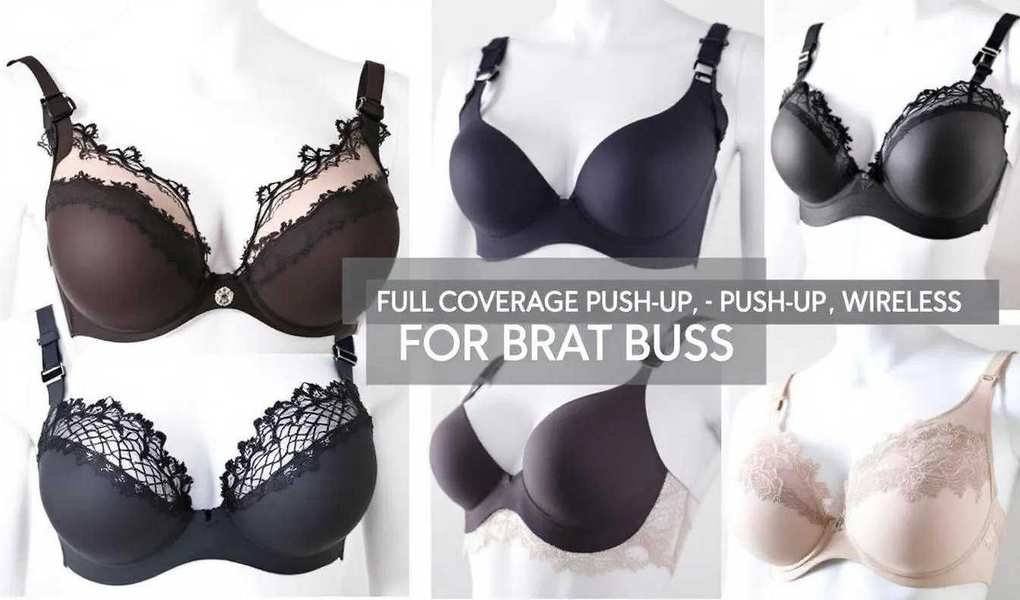
Choosing the right bra for a Double D bust involves several key factors. Look for designs that offer solid support with wider bands to evenly distribute weight and prevent discomfort. Essential features include broader shoulder straps, firm under bands, and cups that fully encase the breasts for optimal support. A well-fitting bra should encompass all breast tissue without gaps, delivering stability. The ideal bra will hug without squeezing, lift without pinching, and generally feel like a second skin.
Wearing a correctly sized bra boosts confidence and minimizes premature sagging. Up next, we’ll explore the best styles and strapless options for Double D cups.
Ideal Bra Styles for Double D Cups
Choosing the right style significantly impacts comfort and support for Double D cups. Balconette bras enhance the natural shape of DD breasts while providing necessary lift, creating an appealing silhouette without sacrificing support. Full coverage bras also excel, offering ample support and minimizing spillage.
Sports bras designed for Double D sizes deliver crucial support during physical activities, just as a well-crafted style is vital for sizes like 44DDD for optimal fit and support. Constructed with sturdier materials and firmer underwires, they secure your breasts during movement. Selecting the right style enhances comfort and boosts self-confidence, ensuring you feel fabulous in any outfit. Additionally, these bras cater perfectly to those needing larger cups.
Strapless Bras for Double D Busts
Strapless bras can pose challenges for Double D busts, but finding the right one is possible with smart tips for the most comfortable strapless styles and understanding what keeps a strapless bra secure. Seek styles with silicone or rubber grips along the band to prevent slipping, ensuring necessary support without straps.
Strapless bras for Double D sizes should feature sturdier underwires and reliable fabrics for enhanced support. Choose a bra that fits snugly around the ribcage without being overly tight.
With the right strapless bra, you can confidently wear off-shoulder and strapless outfits while ensuring support, particularly from the best strapless styles designed to stay in place or explore the ultimate strapless bras for fuller busts that remain secure.
International Sizing Insights
Understanding international bra sizing can be tricky, but it’s vital for finding your ideal fit. In the UK, a DD corresponds to an E cup, while in France, a US DD cup also equates to an E cup, leading to potential confusion when shopping internationally.
Band size systems vary by country, including:
- Australia and New Zealand: typically start at 10
- United States: generally begin at 32
- France and Spain: numbered in 5-inch increments (80, 85, 90)
- Italy: uses a 1, 2, 3 system
Accurate measurements and conversions are essential for successful international shopping.
European sizing uses bust measurements in centimeters, unlike the inch measurements in UK sizing. Some European countries forgo double letters like DD, complicating direct translations. Familiarizing yourself with these differences empowers you to navigate the bra aisle confidently, ensuring the right fit no matter where you shop.
Sister Sizes for Double D Cups
Sister sizes can be transformative for achieving a comfortable and supportive bra fit. Adjusting both band and cup sizes can lead to better results. For instance, if your usual size feels too tight, try going up a band size while reducing the cup size.
Increasing the band size while decreasing the cup maintains the same cup volume. Conversely, if the band feels fine but the cup is too small, keep the band size and opt for a larger cup. Exploring smaller band sizes can also yield a better fit.
Finding the right sister size can greatly enhance comfort and support, especially for those with a DD cup size.
Importance of Proper Bra Fit
Wearing a well-fitted bra is crucial for several reasons:
- Ill-fitting bras can lead to health issues like posture problems, shoulder pain, and skin irritations.
- Signs of a poor fit include straps digging into shoulders and bands riding up the back, both causing discomfort and reducing support.
- A properly fitted bra distributes pressure evenly, preventing discomfort and potential scarring.
- This is especially vital for Double D breasts that need regular support.
The primary requirement for individuals with Double D breasts is comfort and proper support. A minor change in bra size can significantly affect comfort and appearance. Fit influences how you feel, how clothes fit, and how your bust is contoured. Ultimately, the right fit allows you to forget you’re wearing a bra, prioritizing support and comfort.
Significance of Band Size
Band size is the foundation of a good bra fit, vital for how it supports your breasts and fits your body. The band bears most of the bra's weight, anchoring the cups and distributing breast weight evenly across your torso. A too-small band can dig into your skin and limit movement, causing discomfort. Conversely, a band that's too large fails to provide adequate support, leading to a loose fit that may shift or ride up.
For optimal support, measure your band size correctly and select a size that fits snugly yet comfortably, whether you're wearing a 30D bra size with its specific fit and measurements or a larger band and cup size. The right band size keeps your bra in place and your breasts supported, no matter your body shape or activity level.
Common Bra-Fitting Errors
Many women unknowingly wear ill-fitting bras. Common errors include choosing a band size that’s too tight or loose, or a cup size that doesn’t match breast volume. Wearing a cup size that’s too small can cause spillage, while an overly large cup leads to gapping and inadequate support.
Another frequent mistake is neglecting to consider unique body shapes when selecting a bra; what works for one may not fit another. Regular fittings are crucial, especially after weight changes, pregnancy, or hormonal shifts that can alter breast size. Wearing bras with stretched bands or failing to adjust straps can also compromise fit and comfort. By avoiding these pitfalls and paying attention to cup size, band size, and body shape, you’re more likely to find bras that fit well and feel great daily.
When to Consider Changing Sizes
Recognizing when to size up or down can greatly affect bra comfort and support. Signs it might be time to size up to a DD cup include:
- Discomfort with your current bra
- Spillage of breast tissue
- Feeling tightness
- Overflowing
If you notice these signs, consider moving to a larger size, as this can improve comfort and support. Keep in mind that sizing systems vary by brand and country, so a DD in one brand may fit differently in another.
On the other hand, if a DD bra feels too large but the band fits, consider sizing down to a D cup and learn what finding the perfect D cup fit looks like in practice. Choosing the right bra size is vital for comfort and support, especially for those with larger busts.
Paying attention to these indicators can help you secure the perfect size, ensuring your bras provide the necessary support and comfort. Don’t hesitate to explore different sizes or styles; often, stepping outside your usual choices is key to finding the ideal fit.
In essence, understanding Double D bust size goes beyond knowing a cup letter. It’s about recognizing the interplay between cup volume, band size, and how these elements affect bra fit and appearance. From accurate measuring to navigating international sizing differences and discovering the right sister size, each step is crucial for achieving the ideal fit.
Ultimately, the right bra can profoundly impact comfort, support, and self-confidence. Explore various styles and sizes to find what best suits your body. Embrace your Double D bust with the knowledge and tools to discover the perfect bra, ensuring comfort and confidence every day.
Frequently Asked Questions
What is a Double D bust size?
A Double D (DD) bust size indicates your breasts are approximately 4 inches larger than your band size. Finding that ideal fit is essential, so keep the band size in mind!
How do I measure for a Double D size?
To determine your Double D size, measure snugly around your ribcage under the bust for the band size and around the fullest part for the bust size. Subtract the band size from the bust size, and you’re good to go!
Are Double D breasts considered large?
Double D breasts are generally seen as large, but perceptions vary based on individual body size and proportions. It’s all about personal perspective!
What are the best bra styles for Double D cups?
For Double D cups, balconette bras, full coverage bras, and sports bras are excellent choices, offering solid support and keeping everything secure. You'll feel comfortable and look fabulous in these styles!
What are sister sizes and how can they assist?
Sister sizes can help you find a more comfortable fit by allowing adjustments in both band and cup sizes. If your usual size feels off, consider going up a band size and down a cup size to see if it fits better!