
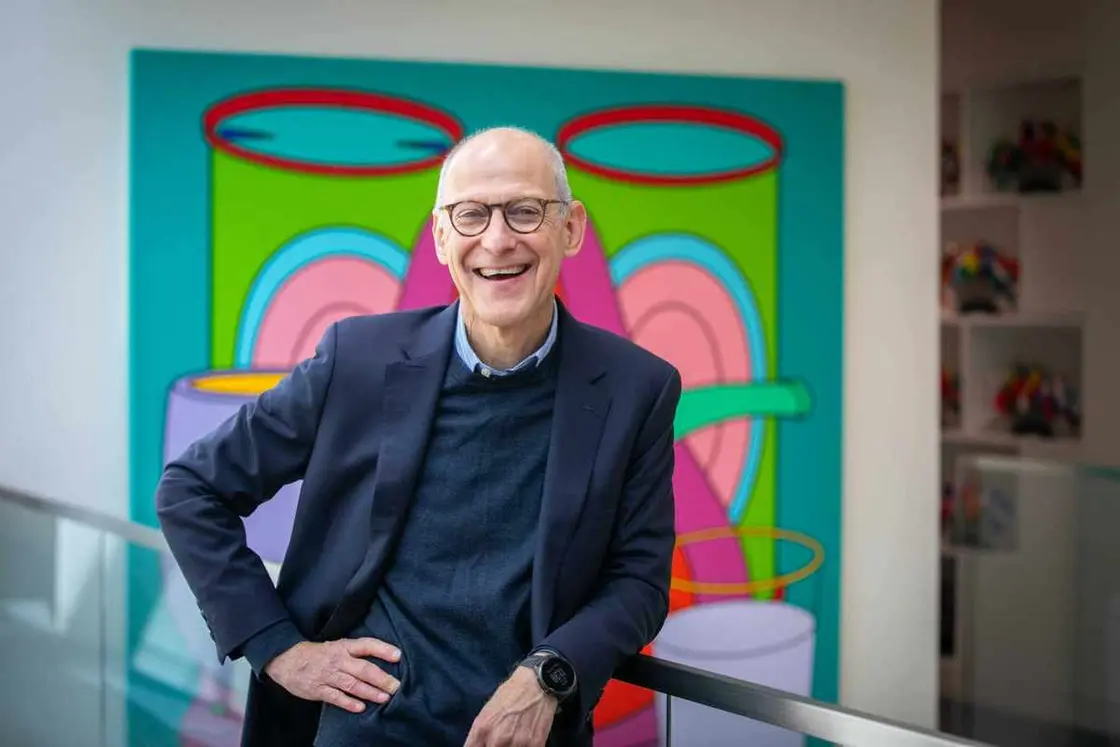
Dr. Ezekiel Emanuel, a prominent bioethicist and oncologist, suggests that our relentless pursuit of longevity might be misguided. He believes that prioritizing life experiences over mere lifespan is key to true fulfillment.
In his recent book, Eat Your Ice Cream: Six Simple Rules for a Long, Healthy Life, Emanuel challenges the conventional wisdom about health and longevity. He previously made headlines by stating his wish to die at 75, not from a lack of appreciation for life, but because he views the obsession with longevity as a distraction from what truly enriches our lives.
In a recent interview, Emanuel discussed the hidden costs of aging in the United States, the misleading promises of the wellness industry, and essential insights women should consider for a more extended life.
The Dangers of Pursuing Longevity
Americans invest between $1 and $2 trillion annually on wellness through supplements, retreats, and gadgets. Yet, Emanuel argues that these expenditures often fail to meaningfully extend our lives and may even increase anxiety.
Jean Chatzky: You've criticized the wellness industry for promoting products that often lack real benefit. Why do you think we're so drawn to spend money on them?
Ezekiel Emanuel: It's about reclaiming control in uncertain times. Our historical obsession with wellness mirrors past eras, such as between 1880 and 1914, when similar societal upheavals spurred a rise in health trends. During that time, people sought solace in vegetarianism and hygiene practices. Today, wellness appears to offer a semblance of control over our lives, from dietary choices to exercise routines.
This constant monitoring—tracking sleep, steps, or nutrient intake—can lead to unnecessary stress without adding significant time to our lives.
Insights from Longevity Research
Emanuel's perspective isn't anti-health; he provides six evidence-backed strategies for living well. However, he aims to dismantle the myth that science is close to achieving immortality.
Jean Chatzky: I remember a Time magazine cover from 2015 that suggested a baby might live to 142 years. That thought is unsettling.
Ezekiel Emanuel: This isn't new. In 1909, headlines claimed we could live to 150 or 200 years. Yet, while more individuals reach their nineties and beyond, surpassing 115 or 120 remains rare. There's a natural limit to human lifespan. Most centenarians aren't engaging in lively activities; many are confined to chairs. The goal should be to enhance the quality of our years, not just accumulate more.
The Takeaway: Prioritize Quality Over Quantity
Jean Chatzky: You famously expressed a desire to die at 75. Now at 68, has your perspective shifted?
Ezekiel Emanuel: My stance remains unchanged. While 75 is an average life expectancy, it varies widely. Some may face health issues sooner, while others may live longer. I still prefer not to undergo aggressive treatments like chemotherapy meant solely to extend life. I'm open to necessary procedures, but very few remain fully active in their eighties and nineties. If I find myself in that fortunate group, I may reconsider my views.



