
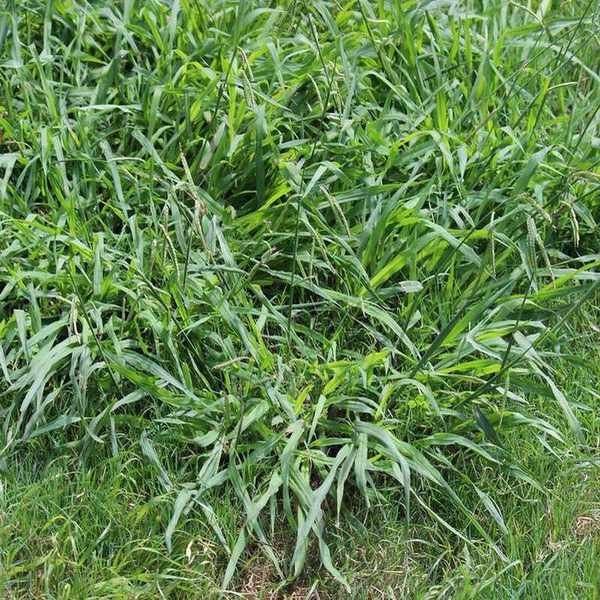
Looking to eliminate crabgrass? As summer progresses, many lawn owners are focused on tackling this pesky weed.
This invasive plant begins to sprout when temperatures exceed 55℉ and sunlight warms the damp soil. By spring and early summer, crabgrass can outpace your lawn grasses, only to die off in winter and leave unsightly bare patches that hinder your efforts to create a vibrant, thick lawn.
Natural Methods to Eradicate Crabgrass
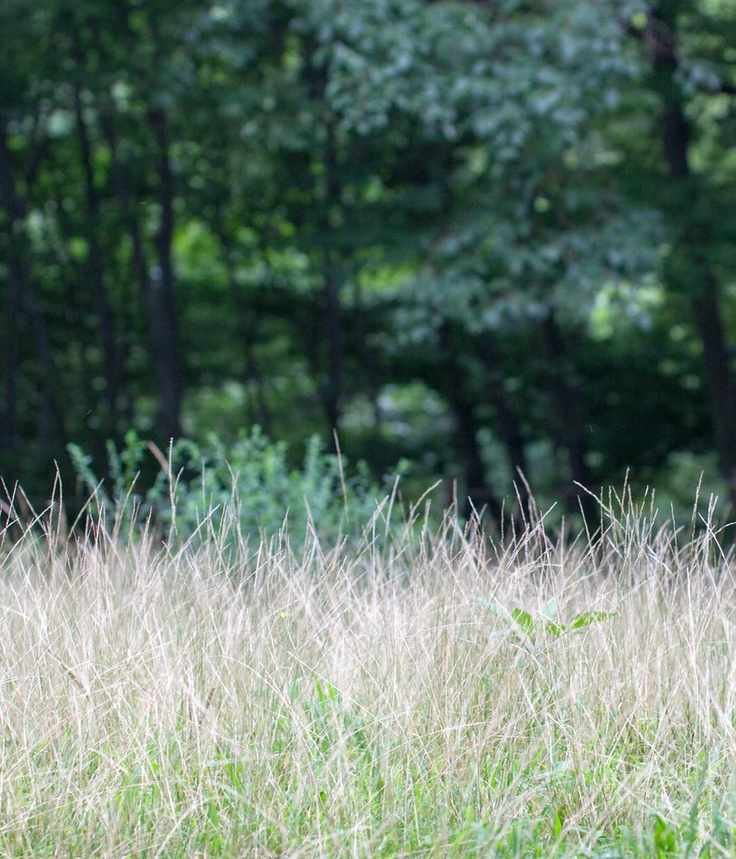
Here are steps to naturally eliminate crabgrass.
1. Cultivate a Thriving Lawn
To effectively manage crabgrass, it's crucial to start with a healthy lawn, according to Bill Pope, lawn care expert. 'Prevention is key. Maintaining a healthy lawn involves aeration, mowing at the correct height, and mulching your garden,' he states.
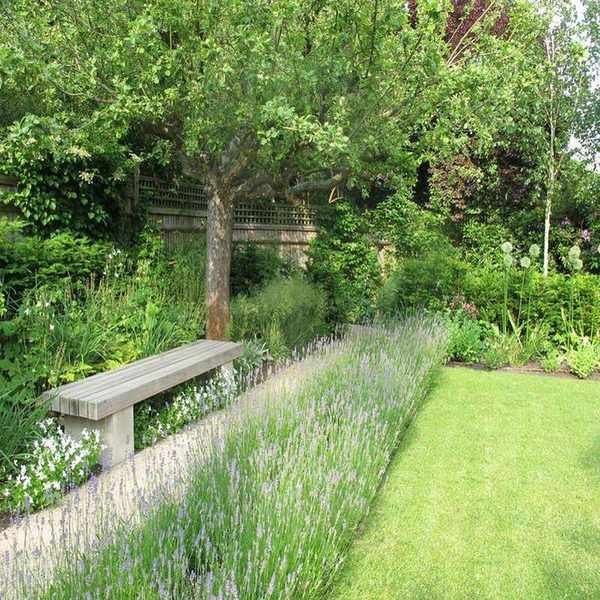
'Aeration reduces thatch buildup where crabgrass typically thrives,' he adds. The ideal time for dethatching is dependent on your grass type.
Bill emphasizes the importance of proper mowing height. 'Cutting too low damages roots, making grass susceptible to weeds. Letting it grow too long means you're likely not mowing often enough, allowing weeds to flourish.' He also suggests mulching in spring or summer to choke weeds at their roots. However, if crabgrass is already a concern, it's best to skip mulching, as it may spread seeds.
2. Allow Grass to Grow Taller
Your lawn mower plays a vital role, but for crabgrass prevention, Josh recommends letting your grass grow a bit taller than usual.
A height of around 2 to 3 inches helps keep the soil cool. Since crabgrass prefers heat, cooler soil temperatures can reduce seed germination,' he notes.
3. Control Seed Spread
If crabgrass is already present, be cautious when mowing. Each stalk of crabgrass can produce hundreds of seeds, which can worsen the issue if not managed properly.
Ensure you or your lawn service captures and bags clippings effectively, as improper handling can spread the seeds. If composting your clippings, bag them and leave them in the sun for 4 to 6 weeks to kill any seeds.

4. Hand-Pull Crabgrass
Removing crabgrass by hand is the most reliable method for complete eradication. While time-consuming, it ensures the weed is eliminated.
You can either pull it out using a weed-pulling tool from Amazon or smother it. Smothering is an easier approach to ensure it dies before removal.
Once you spot a crabgrass patch, Coulter Lewis, CEO of a sustainable lawn care company, suggests covering it with a brick, tile, or other object to block sunlight. 'After 4 to 6 weeks, the crabgrass should be dead, and you can then remove it.'
5. Skip Summer Fertilization
While nourishing your lawn is essential, fertilizing in summer also feeds crabgrass.
6. Water Weekly
Understanding when to water plants is vital, but don't forget your lawn. Instead of light, frequent sprinklings, Josh advises a 'solid drink once a week' to keep your lawn lush and healthy.
Effective Weed Killers for Crabgrass
If natural methods fall short, consider a weed killer. Evan Ebert, a gardening enthusiast, recommends Roundup, available on Amazon.
'If crabgrass has established itself, Roundup is your go-to solution. It comes ready to use with a built-in sprayer, so no mixing is necessary,' he explains.
'Within a week, you'll notice the weeds turning white. You can either pull them out manually or mow at the lowest setting to clear them away.'
Understanding Crabgrass
Crabgrass is an annual weed that's notoriously hard to eradicate, even with the best lawnmowers. Its seeds can lie dormant in the soil for up to three years, making it difficult to eliminate.
If you're curious about ways to manage weeds like crabgrass, aside from their unsightly appearance, research shows that crabgrass can harm other plants by competing for resources.



