
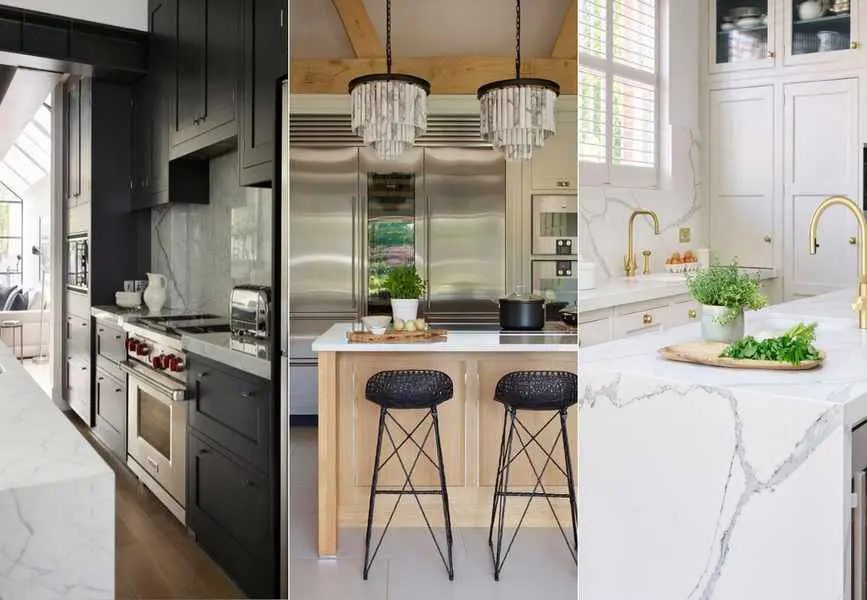
Designing a small kitchen requires careful planning to ensure the space is both functional and inviting. Before diving into decor, understanding the most effective layout is vital.
Numerous small kitchen layout concepts can enhance organization and efficiency. From smart storage solutions to door styles, these insights will optimize your kitchen's flow and usability.
Experts share their strategies for arranging a small kitchen to maximize efficiency regardless of its dimensions.
What is the best layout for a small kitchen?
Small kitchens can benefit from several layout styles. While no single arrangement is universally superior, some designs are more practical. Consider options like the U-shape, ideal for creating the 'golden triangle' of appliance placement; a galley layout that utilizes vertical space and provides ample workspace; or a peninsular kitchen that divides narrow areas while adding counter and storage space.
If your kitchen is slightly larger or square-shaped, incorporating a small island can also enhance workspace and social areas.
1. Assess your kitchen usage
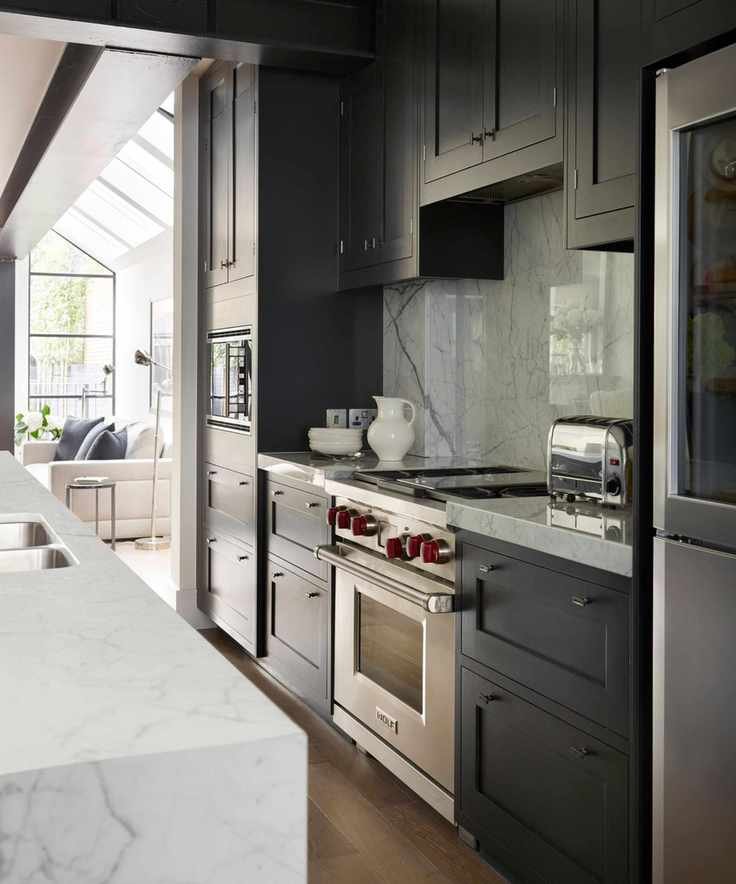
Understanding how you plan to use your kitchen helps tailor the layout to your needs. Since everyone has different preferences for appliances and cooking styles, the ideal arrangement can differ significantly.
According to a design expert, 'The room's layout determines a kitchen's success. Consider your usage patterns, especially in open-plan areas. If you plan to include dining, an island with built-in storage can maximize space. The design should balance scale and proportion, incorporating modern touches like open shelving and curved islands for a stylish yet functional look.'
2. Strategically position appliances
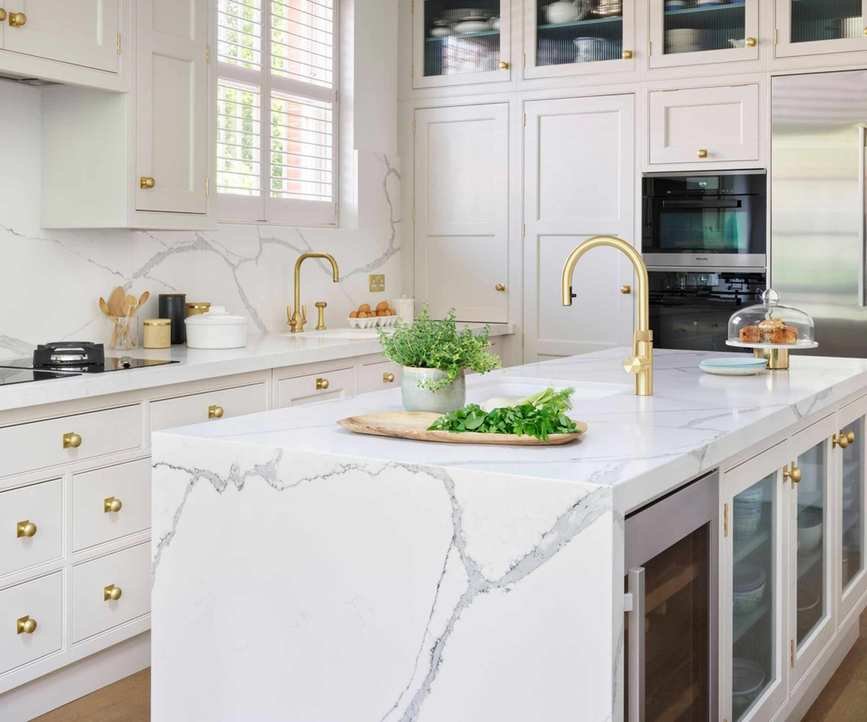
The kitchen triangle method has long been a staple for layout design. However, new trends favor creating 'work zones' tailored to contemporary appliance needs. For instance, place the dishwasher near the sink for easy dish stacking, and position the fridge close to the countertops for efficiency. Keep the hob and sink opposite each other for safety and functionality.
3. Use a peninsular to create division
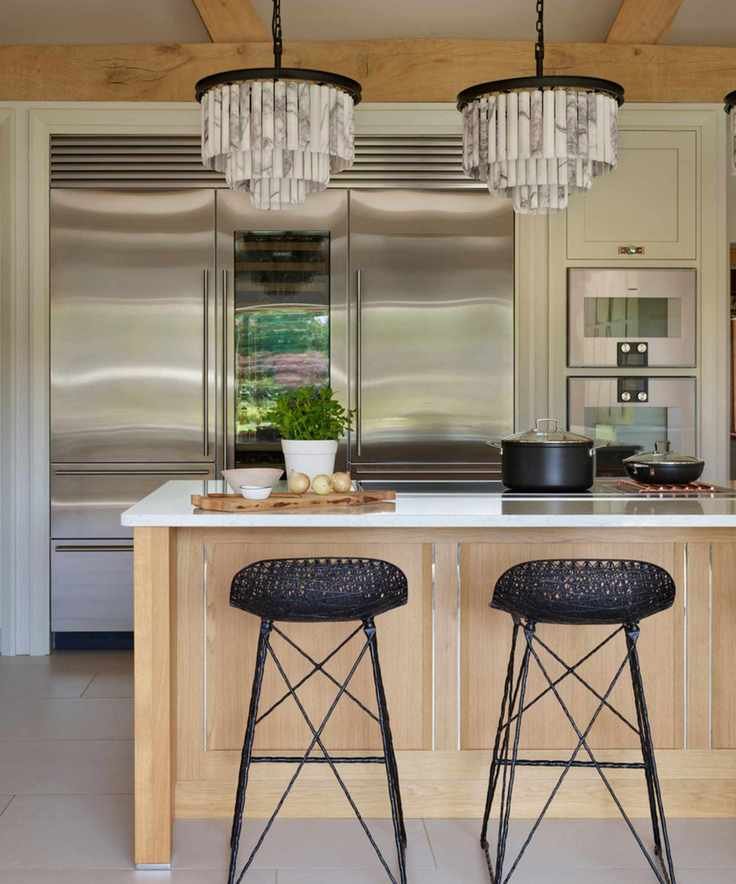
If space doesn't allow for an island, a peninsular serves as a great alternative, offering additional dining and workspace without taking up much room. 'In tight kitchens, a peninsular can provide necessary storage and functionality while effectively dividing the area,' an expert notes. These features double as workspaces and breakfast bars.
4. Install pocket doors to save space
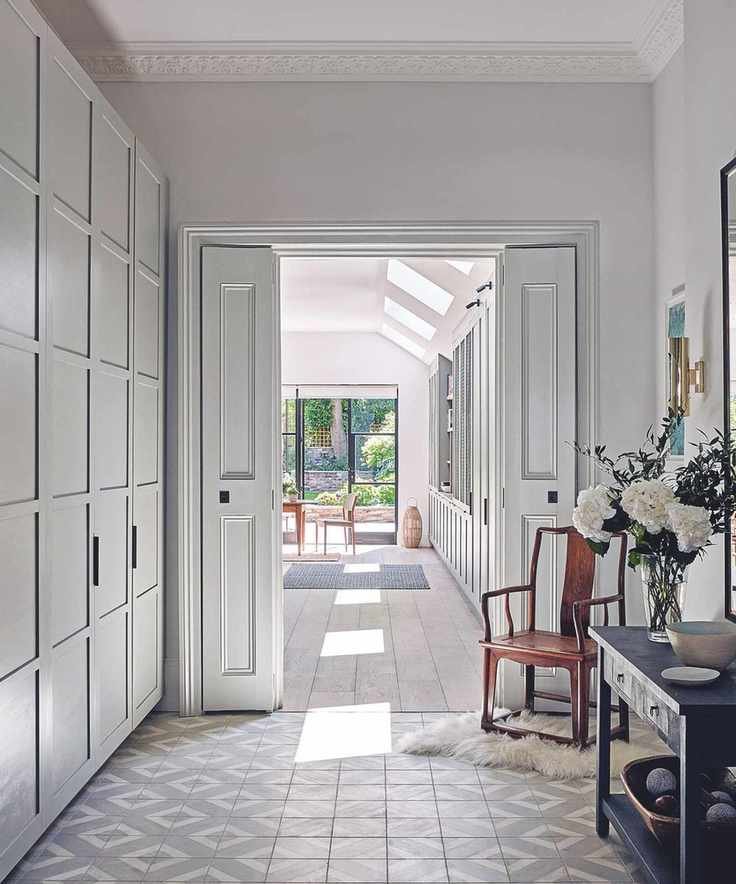
If you want to separate your kitchen from the rest of your home, pocket doors are an excellent space-saving solution. 'In compact kitchens, pocket doors slide into the wall, avoiding the need for traditional doors that consume valuable space,' an expert advises.
Additionally, consider innovative cabinet designs that enhance efficiency. 'Use deep cabinets with pull-out drawers or multi-layer systems for discreet storage,' they suggest.
5. Opt for shelving instead of traditional cabinets
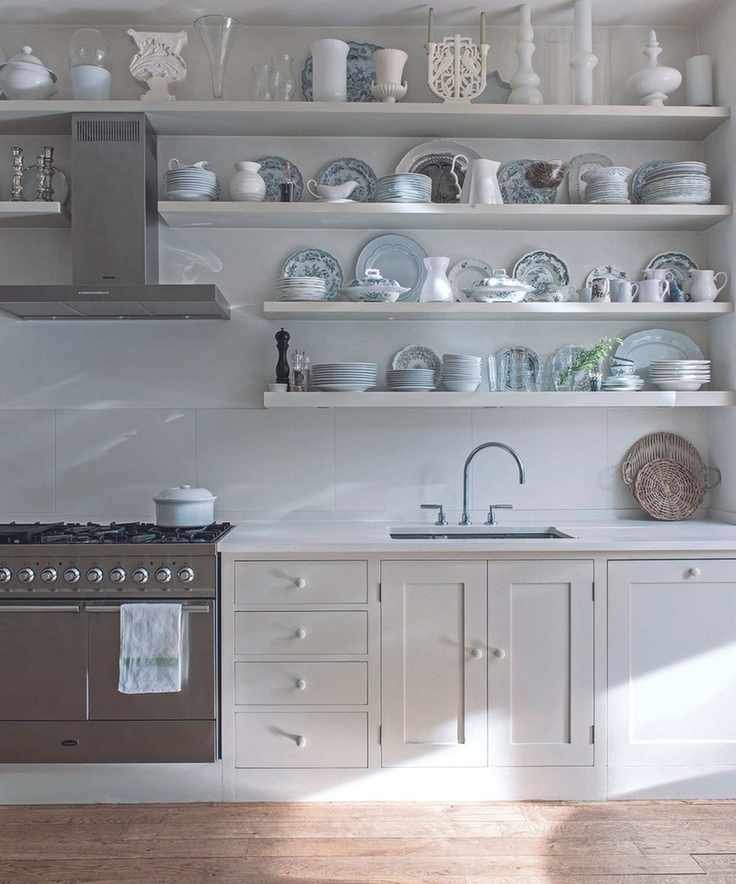
Open shelving is not just trendy; it's a versatile option for small kitchens. 'Modular shelving fits perfectly into tight spaces,' one designer states. 'Ensure your shelves are deep enough for storage yet narrow enough to conserve precious square footage. Mixing open and closed storage creates a functional display area.'
6. Choose compact appliances
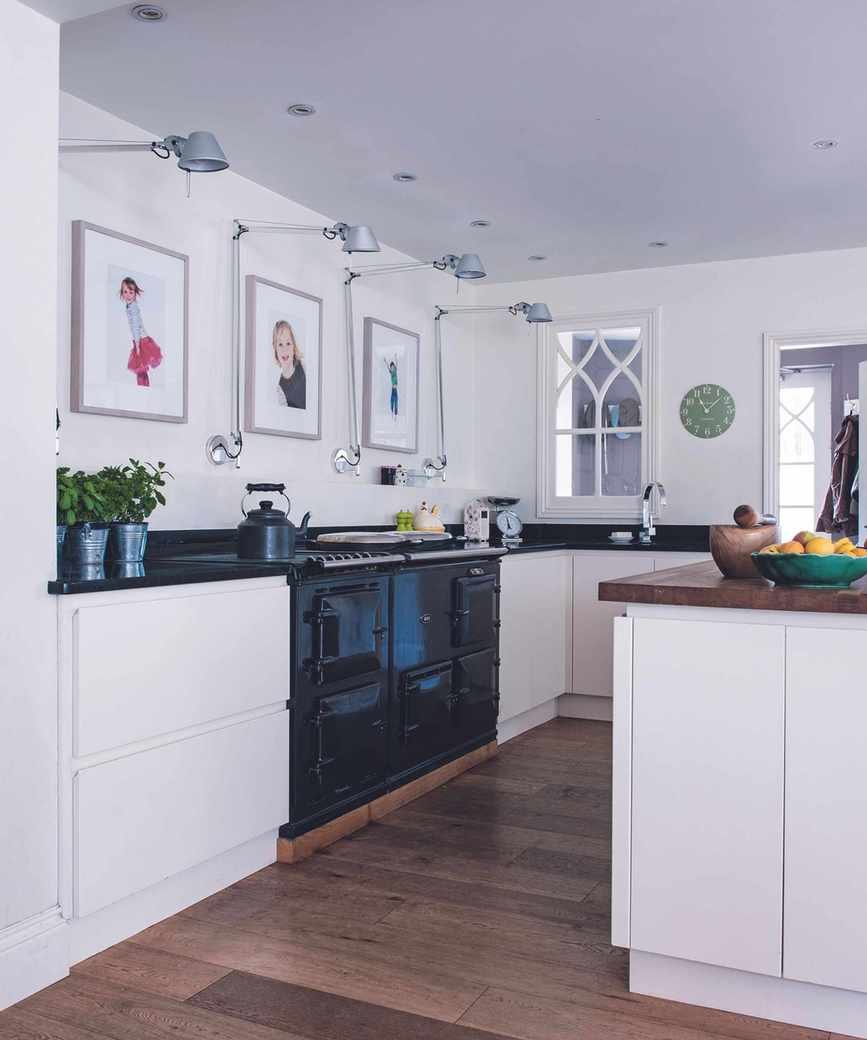
When selecting appliances, prioritize space-saving models that enhance efficiency. 'Built-under fridges and dishwashers or ovens with retractable doors are ideal for small kitchens,' an expert suggests. For wine enthusiasts, built-in temperature-controlled wine storage is a chic option. Also, consider hobs with integrated extraction systems to free up space above for additional storage or decor.
'Small kitchens can be stylish and functional,' another designer adds. 'Bespoke storage solutions in custom sizes can help maximize organization. Consider multifunctional islands that serve as prep, storage, and dining spaces. Efficient, built-in seating can also help optimize layout without sacrificing movement.'
What kitchen shape is most effective in compact spaces?
The most effective layout for small kitchens is typically U-shaped. This design allows for deep corner cabinets, which can be optimized with sliding storage mechanisms to maximize previously challenging areas.
Is the kitchen triangle still relevant?
While the kitchen triangle remains a common guideline, many designers now favor 'work zones' that allow for creativity and adaptability. These zones provide greater flexibility to accommodate unique appliances and varying cooking styles, making kitchens more efficient.



