
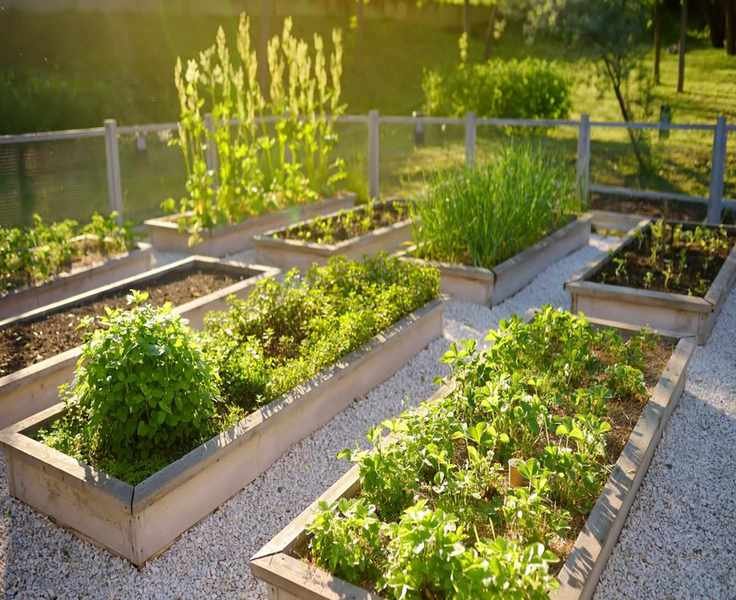
Hugelkultur gardening, pronounced hoo-gul-culture, is an age-old method of crafting organic raised beds. Like other approaches in permaculture, this technique efficiently recycles garden waste instead of discarding nutrient-rich materials.
Originating in Germany and Austria, 'hugelkultur' means 'mound culture.' This refers to the mound created by layering decomposing logs, branches, leaves, and debris to form a nutrient-packed raised bed that supports crop growth.
Today, this creative gardening style is increasingly appealing to those looking for sustainable methods to cultivate fruits and vegetables. If you're exploring permaculture projects or want innovative raised bed ideas, consider the timeless hugelkultur method.
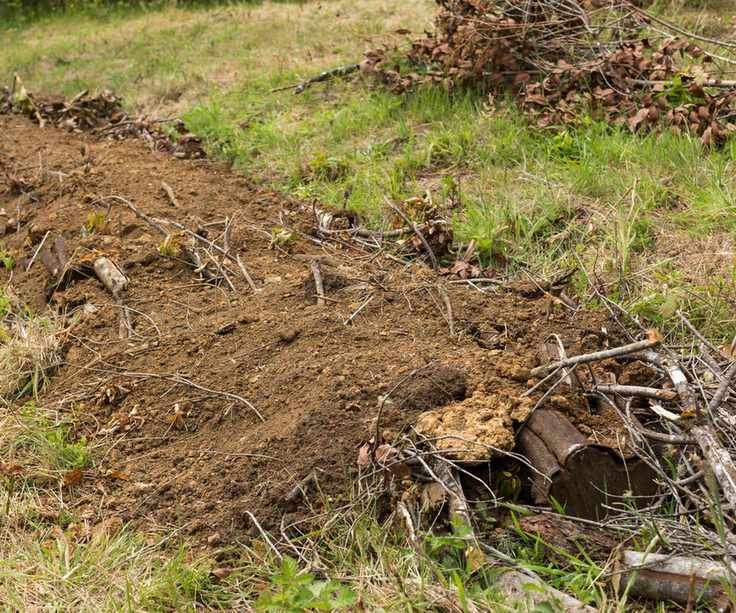
Understanding Hugelkultur Gardening
If you're contemplating building a raised bed, the hugelkultur method is a sustainable alternative worth exploring. This technique involves forming a mound with stacked logs, branches, leaves, grass clippings, and other organic debris. These decomposing materials enrich the soil, promoting robust crop growth.
Getting Started with Hugelkultur Gardening
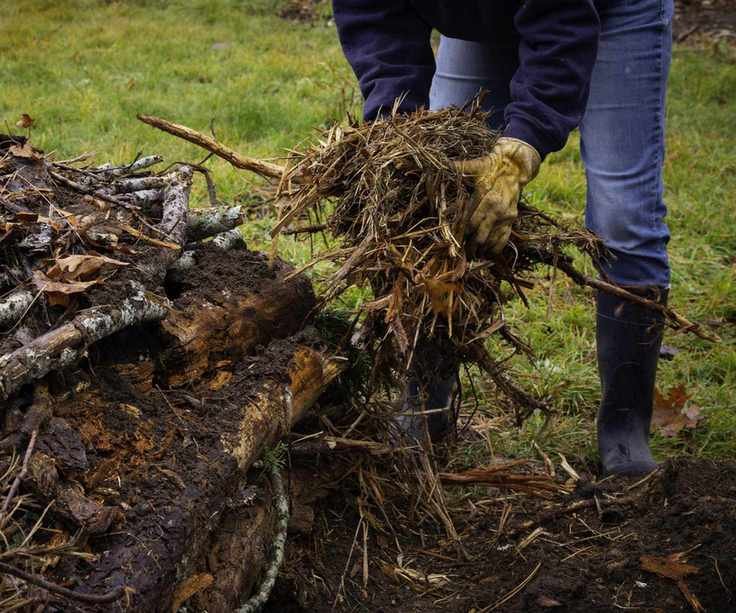
Creating hugelkultur beds is straightforward; simply gather available garden waste. Similar to lasagna gardening, this eco-friendly approach repurposes logs, branches, and clippings into a nutrient-dense mound that will benefit your garden for years.
Start by placing the largest logs and branches at the base, then layer with compost, grass clippings, and leaves to fill gaps. As the mound forms, mix and chop some branches with compost to kickstart decomposition. Once complete, thoroughly water the mound to encourage the breakdown process.
According to an organic gardening expert, this method promotes ecosystem restoration and soil health, creating a sustainable future. Many gardeners have successfully created hugelkultur mounds using logs and organic materials, cultivating a variety of plants like fruit trees, herbs, and vegetables.
Gardening organically enriches your diet, boosts your immune system, provides exercise outdoors, and alleviates stress. What's better than enjoying fresh, homegrown produce?

Can Hugelkultur Work in Small Spaces?
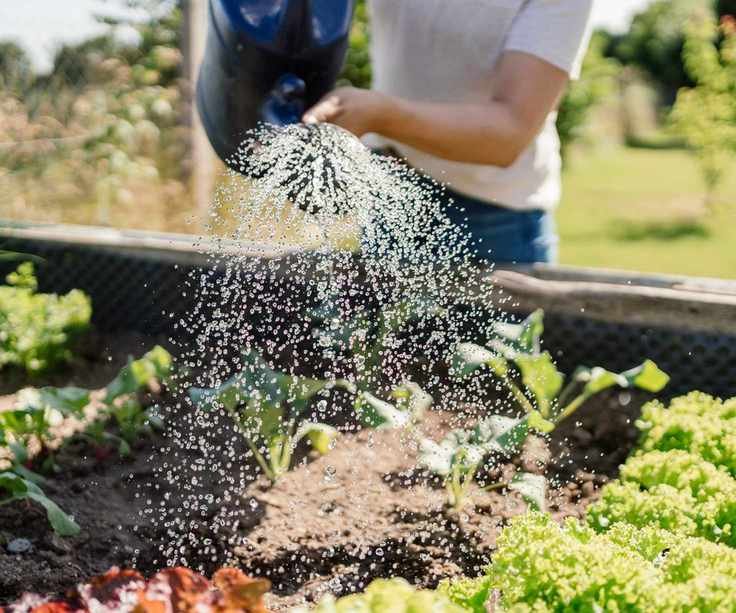
While hugelkultur may seem more suited for larger gardens, it can easily adapt to smaller spaces too. For ideas on maximizing small gardens, consider using a raised bed, like this planter available online, to help define your mound's size. Within this framework, you can pile up garden waste, making organic gardening accessible even in limited areas.
Much like the no-dig method, this regenerative style of gardening revitalizes your soil. The layers of decomposing materials retain moisture, reducing the need for frequent watering, especially during summer, and eliminating the necessity for fertilizers.
Even in compact hugelkultur mounds, you can cultivate herbs, salad greens, vegetables, and berry bushes alongside native plants, fostering a food garden that supports local wildlife.
Advantages of Hugelkultur Gardening
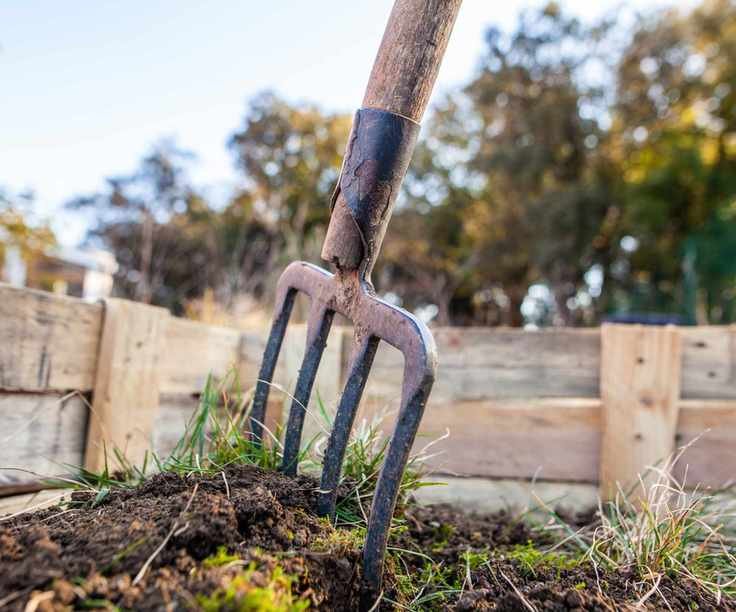
- Waste Reduction: This method offers an eco-friendly way to handle garden waste. Keep old logs, branches, and clippings to build your organic raised bed.
- Soil Fertility Boost: As the biomass decomposes, it releases essential nutrients into the soil, attracting beneficial organisms that promote healthy plants and abundant harvests.
- Moisture Retention: Hugelkultur beds absorb rainwater, minimizing the need for frequent watering during hot seasons.
- Extended Growing Season: The decomposition process generates heat, which can slightly prolong the growing season due to the warmth produced within the mound.
What Plants Thrive in Hugelkultur Beds?
Once your hugelkultur raised bed is complete, you can grow a variety of edible and flowering plants, such as berry bushes, native shrubs, and annual vegetables like squash and tomatoes. Planting diverse species can help deter pests and diseases while attracting pollinators.
The hugelkultur method is an efficient and sustainable technique for creating healthy raised beds, suitable even in smaller spaces.
For additional organic gardening methods, consider using a wormery for composting to transform kitchen scraps into nutrient-rich soil.



