
In recent times, primary colors have taken a backseat to softer palettes. However, integrating bold hues can be accomplished tastefully, especially when used as accents rather than dominant tones.
Here, we share expert insights and techniques for decorating with primary colors, illustrated with stunning room images. Let's dive in!
1. Defining Primary Colors
Primary colors—red, yellow, and blue—are unique as they cannot be formed by mixing other colors. All other shades emerge from these base colors combined with black or white for deeper or lighter variations.
In interior design, true primary colors are rarely used in large amounts due to their boldness; instead, they're often seen as accents in decor or art. More frequently, their lighter or darker variations are present in walls, floors, and furnishings.
2. Pairing Colors with Primaries
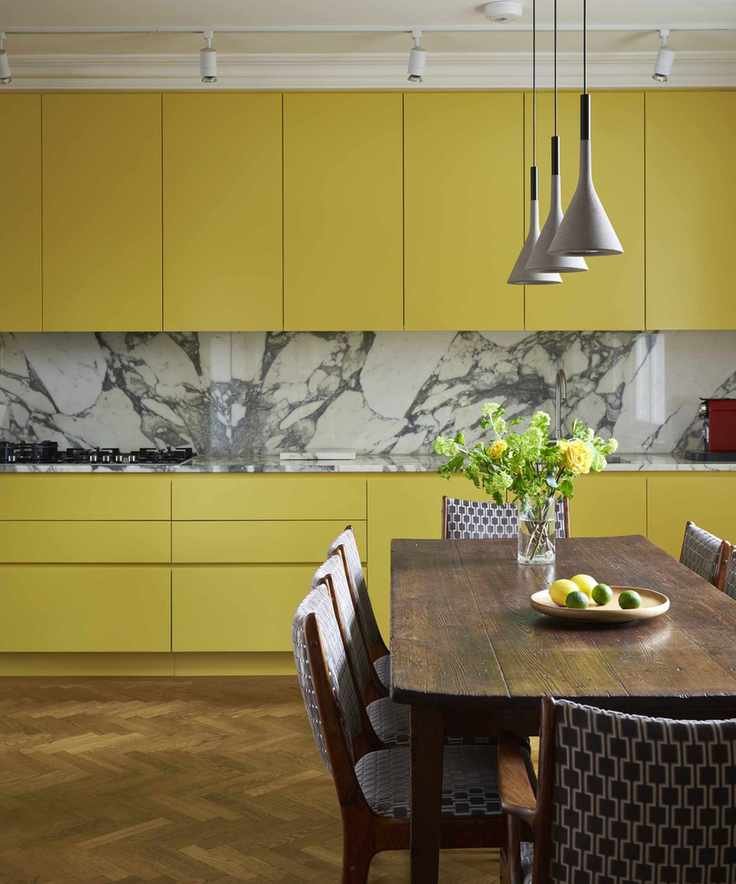
Neutrals like white or black complement primary colors effectively and are easy to match. Additionally, various shades and tints of primary colors can work well together. Typically, these bold colors are best as minor accent pieces rather than the main focus.
Consider texture when combining colors. For instance, pairing red with natural wood textures can soften the contrast and enrich the overall look.
3. Utilizing the Color Wheel
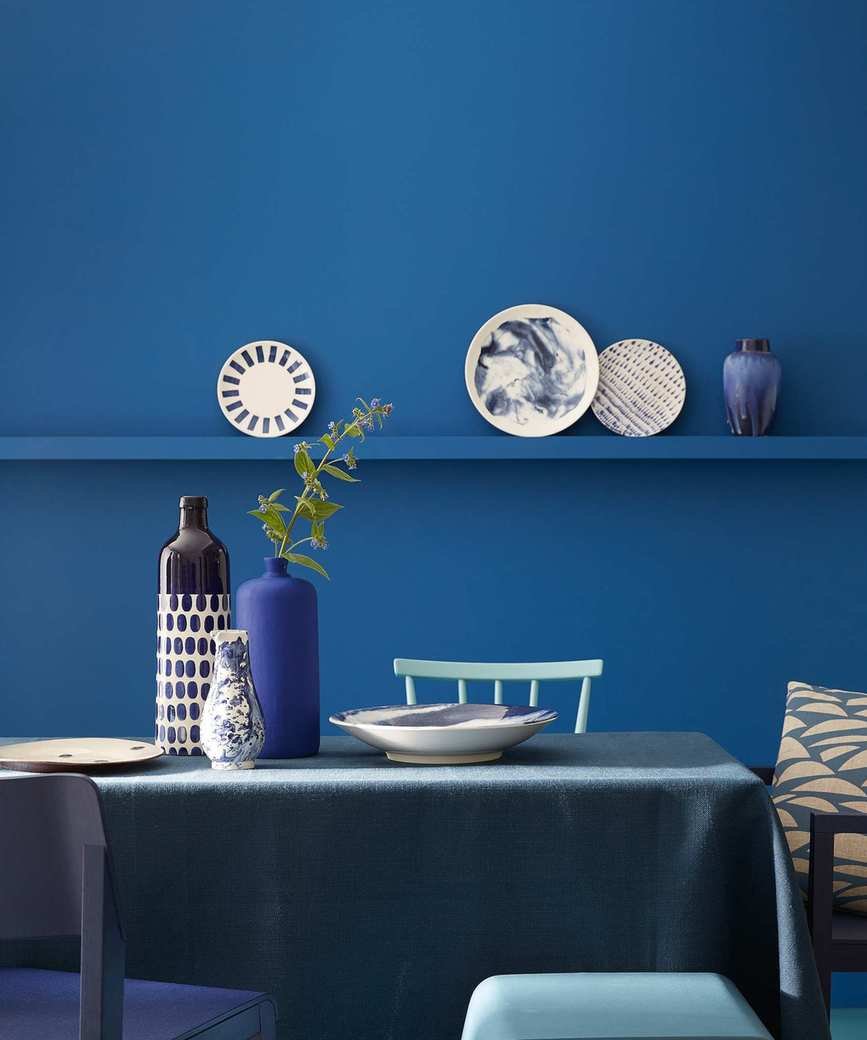
The color wheel assists in coordinating primary colors with their respective shades and tints. It categorizes colors into warm and cool tones, with blue categorized as cool and red and yellow as warm.
When selecting primary colors for decor, remember that cool hues tend to create a tranquil atmosphere, while warm tones add energy and coziness.
4. Introducing Primary Colors through Accessories

Emma Lee / Sally Denning
Accessories are a simple and effective way to introduce color into your home decor. They're an immediate means to refresh a space without a complete overhaul.
A neutral room can be instantly invigorated by a vibrant red lamp base, inspired by mid-century designs. This statement piece adds a joyful burst of color, enhancing the room's character.
5. Adding Primaries to a Living Room
Emma Lee / Sally Denning
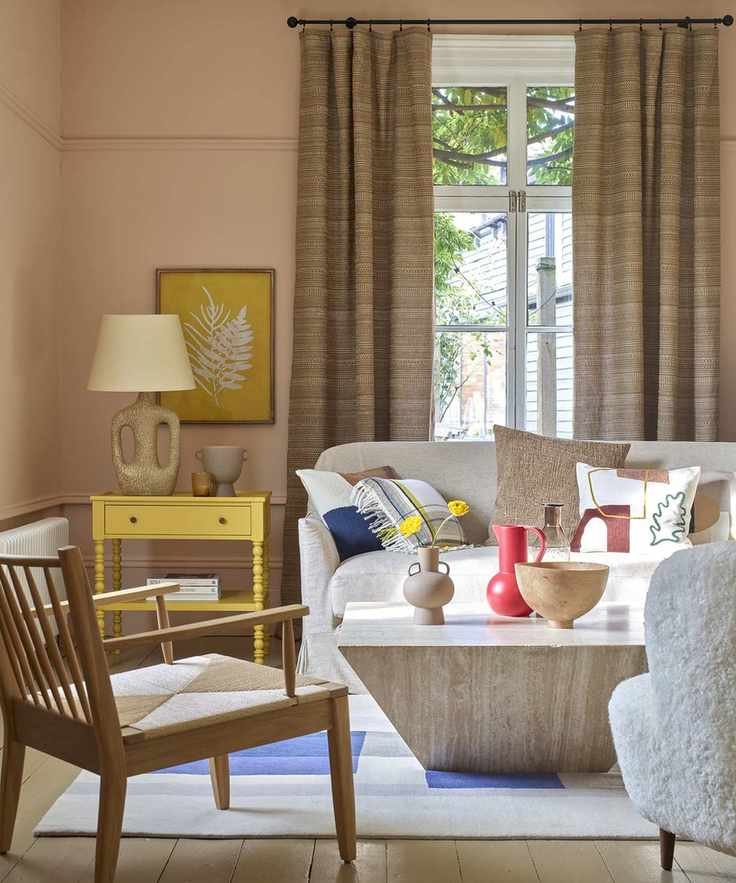
Carefully chosen accessories and furniture can infuse a neutral room with vibrancy. Small bursts of color can uplift the overall aesthetic.
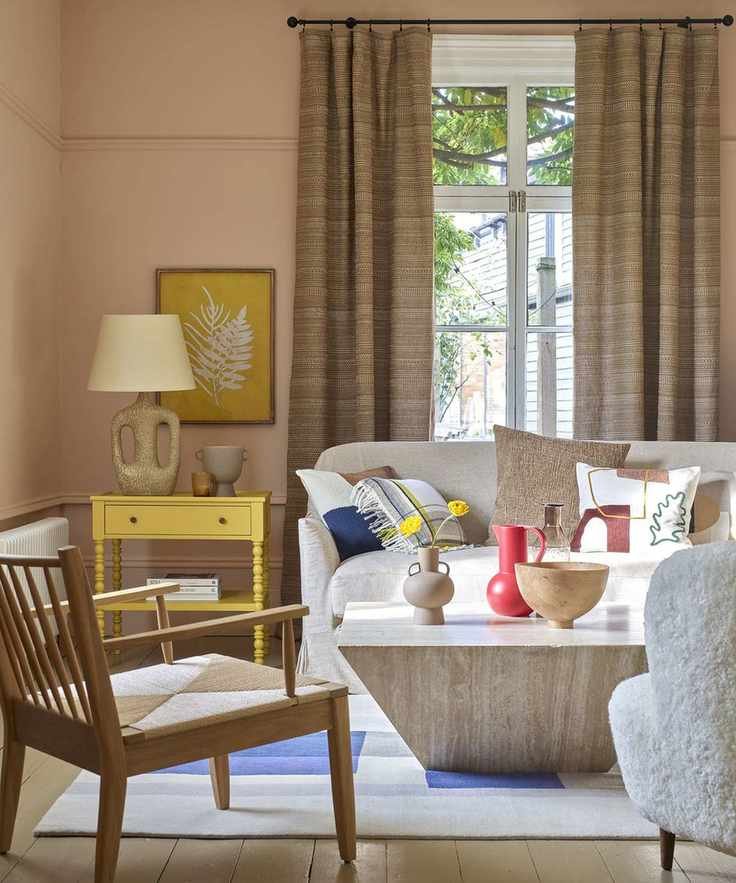
Current trends favor warm neutrals, such as earthy tones and soft pinks, providing an elegant backdrop for cheerful primary colors. A yellow side table, though subtly placed, can become a focal point. Mixing various colors and textures adds an inviting layered feel.
6. Incorporating Primaries in a Contemporary Bathroom
Emma Lee / Sally Denning
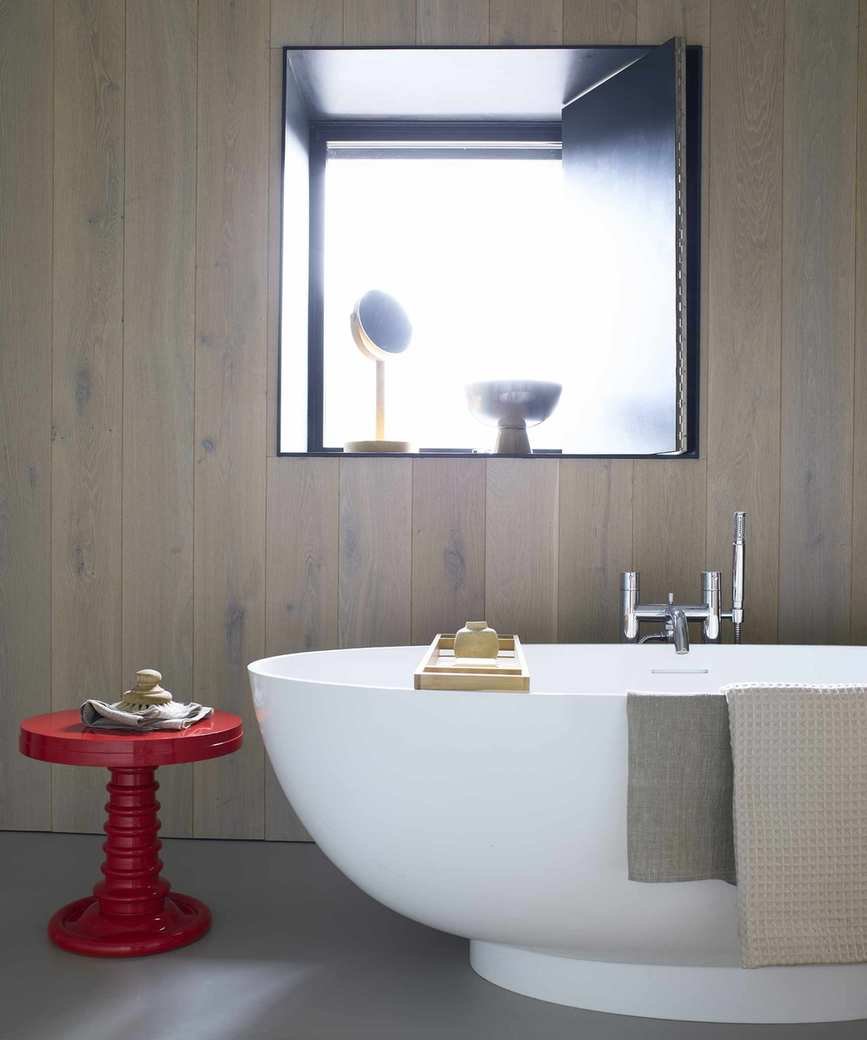
A bathroom should evoke calmness, often achieved through neutral tones. However, a splash of red can bring a modern, vibrant touch to the serene environment.
The minimalist materials—wood paneling, a white bath, and pale gray floors—are beautifully complemented by a colorful side table, perfect for holding bath essentials.
7. Brightening a Natural Dining Area

Emma Lee / Sally Denning
Wooden furnishings and natural flooring can be revitalized with touches of bright primary colors. A singular piece in a bold hue can create a striking statement.
A vivid chair not only draws the eye but also serves as a captivating focal point alongside yellow artwork. The interplay of textures from natural materials and glossy finishes adds depth to the room.
8. Curating a Display of Favorite Items

Emma Lee / Sally Denning
Open shelving provides a fantastic opportunity to showcase cherished items. Instead of stashing ceramics away, display them for daily enjoyment.
A clever blend of natural materials and pops of primary colors can elevate the aesthetic, transforming simple shelves into standout features.
9. Mixing Unexpected Color Combinations

A bright yellow console serves as a bold base for showcasing a collection of beloved ceramics. This eye-catching color draws attention, while a soft plaster pink wall offers a gentle contrast.
This subtle hue adds warmth without overwhelming the space, and weaving elements introduce texture, playfully enhancing the overall ambiance.
10. Adding Accent Colors in Neutral Decor
Emma Lee / Sally Denning
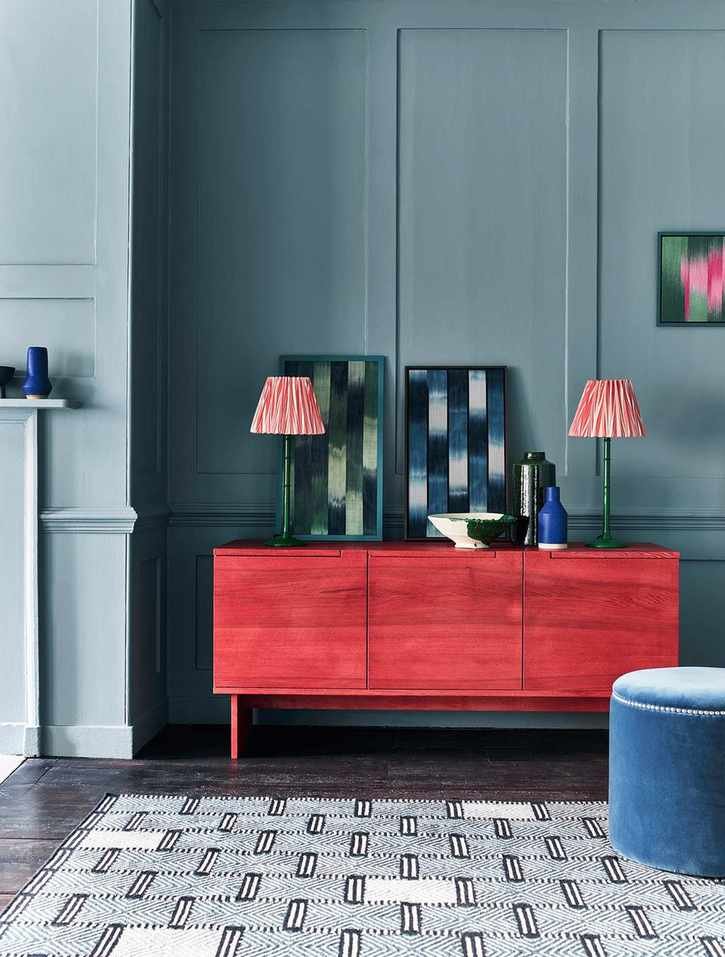
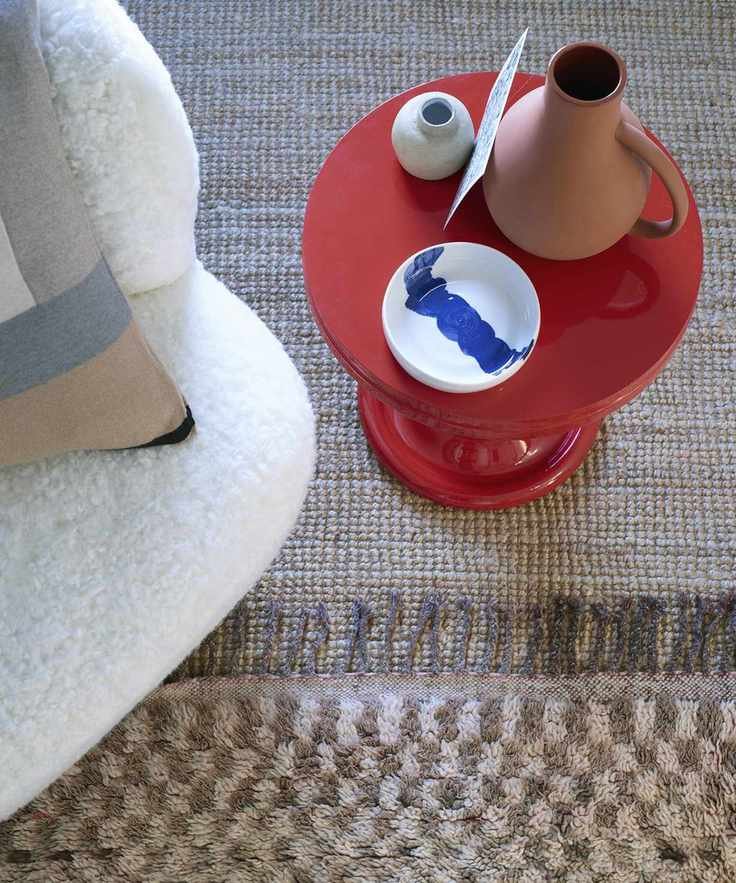
A splash of primary color can inject personality into a neutral room. Here, soft textures of upholstery and natural rugs beautifully contrast with the shiny red of a side table.
Color can seamlessly integrate into existing designs through accessories and smaller furniture, allowing for a vibrant atmosphere without overwhelming the space.



