
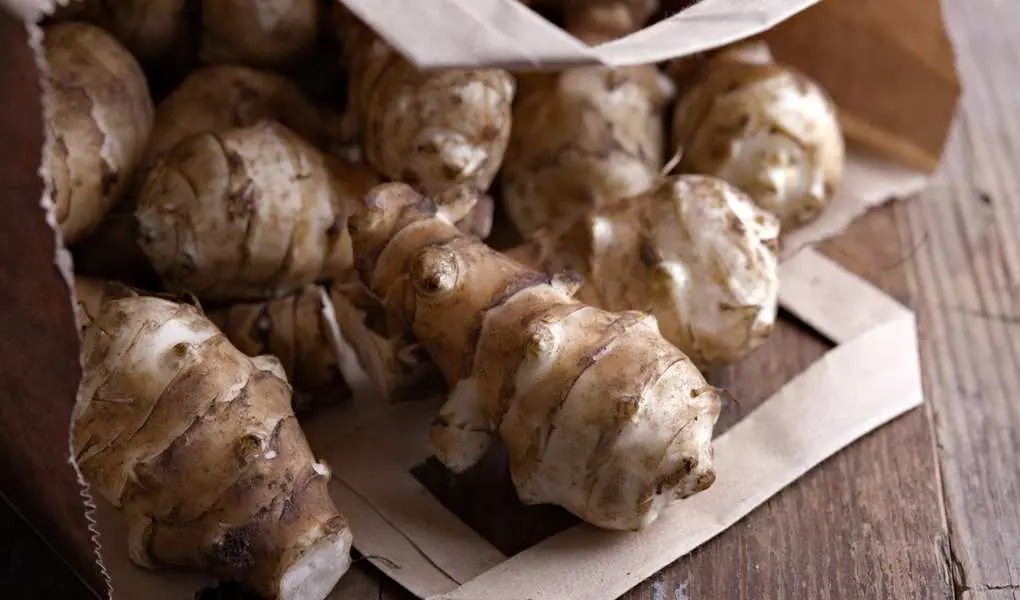
Jerusalem artichokes, also known as sunchokes, are versatile edible tubers enjoyed for centuries. Once overlooked, they are now regaining popularity, appearing frequently on restaurant menus. Cultivating your own can save you money, as these tubers often come with a high price tag.
This unique vegetable thrives in a home garden, requiring minimal effort. Plant tubers in the spring and let them grow until harvest in the fall. They come in various shapes and colors, offering a sweet, nutty flavor packed with minerals and fiber.
As a professional kitchen gardener, I've cultivated Jerusalem artichokes in various gardens, consistently finding them to be a favorite among chefs for colder months.
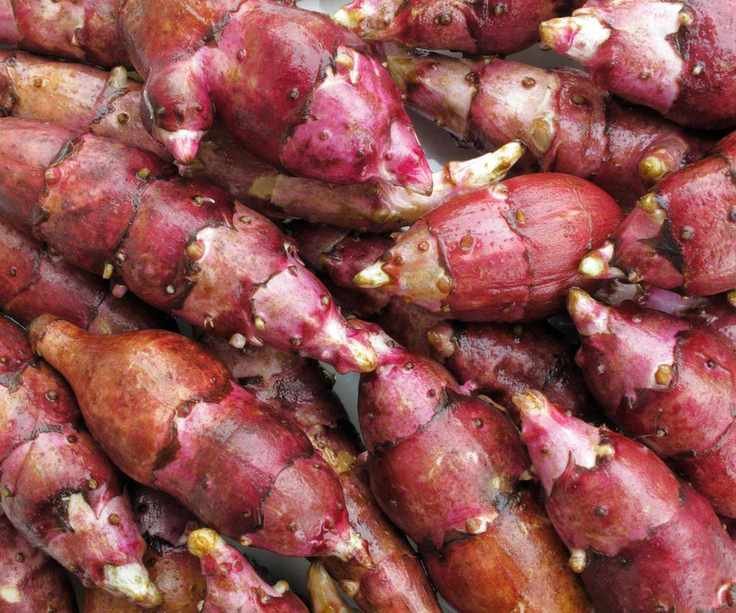
Jerusalem artichoke tubers can vary in color from white to red
Growing Jerusalem Artichokes: Key Steps
Native to North America, Jerusalem artichokes belong to the sunflower family and are cultivated for their edible tubers. Unlike globe artichokes, which are ornamental and produce edible flower buds, these tubers are the focus of our cultivation efforts.
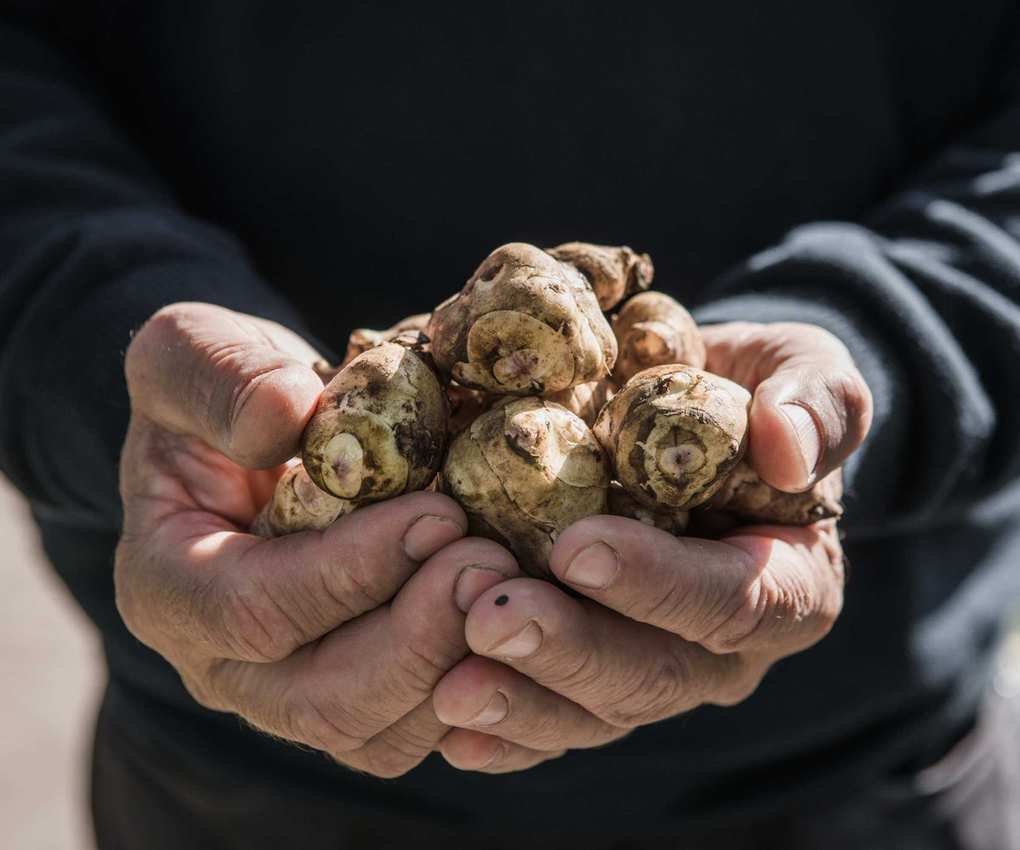
Depending on the variety, tubers can be smooth or knobby
Planting Jerusalem Artichoke Tubers
To grow Jerusalem artichokes, purchase tubers from local stores or online, like these available options on Amazon. You can leave some in the ground or replant harvested ones for the next season.
Once established, Jerusalem artichokes can be challenging to remove since they regrow from even small remnants of tubers. Growing them in raised beds can be beneficial, allowing for easy rotation and removal later.
These plants thrive in sunny spots with well-draining soil. If your soil is heavy, incorporate compost or well-rotted manure to enhance drainage. Avoid soggy soil to prevent tuber rot. As they can grow up to three meters tall, steer clear of windy areas.
Plant tubers in early spring once frost danger has passed for your US hardiness zone. Place them three inches deep and 18 inches apart. You can cut tubers into pieces for more plants, ensuring each has buds. Water them well after planting, and they should sprout in a few weeks.
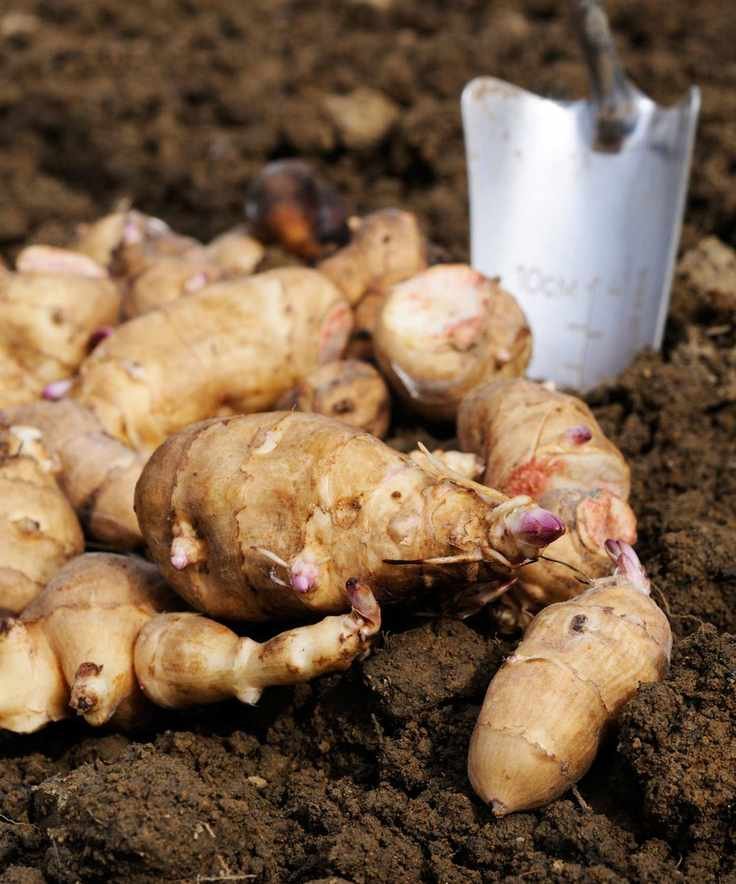
Jerusalem Artichoke tubers are planted in spring
Container Gardening for Jerusalem Artichokes
If space is limited or your soil is heavy, consider growing Jerusalem artichokes in containers. Large pots can yield a good harvest.
Choose a pot that is at least 18 inches wide and deep, filled with free-draining compost. Avoid using old garden soil to prevent rot and disease.
Plants in pots require more frequent watering during summer, but they simplify harvesting and minimize the chance of unwanted regrowth in the garden.

Container-grown crops may yield fewer tubers per plant
Maintaining Your Jerusalem Artichokes
Once planted, Jerusalem artichokes are low-maintenance. They're drought-tolerant and typically need watering only during prolonged dry spells. Consistent watering during dry periods helps ensure that tubers grow to a good size.
No additional fertilization is necessary, but mulching with compost or well-rotted manure enhances moisture retention and suppresses weeds. These materials act as effective fertilizers, enriching the soil.
When plants reach about one foot tall, mound soil around them as you would with potatoes. This technique stabilizes the plants and can increase tuber yield.
In windy areas, consider staking the stems for support. If strong winds threaten, trim stems back to 5-6 feet in mid to late summer, allowing the plants to focus energy on tuber development.
Harvesting is best when the leaves yellow and the stem dries out, usually in fall. Carefully lift the tubers from the ground. Since they don't store well, regularly harvest them throughout winter.
Frequently Asked Questions
How long does it take for Jerusalem artichokes to grow?
Jerusalem artichokes grow quickly, taking about 120 to 150 days from planting to harvest. They can reach heights of up to 10 feet and yield a dozen tubers per plant.
Can you grow Jerusalem artichokes from seed?
These tubers are propagated from themselves, not seeds. They rarely flower and are often sterile, making tuber propagation essential. A few tubers can provide enough for future harvests.
One major advantage of Jerusalem artichokes is their simplicity. For a productive kitchen garden, it's beneficial to focus on easy crops like these, along with considering perennial vegetables such as asparagus or perennial onions that can yield harvests year after year.



