

While the minimalist lifestyle appeals to many, it often feels unattainable. For numerous individuals, including myself, the notion of completely decluttering can clash with personal preferences and home aesthetics.
But what if minimalism didn't mean tossing out everything? From my experience, adopting a minimalist mindset is more about altering your perspective than stripping your space of its charm.
To gain insights, I consulted a leading organizer based in Los Angeles for her advice on how to declutter without sacrificing beloved possessions.
Embracing Minimalism Without Discarding Everything
1. Examine Your Consumption Patterns
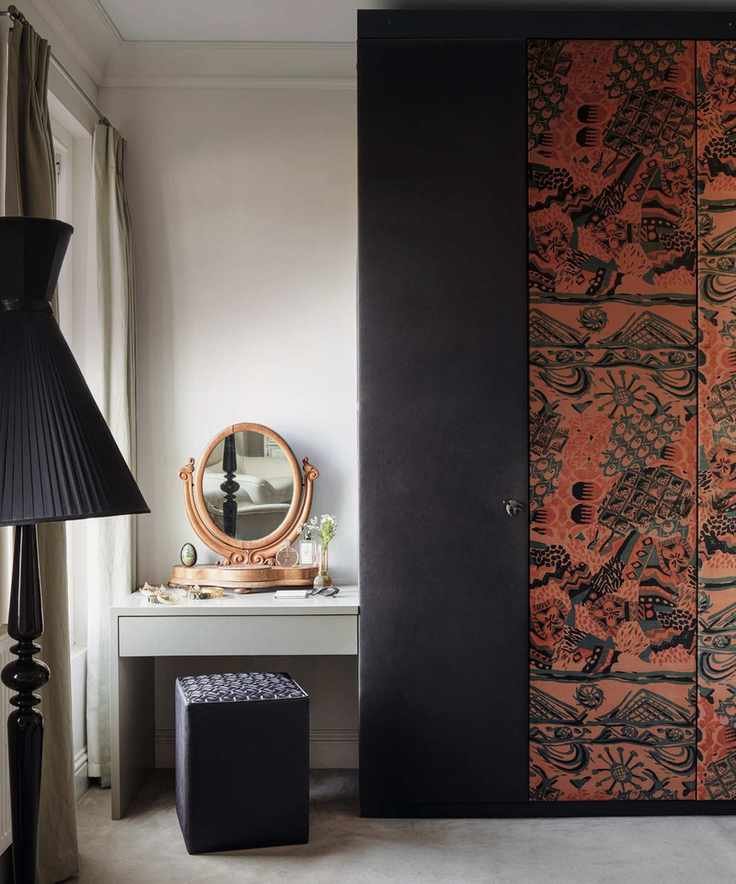
Identifying the source of clutter is the first step toward reduction.
Initiating change requires understanding the root of your clutter. You can't effectively motivate yourself to declutter without recognizing what contributes to the issue.
Tracy McCubbin, the founder of dClutterfly and author of two popular books, emphasizes that the journey to minimalism begins with reflection on your buying habits.
'To incorporate minimalism, start by assessing what you're purchasing and bringing into your home,' she advises. 'The less you buy, the less you accumulate. It's a smart way to begin without discarding anything.'
This approach also aligns well with underconsumption trends, which focus on utilizing items rather than disposing of them, helping to prevent clutter from accumulating in the first place.
All prices correct at time of publication.
2. Adjust Your Vocabulary
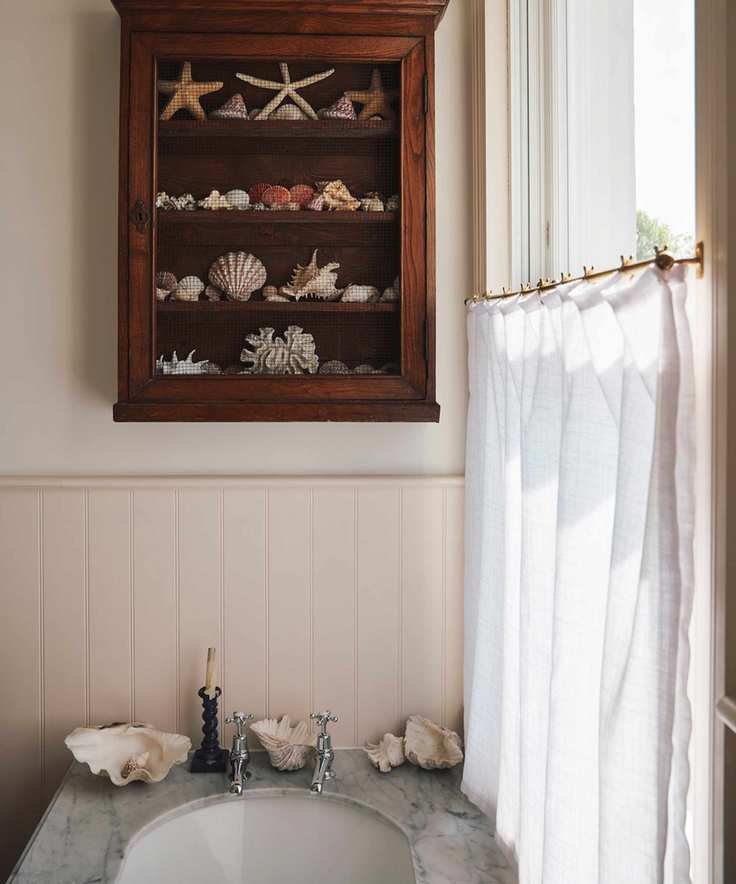
Modifying your language around purchases can significantly impact clutter control.
Tracy suggests that simply changing the words you use can influence your buying decisions. Switching from 'I need' to 'I want' can drastically affect what enters your home.
'You'll be surprised by how this mindset shift can reduce your spending,' she says. 'In reality, most of us don't truly need that extra pair of jeans or another candle; we just want them. By changing your phrasing, you alter your purchasing habits.'
This shift in thinking makes it easier to keep your space clutter-free without becoming overly strict about your belongings.
3. Limit Impulse Purchases

Taking time before making a purchase ensures you only acquire items you genuinely want or need.
We often experience that urge to buy something the moment we see it. However, Tracy emphasizes that if you wish to minimize clutter without discarding everything, you must reduce your purchases.
Chances are, you probably already have something similar at home. This realization has helped me immensely in my own journey toward minimalism.
Now, I keep a wish list on my phone (or a physical notepad) to track items I consider buying. I revisit this list a month later to assess whether I still desire those items, applying the 90+ minimalist rule to curb impulse buying.
'Late-night online shopping and spontaneous purchases only add to clutter,' warns Tracy. 'By changing your impulse-buying habits, you can achieve a more minimalist lifestyle.'
To implement this, consider adopting a waiting period for your purchases, like the 30/30 decluttering rule. For instance, wait 24 hours for a $50 item or 48 hours for a $100 one. As time passes, your desire to buy may fade.
'Emotional purchases often lead to clutter,' Tracy explains. 'By allowing yourself to wait, you'll avoid accumulating unnecessary items.'
Meet the Expert

With two decades of experience as a professional organizer, Tracy has guided countless clients in creating functional spaces. She emphasizes that organizing isn't merely about discarding items but fostering a mindset that promotes lasting organization.
It's crucial to learn from those who have embraced minimalism while also recognizing the importance of maintaining your happiness and personal style.



