
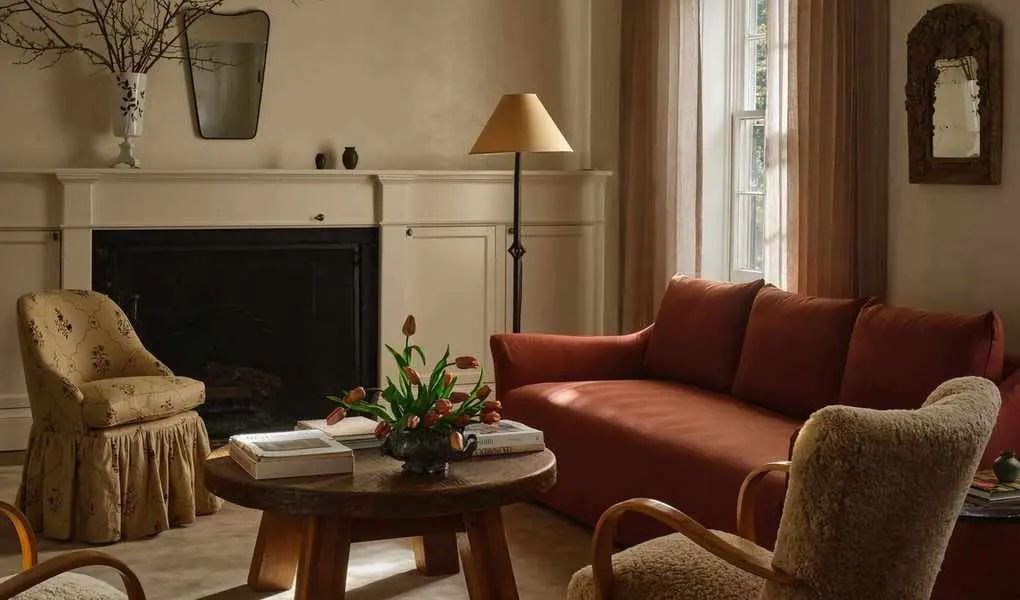

There's a subtle transformation in how we perceive our living spaces, one that prioritizes warmth over mere size.
For a long time, the mindset was that larger spaces were superior. Open-plan layouts took center stage as walls came down, merging rooms for enhanced light and social gatherings. However, I've noticed a growing desire among myself and clients for something different—something more intimate and personal.
Romantic design isn't about extravagance or nostalgia; it's about creating spaces that foster connection. Instead of asking, 'How spacious can this feel?' we should be asking, 'What emotions do I want to experience here?'
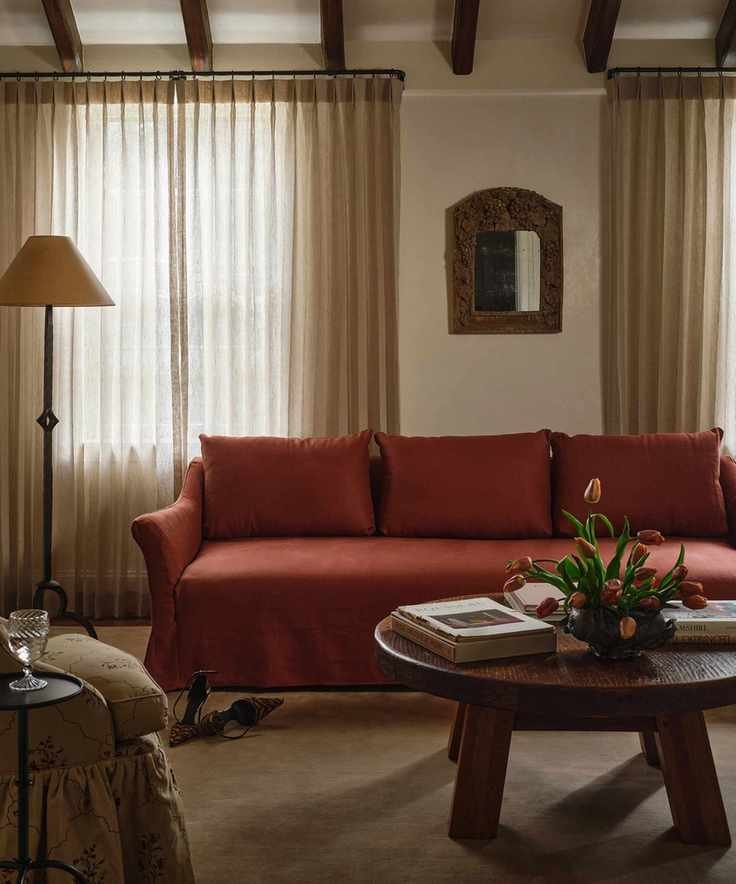
Our Maryland storybook project was a pivotal moment for me. Though the house wasn't grand, it possessed something far more precious—soul. We chose to honor its natural flow, preserving its charm and smaller rooms, enriching textures, and allowing each area to express its own character. A dining area evolved from a mere passage to an inviting destination. A cozy office nook nestled by a window encouraged reflection. Even the hallway contributed to the narrative.
This method is about embracing intimacy, where homes prioritize presence over performance. Spaces feel curated, emotional, and profoundly human. Not everything is revealed immediately, which is precisely the objective.
At its finest, romantic design flourishes in spaces with defined edges.
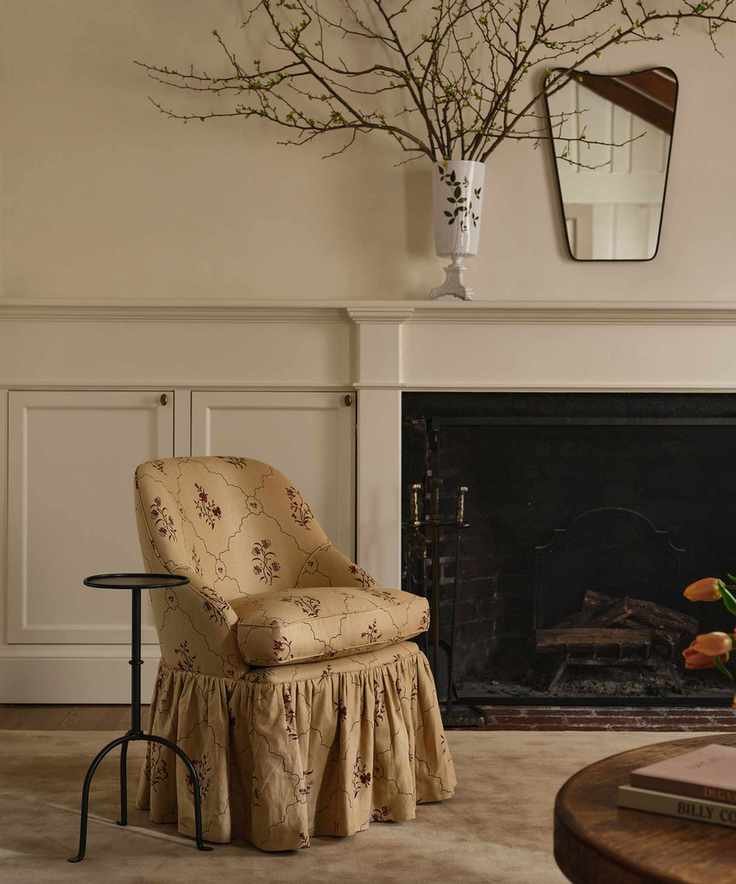
There's something reassuring about a space that understands its purpose. A library that envelops you in tranquility. A kitchen that radiates warmth instead of showiness. A bedroom that feels like a gentle sigh at day's end. These are not just rooms; they are experiences that require intention rather than more square footage.
Cottages inherently grasp this principle, as does much of European architectural history. In several of our smaller projects, we've embraced clarity of purpose instead of resisting it. Rather than tearing down walls, we've refined them—introducing arched doorways, layered drapery, and soft thresholds that signal shifts in mood. The outcome is a home that unfolds gradually, like a good book, rather than revealing everything at once.
Mood is crafted in layers.
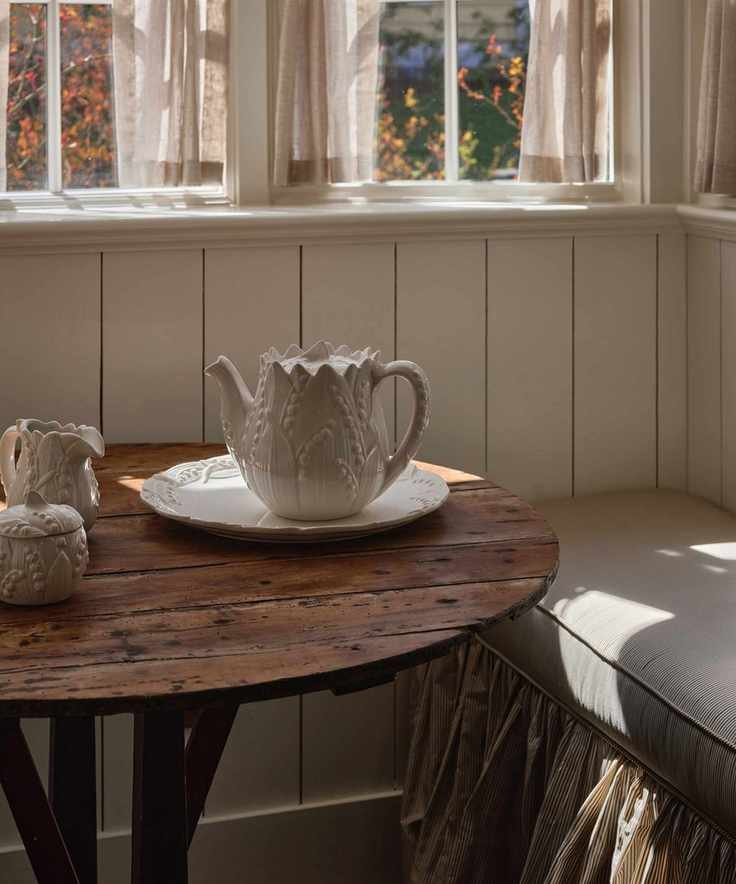
It's the character of an antique table, the way afternoon light dances through linen curtains, the comfort of well-loved upholstery, and the delicate balance of shadow and light. It's less about eye-catching pieces and more about creating a captivating atmosphere. You don't just observe it—you feel it.
Most importantly, romantic design embraces imperfections. A creaky floor, an uneven frame, a well-loved chair—these elements add richness and authenticity. They remind us that a home is not a showroom; it's a living, evolving reflection of its inhabitants.
As we shift away from the trend of endless open spaces, we're rediscovering a vital truth: the beauty of boundaries. Not as restrictions, but as invitations—to linger, gather, and retreat.
Ultimately, the most unforgettable homes aren't necessarily the largest.
They are the ones that resonate with emotion.



