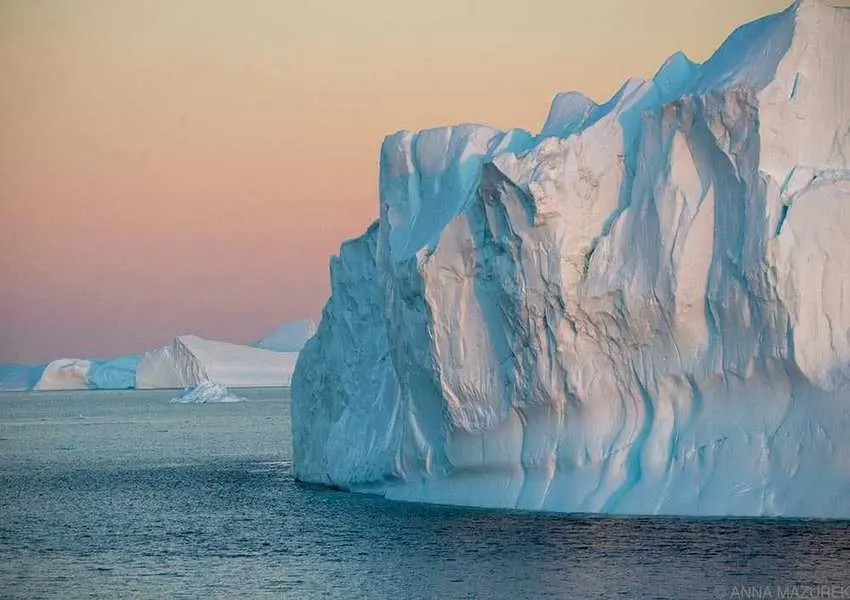
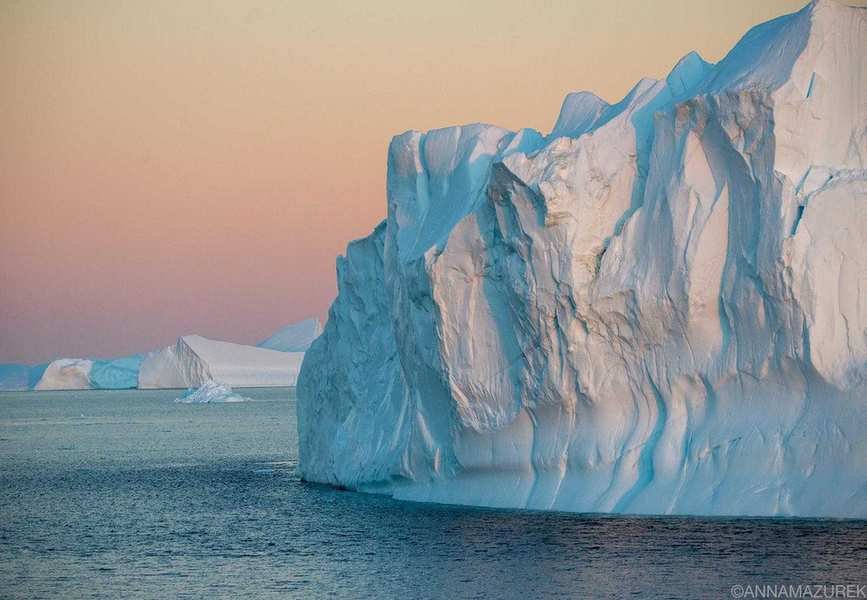
 Icebergs in the Gerlache Strait at sunset in Antarctica.
Antarctica offers a thrilling adventure with breathtaking wildlife and stunning landscapes. Knowing what to bring for your trip is just as vital as choosing your travel dates.
If you're preparing for an upcoming cruise to Antarctica or thinking of booking one, here's a comprehensive packing list. From footwear to outerwear, I've put together essential items for your Antarctic journey. For some pre-trip inspiration, check out my photo diary of Antarctica showcasing my month spent there on work!
This post includes affiliate links. If you purchase through these links, I may earn a small commission at no additional cost to you, helping maintain this blog.
Packing Essentials for an Antarctica Cruise
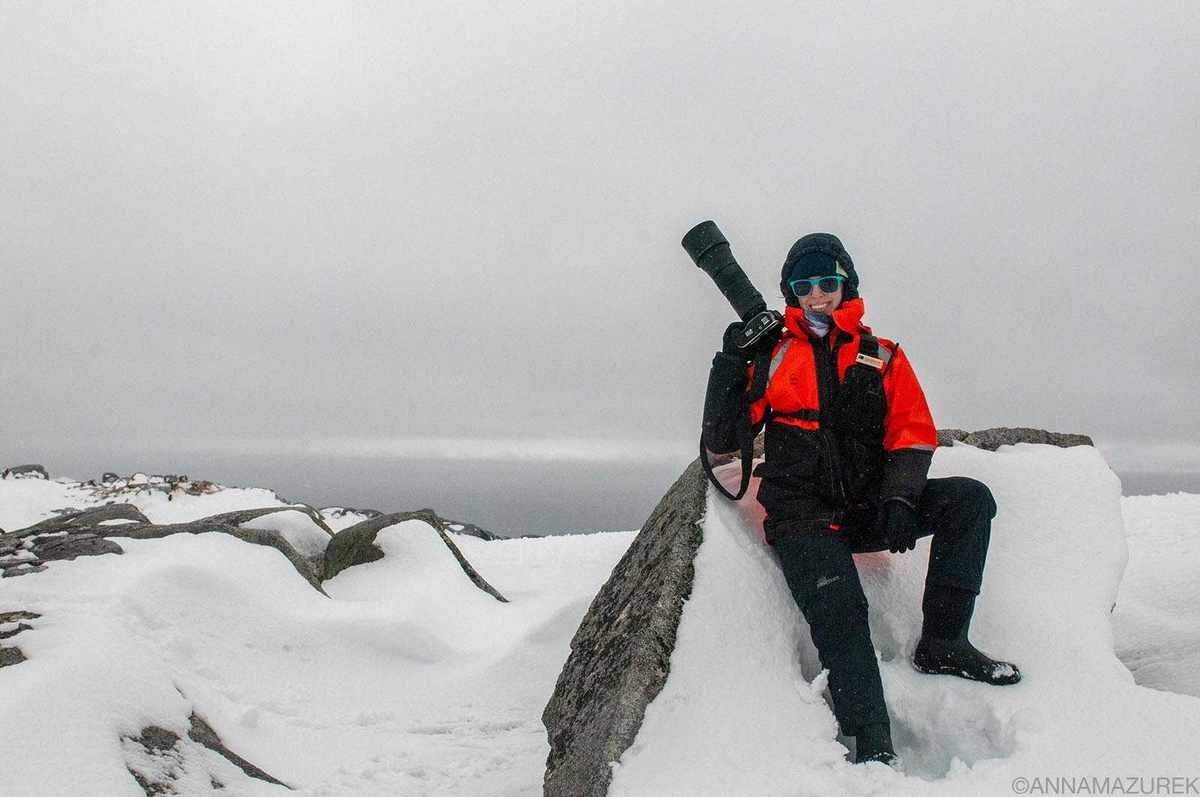 Here, I'm wearing a float coat that acts as a life jacket. Underneath, I have an ultralight down jacket, thermal tops and bottoms, rain pants, wool socks, waterproof boots, and accessories like a fleece buff and a hat with ear warmers.
I didn't pack well on my first trip, and I want you to avoid my mistakes. The weather fluctuated around freezing; some days were sunny, while others brought heavy snow. Keep my experiences in mind when reviewing this list!
Biosecurity Considerations for Antarctica
Waterproof and water-resistant are distinct. Ensure everything you bring is truly waterproof. Due to biosecurity protocols aimed at preventing invasive species, clean your boots and vacuum your clothing before your first shore landing. After each landing, sanitize your boots or anything that touches the ground, making waterproof clothing essential.
Antarctica Cruise Packing Checklist
- Waterproof hooded raincoat: Most cruises provide a warm insulated jacket, but if not, ensure your jacket is warm and waterproof or allows for layering. I recommend Marmot rain gear as an excellent layering option; size up for comfort.
- Insulated Boots: Waterproof, insulated, knee-high boots are a must. I suggest either Muck Boots or Boggs. Renting through your cruise company might be an option as well.
- Waterproof pants: These should fit over your boots. Pants with full zippers along the legs are easier to put on and take off. I usually select Marmot pants, buying a size up for layering.
- Ultra-light hooded down jacket: This was a lifesaver! If your outer jacket isn't insulated, layer a fleece on top. I wore a Uniqlo lightweight down jacket under a Columbia fleece. For alternatives, consider Patagonia Nano Puff or Nano-Air jackets.
- Thermal tops: Bring 3-4 thermal long-sleeve tops. I layered two most days. My favorites are Patagonia Capilene and Columbia Omni-Heat, available for both men and women.
- Thermal bottoms: Bring 2-3 pairs. I wore Patagonia Capilene thermals beneath fleece-lined leggings daily. My leggings were discontinued, but Arc'teryx Essent Warm is a suitable alternative. I sometimes added fleece joggers over them.
- Merino Wool Socks: Pack a minimum of four pairs. I usually wore two pairs daily. Darn Tough socks are my favorite for comfort and durability.
- Gloves: Bring 2-3 pairs. I enjoyed the Seirus Soundtouch Xtreme All Weather Gloves, along with a pair of lightweight gloves and wool gloves as backups. Ensure you can operate your camera or phone with any gloves you choose.
- Fleece buff: I brought two Buffs, so I'd have a dry one handy.
- Insulated Hat: An insulated beanie is crucial for chilly days. Consider adding earflaps! For brighter days, I opted for a Columbia water-resistant baseball hat (similar here) with ear warmers to keep it secure.
- Sunglasses and ski goggles for snowy Zodiac rides (I envied those with goggles).
- Sunscreen and SPF Lip Balm: Sunburn is a risk in Antarctica. I favor Sun Bum's SPF chapstick and matte face SPF to avoid greasy hands, minimizing the chance of getting sunscreen on my camera.
- Dry bag backpack: The most common brand I noticed was Overboard. I mistakenly took a regular backpack with a rain cover.
- Lightweight dry bag for camera and phone: I used a 13-liter Sea to Summit for my camera with a wide lens and kept my phone in a one-liter Sea to Summit dry bag in my jacket pocket. My backup camera body with the zoom lens was in my backpack.
- Hiking Poles: Your cruise may provide these; they're helpful in deep snow.
- Hand and foot warmers: Bring two pairs for each day, excluding sea days. Disposable Ignik Brand warmers are convenient, but consider eco-friendly rechargeable options.
- Meclizine for Sea Sickness: During our Drake Crossing, we encountered 20-foot waves, typical for that route. Most ships provide medication, but bring what works best for you.
- Nuun electrolytes: Staying hydrated is key, especially after long days in the sun or rough seas. I favor Nuun for its low sugar content and great taste, particularly the lemon-lime flavor.
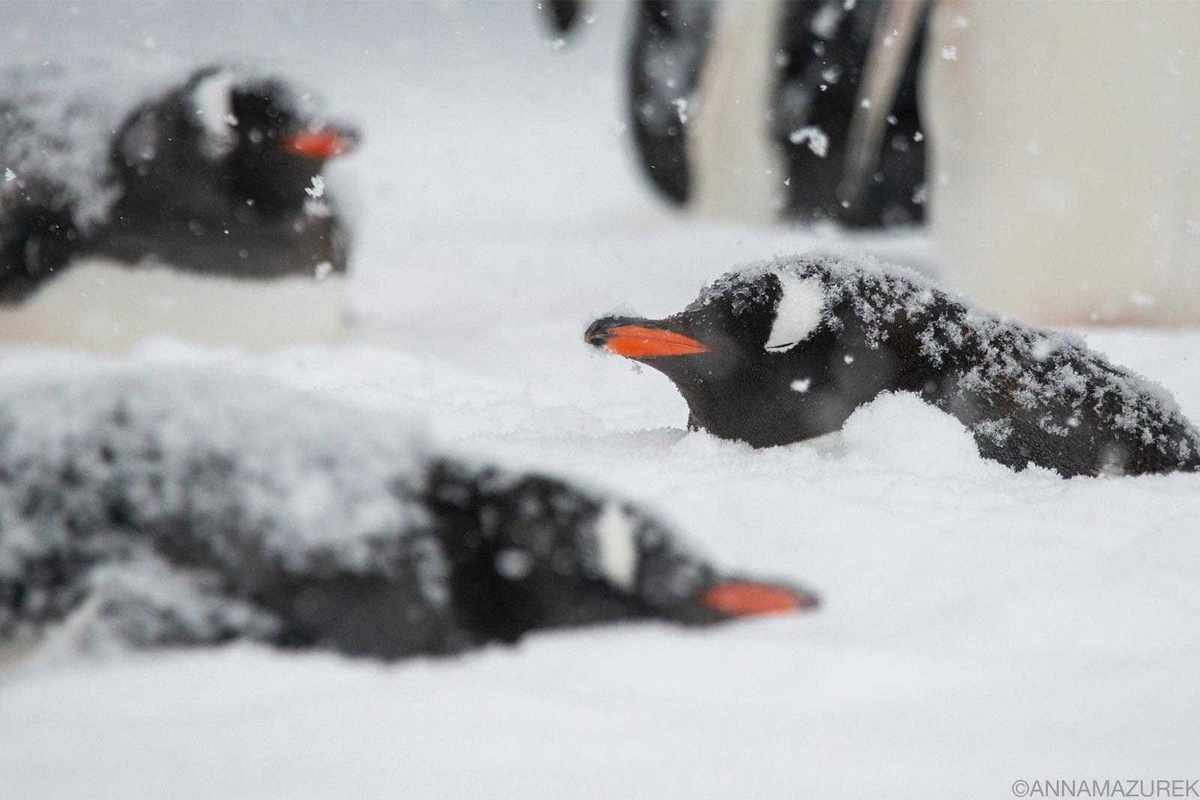 Gentoo penguins swimming near Useful Island, Antarctica.
Camera Gear for Antarctica
Due to IAATO regulations, you can't approach penguins or other wildlife closer than 15 feet. A minimum 500-600mm lens is necessary for wildlife photography. I recommend having two camera bodies—one with a wide lens and another with a zoom to avoid lens changes in harsh conditions. (Consider renting equipment from LensRentals.com, which I've used successfully.) A tripod is generally unnecessary.
- Wide angle lens: (Recommended: 24-70 mm f/2.8)
- Zoom 500-600mm: I bought a Sigma Nikon 150-600mm lens for its lightweight design. While sharp, its focus is slow. A Nikon 70-200 with a 1.4x teleconverter or Nikon 500mm prime provides faster focus. Rental options are available at LensRentals.com.
- Rain Covers: I suggest the LensCoat RainCoat in both large and small sizes.
- Camera Dry Bags: I used a lightweight Sea to Summit bag for my camera body with a wide-angle lens.
- Circular polarizing filter: This helps reduce glare and reflections on water and snow.
- I highly recommend Peak Design's Slide camera straps, wrist straps, or Capture clip that attaches to your backpack strap.
Best Time for an Antarctic Adventure
The prime period for an Antarctica cruise is from November to March. Depending on your interests, consider the following:
Penguins: Early in the season, they nest and by mid-December usually have eggs. Some chicks begin hatching at the end of December. To see baby penguins, plan to visit in January.
Whales: February and March offer the highest whale sightings. The January trips after my December excursions reported many whales (we spotted several killer whales in December along with humpbacks).
Snow Activities: Early in the season, particularly November and December, offers more snow. To experience fast ice (ice attached to the coastline), visit early (November to mid-December). You might find some in January, but it's not guaranteed.
Travel Tips for Budgeting and Exploring
While I cherish the nostalgia of paper maps and film cameras, smartphones simplify travel. Here are my favorite free travel apps that make life easier!
Austin holds my heart with its warm weather, outdoor activities, delicious cuisine, craft beer, and renowned live music. If you're visiting Austin, don't miss these fantastic dining and entertainment spots!
Thailand can initially seem daunting, but it's manageable. I'm sharing practical tips from years of exploring the country, including how to avoid pitfalls, navigate transport, and appreciate cultural nuances.
For more travel insights and updates from my adventures, feel free to reach out!
Let's stay connected!
ALL CONTENT © 2026 | TERMS OF SERVICE | PRIVACY POLICY
This site includes affiliate links. We may earn a commission on purchases made.