Lawn trimmers are a must-have for anyone aiming for a pristine yard. They tackle stubborn patches of grass around trees and walls, ensuring a flawless finish.
However, opting for the wrong model can result in an uneven landscape. Without the right knowledge, you might end up with a tool that's uncomfortable and poorly balanced.
Having tested a variety of trimmers over the years, I've gathered insights on what defines a quality lawn trimmer. Understanding how to choose wisely can save you time and money. Here's what you need to know.
1. Decide Between Line or Blades
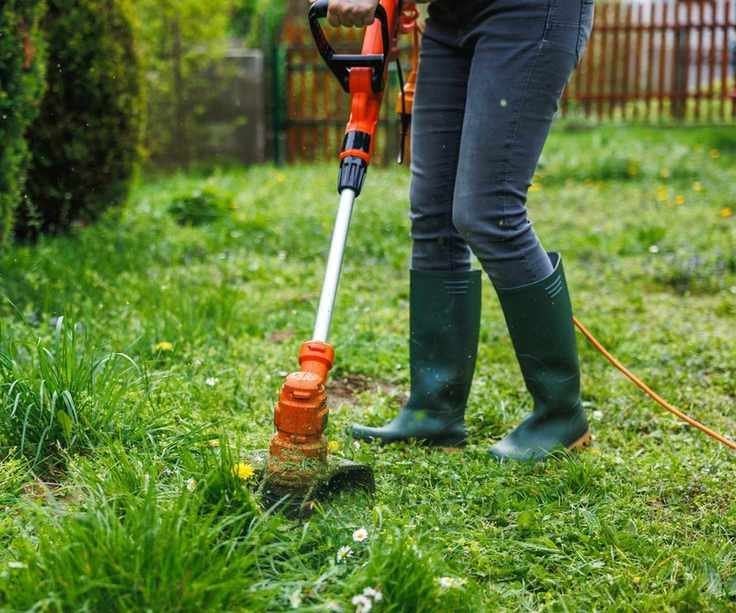
Your first major decision when purchasing a lawn trimmer is whether to go with blades or line. Blade trimmers operate like a lawn mower, utilizing spinning blades—either plastic or metal—to cut grass.
On the other hand, line trimmers employ nylon cord that spins to slice through grass. Each method has its pros and cons. Blade trimmers provide cleaner cuts and can handle tougher vegetation, while line trimmers are generally more durable. If you hit a rock with a line trimmer, it simply spins around it. A blade, however, may chip and require replacement.
Choose based on your yard's conditions. For rocky areas, a line trimmer is ideal. If you have a lot of dense grass and weeds, a blade trimmer may work better.
Worx WG183 40V 13" Cordless String Trimmer
Opt for a cordless model like this one. A corded trimmer can restrict your movement, while a cordless option allows you to navigate easily around tricky areas.
Wild Badger Weed Wacker
This gas-powered option includes a metal blade, perfect for tougher weeds and brush, plus a comfortable shoulder strap.
Greenworks Tool Bundle
If you're okay with a slight dip in quality, this bundle can save you a lot of money. It includes a trimmer, mower, and a useful leaf blower.
2. Get an Auto Feed if Using Line

If you select a line trimmer, ensure it has either a bump or auto feed feature. While many models include this, not all do.
Line trimmers utilize a spool of wire with exposed ends. These heads wear down as they encounter hard surfaces. A bump feed lets you easily extend the length of wire by tapping the trimmer head on the ground. An auto feed does this automatically, which is more convenient as you work.
Be sure your trimmer can dispense line efficiently. Older models without these features can be frustrating, requiring manual line adjustments.
3. Consider Going Cordless

Many hesitate to choose cordless tools due to battery maintenance and perceived power limitations. However, cordless lawn trimmers are lighter and easier to manage, especially over larger areas.
They don't require as much power as gas models for cutting, so a good cordless trimmer can perform as well as its gas counterpart. Plus, you avoid the maintenance hassles and fumes of gas engines.
4. Focus on Ergonomics
Ensure your trimmer comes with a shoulder strap. Although lightweight, holding a trimmer for extended periods can be tiring, and a strap alleviates some of that strain.
Look for comfortable handle types. Bike handles are ideal for cutting through dense brush, while loop handles are better for precision work. If your trimmer has a loop handle, ensure it's adjustable for versatility.
5. Opt for an Edger Feature
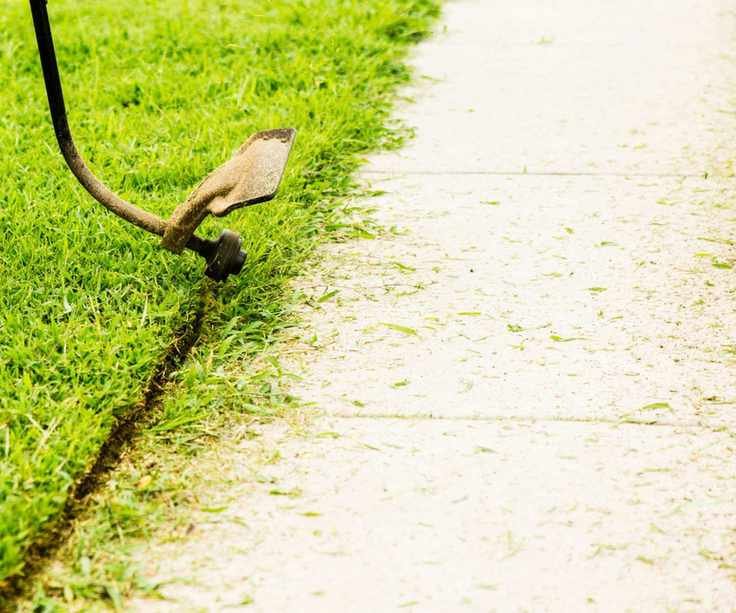
It's beneficial to choose a trimmer that can also function as an edger. Models that allow head rotation make edging much simpler. This feature saves time and eliminates the need for separate edging equipment.
Some of the best models come with wheels, enabling you to achieve a straighter line with ease.
Lawn trimmers aren't the only tricky yard tools to purchase. Knowing how to choose gardening tools and lawnmowers can also result in significant savings and help you find durable options.