
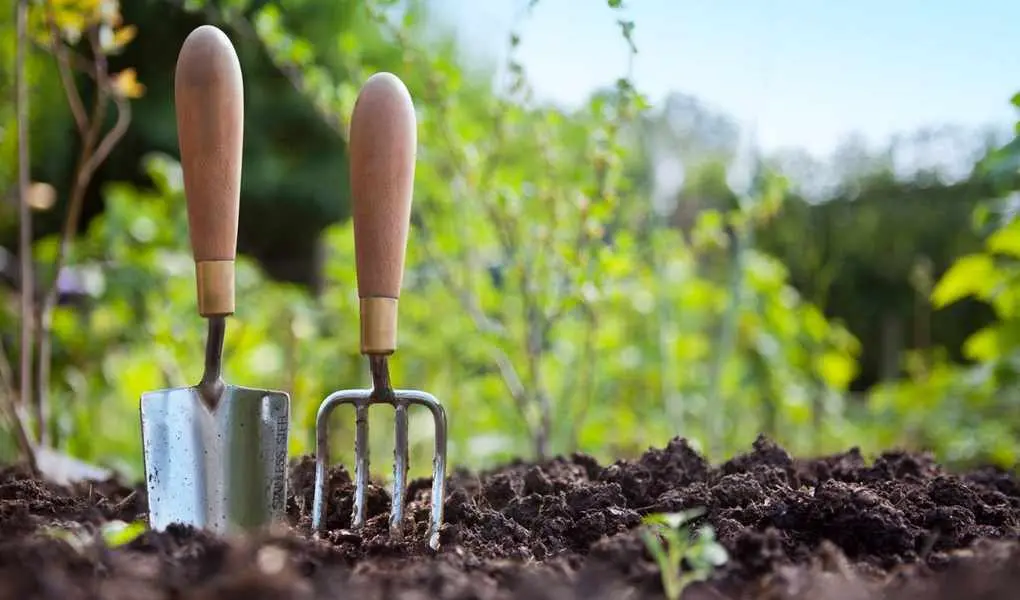
Nothing is more aggravating than using ineffective gardening tools. A faulty tool can ruin a productive gardening session, breaking at the worst moment and throwing off your schedule. Even worse, it results in wasted money.
Over the years, I have tested numerous gardening hand tools, ranging from inexpensive plastic trowels to high-end shovels costing several hundred dollars.
Here's what to keep in mind when selecting garden tools. By following these guidelines, you can save a significant amount of money while acquiring tools that will last a lifetime.
1. Understand the Types of Steel
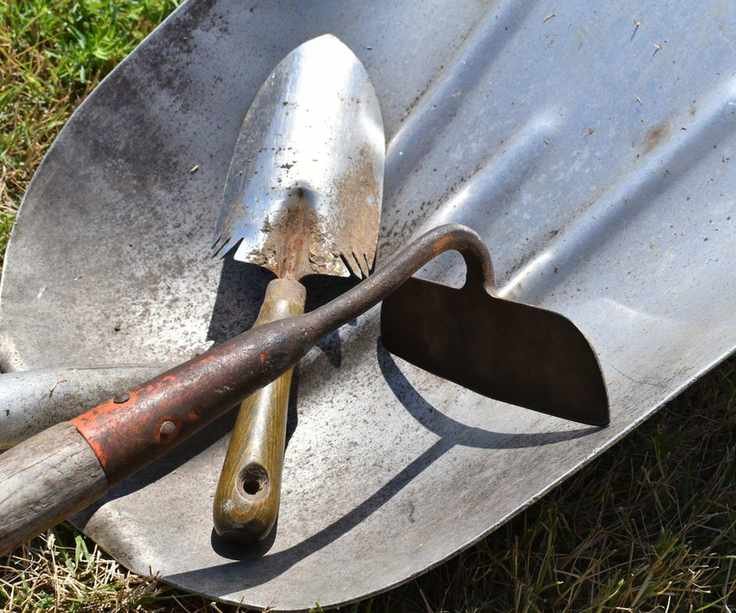
High-quality hand tools should have metal heads, typically made from one of two types of steel: stainless steel or carbon steel.
Each type of steel has its own advantages. Stainless steel is resistant to rust, making it ideal for tools like trowels that may be used in wet soil or left outside in the rain. On the other hand, carbon steel is prone to rust, so if you tend to leave your tools outdoors, lack time to oil them, or store them in humid environments like greenhouses, stainless steel may be the better option.
While carbon steel rusts, it is also stronger and more durable than its stainless counterpart and is cheaper to produce, allowing you to save on costs.
When shopping in a store, distinguishing between the two types of steel is straightforward. Carbon steel tools often feature a black thermoplastic coating that helps delay rusting. In general, if the metal is silver, it's likely stainless steel; if it's black or gray, it's probably carbon steel.
The choice is yours: for low maintenance, choose stainless steel; for strength and affordability, opt for carbon steel.
2. Choose the Right Wood and Avoid Plastic
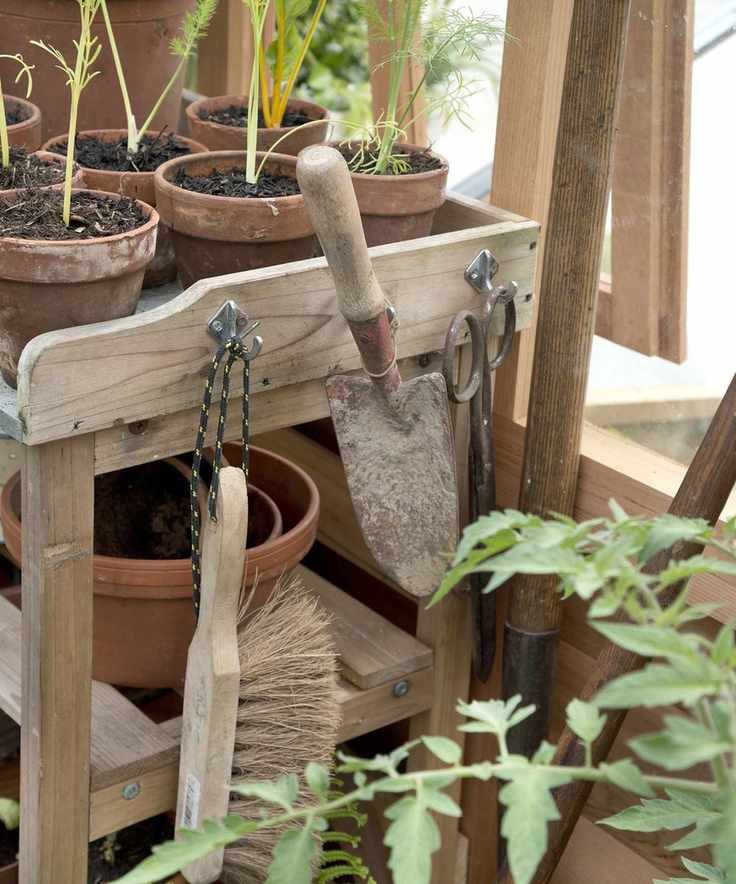
When selecting garden tools, focus on two main types of wood for handles: hickory and ash. Both are sturdy yet slightly flexible, which is beneficial for activities such as digging or hoeing, as the wood bends a bit under the weight of the soil.
These woods are also relatively lightweight considering their strength, and ash handles are particularly easy to sand, making upkeep simpler and ensuring a comfortable grip. You should be able to find tools with ash and hickory handles without difficulty.
Avoid walnut handles, although they may look appealing. Over the years, walnut can warp due to moisture, and it is not very resistant to rot. As hand tools are typically stored in humid areas like greenhouses, walnut handles may not hold up well over time.
3. Steer Clear of Plastic Tools
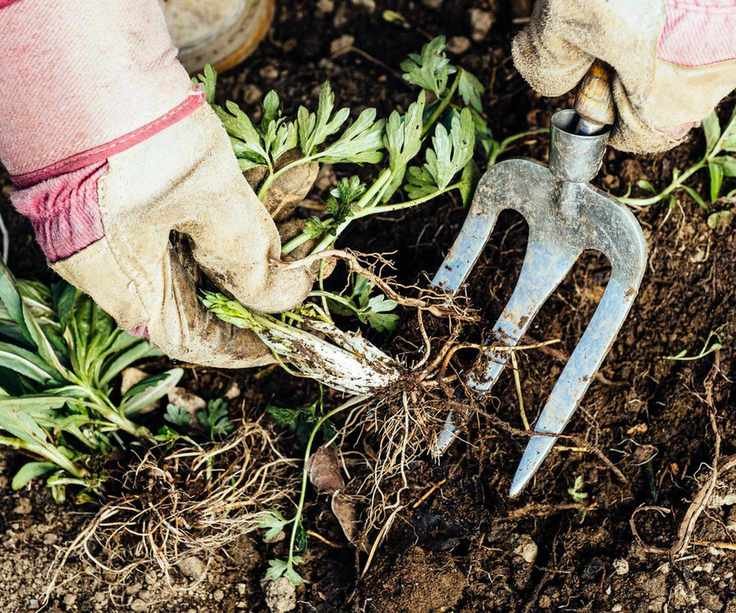
Above all, avoid plastic gardening tools. They are inexpensive but often break easily. More importantly, they pose an environmental threat. Gardening expert Drew Swainston points out that "Plastic tools leach microplastics into your soil, which can infiltrate your plants. This is detrimental to plant health and particularly concerning if you grow fruits and vegetables, as you may inadvertently consume these microplastics."
Repairing plastic tools is often difficult. Wooden handles can be replaced, but many plastic tools are molded as a single piece, with metal parts glued in. If a plastic tool breaks, it can leave behind dangerous shards that make replacement nearly impossible.

Drew is a qualified journalist with experience writing for various platforms. After earning a horticulture qualification, he worked as a professional gardener, specializing in kitchen gardening. He now shares his expertise and passion for gardening.
4. Look for Multi-Functional Tools
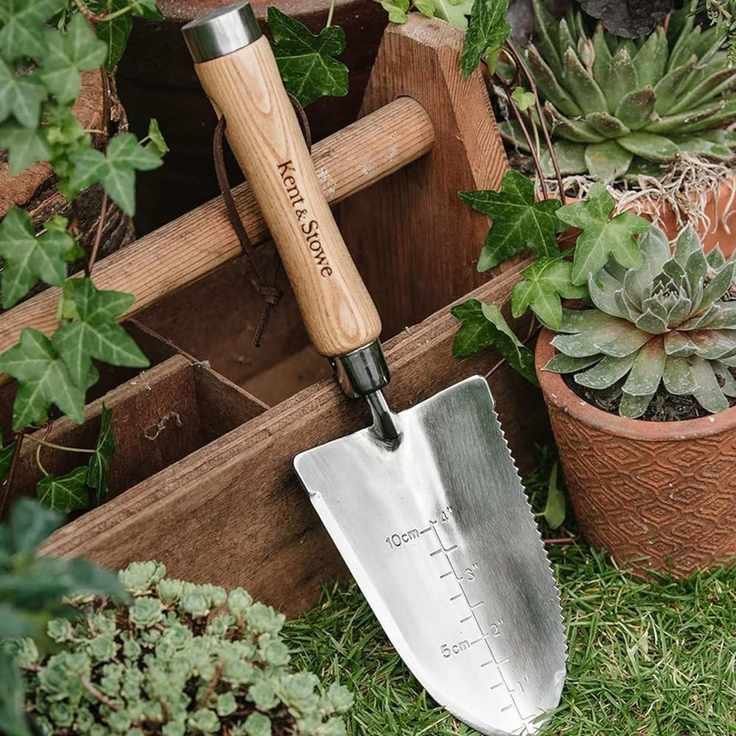
Quality tools can be pricey and require substantial storage space. Whenever possible, opt for tools that serve multiple purposes to avoid the need for a wide variety of specialized tools.
One example of this is my favorite trowel, the Capability Trowel, available on Amazon. This versatile trowel is not only excellent in its own right but also comes with additional features that save both money and space. It includes a serrated edge for cutting through bags of soil or roots, a depth gauge to help you plant seeds and bulbs at the proper height, and a small hammer on the handle for driving in stakes for climbing plants. It's a handy multitool that combines several tasks into one, effectively reducing the need for extra tools.
5. Prioritize Repairability
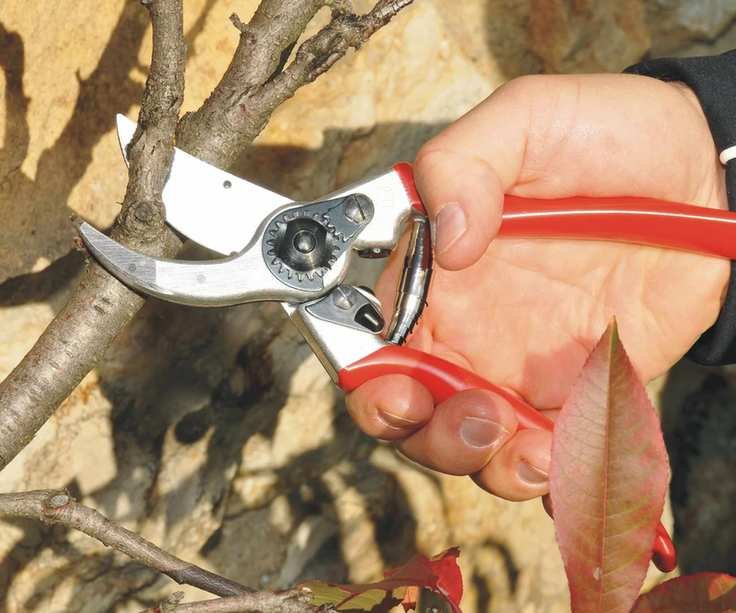
The right to repair is a movement aimed at restoring consumers' ability to fix products. In the past, most tools could be repaired at home with spare parts and a bit of DIY effort. However, with many products now being imported and spare parts harder to find in stores, this has become increasingly challenging.
This is why it's important to choose tools that provide spare parts and encourage repairs rather than requiring you to purchase new tools entirely. This often means shopping from manufacturers rather than big retailers, ensuring you can always source the parts necessary for maintenance.
My top pick for pruners, the Felco No. 2, available from Amazon, is not only comfortable and durable but also allows for easy replacement of any part. If you break a spring, chip a blade, or scuff the handles, you can purchase a replacement to restore them to their original condition.
6. Seek Out a Reliable Warranty
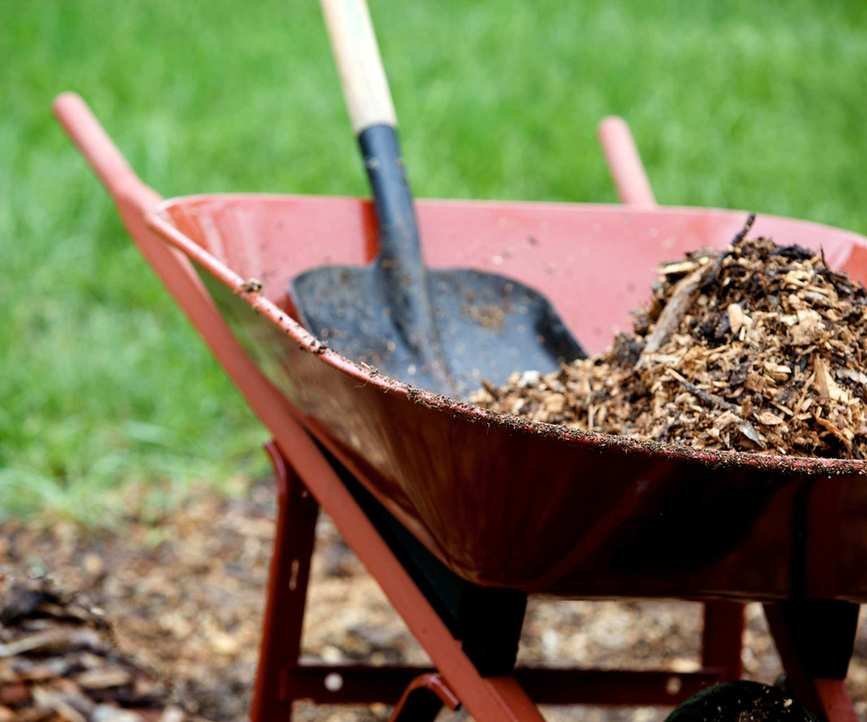
The best gardening tools often come with impressive warranties. In contrast, inexpensive, mass-produced plastic tools typically offer warranties of only five years, if they have any warranty at all. This leaves you stuck with a broken tool without replacement options.
On the other hand, durable tools from reputable brands like DeWit and Sneeboer often come with warranties that last 50 years or even a lifetime. Although these tools may cost more initially, they save you money over time since you won't need to replace them repeatedly.
Finding quality garden equipment involves more than just picking the first tool you see. We've also shared insights on selecting solar lights, pruners, and lawnmowers in our expert guide series.



