
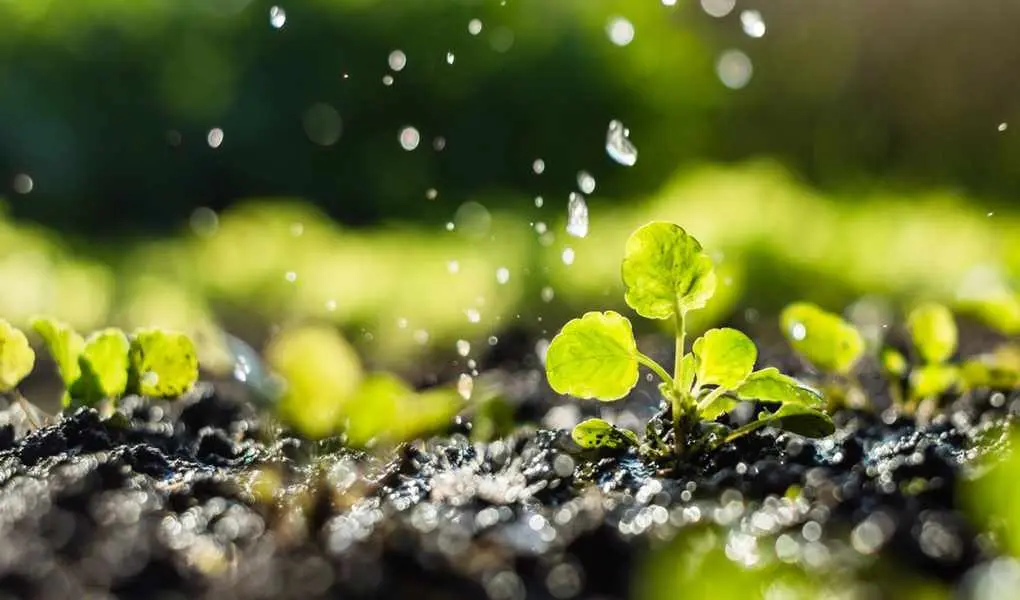
Watering is crucial for keeping plants healthy. While we can't depend on weather to provide enough moisture, we can adopt effective watering strategies during hot days.
Watering can be labor-intensive, but with some smart techniques, we can make it easier during challenging conditions. Choosing the right time to water and providing adequate amounts are vital for maintaining plant health.
Whether dealing with garden beds or container plants, it's essential to know the dos and don'ts of watering in high temperatures. Below are key points to consider as summer heat approaches.
Do Water Early in the Morning
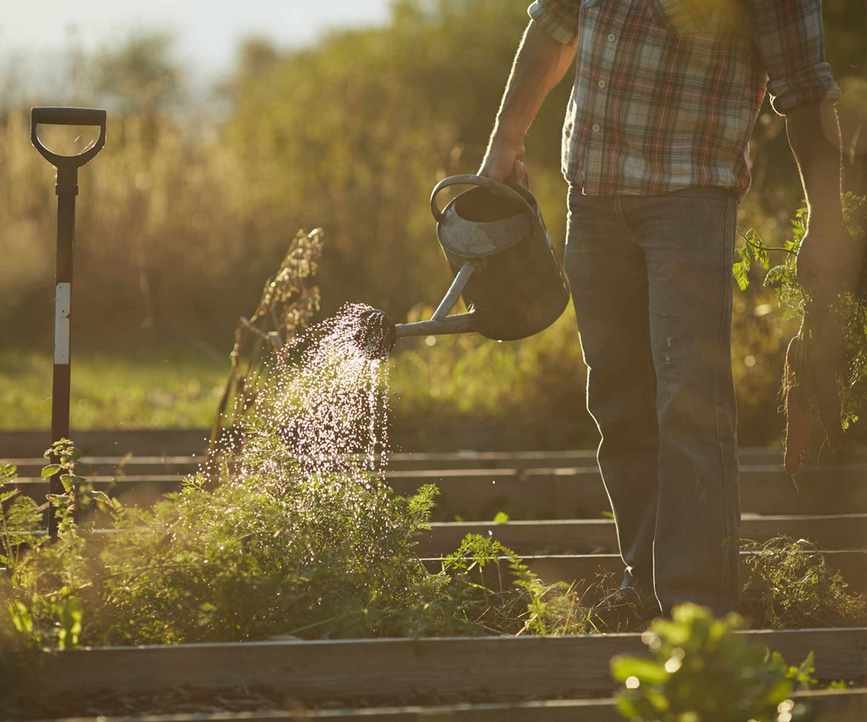
Watering plants at sunset can be a cooler alternative to morning watering.
To maximize your watering efficiency, time it right. Morning or late evening watering helps minimize evaporation during the hottest parts of the day. Cooler temperatures mean plants can absorb more moisture effectively.
Watering in the morning prepares plants for the heat ahead. While evening watering is also beneficial, it carries a risk of fungal diseases due to moisture lingering on leaves overnight. Thus, aim to water your garden or lawn during these cooler times.
Don't Water at Midday

Watering under full sun leads to evaporation and wasted effort.
Avoid watering when the sun is at its peak. This not only exposes you to harsh conditions but also harms your plants. Watering at midday can lead to rapid evaporation, meaning less moisture reaches the roots.
Experts advise against midday watering, as droplets on leaves can cause leaf scorch. Always direct water at the base of plants to avoid this issue. Using a long watering wand can help target roots effectively.
Do Water Deeply

Deep watering helps foster strong root development.
Deep watering is beneficial, especially in hot conditions. Instead of frequent light watering, focus on infrequent but thorough hydration. This encourages plants to develop robust root systems that can access moisture deeper in the soil.
While rainwater harvesting is ideal, tap water can also suffice during hot spells. Deep watering not only helps roots grow stronger but also extends moisture retention in the soil.
Don't Water Just the Surface

Superficial watering can leave roots at risk during heat waves.
Watering only the surface can lead to inadequate hydration and stressed plants. Experts recommend against light watering as it can cause wilting and stunted growth. Instead, ensure that soil remains moist to prevent heat stress.
Shallow roots are another risk of surface watering, making plants vulnerable to damage from winds and heat. Deep watering helps mitigate these risks.
Do Mulch to Retain Moisture

Mulching helps conserve soil moisture and protect roots.
Mulching is a great technique to retain soil moisture during hot weather. It acts as a barrier against evaporation and keeps soil temperatures stable, reducing stress on roots.
Applying a layer of organic mulch, such as wood chips or straw, helps plants stay hydrated. Mulch not only conserves moisture but also adds nutrients to the soil as it decomposes.
Don't Overwater

Excessive watering can lead to root rot and other issues.
Overwatering poses just as much risk as underwatering. During hot weather, it's easy to overcompensate and drown plants, leading to root rot and increased vulnerability to pests.
Check soil moisture levels before watering. A moisture meter can provide accurate readings, helping determine when to water. If the soil feels damp, wait another day before watering.
Do Monitor Pots Regularly

Potted plants often require more frequent watering.
Potted plants dry out quickly, particularly in hot weather. Ensure containers have proper drainage and check moisture levels often. Adjust your watering schedule to keep soil from drying out completely.
Container gardens can suffer more than in-ground plants due to limited soil volume. Water pots twice daily if needed, soaking the root ball until water drains from the bottom.
Don't Forget to Move Pots

In extreme heat, relocating pots to a shaded area can significantly benefit plants. Dark-colored containers can heat up and harm roots, so providing shade can alleviate stress.
Consider moving plants out of direct sunlight to protect them from heat stress. For indoor plants, ensure adequate airflow to help keep the environment cool and prevent disease.
For those planning trips, consider an automatic watering system to maintain moisture levels for your potted plants.
Watering during hot weather can be challenging, but following these dos and don'ts can streamline the process and promote healthier plants. Implementing these expert suggestions can improve watering efficiency, saving time and effort in your garden.
If your plants do suffer from extreme heat, consider using coconut sugar to help revive them.
Shop Watering Accessories
Lefree Garden Hose 100ft: This 100 ft metal garden hose, made of 304 stainless steel, performs well in extreme conditions, surpassing rubber hoses.
Fanhao Garden Hose Nozzle: This nozzle offers seven spray patterns for versatility, making it easy to switch between settings.
Bonviee Drip Irrigation System: This easy-to-install irrigation kit includes 230 ft of high-quality tubing and adjustable emitters for efficient watering.



