
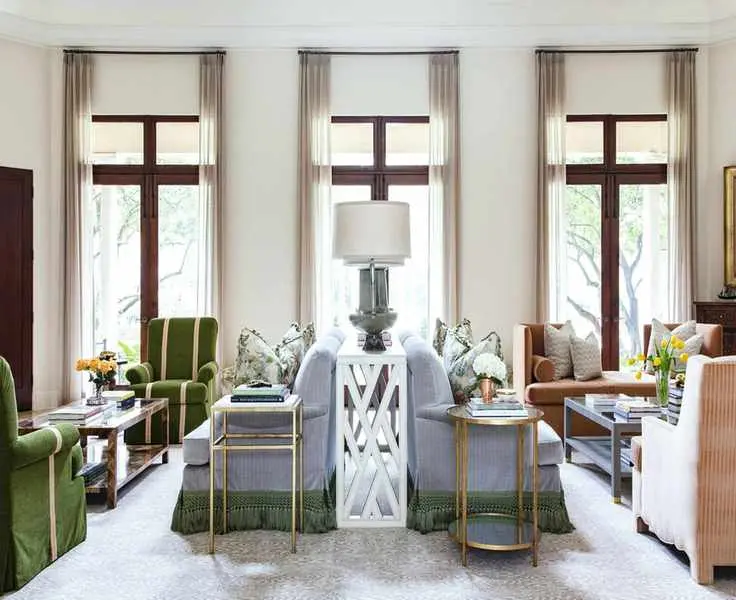
Designing a living room is key since these spaces form the heart of our homes. They serve daily needs for all family members and provide a welcoming area for guests.
Though living rooms may not require as strict a design as kitchens, their dual role as family gathering and entertaining spaces necessitates thoughtful planning. Layout, furniture, flooring, and decor must work together to foster comfort and practicality.
Crafting the Perfect Living Room Layout

An effective living room layout considers furniture placement, ensuring smooth traffic flow while avoiding clutter. Negative space and focal points play significant roles in how a room feels.
“In small living rooms, it may seem logical to push furniture against the walls, but this might not serve the space effectively,” says interior designer Louise Bradley.
Emily June of Emily June Designs agrees, noting that arranging furniture around focal points, like a fireplace or window, can create a more spacious feel.
For multifunctional rooms, consider creating smaller areas that cater to various activities, allowing everyone to find a space to work, relax, or unwind.
Where to Begin with Your Living Room Design
“Start with inspiration,” suggests Stephanie Lindsey of Etch Design Group. “Research functional solutions and aesthetics that resonate with you.”
Use inspiration images from magazines to guide your vision. Discuss your budget and technical aspects to clarify your goals.

If you’re not in a new home, evaluate how your current living room functions. Consider comfort for everyone who uses the space and assess traffic flow.
Create a wishlist for your living room, accounting for both current and future needs as family dynamics may change.
Selecting the Ideal Color Palette

Your living room's color palette should mirror your personal style while considering the impact of various paint ideas.
“If the space feels dark, consider introducing light wall colors,” says Louise Bradley, recommending very light off-whites to enhance brightness and create an illusion of space.
Conversely, darker hues can offer intimacy and are on-trend, adding a cozy atmosphere.
Courtnay Tartt Elias from Creative Tonic Design encourages homeowners to embrace color: “Don’t shy away from bold palettes; they reflect the vibrant world around us.”
Remember, color schemes extend beyond walls, influencing furniture and accessories, so choose a cohesive palette for all elements.
Consider monochromatic schemes, analogous colors, complementary colors, or triadic palettes to achieve your desired look.
Focus on Your Walls

Walls significantly influence a living room's character. Beyond paint, explore wallpaper options for added personality, particularly in rooms lacking architectural details.
Wallpaper can introduce both pattern and texture, enriching a monochromatic scheme.
If the room lacks a focal point, wallpaper can create one—consider positioning it opposite the entrance for visual impact.
Alternative wall treatments include tiles, exposed brick, or living plant walls.
Choosing Flooring
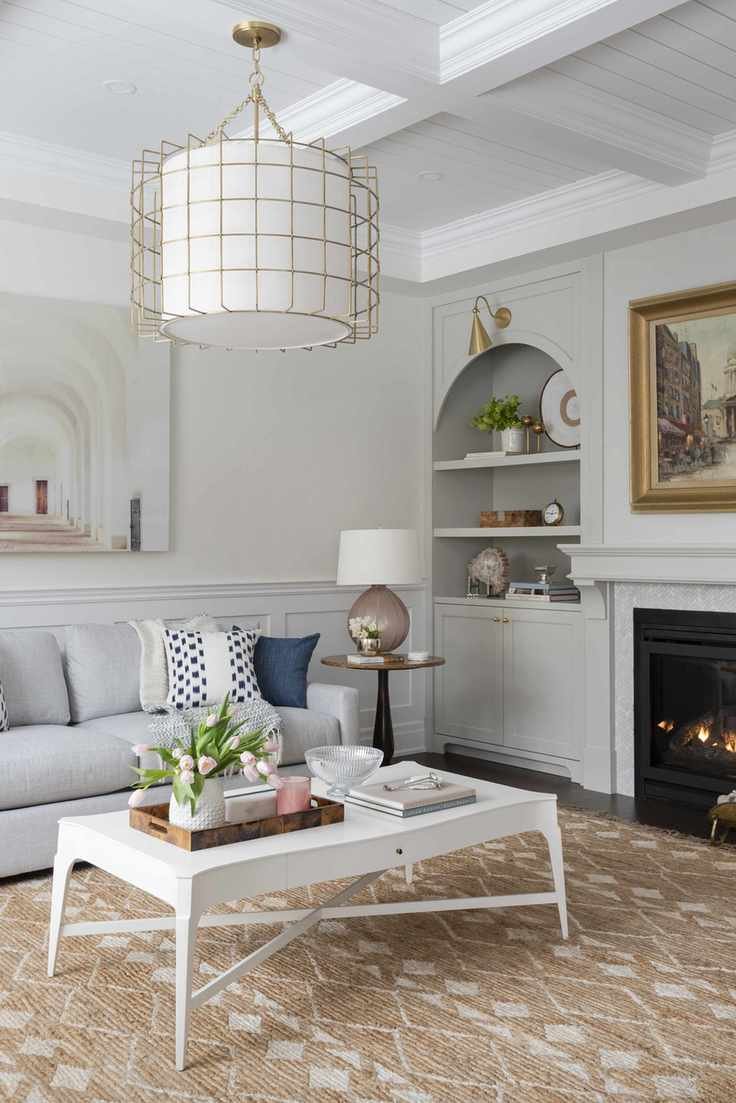
Flooring can be subtle or a striking feature. Solid wood is a popular choice due to its durability and timeless appeal, while engineered wood offers stability in fluctuating environments.
If warmth is a priority, consider carpet, which provides a softer surface, especially in homes with children. Various patterns and colors are available to suit your style.
Natural stone can add a rustic charm or grandeur, depending on the type chosen. Polished concrete, porcelain tiles, or vinyl can mimic other materials without high maintenance.
Area rugs can enhance the space, with patterned options helping to conceal spills and messes.
Choosing Living Room Furniture

The sofa is often the focal point, so plan accordingly to ensure it fits the room's dimensions and allows for movement. A good rule is to select a sofa that occupies about two-thirds of the wall it's against.
Consider additional seating options like armchairs, benches, or window seats. “In larger rooms, I enjoy creating multiple seating areas for a cozy, inviting atmosphere,” says Courtnay Tartt Elias.
Incorporate functional pieces like coffee tables or ottomans, and don’t forget side tables for added convenience.
Invest in durable upholstery, especially in homes with kids or pets. Look for materials rated for high durability and stain resistance, according to Kylie Bodiya of Bee's Knees Interior Design Studio.
Incorporating Storage Solutions
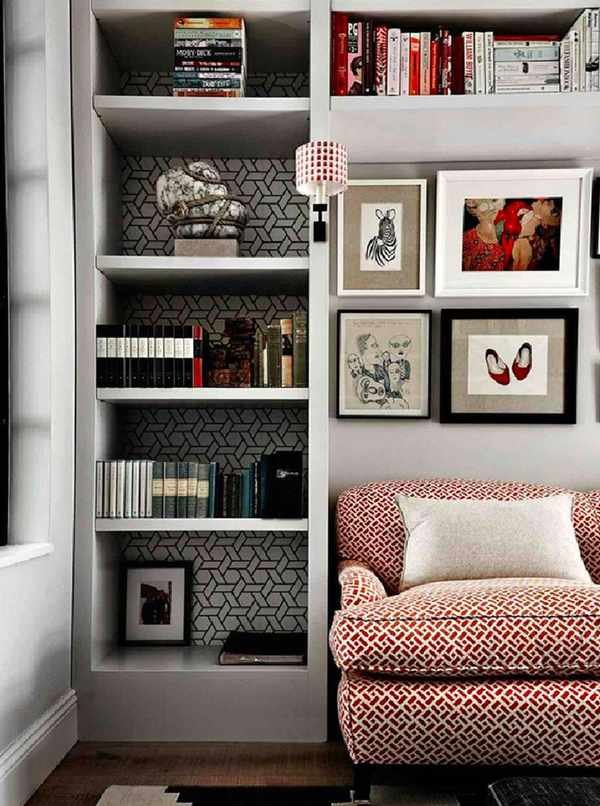
Ample storage is crucial in a living room. Consider pieces that are aesthetically pleasing while also providing storage, such as cabinets, armoires, and console tables.
Look for multifunctional items like coffee tables with drawers or benches that double as storage for a chic, clutter-free space. Shelving can be freestanding or built-in, tailored to your needs.
Plan for both open and closed storage to balance display items with those that need concealing. In homes with children, storage solutions that allow for quick cleanup are beneficial.
“Kids bring a lot of stuff, so having bins or built-ins for organization is invaluable,” shares Rebecca Hay.
Layering Your Lighting

A well-lit living room requires three types of lighting—ambient, task, and accent—to establish various moods.
Ambient lighting serves as the room's general illumination, often through a statement fixture. Task lighting, from table or floor lamps, supports specific activities like reading.
Accent lighting highlights key features and enhances the room's atmosphere, including cabinet and picture lighting.
Window Treatments
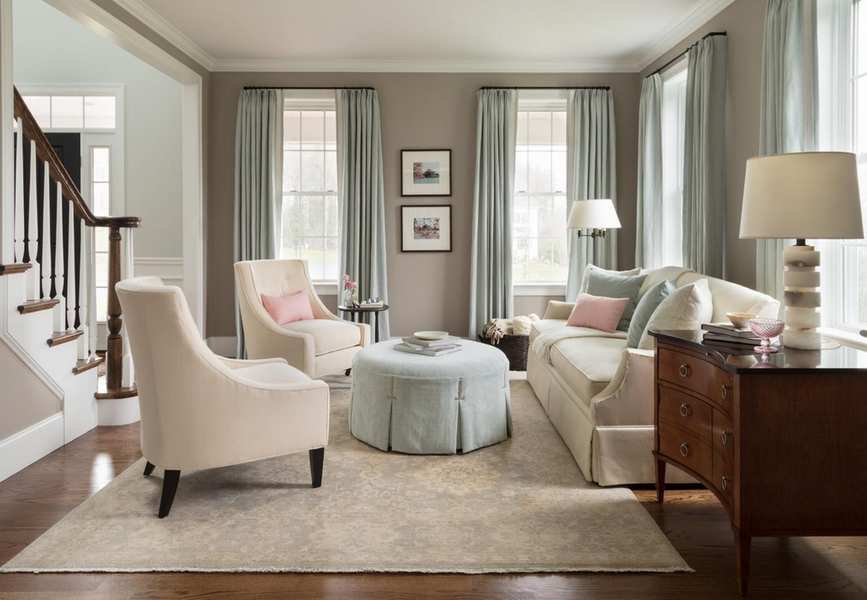
Window treatments should complement your decor while being functional. They must provide privacy, block light for movie nights, and reduce glare.
Consider options like lined drapes or lighter sheers, along with shades such as Roman or solar styles.
Best Practices for Living Room Decor
When decorating, focus on personal taste and comfort for everyone in the household.
“Think about functionality when choosing furniture size and scale,” says Kristin Bartone of Bartone Interiors. Consider seat height and depth based on your family's needs.
Texture is also essential for comfort; mix soft and hard materials for visual interest.
Artwork and accessories can add character to your space. Flexible designs allow you to adapt to changing styles.
“Consider interchangeable pillow covers for seasonal updates,” Kristin suggests, making it easy to refresh your look.
Designing on a Budget
To redesign your living room for free, start by re-evaluating what you already own. Rearranging furniture can dramatically change a room's feel without any cost.
“Positioning furniture towards windows connects you with nature and improves mental clarity,” says Louise Bradley.
Use items from other rooms to add color and interest, such as pillows or artwork. A mirror can brighten the space and create an illusion of depth.



