
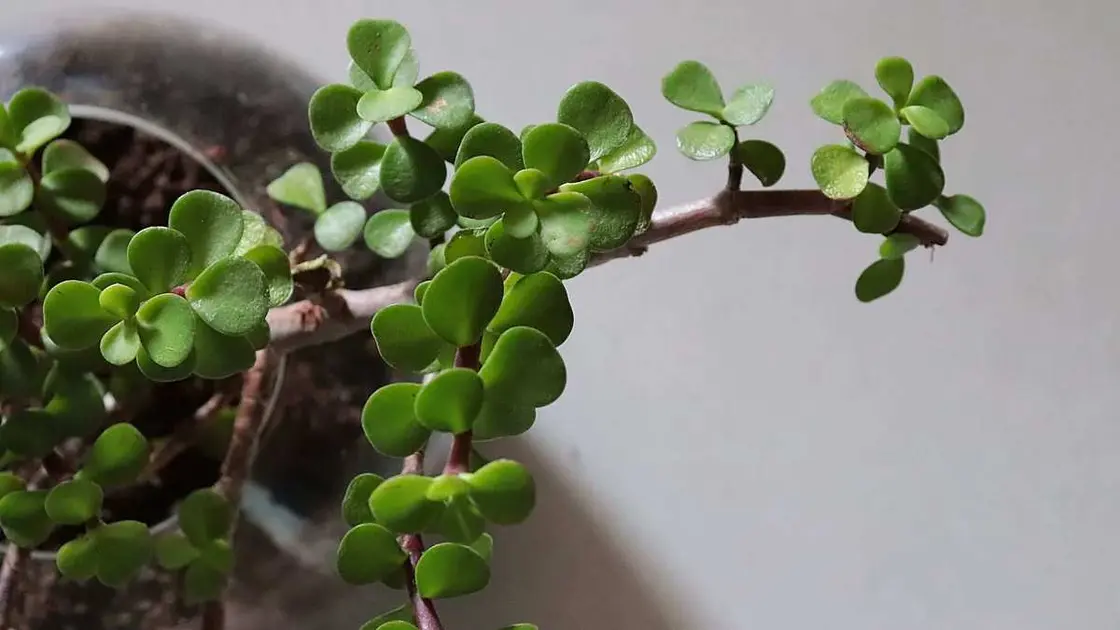
If you have a jade plant, you likely received it as a thoughtful gift. This vibrant green succulent is not only a fantastic indoor plant but is also referred to as a money tree or friendship plant. Many believe it attracts wealth and prosperity, making it a staple among feng shui plants that enhance positive energy.
I got mine from my mother and have been dedicated to keeping it healthy ever since. Currently, it's in my bathroom by the window, and I wanted to ensure it thrives. I consulted with our knowledgeable gardens editor for some insights.
'That sounds like a suitable location,' she confirmed. 'With plenty of light from the window and easy access to water in the bathroom, it should do well. Just be careful not to overwater it, as jade plants store moisture in their leaves. Less is more when it comes to watering.'
Jade Plant Care: Tips for a Lush Houseplant

Jade plants, scientifically named Crassula ovata, originate from southern Africa. They thrive outdoors in warm, dry climates, specifically in zone 10 or higher, and require quick-draining sandy soil.
'Typically, jade plants are cultivated indoors,' our gardens editor explained. 'They resemble bonsai trees due to their slow growth and thick, shiny leaves but are much easier to care for than their often finicky counterparts.'
However, keep in mind that jade plants are toxic to dogs and other pets, so place them out of reach.
Planting a Jade Plant

Although jade plants are easy to maintain, starting them off correctly is essential. 'They prefer a free-draining soil similar to their natural habitat,' our editor noted. 'Use cactus or succulent soil, or mix horticultural sand into regular compost to avoid waterlogging.'
Jade plants also flourish in open terrariums with other small, slow-growing succulents, contributing to their popularity as one of the most Instagrammed houseplants. 'Make sure to include a 0.5-1 inch layer of gravel for drainage before adding compost,' advised plant authors.
For example, they paired jade plants with Peperomia and Echeveria in their terrariums, finished off with reindeer moss. 'You can also use an attractive layer of gravel or small bark pieces for decoration,' they suggested.
Positioning Your Jade Plant

Given that jade plants are native to southern Africa, they thrive in sunny spots. 'They require a few hours of sunlight daily, making a windowsill ideal,' our gardens editor explained.
Temperature matters too; jade plants prefer 60-75°F. Ensure your room stays above 50°F during winter.
However, too much direct sunlight can cause red tinges on the leaves.
A humid environment is perfect for jade plants, which is why my bathroom is ideal. Experts also recommend it as one of their top picks for kitchens and dining areas due to its humidity tolerance.
Maintaining Your Jade Plant

Unlike many other houseplants, jade plants don't require a strict watering schedule. Allow the top 0.5-1 inch of soil to dry out before watering again. I use a chopstick to check moisture levels.
'Water from the bottom or mist weekly,' suggested a houseplant expert. 'Place a saucer of water under the pot to let the plant absorb what it needs without risking overwatering. Once it's satisfied, return it to its decorative pot.'
In addition to watering, your jade plant may benefit from occasional fertilization. 'Newly potted plants are in nutrient-rich soil, but those nutrients get depleted over time. Regular fertilizing helps keep them thriving,' she noted.
Feed your jade plant at least once each spring, summer, and fall with a diluted liquid fertilizer meant for succulents. A summer prune can also help prevent leggy growth.
Repotting Your Jade Plant

If cared for properly, your jade plant may outgrow its pot after a year or two. Repot in spring, replacing as much old soil as possible with fresh mix. 'Choosing a heavier pot is wise, as jade plants can become top-heavy and may tip over if the pot is too light,' our editor advised.
Why Are My Jade Plant's Leaves Changing Color?
'If your jade plant's leaves are slightly red, it's not an issue; they can develop red edges from receiving ample light,' she explained.
However, yellow leaves indicate a problem. 'Yellowing typically suggests overwatering, so you need to reduce your watering frequency.'
'Shriveled leaves or spots can mean your plant is underwatered, requiring more frequent watering until the leaves regain their plumpness.'
Do Jade Plants Require Direct Sunlight?
'Jade plants need at least six hours of bright light daily,' our garden editor stated. 'If your plant appears leggy, it's a sign it's reaching for more light, so relocate it to a sunnier spot.'



