
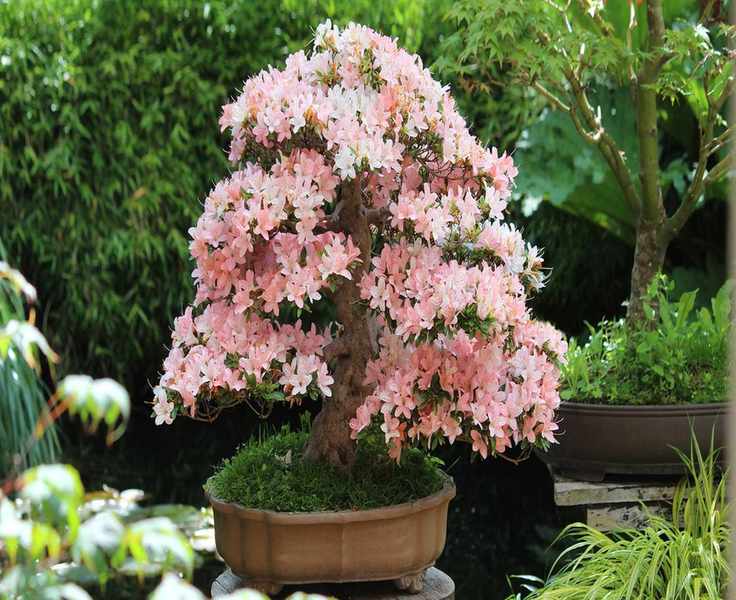
Bonsai trees can create a captivating focal point in any home or garden.
These miniature trees are ideal for pots and are perfect for compact spaces.
Katrina Jin notes, 'Looking at bonsai brings me tranquility, reminding me that there's always hope, even in tough times.'
She adds, 'From barren winter branches to vibrant spring flowers, then to summer foliage, and finally autumn's fallen leaves.'
While some believe bonsai trees are hard to care for, that's not always true. Many easy bonsai varieties are simple to maintain if you know their needs. Understand the specific care each tree requires before starting.
Jin explains, 'People often first encounter bonsai with little guidance on expectations or environmental needs.' She encourages asking questions to learn how to nurture your bonsai.
Top Bonsai Tree Varieties
There's a wide range of bonsai types suitable for everyone, from novices to seasoned growers.
If you plan to keep your bonsai indoors, ensure it receives ample sunlight from a large window or use a full-spectrum LED grow light. Outdoors, they thrive on patios, balconies, or under large trees.
1. Beech Bonsai Trees
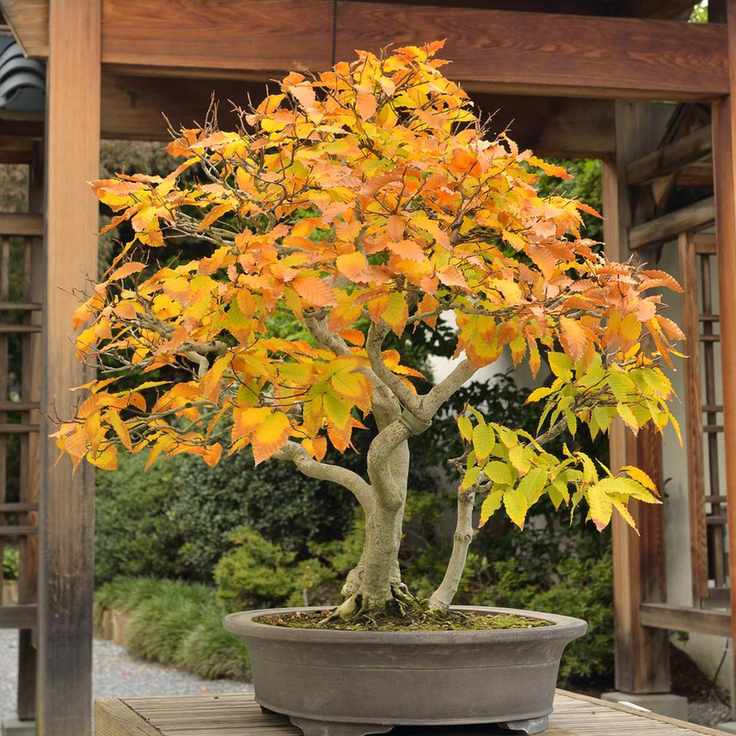
Stuart MacKenzie, a master arborist, shares, 'Beech trees are among my favorites, both as full-sized trees and as bonsai. Their majestic look, even in miniature, is captivating.' He recounts a tale of the copper beech's stunning hues originating from a sibling rivalry.
With smooth bark resembling an elephant's hide, beech bonsai need careful attention; avoid letting the soil dry out completely. 'Proper pruning, soil care, and watering are crucial for its health,' MacKenzie adds.
2. Ficus Bonsai
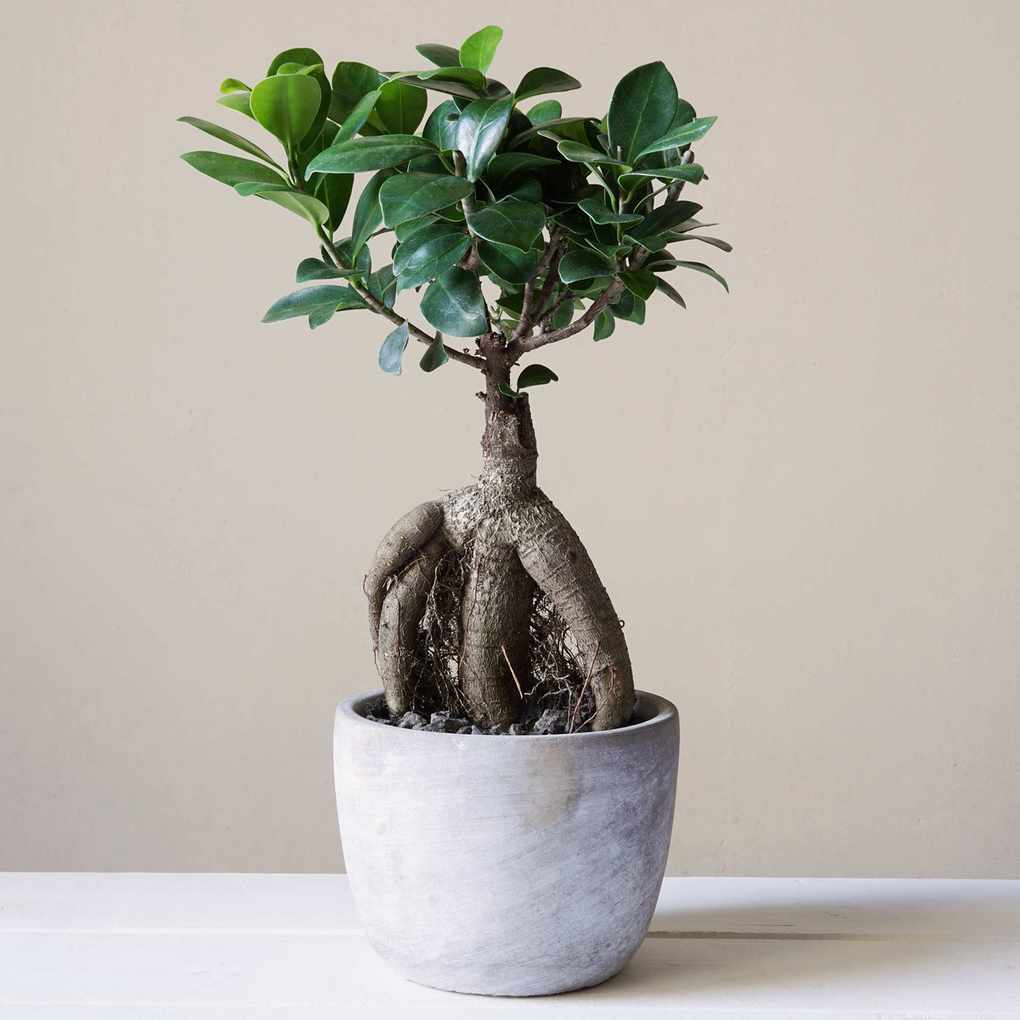
'Ficus is the most favored bonsai type due to its adaptability and distinct trunk shapes,' says Sophie Wilcox. Their notable feature is the ability to develop aerial roots in humid conditions.
Popular types include the retusa with its S-shaped trunk, ginseng with its bulbous base, and the lush benjamina in various growth forms. Wilcox advises regular watering, as they prefer high humidity and struggle in dry air.
Keep them misted to boost humidity but avoid excessive moisture to reduce fungal risks. Bright or indirect light is essential, and maintain mild temperatures, avoiding cold drafts.
3. Japanese Maple Trees

Japanese maples are renowned for their stunning seasonal colors and are a traditional choice for bonsai, according to MacKenzie. They embody the cultural history and aesthetics associated with bonsai.
These trees can withstand temperatures as low as 15°F (-10°C), making them great for outdoor displays. However, if it gets too hot, relocate them to prevent leaf damage. Water daily during warm spells and prune as needed.
Chinese Elm
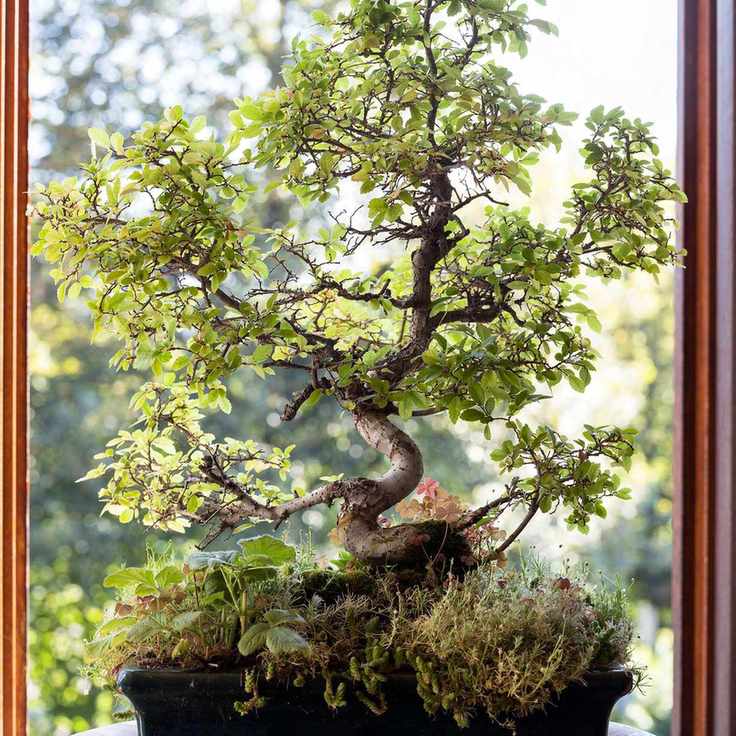
Well-liked by beginners, the Chinese elm features a charming look with small leaves and a well-balanced form. Lindsey Hyland notes that this species falls under the 'windswept' bonsai category, needing good airflow around its branches.
They're hardy and adaptable but require more frequent watering than other bonsai types. Though they can grow indoors, they can enjoy the outdoors during summer. Regular fertilization and trimming are key for maintaining their shape.
5. Satsuki Azalea
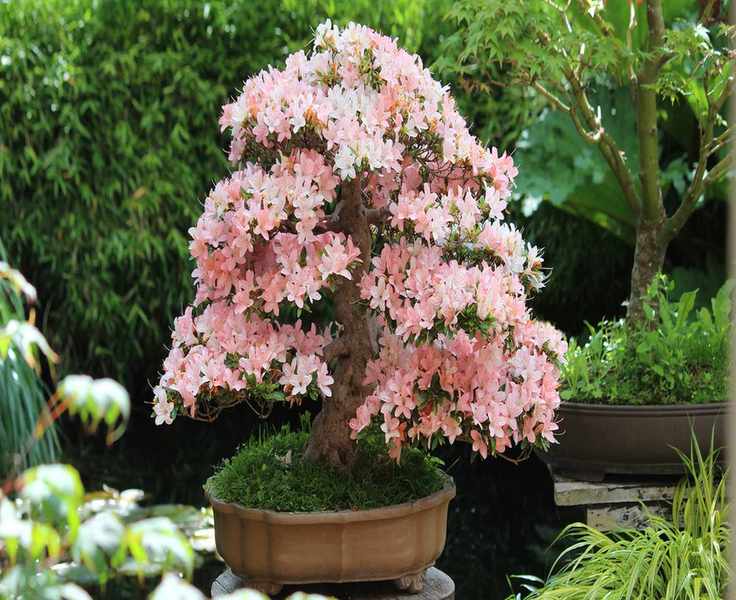
Katrina Jin loves flowering bonsai like the satsuki azalea for their seasonal beauty. 'They bloom beautifully and change with each season,' she explains.
Available in various colors, azaleas thrive in sunlight but need shade during peak summer. They can tolerate frost down to 40°F (-5°C) but prefer rainwater to maintain soil pH. Keep the soil moist and use azalea fertilizer weekly during growth.
6. Birch Bonsai Trees
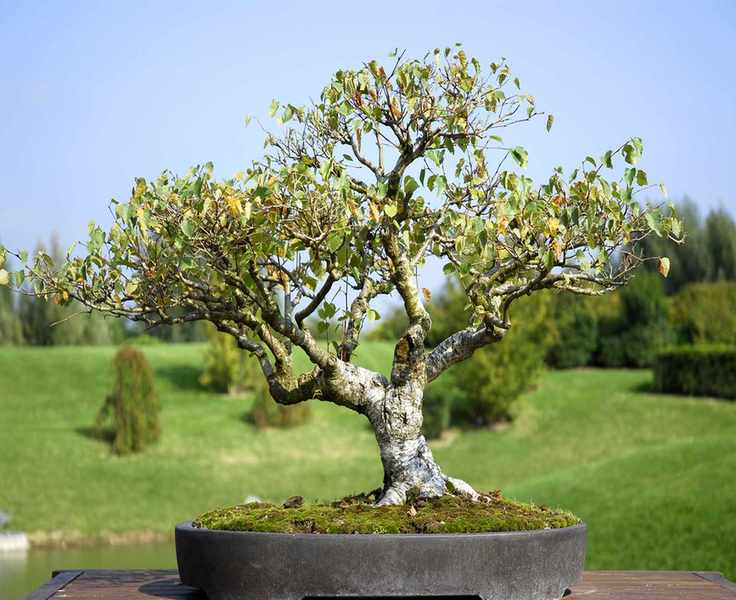
MacKenzie appreciates birch bonsai for their artistic display, likening them to a miniature woodland. These trees can reach heights of 3-4 feet, showcasing striking bark.
Frost-hardy, birch bonsai flourish in sunlight and require ample watering in summer. Avoid waterlogged soil and repot every few years, pruning lightly to prevent wood rot.
7. Juniper Bonsai
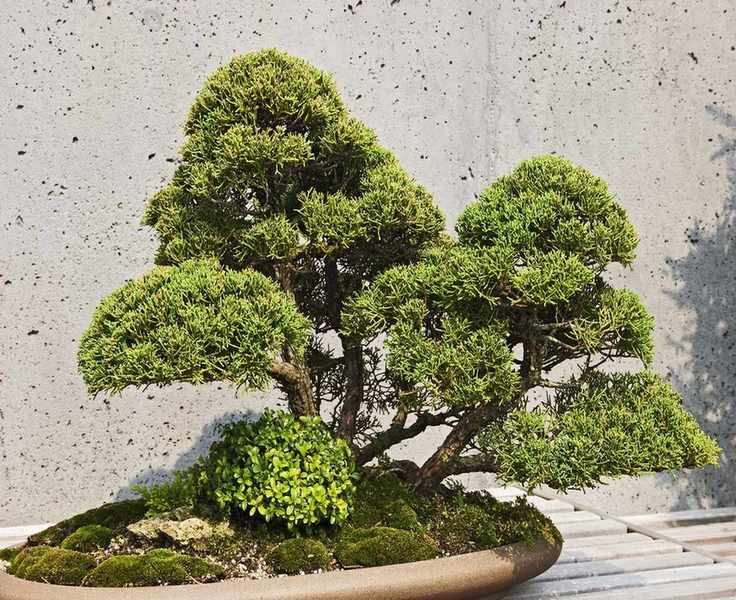
Juniper bonsai are beginner-friendly and come in various types, including the Chinese juniper and Japanese shimpaku. Wilcox notes their scale-like foliage in shades of green.
The Japanese needle juniper is an evergreen that can self-pollinate. Junipers thrive in bright light and can be misted frequently without fungal issues. Allow the soil to dry slightly between watering.
8. Pine Bonsai Trees
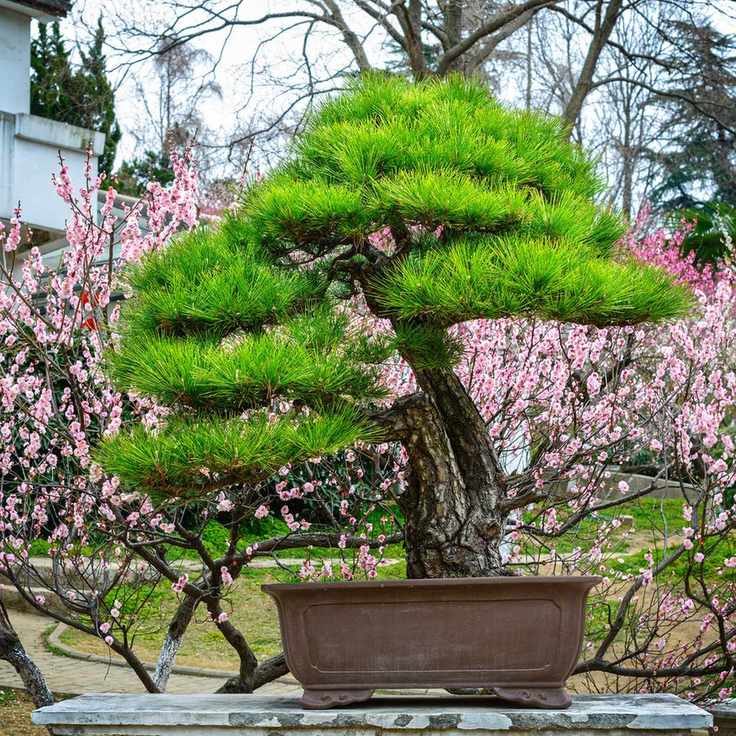
Pines are widely recognized bonsai choices and are often recommended for beginners. They can be single or multi-flush, requiring careful seasonal pruning.
Japanese red and black pines experience two flushes of growth, while mountain pines like Scots and mugo are slower-growing. Each variety has unique pruning needs; understanding these is essential for success.
9. Carmona Bonsai
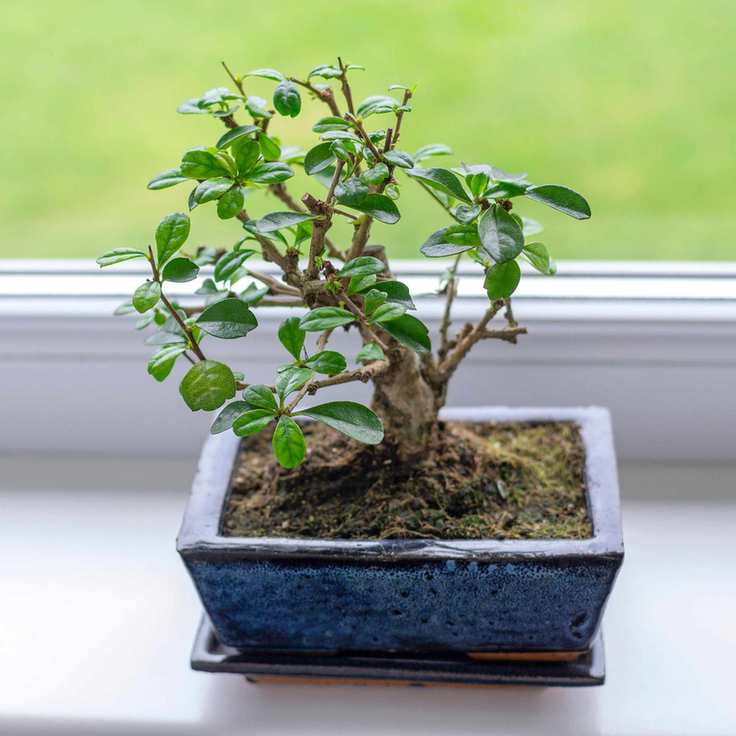
Known as fukien tea, the carmona bonsai thrives indoors and features lovely white flowers and small fruit, making it ideal for beginners. Nikitia suggests placing it outside during spring and summer for optimal growth.
Keep the soil moist, fertilize during the growing season, and stay on top of trimming.
10. Bald Cypress Bonsai Tree
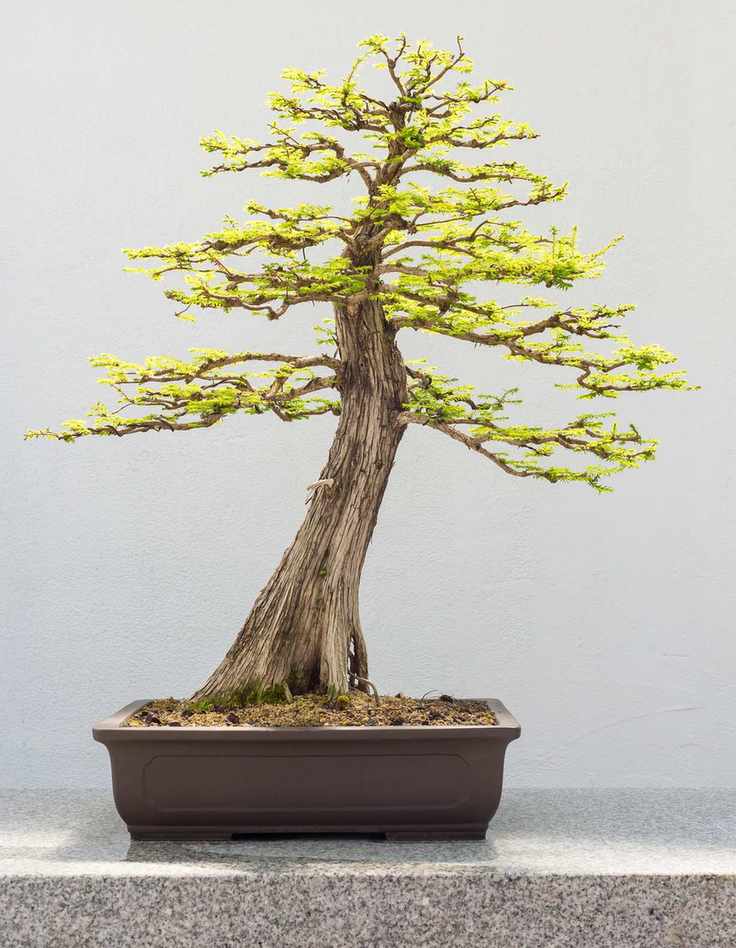
Long-lived, bald cypress bonsai can reach ages exceeding 1,000 years. Their delicate needle-like foliage turns vibrant in fall. These trees require warmth and light, thriving in sunny areas.
They need daily watering and frequent repotting due to their rapid growth.
11. Jade Bonsai
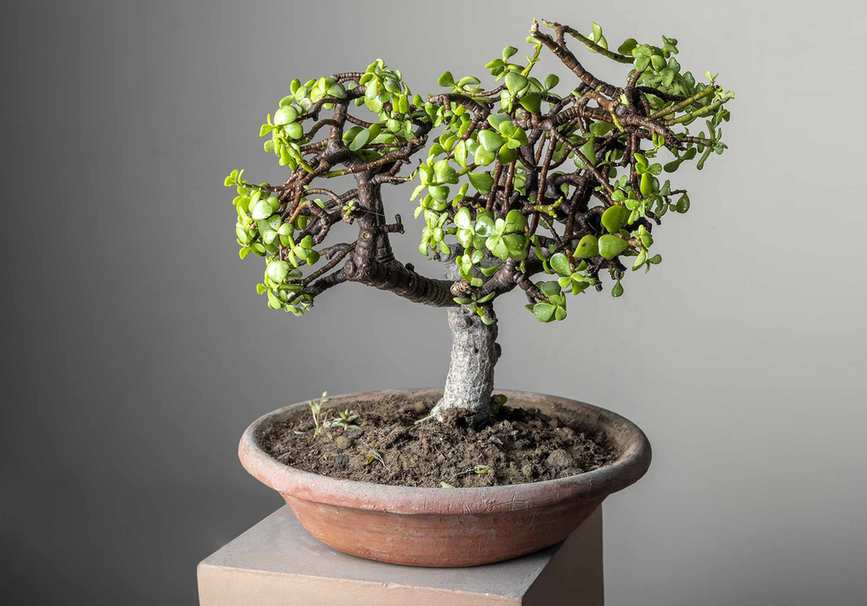
Also called crassula bonsai, this plant hails from South Africa. The jade bonsai's thick trunk and leaves require indoor care to avoid cold damage.
Due to their water-retaining leaves, avoid overwatering, and ensure they're in a well-draining pot. Regular pruning and repotting every two years are necessary, but be cautious when wiring due to the soft wood.
12. Flowering Apricot Bonsai
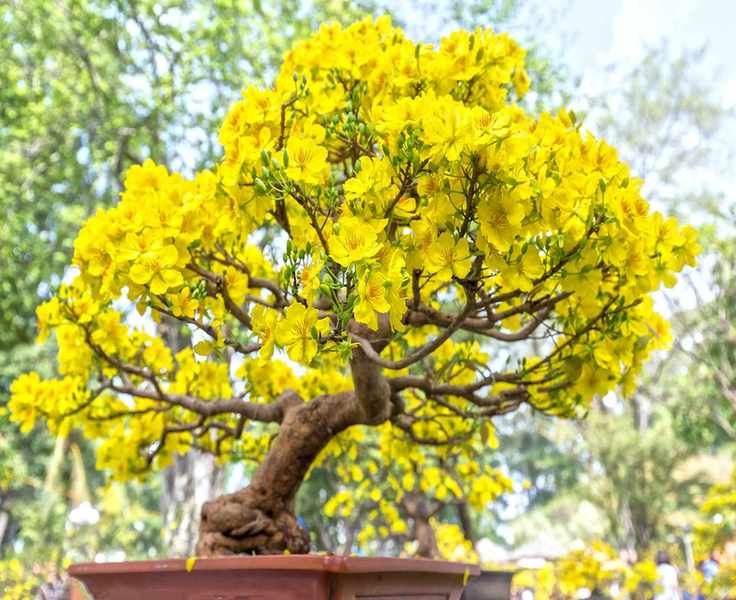
This stunning yellow flowering apricot bonsai from Vietnam symbolizes the new year in its native culture. While rare, Japanese apricots with pink or white flowers are more accessible.
Frost-hardy, these bonsai thrive outdoors, blooming fragrant flowers in late winter and producing fruit in summer. Keep the soil moist and repot every few years.
Best Bonsai for Beginners
Jin highlights juniper as the easiest evergreen for beginners seeking a traditional look. If you prefer color, consider serissa or cotoneaster. Classic starter choices include elm and ficus.
Joining a local class or online community can greatly enhance your learning experience, as can watching tutorial videos.
Growth Time of Bonsai Trees
Bonsai trees can take 10 to 30 years to reach full size, but mini varieties may mature in just a few years. With proper care, they can live for generations, making them a long-term investment.
Longevity of Bonsai Trees
Bonsai can live for many years; some are over 1,000 years old in museums. Families often cherish bonsai as heirlooms, passing them down through generations.
With care, these trees can outlast their owners, becoming a treasured family legacy.



