Considering a juicer? The variety can be overwhelming. With five distinct types available, understanding what sets them apart is vital for making an informed choice.
Our team regularly tests products, giving us firsthand knowledge of various juicer brands. We can help you distinguish between centrifugal and cold press juicers, along with their pros and cons, ensuring you find the perfect juicer for your lifestyle.
Let's break down the different juicer types so you can identify which aligns best with your health goals.
What are the 5 juicer types?
The two main types you'll hear about are centrifugal and cold press juicers. If you have a preference for one, check our detailed comparison of centrifugal vs cold press juicers. This guide dives into all juicer types and highlights our top recommendations.
1. Centrifugal or 'fast' juicers
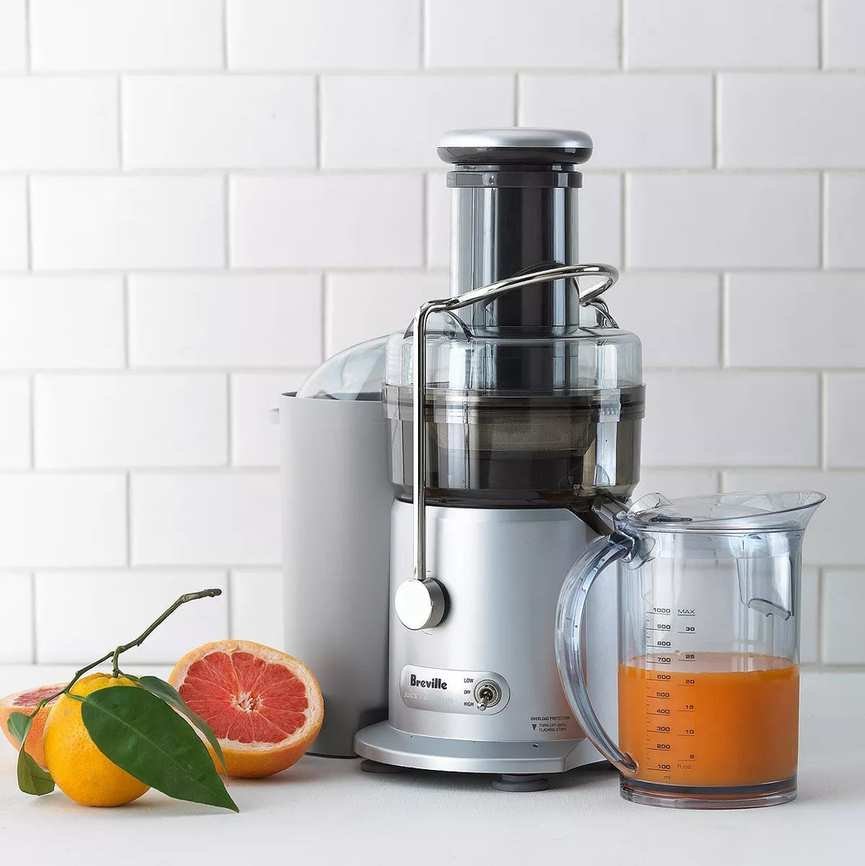
Centrifugal juicers employ a rapidly spinning blade to chop fruits and vegetables against a fine mesh filter, separating juice from pulp. They require minimal preparation and can produce juice quickly, operating at speeds between 6,000-14,000 RPM.
These juicers are ideal for softer fruits but struggle with leafy greens and herbs. They often need more produce to yield a satisfactory amount of juice and can be noisier than other models.
The high-speed operation may generate heat, which can slightly diminish nutrients. They're also less efficient than masticating juicers, as some juice may mix with the pulp, resulting in frothier juice.
Centrifugal juicers are budget-friendly options, making them ideal for beginners. If you're looking for a centrifugal juicer, consider the Breville Juice Fountain, which features a wide chute, a powerful motor with two speeds, and substantial juicing capacity.
Pros: Affordable, user-friendly.
Cons: Noisy, juice may have excessive pulp or froth, oxidizes quickly.

Breville Juice Fountain Cold BJE430SIL
Best centrifugal juicerOur expert review:
Specifications
Power: 850WCapacity: 70fl oz
Feeding tube size: 3.3in
Reasons to buy
+High-capacity juice jug and pulp basket+72-hour fridge life for your juice
+Large feeding tube
+Great value
Reasons to avoid
-One-year warranty only2. Cold press or 'slow' juicers
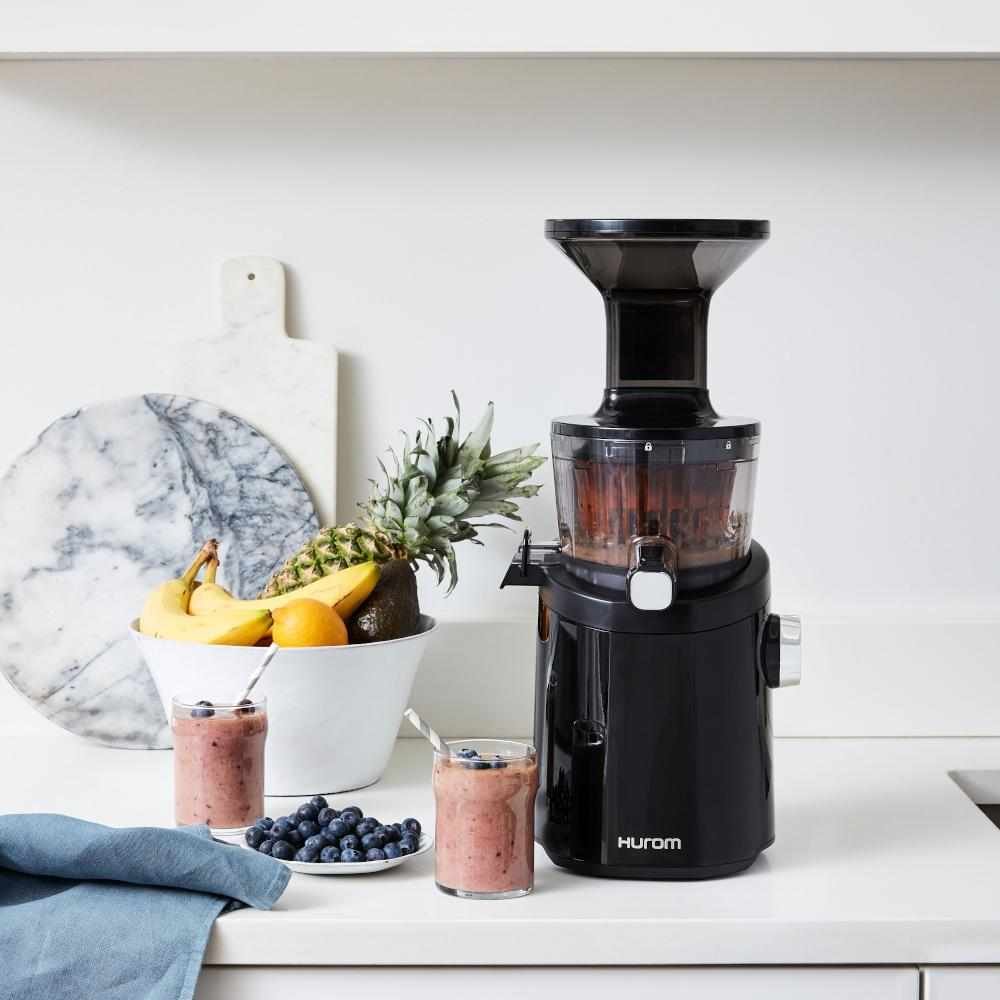
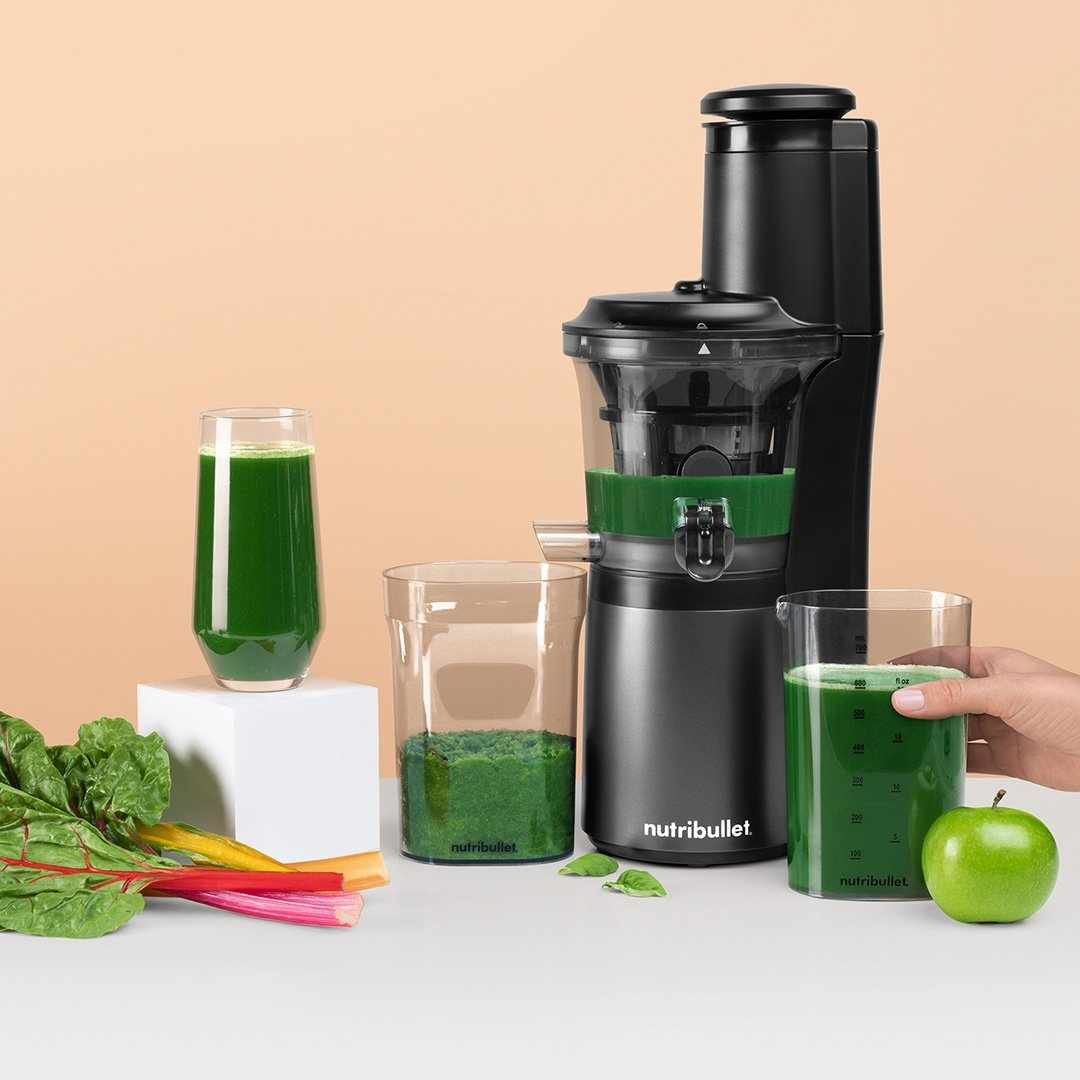
Cold press juicers, also referred to as masticating juicers, use a crushing auger to extract juice and separate pulp. This method may be slower but doesn't require a lengthy wait before you can enjoy your juice.
While typically pricier, they deliver some of the highest quality juice with greater nutrient retention due to their slow extraction process. These juicers often provide a higher juice yield compared to centrifugal models.
They also offer versatility, with some capable of making nut milks, smoothies, and sorbets. Our favorite option is the Kuvings EVO820 Whole Slow Juicer.
However, these models are typically more challenging to disassemble and clean, with few parts being dishwasher-safe.
Pros: Excellent juice extraction, quieter operation, highly versatile.
Cons: Higher cost, difficult to clean.


Kuvings EVO820 Whole Slow Juicer
Best slow juicerOur expert review:
Specifications
Power: 240WCapacity: 13.5 oz
Feeding tube size: 3.22in
Reasons to buy
+Powerful+User-friendly
+Multi-purpose
+Two-way feed chute
Reasons to avoid
-Tall design may not fit under counters3. Triturating or twin gear juicers
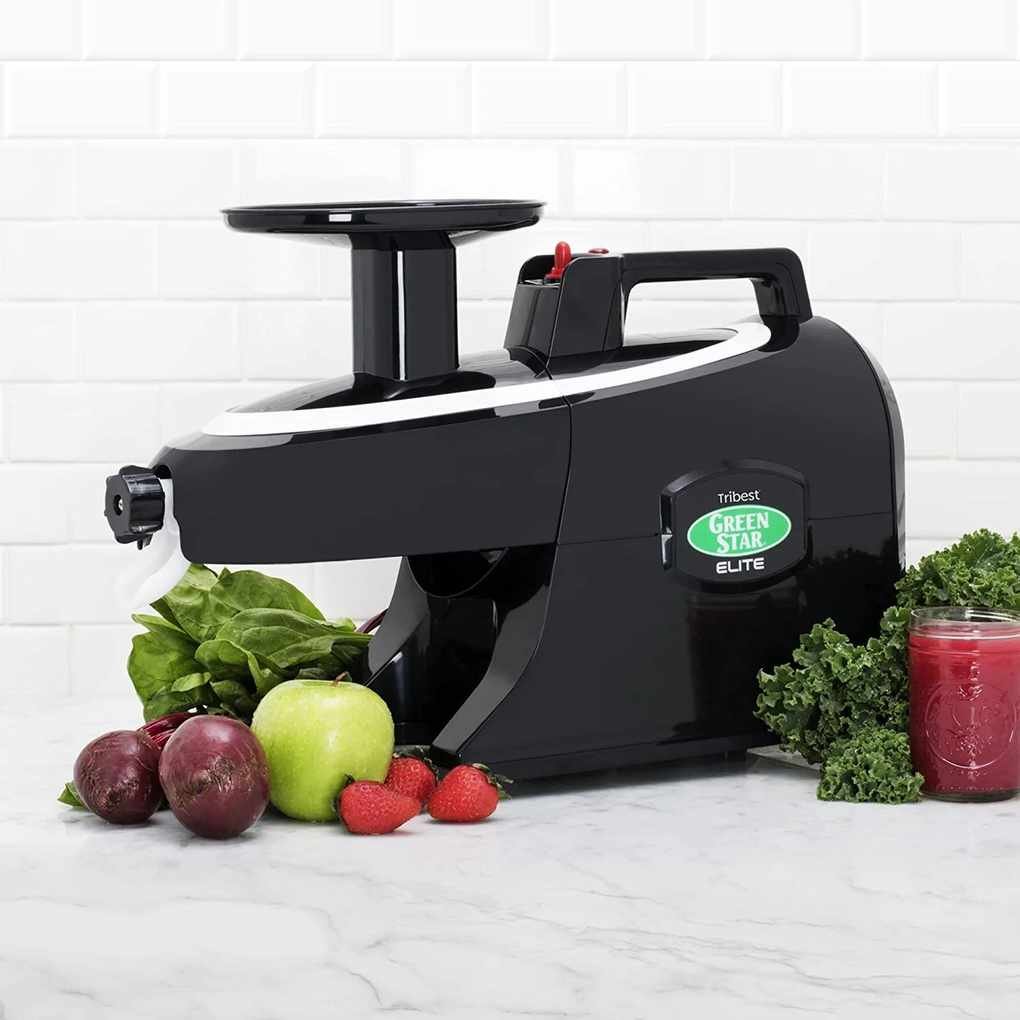
Triturating juicers, also known as twin gear juicers, belong to the masticating category but use dual stainless steel gears for grinding produce at a lower RPM. This method ensures a thorough and efficient extraction process.
Although they are the most expensive option, they provide the best juice extraction and highest nutritional content, preserving freshness for longer.
Pros: Superior fruit extraction and nutrition, especially for leafy greens and wheatgrass.
Cons: Highest price point.
4. Citrus juicers
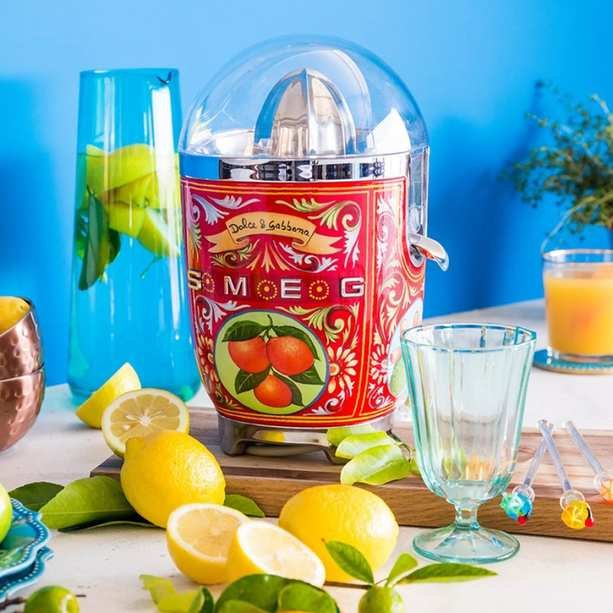
For those who love fresh juice from oranges, grapefruits, or lemons, a citrus juicer is ideal. These devices utilize a cone-shaped reamer to extract juice from citrus fruits.
Available in both manual and electric designs, they are easy to operate and clean but are limited to citrus fruits like limes, lemons, and oranges.
Pros: Budget-friendly, generally quiet, easy maintenance.
Cons: Limited to citrus fruits only.
5. Steam juicers
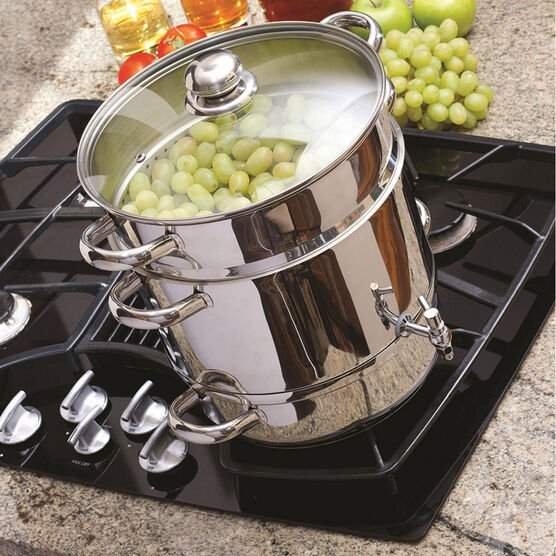
Steam juicers serve a niche purpose, primarily for those who want to juice large quantities for later use. They function by creating a concentrated juice, though this process can diminish enzymes and nutrients due to the heat.
Typically made from stainless steel, they are designed for stovetop use. This concentrated juice can be refrigerated, frozen, or used in drinks and jams.
Pros: Simple to use, great for large batches.
Cons: Not the healthiest choice.
What to consider when choosing a juicer
Yield/Capacity
Think about how much juice you want—whether just personal servings or enough for the week—along with the types of produce you'll be juicing. Centrifugal juicers can quickly yield a large volume, while masticating juicers can provide more juice with drier pulp, excelling with leafy greens.
Speed
Consider how fast you need your juice: seconds with centrifugal versus a few minutes with slow juicers, which maximize nutritional benefits.
Noise
If you plan to juice early in the morning, noise levels matter. Centrifugal juicers can be loud, similar to blenders, while slow juicers operate more quietly.
Size
Juicers vary in size, so assess their height, weight, and where you'll store them. Some may not fit in cabinets or be cumbersome to move.
Ease of use
Factor in the time you can dedicate to prep and cleanup. Centrifugal and citrus juicers are user-friendly for beginners, while masticating juicers may require more effort to master.
Health benefits
Whether you seek fresh juice or nutritional benefits, masticating juicers generally offer the most health advantages.
Price
Consider how often you'll use your juicer to determine your budget. Prices range from around $100 to significantly higher.