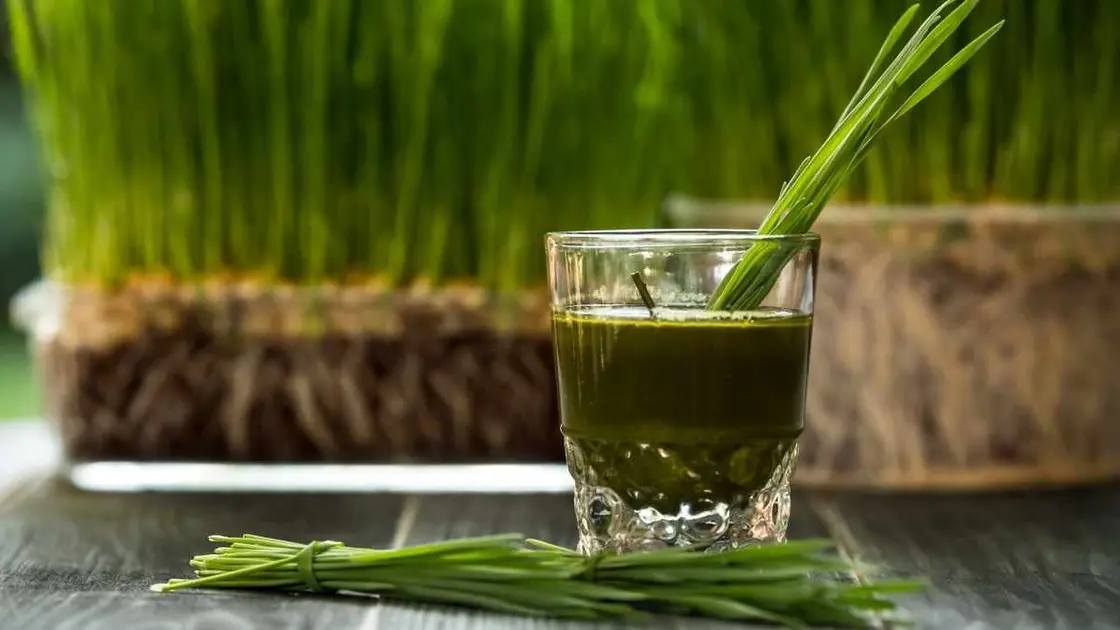
If you're looking to enhance your kitchen garden, wheatgrass is a must-have. Packed with vitamins, this superfood serves as a nutritious addition to green juices and smoothies, alongside other powerhouses like chia seeds and kale.
Wheatgrass is simply the young grass of the wheat plant, often regarded as a superfood available in powder or liquid form. According to Catherine Gervacio, a nutritionist and dietitian, it's sometimes referred to as 'liquid sunshine' due to its high chlorophyll content, which resembles hemoglobin in human blood.
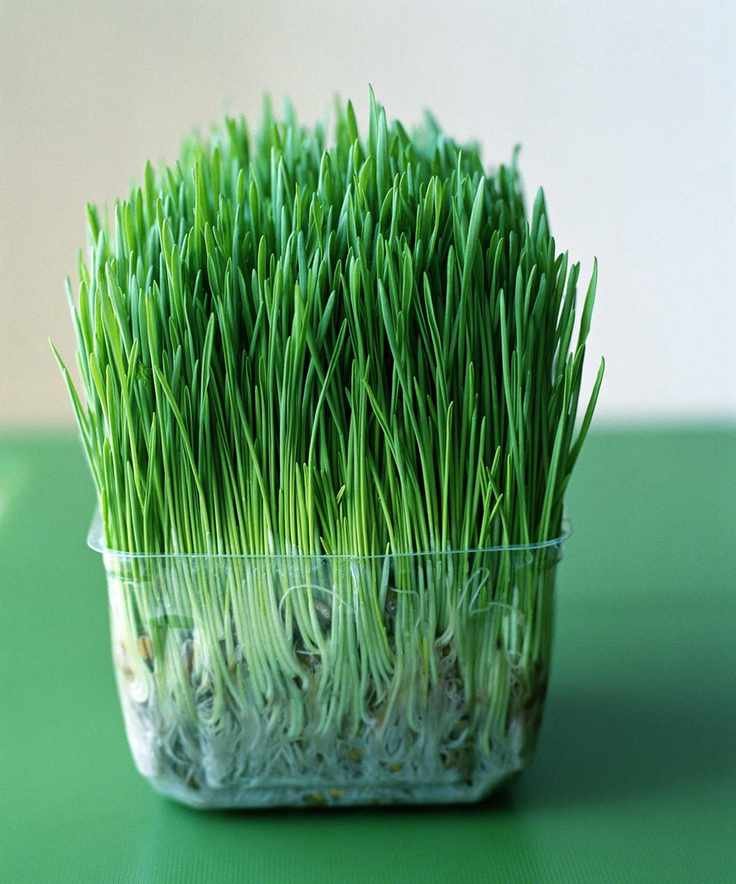
This versatile grass, often known as cat grass, is easy to cultivate indoors year-round and can also thrive outdoors in US hardiness zones 10-12.
Here's a collection of expert tips on how to grow this vibrant superfood and incorporate it into your diet.

Catherine Gervacio is a registered nutritionist-dietitian with a Bachelor of Science degree in nutrition and dietetics. She also holds certifications in exercise nutrition coaching and has extensive experience in clinical practice and fitness.
What Benefits Does Wheatgrass Offer?
Why is this seemingly simple grass a favorite among gardeners? The answer lies in its impressive health benefits.
Wheatgrass is rich in nutrients such as iron, calcium, magnesium, and vitamins A, C, and E. It also provides a good amount of fiber, crucial for healthy digestion, as noted by Asmita Batajoo, a dietitian at Kaiser Permanente in Fremont.
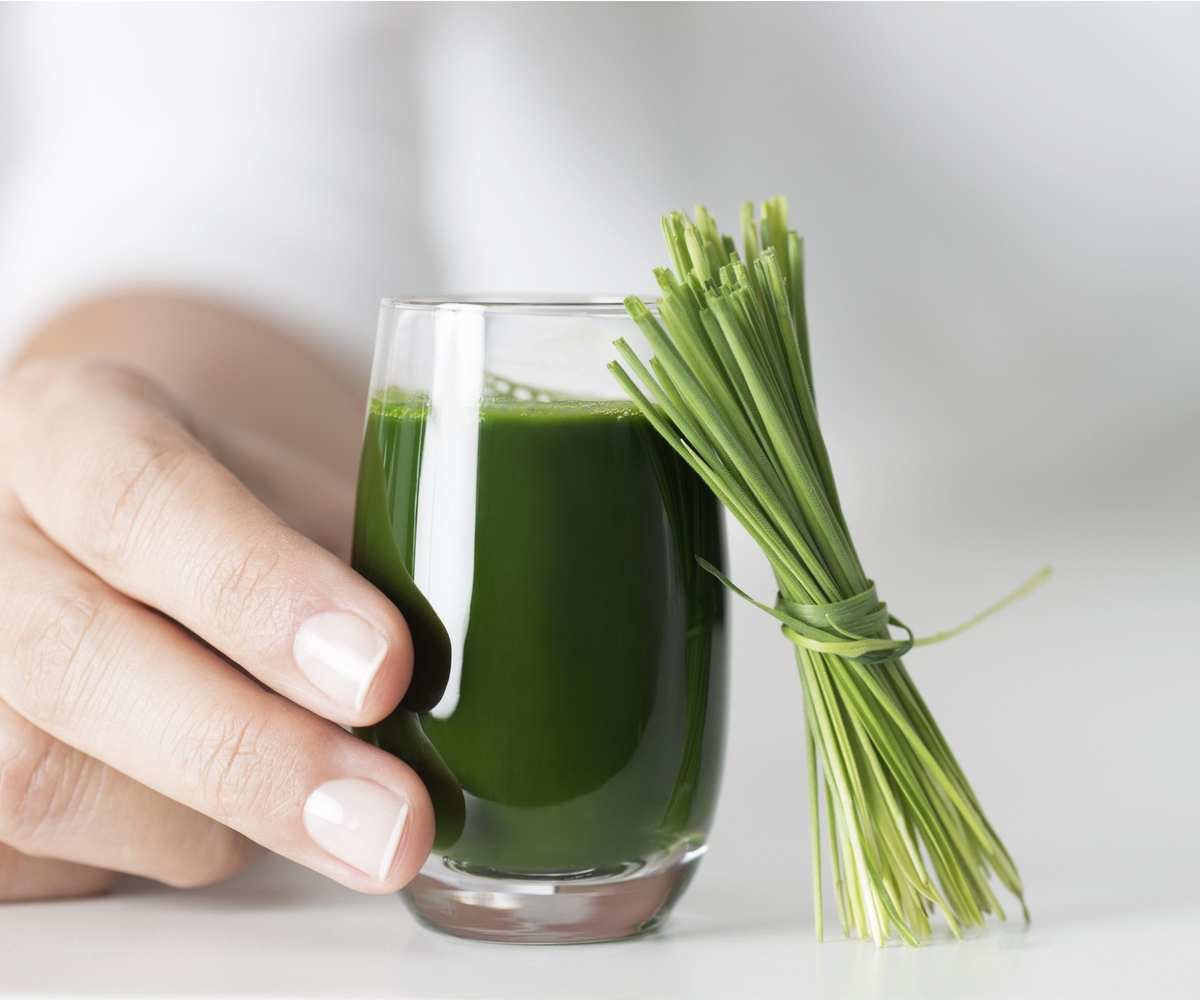
Its antioxidant and anti-inflammatory properties make it a popular choice for boosting health through green juices.
Potential benefits of wheatgrass include lowering cholesterol levels, reducing inflammation, strengthening the immune system, regulating blood sugar, and potentially combating cancer cells. However, Asmita emphasizes that further research is needed to fully understand these benefits.
"The scientific evidence supporting the advantages of wheatgrass is still limited, and individual results may vary. Consulting a healthcare professional is recommended before adding wheatgrass to your diet, especially if you have health concerns," states Kristina Zalnieraite, Head of Dietetics & Medical Affairs at Guthealth.care.

Asmita Batajoo is a Clinical Dietitian at Kaiser Permanente in Fremont, CA, with over eight years of healthcare experience.

Kristina Zalnieraite is a licensed Dietitian with over a decade of experience, dedicated to helping individuals improve their health.
Steps to Grow Wheatgrass
Wheatgrass is not only beneficial but also incredibly simple and quick to grow. It can be cultivated from seeds, sprouting effectively in either soil or water. Here's how to get started.
Growing Wheatgrass in Soil
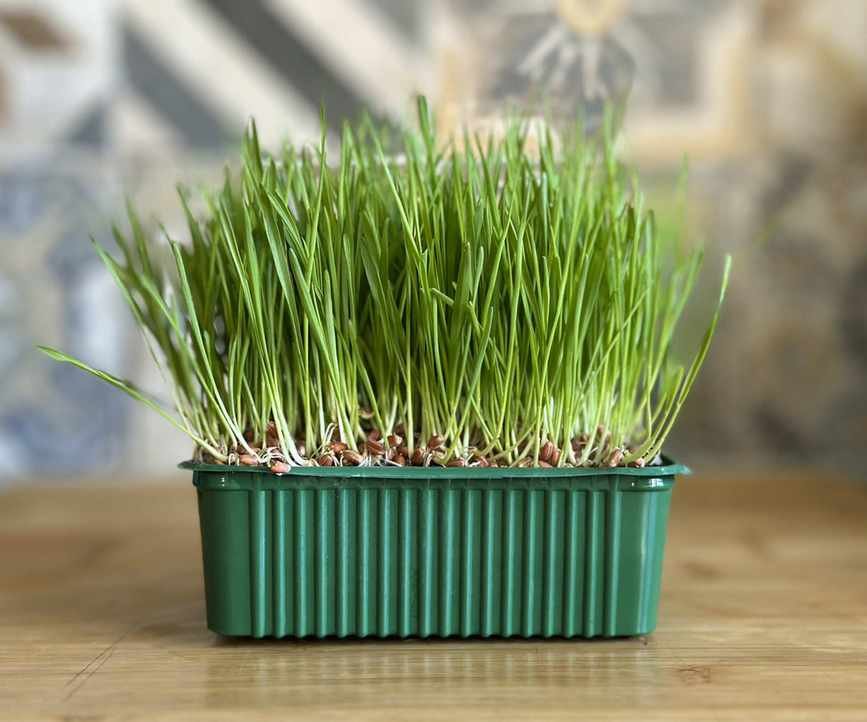
Begin by preparing a seed tray, such as this seed tray kit from Amazon, or a container filled with about two inches of potting mix. Sprinkle soaked wheat seeds evenly across the soil, ensuring they're not overcrowded. Wheat seeds can easily be found online, such as this pack of wheatgrass seeds from Walmart.
To encourage germination, cover the tray or container with a humidity dome, creating a greenhouse effect. It's important to keep the soil consistently moist, feeling damp but not soaked.
"For the initial days, store the tray in a dark location to promote germination. A light-proof cover is essential during this time," advises Kristina.
After a few days, the seeds should sprout, revealing tiny roots. At this point, move your wheatgrass to a bright spot where it can receive plenty of indirect light. Remember to keep watering the seedlings to support their growth.
"Regularly water the growing wheatgrass to maintain a consistently moist soil, but avoid overwatering," Kristina notes.
Your wheatgrass will be ready for harvest in just seven to ten days once it reaches a height of six to eight inches. Use clean scissors, like these scissors from Walmart.
Wheatgrass often regrows after the initial harvest. Just care for the remaining roots, and you may enjoy a second harvest," Kristina adds.
Growing Wheatgrass in Water
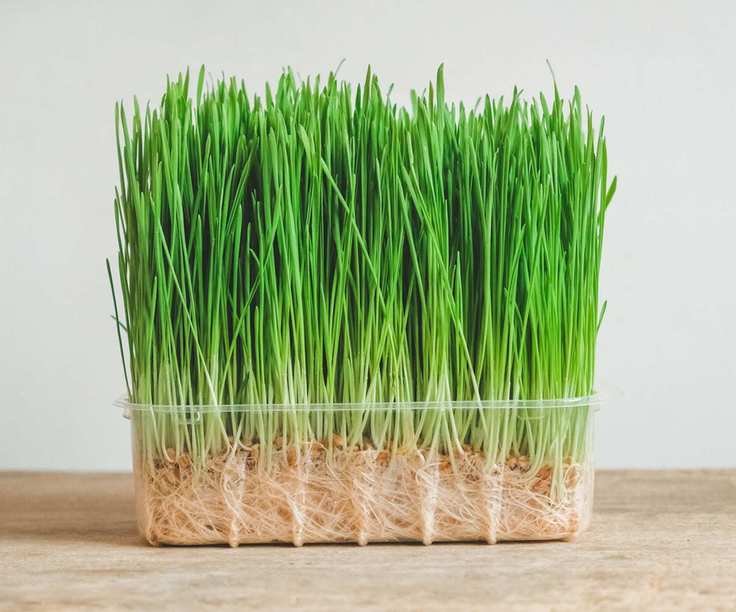
You can also grow wheatgrass effortlessly in water. A hydroponic system is ideal for this method, allowing you to observe the seeds and their germination process.
The process is straightforward: place the seeds in a jar and soak them in water to rinse. Drain the water using a strainer and cover the seeds with fresh, filtered water.
"Soak the seeds for eight to twelve hours, then drain and rinse them twice daily for two to three days to ensure they receive fresh water," says Asmita Batajoo. "You'll see tiny sprouts forming within days."
Your wheatgrass will be ready to harvest once it reaches around eight inches in height after approximately ten days.
To keep your wheatgrass fresh, regularly mist it, similar to using this plant mister from Greendigs.
FAQs
How Can You Incorporate Wheatgrass in Your Cooking?
Wheatgrass is a versatile superfood with an earthy flavor that fits into a variety of recipes. It's commonly added to green smoothies and juices, pairing well with spinach, bananas, and pineapples. Additionally, wheatgrass juice can serve as a unique salad dressing, complementing other homegrown microgreens.
Which Other Superfoods Pair Well with Wheatgrass?
Rich in vitamins and antioxidants, wheatgrass is often paired with other superfoods like berries, including strawberries and raspberries, to enhance the flavor of a wheatgrass smoothie.
Wheatgrass is an excellent crop for those seeking a health boost. Its quick growth means you can enjoy homemade green smoothies in no time. For additional easy superfoods to cultivate at home, consider growing asparagus, turmeric, and blueberries for their nutritional benefits.