
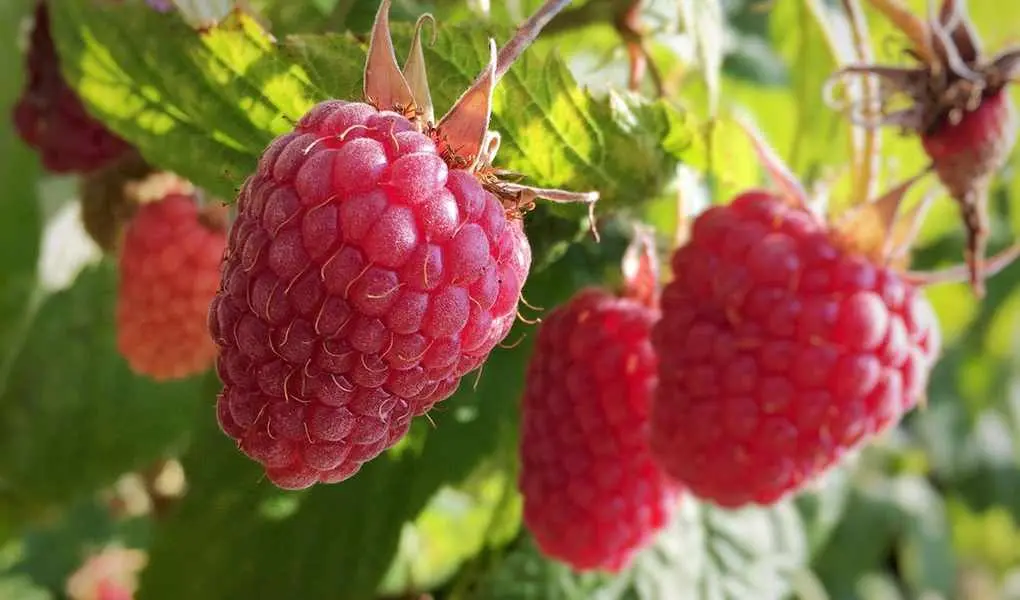
Are you curious about how to cultivate raspberries? Imagine enjoying a bowl of freshly picked raspberries topped with cream and maybe a sprinkle of meringue on a warm summer day. Sweet and tart, raspberries enhance a variety of desserts and can be easily grown in your own garden. A few raspberry bushes can provide an ample supply of fruit, and if you find yourself with an excess, they freeze exceptionally well.

There are two primary types of raspberry plants: summer-fruiting, which bear fruit from June to August, and fall-fruiting, which produce from August until the first frosts. The summer-fruiting variety needs to be planted in rows with a supportive structure, typically involving a post and wire system, and has specific pruning needs. Additionally, there are varieties suitable for container gardens or smaller spaces.
Conversely, the fall-fruiting type resembles a bush, does not require support, and only requires basic annual pruning. Each year, all canes can be trimmed back to about 5 cm above ground, allowing them to regrow the following season. If you're pressed for space or time, the fall-fruiting varieties are less labor-intensive and just as delicious. However, if you have the room and time, planting both types can ensure a generous harvest.

Optimal Growing Conditions for Raspberries
Raspberries flourish in cool, moist environments with well-draining, fertile soil, and they thrive in sunlight, although they can tolerate some shade. They struggle in overly wet soil or excessively hot, dry conditions.
According to horticulturist Amy Enfield, raspberries, like other bramble fruits, can grow in any soil with adequate drainage, but they prefer deep, rich sandy-loam soil. The planting area should receive full sun (in southern regions, midday shade can prevent fruit from scorching). Good airflow is crucial, so avoid low-lying areas prone to frost. In exposed locations, consider adding a windbreak to shield the plants.
Summer-fruiting raspberries require permanent support, which is frequently achieved through a post and wire system. They also produce fruit on the previous season's growth, meaning if you plant new varieties, you won’t see fruit in the first year.

Planting Raspberries
Raspberry plants typically arrive as bare roots and should be planted while dormant, ideally during autumn or early winter. Below is a step-by-step guide to planting summer-fruiting raspberries.
Site Preparation:
Raspberries do not thrive in poor, dry soils, so it’s essential to prepare the ground by incorporating well-rotted manure or organic matter to enrich the soil and help retain moisture. Clear the area of any persistent weeds.
“Raspberries prefer rich soil high in organic matter and free from weeds, as young plants struggle against competition,” says Enfield. They should be spaced 2-3 feet apart in rows that are 5 feet apart. Red raspberry varieties can spread at least a foot each year.

Constructing Support:
Raspberries need a permanent support system, so before planting, create your support structure. This often consists of a post and wire setup spaced 1.5 meters apart, ideally running north to south to capture maximum sunlight. To create the posts, drive 2.5-meter wooden stakes into the ground at intervals of 1.8 meters, and then stretch three sturdy wires across the posts at varying heights, around 60 cm apart.
Planting Your Raspberries:
Once the ground is prepared and the structure is set, you can plant your raspberries. Dig a trench about 5-8 cm deep and position the raspberries at 60 cm intervals along the base of the support structure, ensuring the roots are spread out evenly. Backfill with soil and water well.
Pruning and Training Your Raspberries:
After planting, prune the canes to approximately 25 cm from the ground, cutting just above a bud. In mid-summer, once your raspberry plants establish new canes, trim the original canes back to the ground. The new canes will produce fruit the following year.
During summer, select the best six canes of the current year's growth and tie them to the support structure at approximately 90 cm, spacing each cane about 8-10 cm apart. Remove any damaged or weak canes, as well as those that exceed 22 cm in height.
For fall-fruiting varieties, follow the same planting method but without the need for a support structure.

Pruning Raspberries
Proper pruning is essential for healthy raspberry production. The methods differ between summer-fruiting and fall-fruiting varieties.
After summer-fruiting raspberries have produced fruit, trim all the old brown canes back to the ground. At this point, choose the best six canes from the current year's growth and secure them to the support structure, spacing them 8-10 cm apart at a height of about 90 cm. Cut out any damaged or weak canes, as well as those that extend more than 22 cm from the row, to enhance light and airflow.
In spring, trim the raspberries to about 15 cm above the top wire, removing any frost-damaged parts.
For fall-fruiting raspberries, all canes should be cut back to ground level after harvesting, allowing them to regrow in spring.
Maintaining Raspberries
Raspberries prefer moist conditions due to their shallow root systems, so ensure they are well-watered during hot spells.
“Keep the soil damp but not saturated during the growing season in late spring and summer. Drip irrigation or soaker hoses are ideal for watering raspberries while keeping the foliage dry,” suggests Enfield.
In spring, it’s also beneficial to mulch the plants with a layer of compost or leaf mold to help retain moisture in the soil.
“Raspberry roots dislike the heat of summer, so to extend the life of your patch, consider mulching and applying a preventative fungicide,” recommends Venelin Dimitrov, Senior Product Manager at Burpee.
When is the Best Time to Plant Raspberries?
The ideal time to plant raspberries is while they are dormant, during the fall or early winter.
Are Raspberries Easy to Grow?
There are two types of raspberries: summer-fruiting and fall-fruiting. Generally, summer-fruiting varieties are seen as more labor-intensive compared to fall-fruiting types. If you’re looking for an easier option, the fall-fruiting variety is the way to go. They bear fruit in the first year, don’t need a support system, and require simple pruning—just trim them back to 5 cm above ground after harvesting, and they’ll be ready to produce again next year.



