

Garages often become the go-to spot for storing all kinds of large, messy, and muddy items, including the car. While the idea of organizing your garage may seem overwhelming, taking the time to do it can pay off significantly. A well-organized garage offers more than just a clean appearance; it enhances your overall living experience.
By integrating practical storage solutions into your organization plan, you can fully utilize the garage's storage capabilities, which in turn creates more space for other areas in your home.
“An organized garage not only looks appealing but also greatly improves your daily life. You won’t have to worry about tripping over bikes, helmets, or misplaced sports equipment while navigating your home,” says Amy Stansfield, an expert from Wallsauce.
With this in mind, we’ve compiled a list of strategies that will help you optimize your garage space and maintain its functionality over time.
Transform Your Garage into an Organized Space
Garages often have a reputation for being dark and unwelcoming, but this doesn’t have to be the case. While it may seem unnecessary to invest effort into an area that isn’t often used, enhancing the environment can encourage you to spend time organizing it. Brightening up the space with new lighting and a fresh coat of paint can go a long way, so make that your first task.
1. Begin with Decluttering

Garages tend to accumulate a variety of items over time, making decluttering an essential first step. You might find yourself sorting through everything from bicycles and golf clubs to light bulbs and holiday decorations, which can be a bit daunting.
To keep the process manageable, allocate several days for the task and create a clear plan. Consider dividing items into categories like 'keep,' 'discard,' and 'donate.' This organization will simplify the next stages of your project. If you anticipate a large amount of trash, arrange for a waste removal service or a van to take items to your local recycling center beforehand.
“Before you start placing items back, take a moment to assess the structure of your garage. Make sure it doesn’t need any repairs, as now would be the ideal time to address any issues,” advises Richard Berry, a building specialist from Lidget Compton.
2. Organize by Usage
Given the myriad items that garages are expected to accommodate, it’s no surprise they often end up in chaos. Begin establishing order by grouping similar items together. Create categories that fit your household, such as outdoor toys, gardening tools, bicycles, and DIY supplies.
Once you have your categories, you can determine the best storage solutions for each group. Tackle one category at a time to prevent feeling overwhelmed, starting with the larger items first, as smaller items are generally easier to store.
3. Design a Practical Layout
Next, consider how you interact with the items in your garage and designate specific areas for each. This is a key principle for maintaining a clutter-free space. Store frequently used items like sports gear, bicycles, and gardening supplies close to the entrance, while less frequently used tools and holiday decorations can be placed further back.
If your garage contains bulky items such as exercise equipment, a chest freezer, or an extra refrigerator, ensure there’s enough room around them for easy access. Avoid overcrowding areas near doors, including those for your vehicle.
4. Implement an Efficient Shelving System

When organizing your garage, effective shelving is crucial. As you choose a shelving system, keep adaptability in mind. Since garage items come in various shapes and sizes, shelving that accommodates different dimensions will enhance the usable space.
“I prefer to organize my shelves by their purpose. For instance, I have one shelf dedicated to car maintenance supplies like windshield wiper fluid and microfiber towels, and another for gardening tools,” says Mark Feldman, owner of Riverbend Home. “The bottom shelf is for heavier items, and I adjust it seasonally based on what I need.”
While built-in shelving can be useful, it’s advisable to avoid permanent installations. Your storage needs may change over time, and having adjustable shelving will help you stay organized in the long run.
5. Keep Small Items Together
Whether you opt for stackable bins or include drawers in your storage scheme, make sure to allocate space for smaller items like tools, hardware, batteries, and lightbulbs. While it might be tempting to stow these away, clear containers are a practical choice – they allow you to see what’s inside without rummaging.
6. Select Purpose-Designed Containers
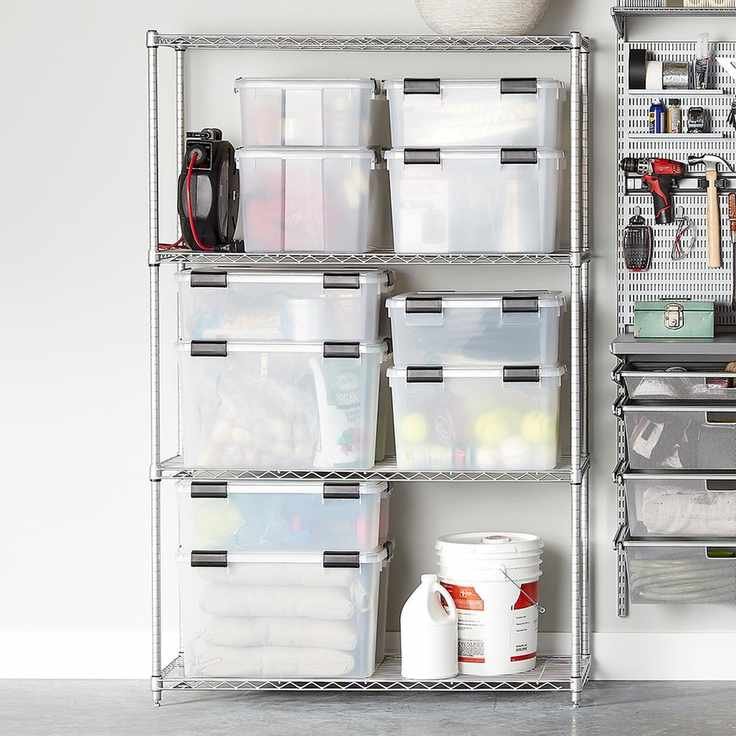
Remember that garages are not typically designed as traditional living spaces, so it’s essential to select storage solutions that fit their unique purpose.
“Look for sturdy storage containers with reliable lids,” advises Craig Sammells, UK & Ireland manager of the Orthex Group. “If moisture is a concern, pick waterproof containers to keep contents clean and dry, protecting them from humidity, dust, and pests as well.”
Select different-sized containers to suit the items you’re storing, which will help prevent overfilling. You want to be able to access boxes without straining your back. Alternatively, consider sliding storage options that eliminate the need to shift items around to find what you need.
7. Label Everything Clearly
As the initial organizer, you might remember where everything is located, but others in your household likely won’t. Avoid unnecessary hassle by clearly labeling all storage bins. You might even implement a color-coded system using stickers or colored boxes to simplify things further. The more organized your labeling system, the more likely your organizational efforts will hold up over time.
8. Keep the Floor Space Clear
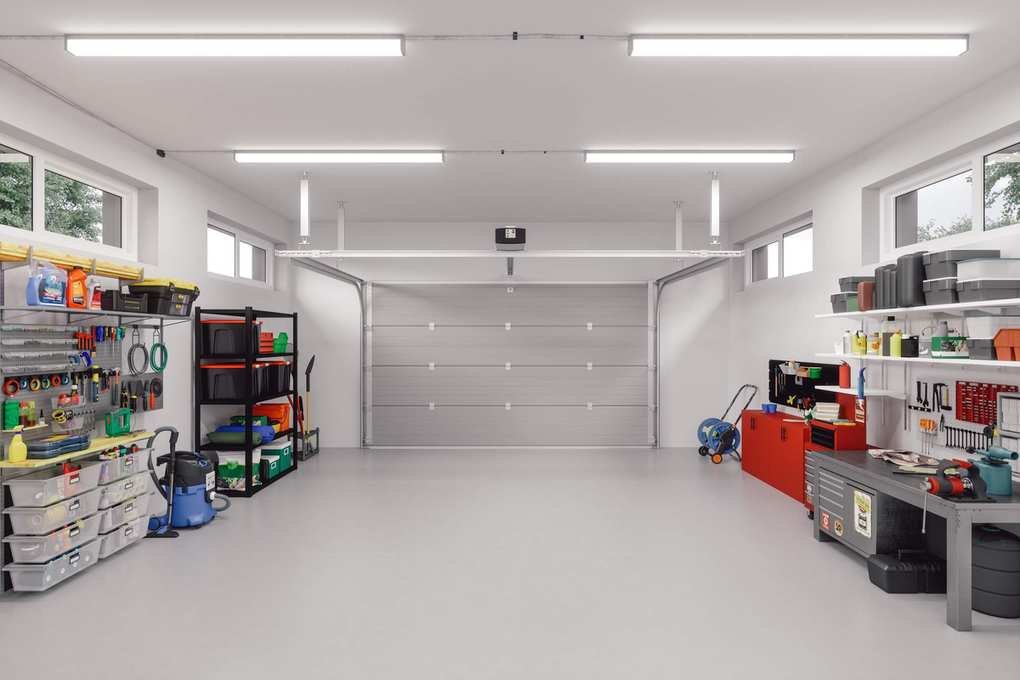
Regardless of whether you utilize your garage for parking a car, keeping the floor as clear as possible will always create a less cluttered feeling. Invest in organizational solutions that support this goal.
In addition to shelving, consider using wall-mounted hooks and pegboards for hanging coats, shoes, tools, and gardening gear,” suggests Richard Berry. If you have bicycles, wall racks will keep them safe from damage while maintaining a clear floor space.
9. Make Use of Ceiling Space
Utilizing vertical space by storing large, bulky items on the ceiling can greatly enhance your garage’s storage capacity. This is particularly useful for items that you may not use frequently but still need to keep, like ladders or kayaks.
Just ensure that anything stored on the ceiling is out of the way of door mechanisms and the tops of any vehicles parked inside.
Ceiling rafters are excellent for keeping seldom-used items such as holiday decorations or vacuum-sealed seasonal apparel. If your garage lacks rafters, consider investing in hanging shelves instead.
10. Think About Installing a Garage Mudroom
If you have the space, creating a garage mudroom is a fantastic idea, especially if you typically enter your home through the garage. This is especially useful for families with pets or children who love playing outdoors.
Your garage mudroom doesn’t need to be elaborate to be effective. A simple storage box can serve as a bench for changing shoes, while a peg rail is perfect for hanging coats, scarves, and other outerwear.
Think about labeling hooks and shelves to help family members keep track of their belongings, especially for younger children.
How to Begin Organizing Your Garage?
Garages often become a dumping ground for all sorts of items, so your first step should be sorting through what you have. This can feel overwhelming, so it’s advisable to create a plan beforehand. Set aside a few days to complete the task to avoid unnecessary pressure.
Remove everything from the garage and dispose of any broken or unneeded items. While the garage is empty, take the chance to conduct any necessary maintenance, apply a fresh coat of paint, or at the very least, give it a thorough cleaning. Once the space is cleared, decide on effective storage solutions and a practical layout for your items.
How to Plan Your Garage Layout?
Before returning items to their places, it’s beneficial to sketch a rough floor plan, accounting for larger items like your car, chest freezer, and gym equipment (don’t forget to allow space for door openings). This will clarify how much space you have to work with.
Group items by category, then designate specific areas for them. Ensure that frequently used items are the most accessible. The aim is to keep the floor clear, so store items vertically or high up when possible (cubing items like fishing rods, skis, and shovels vertically saves space too). Use open shelving for larger items or items you may need to find quickly, and reserve cabinets for smaller items like seeds, tools, and household essentials.
Consider seasonal rearrangements of your layout. For instance, snow shovels and salt should be easily accessible in winter, while lawn mowers and gardening tools should take precedence in summer. This not only simplifies your life but also encourages regular organization and decluttering.



