
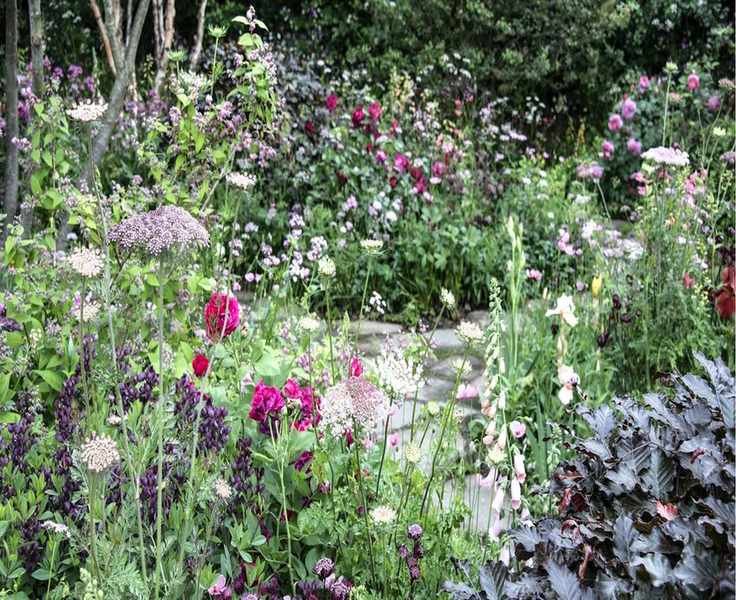
Birth month flowers, like birthstones, provide a distinctive floral identity for everyone. While we might have preferences, these flowers symbolize the essence of our birth month.
Each month features two birth flowers, offering a chance to cultivate a personal garden or enhance floral displays with meaningful blooms. Here's a rundown of each month's flowers, along with expert tips for their growth.
Understanding Birth Month Flowers
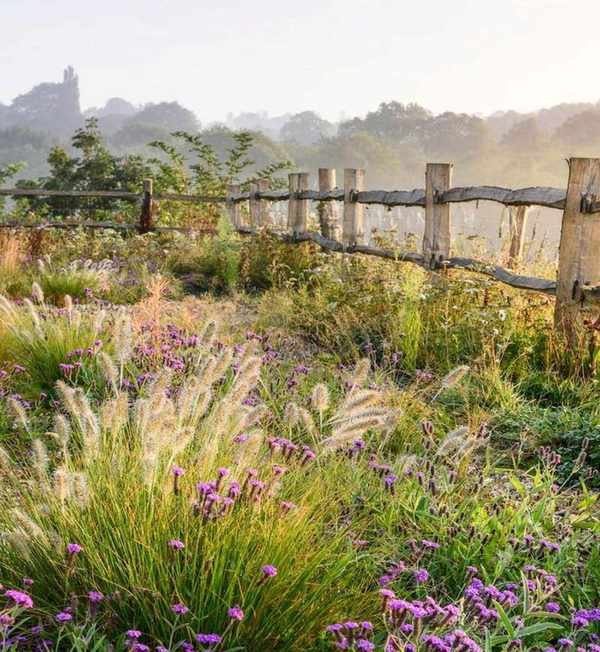
The origins of birth month flowers are somewhat unclear, with some tracing back to ancient Roman times. The Victorian era popularized floral symbolism, where flowers conveyed hidden messages.
Today, birth month flowers serve as personalized symbols, perfect for home decor aligned with your zodiac, or for enriching magical gardens.
Here are the flowers for each month:
- January: Carnation and snowdrop
- February: Iris and violet
- March: Jonquil and daffodil
- April: Daisy and sweet pea
- May: Lily of the valley and hawthorn
- June: Honeysuckle and rose
- July: Larkspur and waterlily
- August: Poppy and gladiolus
- September: Aster and morning glory
- October: Cosmos and marigold
- November: Chrysanthemum and peony
- December: Holly and narcissus
Growing Your Birth Month Flowers
Before planting, consider your local climate to ensure successful growth of these flowers. Different flowers thrive in varying US hardiness zones and have specific planting times.
Here are tips for each month's flowers.
January: Carnation and Snowdrop
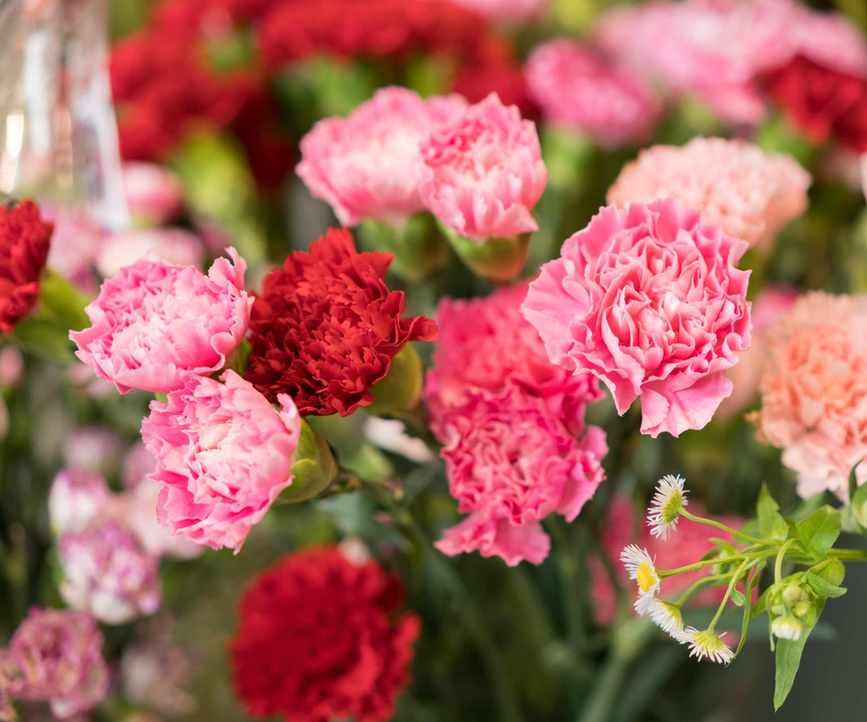
Carnations, popular for their classic spring charm, can be grown as annuals or perennials. Snowdrops are fantastic winter flowers, heralding spring with their early blooms.
Growing Carnations
- US hardiness zone: 5 to 10
- Bloom period: Late spring to summer
- Planting: Sow seeds indoors two months before the last frost or outdoors in late summer.
- Conditions: Requires full sun to partial shade and well-drained soil.
Growing Snowdrops

- US hardiness zone: 3 to 7
- Bloom period: Mid-winter to early spring
- Planting: Bulbs can be planted between August and November or in spring after flowers fade.
- Conditions: Prefers partial shade and moist, well-drained soil.
February: Iris and Violet
Irises, whether bearded or non-bearded, are elegant perennials. Violets, adaptable and lovely, can thrive in borders or containers.
Growing Irises

- US hardiness zone: 3 to 9
- Bloom period: Early spring to summer
- Planting: Plant bulbs from September to November.
- Conditions: Full sun in well-drained soil.
Growing Violets

- US hardiness zone: 3 to 9
- Bloom period: Spring
- Planting: Sow seeds indoors in early spring or in a cold frame.
- Conditions: Prefers partial shade and damp, well-draining soil.
March: Jonquil and Daffodil
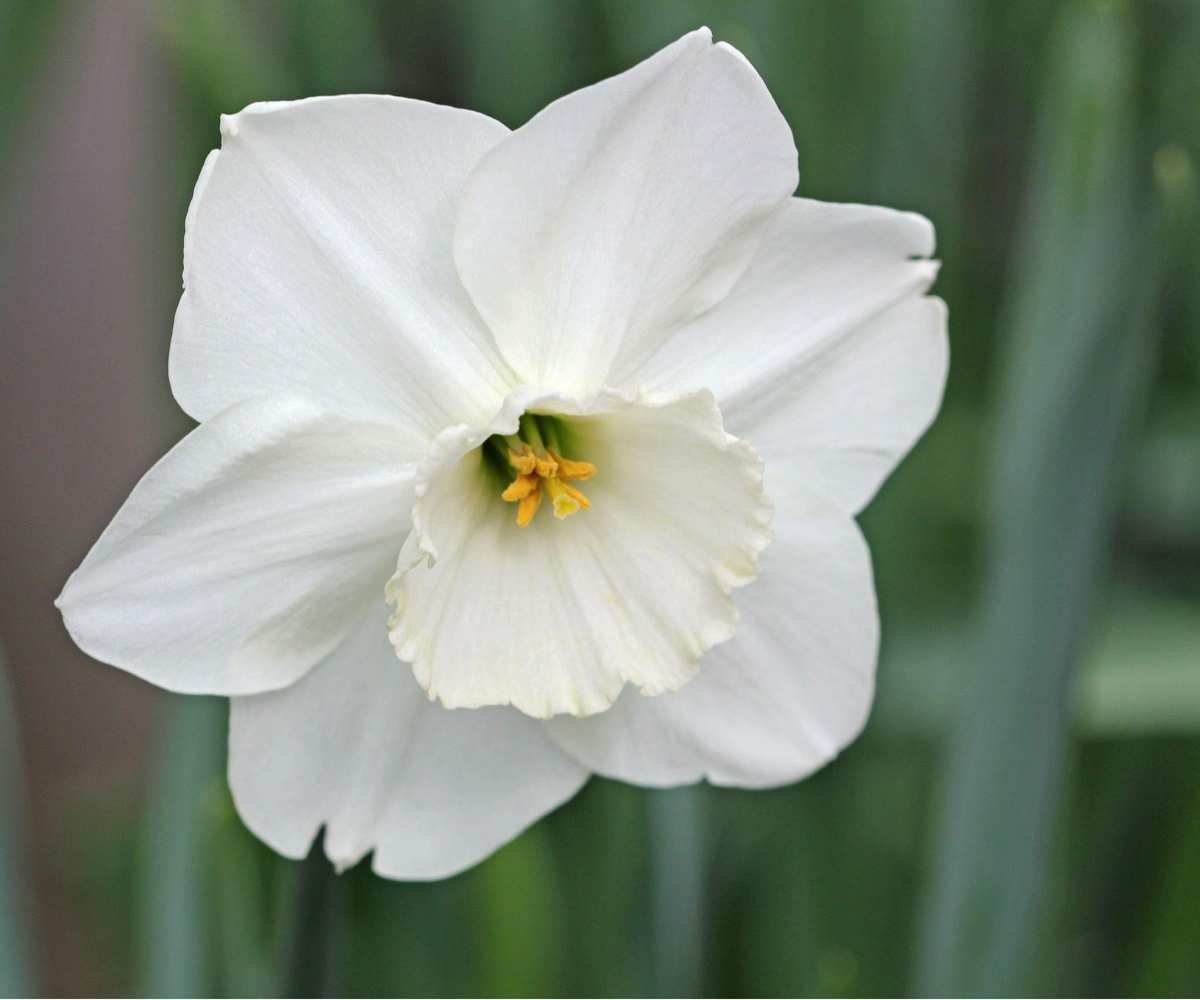
Although both belong to the narcissus family, jonquils and daffodils differ in growth and appearance, with jonquils offering a sweet aroma.
Growing Jonquils
- US hardiness zone: 4 to 9
- Bloom period: Late winter to spring
- Planting: Bulbs should be planted in fall.
- Conditions: Full sun to partial shade in well-drained soil.
Growing Daffodils
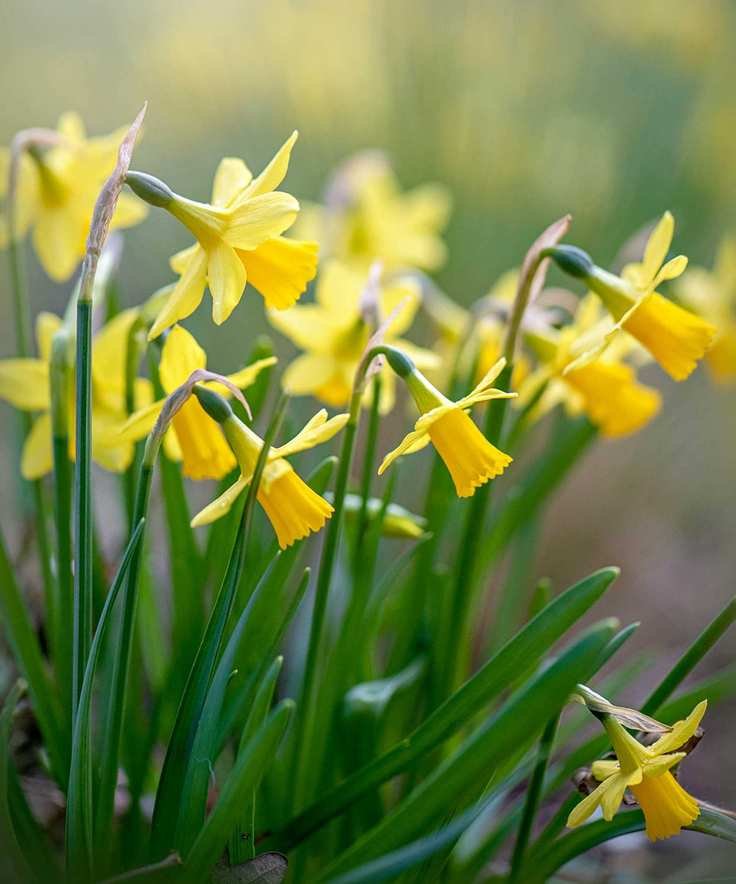
- US hardiness zone: 3 to 9
- Bloom period: Late winter to spring
- Planting: Plant bulbs in fall.
- Conditions: Full sun in fertile, well-drained soil.
April: Daisy and Sweet Pea
Daisies, often seen as weeds, bring nostalgia with their blooms. Sweet peas are fragrant annuals that thrive in gardens.
Growing English Daisies
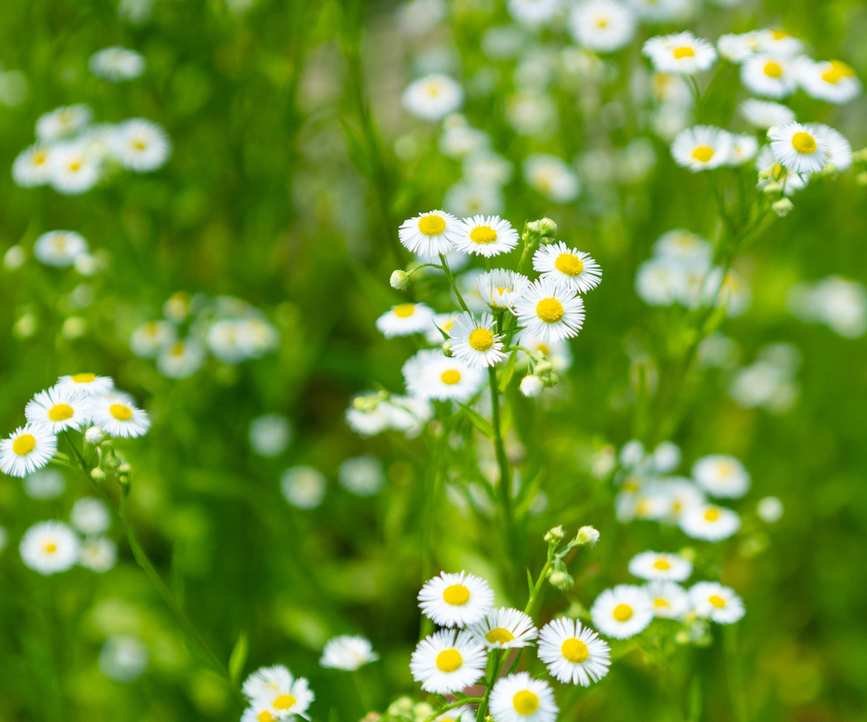
- US hardiness zone: 4 to 10
- Bloom period: Spring to early fall
- Planting: Sow seeds directly in spring or fall.
- Conditions: Full sun to partial shade.
Growing Sweet Peas
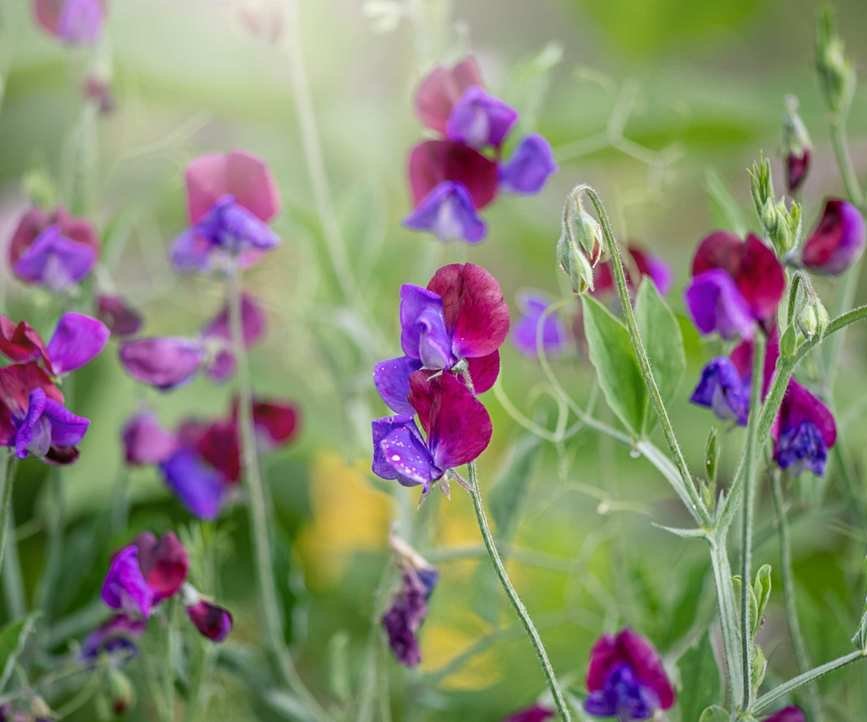
- US hardiness zone: 3 to 8
- Bloom period: Summer
- Planting: Sow seeds directly or indoors in spring.
- Conditions: Full sun in well-draining soil.
May: Lily of the Valley and Hawthorn
Lily of the valley, delicate yet hardy, thrives in various conditions. Hawthorns serve as beautiful hedges or trees.
Growing Lily of the Valley
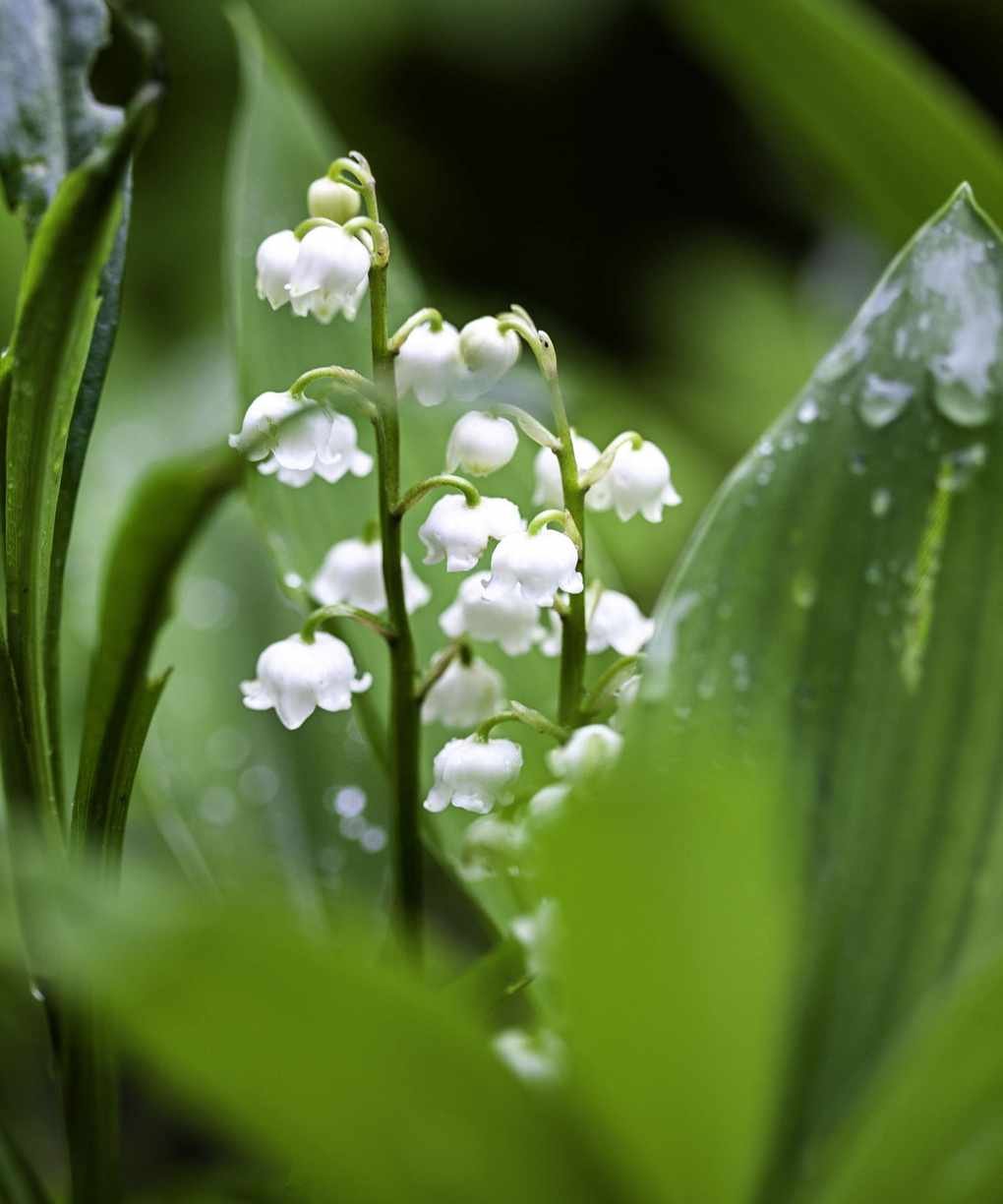
- US hardiness zone: 3 to 8
- Bloom period: Spring
- Planting: Plant bulbs in fall.
- Conditions: Partial to full shade.
Growing Hawthorn

- US hardiness zone: 3 to 9
- Bloom period: Spring
- Planting: Best planted in fall.
- Conditions: Part shade to full sun.
June: Honeysuckle and Rose
Honeysuckle can be invasive, so proper care is essential. Roses, available in many forms, are classic summer staples.
Growing Honeysuckle

- US hardiness zone: 5 to 9
- Bloom period: Summer to early fall
- Planting: Plant in pots or ground.
- Conditions: Partial shade, moist soil.
Growing Roses
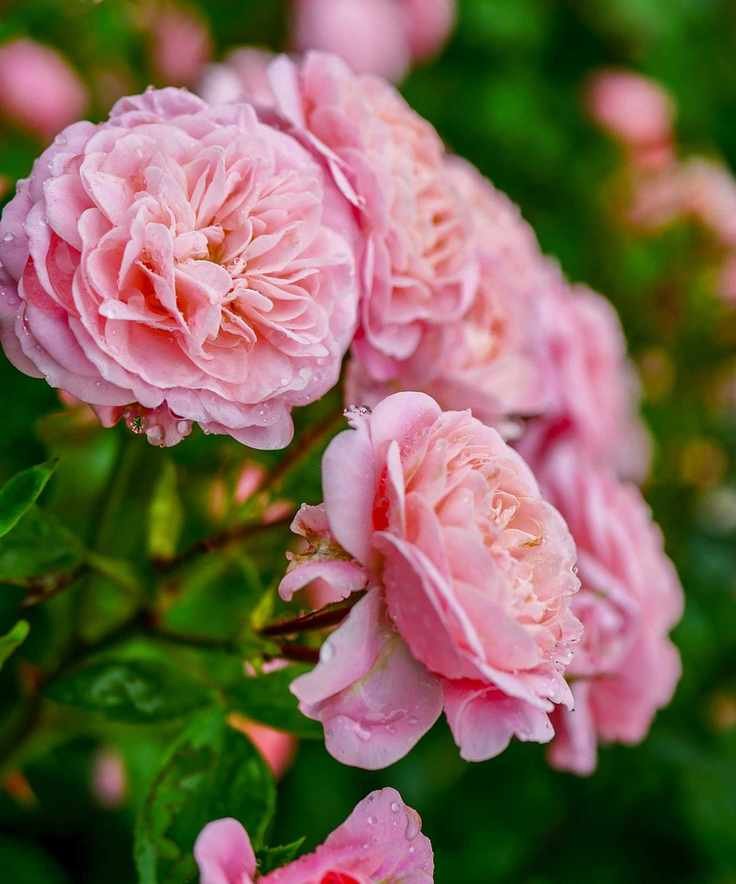
- US hardiness zone: 5 to 9
- Bloom period: Late spring to early fall
- Planting: Generally in late fall.
- Conditions: Full sun in well-draining soil.
July: Larkspur and Waterlily
Larkspur, known for its vibrant colors, adds height to gardens. Waterlilies grace ponds with their lovely flowers.
Growing Larkspur

- US hardiness zone: 3 to 7
- Bloom period: Summer
- Planting: Sow seeds in early spring.
- Conditions: Partial shade to full sun.
Growing Waterlilies
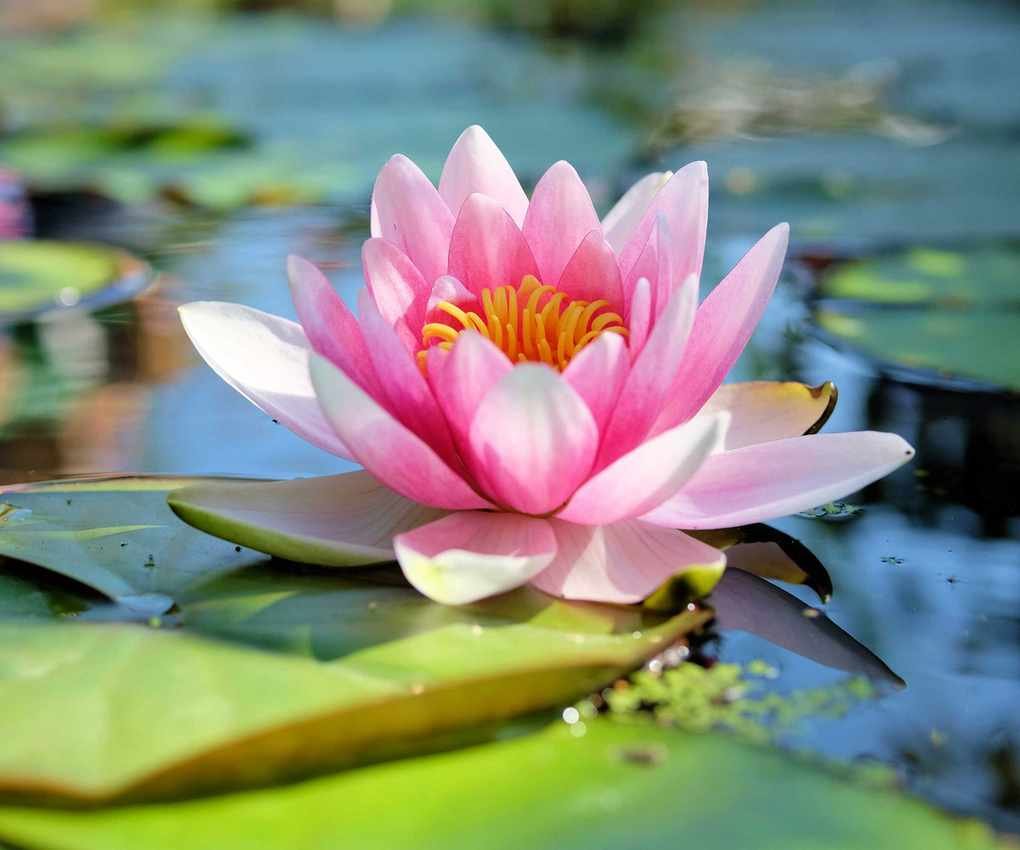
- US hardiness zone: 4 to 11
- Bloom period: Summer
- Planting: Plant in late spring.
- Conditions: Full sun in still water.
August: Poppy and Gladiolus
Poppies offer a range of colors and are great for wildflower gardens. Gladiolus bring elegance with their tall stems and soft blooms.
Growing Poppies
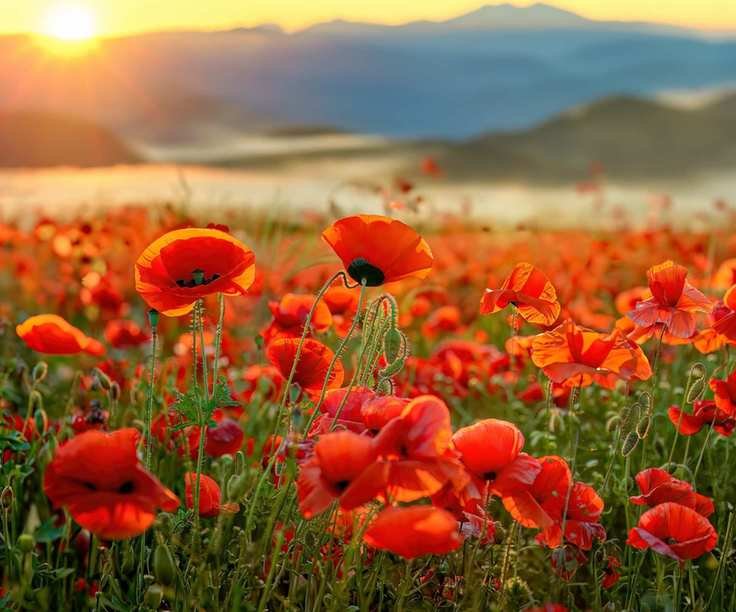
- US hardiness zone: 4 to 9
- Bloom period: Spring to summer
- Planting: Sprinkle seeds in spring or fall.
- Conditions: Partial shade to full sun.
Growing Gladiolus
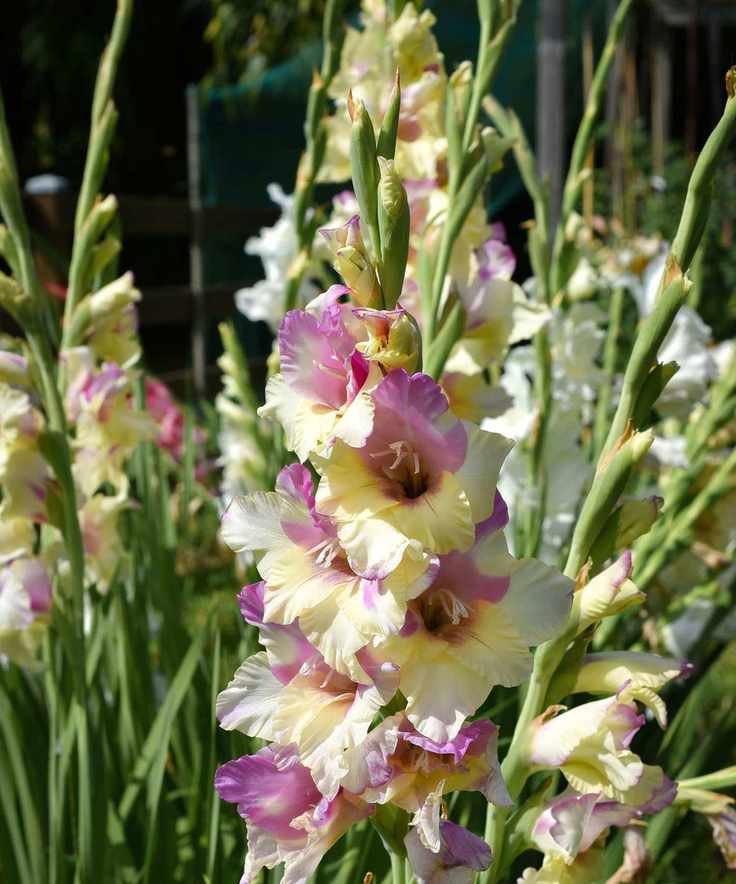
- US hardiness zone: 7 to 10
- Bloom period: Summer
- Planting: Plant bulbs in spring.
- Conditions: Full sun in well-draining soil.
September: Aster and Morning Glory
Asters are vibrant perennials, perfect for fall gardens, while morning glories open their blooms in the morning sun.
Growing Asters

- US hardiness zone: 3 to 8
- Bloom period: Late summer to fall
- Planting: Sow seeds indoors in early spring.
- Conditions: Full sun or light shade.
Growing Morning Glory
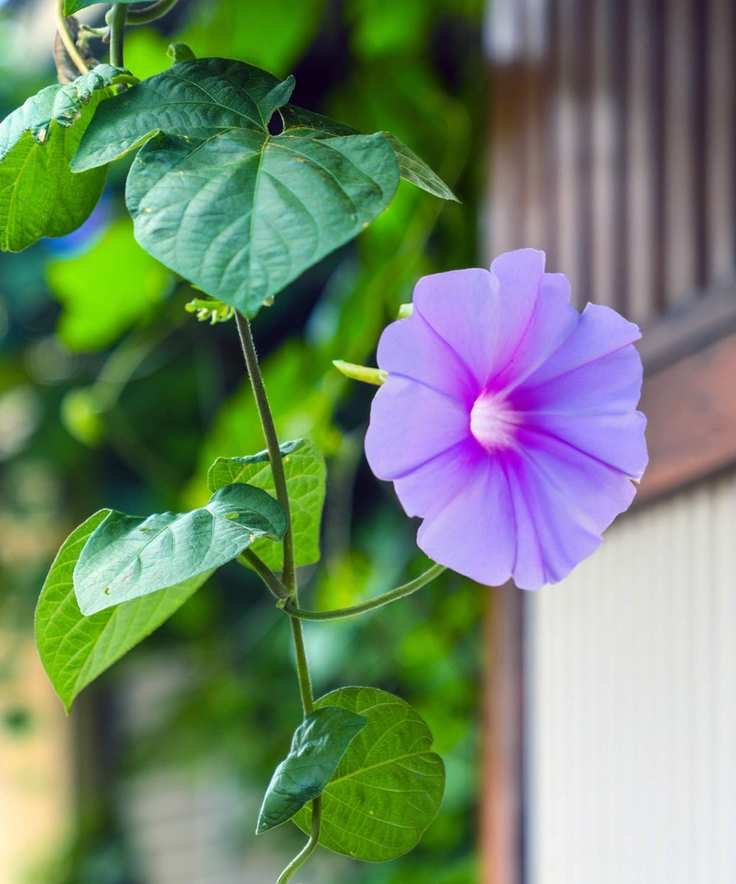
- US hardiness zone: 2 to 11
- Bloom period: Mid to late summer
- Planting: Sow seeds indoors before the last frost.
- Conditions: Full sun with moist, well-draining soil.
October: Cosmos and Marigold
Cosmos come in various colors and can self-seed, while marigolds are excellent for pest control in gardens.
Growing Cosmos
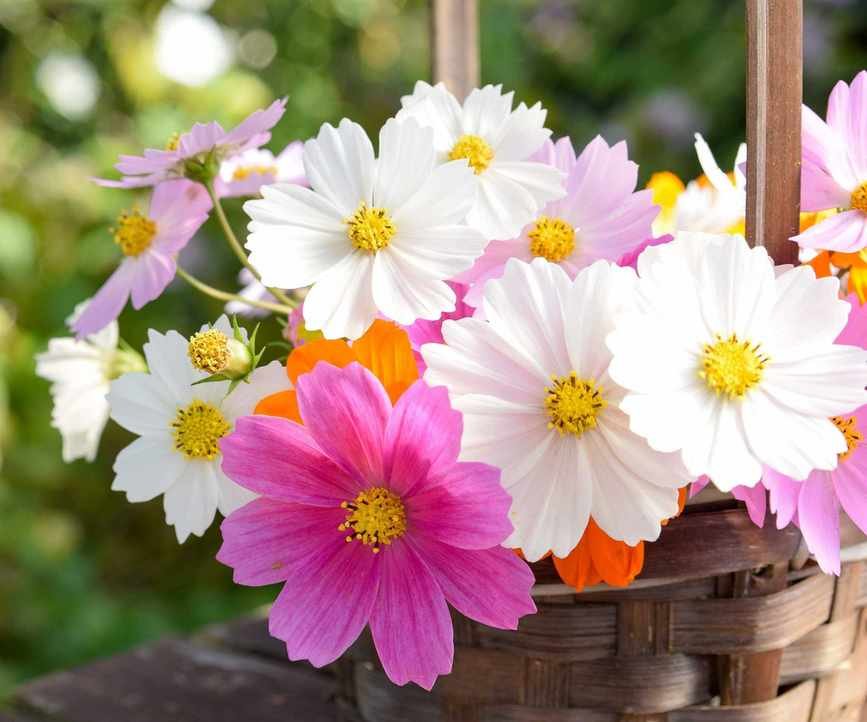
- US hardiness zone: 7 to 11
- Bloom period: Mid summer to fall
- Planting: Sow seeds indoors or directly in late spring.
- Conditions: Full sun in well-drained soil.
Growing Marigolds
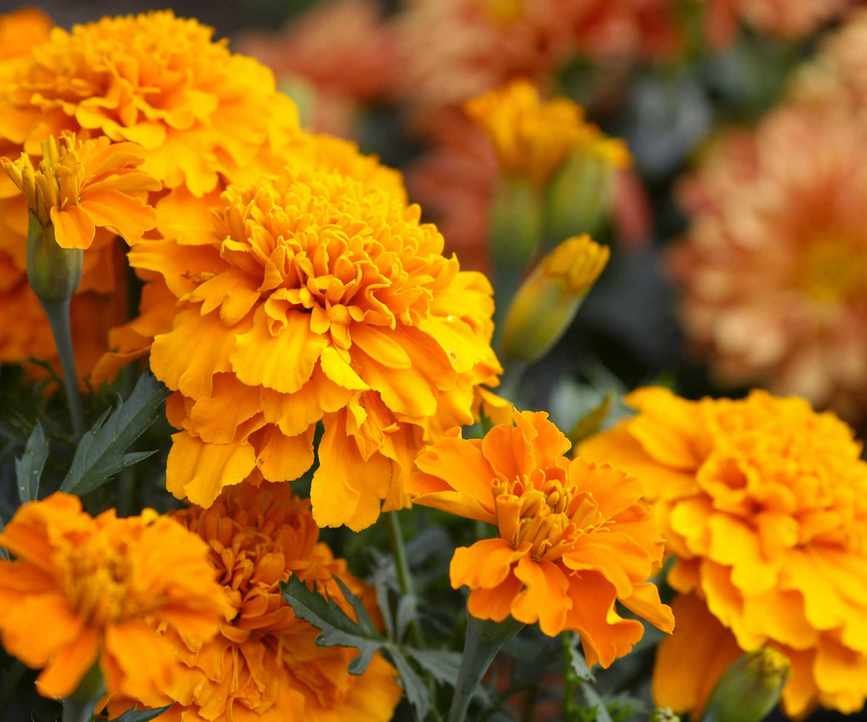
- US hardiness zone: 2 to 11
- Bloom period: Late spring to fall
- Planting: Start seeds indoors in early spring.
- Conditions: Full sun, drought-resistant.
November: Chrysanthemum and Peony
Chrysanthemums, with their vibrant fall colors, are a staple, while peonies bloom earlier in the year, symbolizing love.
Growing Chrysanthemums
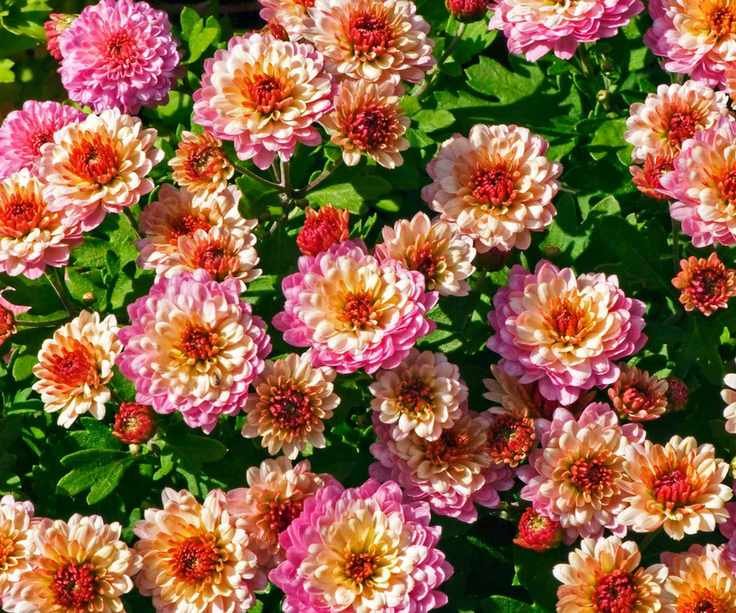
- US hardiness zone: 5 to 9
- Bloom period: Fall
- Planting: Plant in late spring.
- Conditions: Full sun, well-drained soil.
Growing Peonies

- US hardiness zone: 3 to 8
- Bloom period: Mid spring to summer
- Planting: Plant from October to March.
- Conditions: Full sun, sheltered position.
December: Holly and Narcissus
Holly is a beloved winter shrub, while narcissus, especially paperwhite, is often forced indoors for the holidays.
Growing Holly
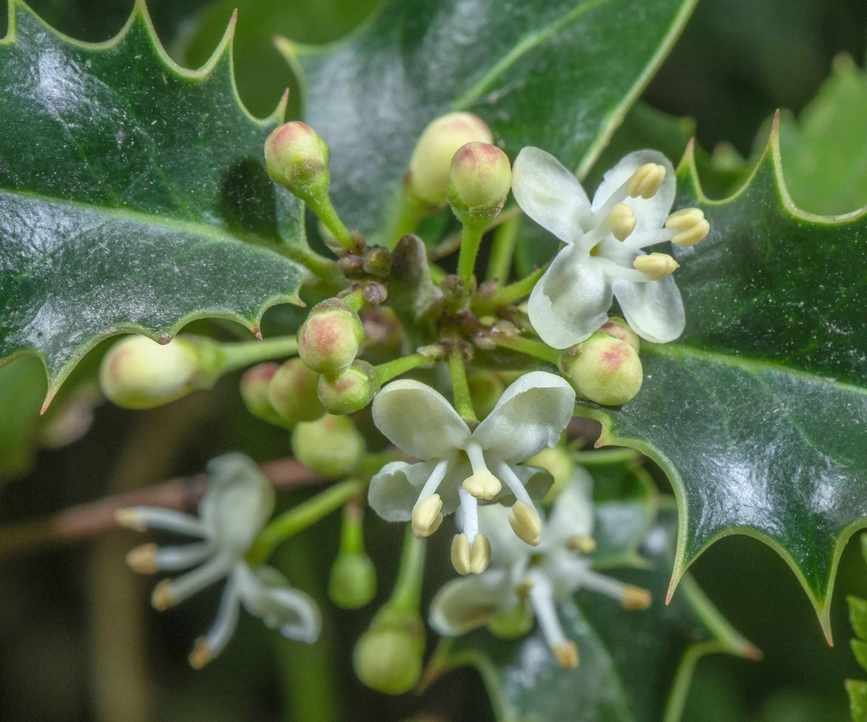
- US hardiness zone: 5 to 11
- Bloom period: Spring to summer
- Planting: Best planted in spring or fall.
- Conditions: Full sun to partial shade.
Growing Narcissus

- US hardiness zone: 3 to 9
- Bloom period: Spring
- Planting: Plant bulbs in early fall or potted bulbs in spring.
- Conditions: Prefers sunny locations and well-drained soil.
Each of the 24 birth month flowers holds its unique charm. Whether in your garden or given as gifts, these flowers offer a special touch to any floral arrangement. Before planting, explore resources on the best planting times and care tips for successful growth.



