Kyoto presented a stark contrast to the relaxed vibe I appreciated in Thailand. Here, everything felt organized, with safe pathways and drinkable water—plus, loud tour guides were everywhere.
Tourist crowds marred my experience and photos. I hoped Kyoto would change my perspective on Japan.
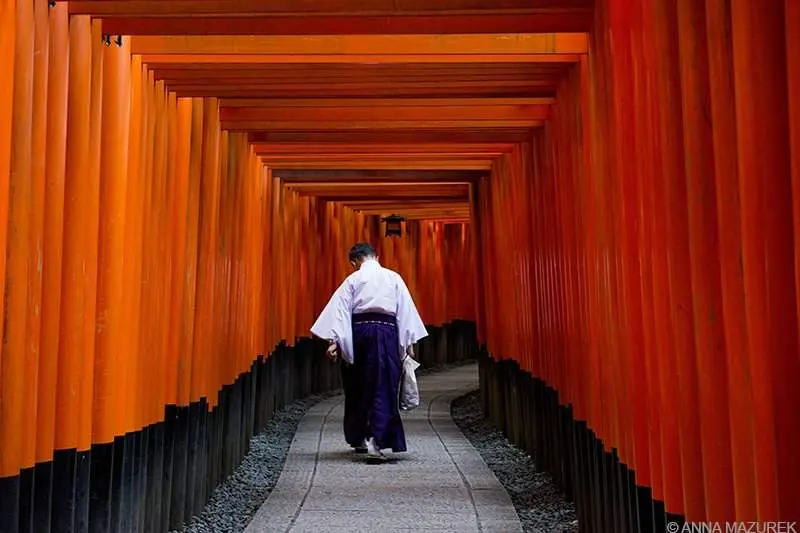
During my visit, I aimed to reconnect with my friend Nick and capture the famous red torii gates at Fushimi Inari Shrine. Nick warned, “Good luck shooting without people. It’s always packed.”
I accepted his challenge.
My alarm rang at 4:30 a.m., and determination drove away my drowsiness. By 5:30 a.m., I boarded the first train from Kyoto Station to Inari Station. Early risers get the best shots.

Visitors inscribe their wishes on ema, votive tablets left at the shrine's main temple at Mount Inari's base. Foxes symbolize the messenger of Inari, the Shinto deity of rice.
Upon arrival, the shrine was nearly empty. I ventured past the main buildings, heading toward the twin rows of torii gates that run along the sacred trails of Mount Inari. These paths merged into a single line of grand gates, each bearing inscriptions from generous donors. Smaller shrines displayed tiny gates contributed by visitors with lesser means.
I explored the trails, seeking the perfect blend of light and scenery. For hours, I encountered no other tourists. A few locals wandered through the red arches on their morning strolls. One woman greeted me with a smile, her pristine outfit reminiscent of a display mannequin—spotless jacket and ankle-length hiking pants. A man in traditional attire rushed by, his wooden sandals clacking softly as his robes fluttered.
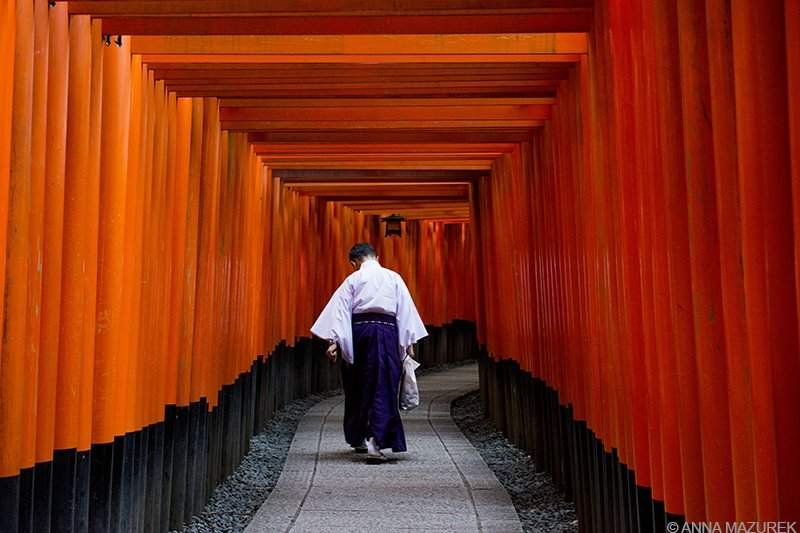
At sunrise, Fushimi Inari Shrine is more frequented by locals than tourists.
Despite the summer heat, locals donned long jackets and pants. After enduring countless mosquito bites, I envied their choices. My t-shirt and shorts offered little defense. I pulled out a plastic poncho and fashioned it into a makeshift skirt, drawing more curious looks.
Over the next two hours, I snapped hundreds of photos. When the first tourist appeared on the trail at 8:30 a.m., I made my way back to the train station. My window of opportunity had closed.
A rush of tourists disembarked from the train just as I was getting on. I felt a sense of satisfaction with my discovery. The trick to traveling is waking up early, before the tourists and shopkeepers stir. This leads to quiet moments, unobstructed photos, and a glimpse of authentic culture.
Getting to Fushimi Inari: Take a JR Nara Line train from Kyoto Station to Fushimi Inari Station, which is within walking distance of the shrine.
__________________________________________
UP NEXT:
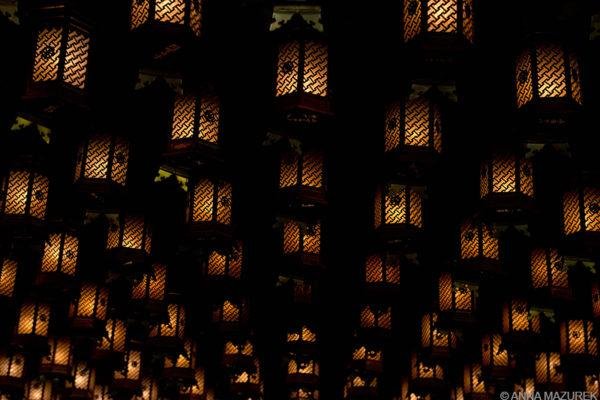
Lanterns illuminate the ceiling of the Henjokutsu Cave at Daisho-in Buddhist Temple in Miyajima, Japan.
Next week, I’ll share a detailed photo guide to the top destinations in Japan, complete with travel tips and expenses. In the following Travel Tuesday Interview, I’ll chat with a Tokyo expat who’s lived in Japan for a decade, discussing budget travel and hidden gems!