As I explore different countries, I often find similarities between them. Japan stands apart, offering a unique blend of safety, vibrancy, and efficiency, all within a compact space that houses 127.3 million people on land smaller than California.
During my three weeks traversing Japan via bullet trains, I immersed myself in breathtaking landscapes, ancient cedar forests, and serene mountain shrines. My travels revolve around capturing beautiful moments through photography, enjoying delicious food, and exploring Buddhist philosophy—Japan offered all this and more.
If you're gearing up for a trip to Japan, check out these nine essential spots. While some are well-known, others are delightful day trips from major cities that often get overlooked. (All locations are directly accessible by train unless stated otherwise.)
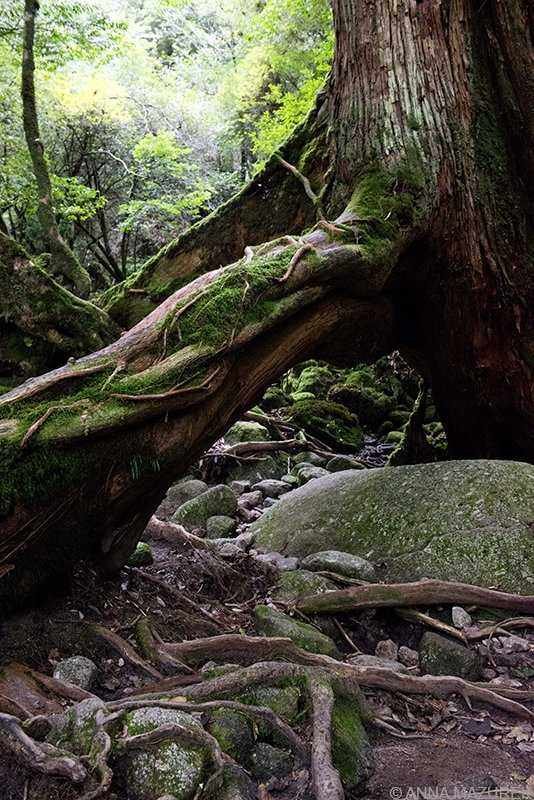
Yakushima is a lush island rich in ancient cedar trees, located 73 miles south of Kagoshima.
Yakushima
One of my favorite experiences was hiking the ancient cedar forests of Yakushima, a subtropical island off Kyushu's southern coast. The island, adorned with trees over 1,000 years old, is a must-visit, though be prepared for rain as it’s the wettest area in Japan. Stock up on ponchos and rain gear at Daiso, a handy dollar store. Although it's not the most budget-friendly destination, the experience is worthwhile!
Getting to Yakushima: The best way to reach the island is via the four-hour slow ferry (Yakushima 2) from Kagoshima, accessible by train. The ferry costs 4,900 yen ($43 USD) one way and 8,900 yen ($78 USD) round trip. A faster ferry runs six times daily, taking under two hours (8,300 yen/$73 USD one way). An airport is also available, but bus services on the island are limited, so plan accordingly unless you rent a car.
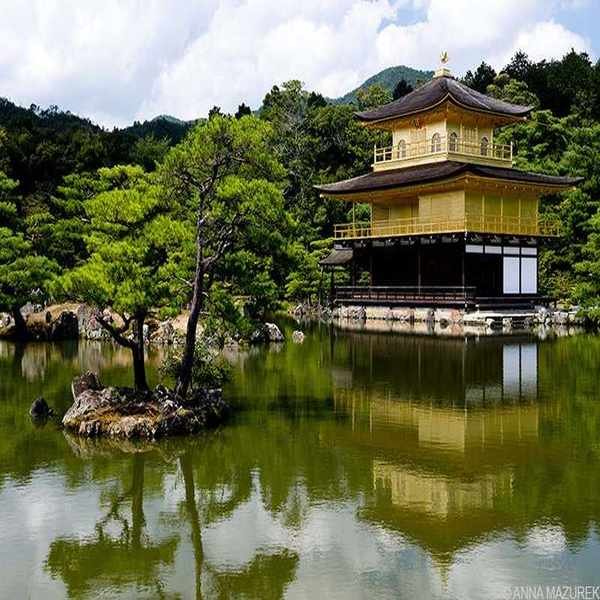
Kinkaku-ji, or the Golden Pavilion, is in Kyoto and was reconstructed in 1955 after a fire.
Kyoto
Kyoto, the former imperial capital, is a treasure trove of temples, gardens, and shrines. Stroll through the enchanting Gion district, known for its geisha culture. Don't miss the stunning Kiyomizu-dera temple, built in 1633, or the iconic Kinkaku-ji, adorned in gold leaf and beautifully situated beside a reflective pond. Both are part of the UNESCO World Heritage site, The Historic Monuments of Ancient Kyoto. Spring is ideal for cherry blossoms, while fall offers vibrant foliage. Allocate several days to fully explore the city and its surroundings!
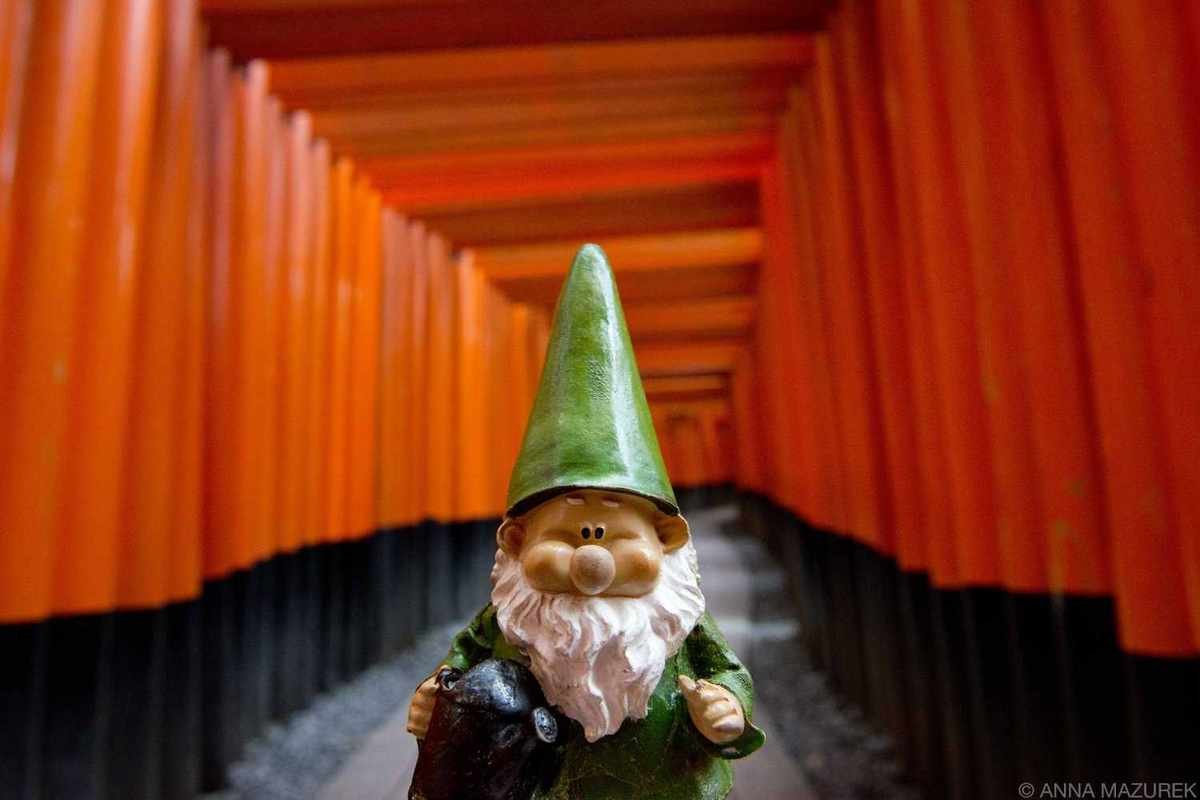
I had to capture a moment with Alfred the gnome at Fushimi Inari, a site featured in Memoirs of a Geisha.
Fushimi Inari
Fushimi Inari is famous for its thousands of vibrant red torii gates that trail up Mount Inari, dedicated to the Shinto rice deity. The main shrine sits at the mountain’s base, while smaller shrines line the paths leading up. A round trip hike to the summit takes about two to three hours. For tips on photographing Fushimi Inari without crowds, check this link!
Getting to Fushimi Inari: Catch a JR Nara Line train from Kyoto station, just two stops to Fushimi Inari Station, which is a short walk from the shrine.
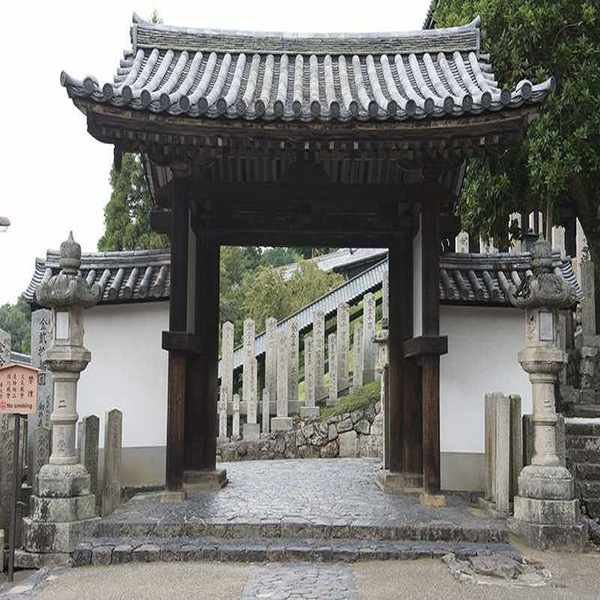
Nara, a walkable city, showcases eight UNESCO World Heritage Sites and makes for an easy day trip from Kyoto.
Nara
Established as Japan's first permanent capital in 710, Nara is well-known for its roaming deer. The city houses the oldest and largest temples, including Todaiji, which contains the world’s largest wooden building and a 15-meter-tall Buddha statue. My favorite author, Pico Iyer, occasionally writes about Nara in his book, The Lady and The Monk: Four Seasons in Kyoto, a must-read for Japan travelers.
Getting to Nara: Take a 45-minute train ride from Kyoto Station to Kintetsu Nara Station.
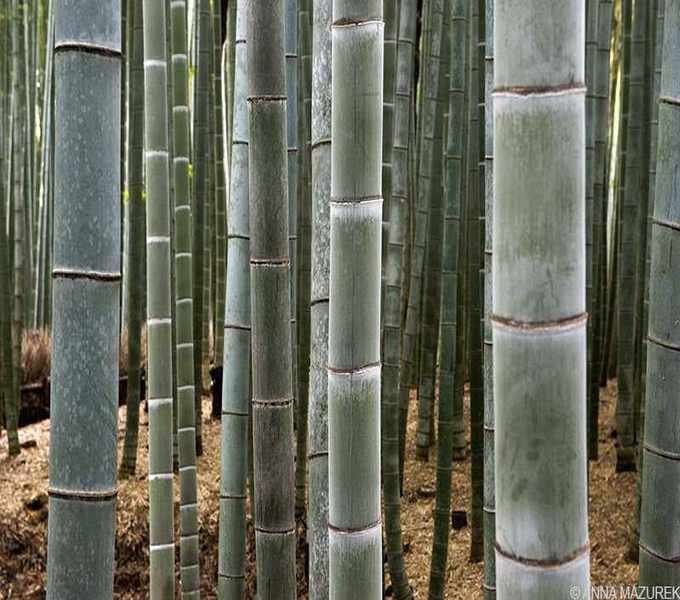
Arashiyama's bamboo grove is short but incredibly picturesque. Arrive early for the best photos!
Arashiyama (Bamboo Forest)
Arashiyama's bamboo groves are breathtaking, though small and often crowded. Visit early for fewer people. The area also features beautiful temples and gardens, making it a perfect day trip from Kyoto.
Getting to Arashiyama: It's a 15-20 minute train ride from Kyoto Station, with a short walk to the town center.
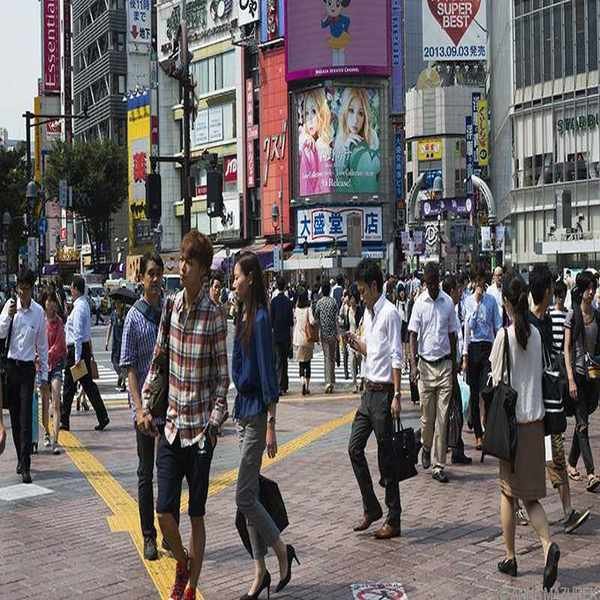
The Shinjuku crosswalk in Tokyo is rumored to be the busiest in the world with five merging pedestrian lanes.
Tokyo
Tokyo is a vibrant city filled with organized chaos. Spend a few days exploring its diverse neighborhoods—experience the famous Shinjuku crosswalk, the trendy Akihabara electronics district, and the serene Meiji Shrine, located near the fashion-forward Harajuku. Don’t miss the charming dive bars in Golden Gai or catch a baseball game. Karaoke is a must! Indulge in the fantastic cafés of Shimokitazawa, highlighted by Tokyo Becky in her Travel Tuesday Interview, filled with travel tips for Japan!
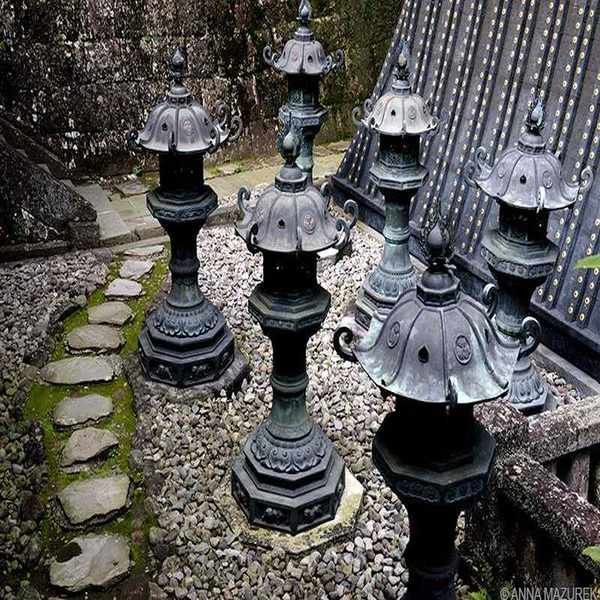
Nikko, a scenic town with beautiful shrines, is a great day or weekend escape from Tokyo.
Nikko
Nikko is perfect for a day trip from Tokyo, serving as the gateway to Nikko National Park, which boasts hiking trails, waterfalls, and stunning mountain views. It's famous for Toshogu, one of the most elaborately decorated shrines in Japan, and is a fantastic spot for fall foliage. Walk along the Kanmangafuchi Abyss trail, lined with stone statues of Jizo, the guardian of travelers and children.
Getting to Nikko: Use a Japan Rail Pass to take the Yambaito or Nasuno Shinkansen from Tokyo to Utsunomiya (50 minutes). Transfer to the JR Nikko line to reach JR Nikko station (45 minutes). Check train schedules in advance, as they can be limited.
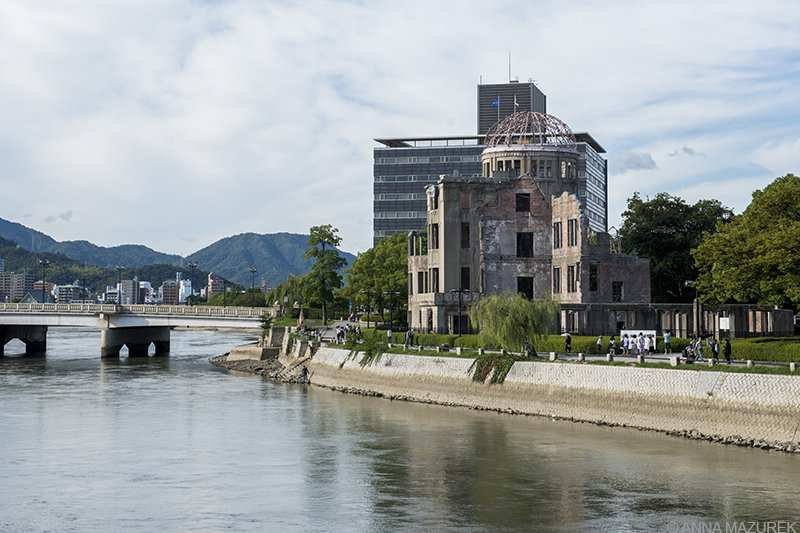
The Hiroshima Prefectural Industry Promotion Building is the only structure remaining in the city center post-atomic bomb.
Hiroshima
On August 6, 1945, Hiroshima faced devastation when the atomic bomb was dropped. The Hiroshima Prefectural Industry Promotion Building, known as the A-Bomb Dome, along the Motoyasu River, stands as a reminder of that day. Visit the Hiroshima Peace Memorial Park and Museum (Admission: 200 Yen/$1.76 USD) to learn about the city's history before and after the bombing, featuring artifacts and survivor stories. This museum is essential for understanding the impact of nuclear weapons.
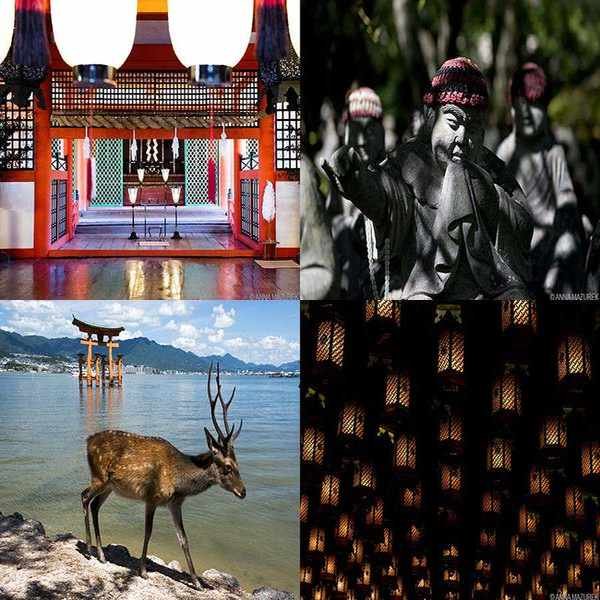
Miyajima is renowned for its “floating” torii gate surrounded by water during high tide.
Miyajima
Miyajima, a small island near Hiroshima, is famous for its large “floating” red torii gate. Wild deer roam the island, and highlights include the stunning Istukushima Shrine (Admission: $2.50 USD), a beautiful multi-building Shinto shrine.
Beyond the torii gate, I loved capturing pictures at Daisho-in Buddhist Temple, a vast complex with gardens and prayer halls, located at the base of Misen Mountain. One of my favorite images features the lantern-covered ceiling of Henjokutsu Cave, home to 88 Buddhist icons.
Getting to Miyajima: From Hiroshima station, take the JR Sanyo Line to Miyajimaguchi Station (covered by Japan Rail Pass) to reach the ferry port. Two ferry companies operate a 10-minute ride for 180 yen one way.
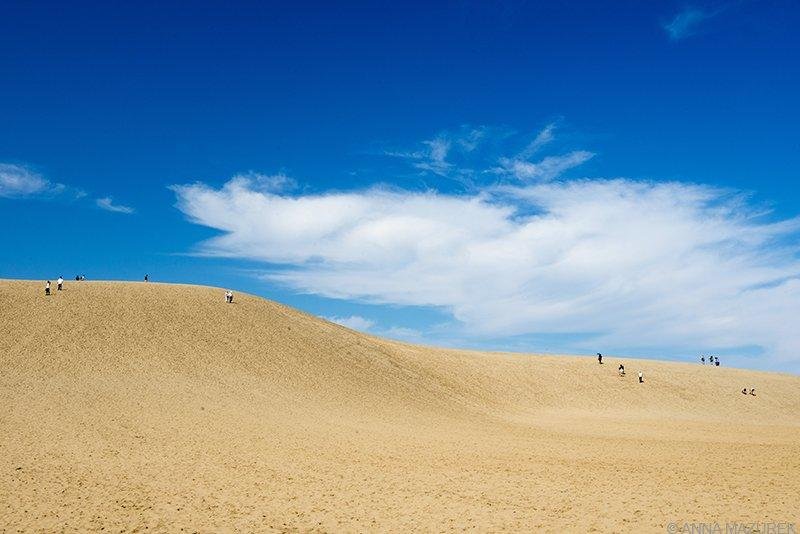
If you're seeking a break from temples, visit the Tottori sand dunes, located three hours from Kyoto by train.
Tottori Sand Dunes
The Tottori sand dunes stretch 16 kilometers along the Sea of Japan's coast, reaching heights of up to 50 meters—great for a leg workout! You can ride a lone camel for a short distance at $12 USD. The adjacent Sand Museum (Admission: 600 yen/$5.29) features amazing large-scale sand sculptures from artists worldwide, and it's worth a visit.
Getting to Tottori: From Tottori train station, take the local bus from stop #0 in front of the station, heading to Tottori Sakyu. Get off at the last stop—it's a 20-minute ride costing 370 yen ($3.26 USD).
Japan Transport & Logistics
Japan Rail Pass
The most effective way to travel around Japan is by purchasing a Japan Rail Pass, valid for seven to 21 days. It offers unlimited travel on ferries, buses, and most trains, excluding the Nozomi and Mizuho trains.
| Duration | Green (First Class) | Ordinary |
| 7 days | 38,889 Yen ($345 USD) | 29,110 Yen ($258 USD) |
| 14 days | 62,950 Yen ($559 USD) | 46,390 Yen ($412 USD) |
| 21 days | 81,870 Yen ($727 USD) | 59,350 Yen ($527 USD) |
Purchase your rail pass before entering Japan to receive an exchange order, which you will redeem for the pass upon arrival. Note that it's exclusively for tourists, not residents. (I bought my 21-day pass in Singapore before heading to Japan.)
Download the Hyperdia app for train timetables, offering up-to-date schedules and departure platforms. For more details about the rail pass, visit https://www.jrpass.com/.
Pocket WIFI Hotspot
Consider renting a pocket WIFI hotspot for your trip. It ensures you won’t get lost. Reserve it online, pick it up at the airport, and return it in a prepaid envelope when you leave. It’s more reliable than a SIM card, which typically only provides data access. For more on internet options in Japan, check this guide.
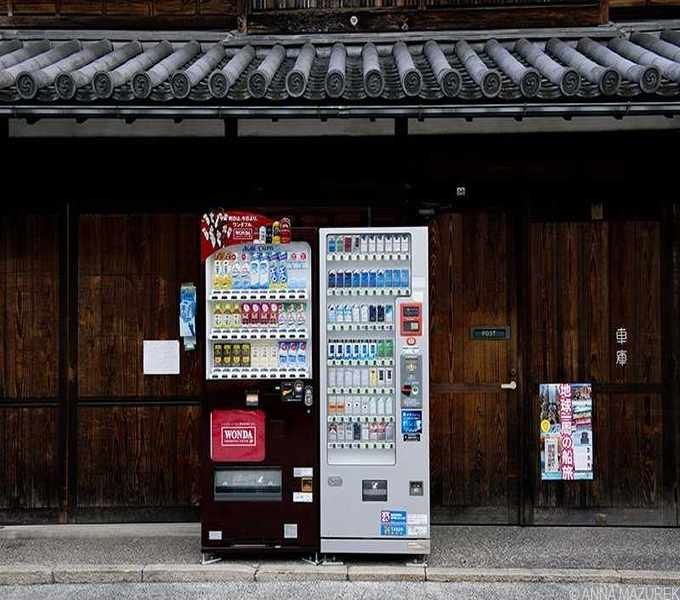
Vending machines are ubiquitous in Japan, and you might even find one selling beer!
Budget Tips for Traveling in Japan
Transportation (rail pass) and accommodation are the biggest expenses in Japan. Hostel prices range from $40 in urban areas to as low as $15 in places like Kagoshima. Eating on a budget is easy if you dine at local eateries, keeping meal costs between $3-10 USD. While destinations like Yakushima can be pricey, they are definitely worth it.
- Onigiri. These triangle-shaped rice snacks are a budget-friendly favorite, available at every train station and convenience store, making them a perfect meal or snack!
- Daiso. This dollar store is a treasure trove of essentials, from rain gear to snacks. I found my rain poncho and pants for Yakushima hikes there!
- Currency Converter. Download the XE currency converter app to monitor your spending and avoid overspending.
- Reusable Water Bottle. Tap water in Japan is safe to drink. An insulated stainless steel bottle can save you money and help the environment.
- Skip the Rail Pass. If the rail pass is too costly, buses are a cheaper alternative, but you may need assistance from travel agents. Hitchhiking is common in Japan, and slow ferries can also be economical options.
- All-You-Can-Drink Karaoke. Many karaoke venues offer all-you-can-drink deals—great for a night of fun in Tokyo!
- $3 Meals. For inexpensive drinks, try Torikizoku, a yakitori chain where everything costs under $3. Yoshinoya, known for its beef bowls, offers meals for $3-5 USD and are surprisingly good.
- Avoid ATM Fees. Japanese ATMs charge withdrawal fees. Consider opening a Charles Schwab Investor Checking account, which waives ATM fees and currency conversion rates. Note that not all ATMs operate 24/7.
- Selective Temple Visits. Many popular temples charge admission fees that can accumulate quickly. Research your must-visit locations beforehand to prioritize your itinerary and find hidden gems that are free to enter, providing great photo opportunities.
For more travel insights about Japan, check out the Travel Tuesday Interview with Tokyo Becky, who has been living in Tokyo for 12 years, and my post on photographing Fushimi Inari at sunrise.