
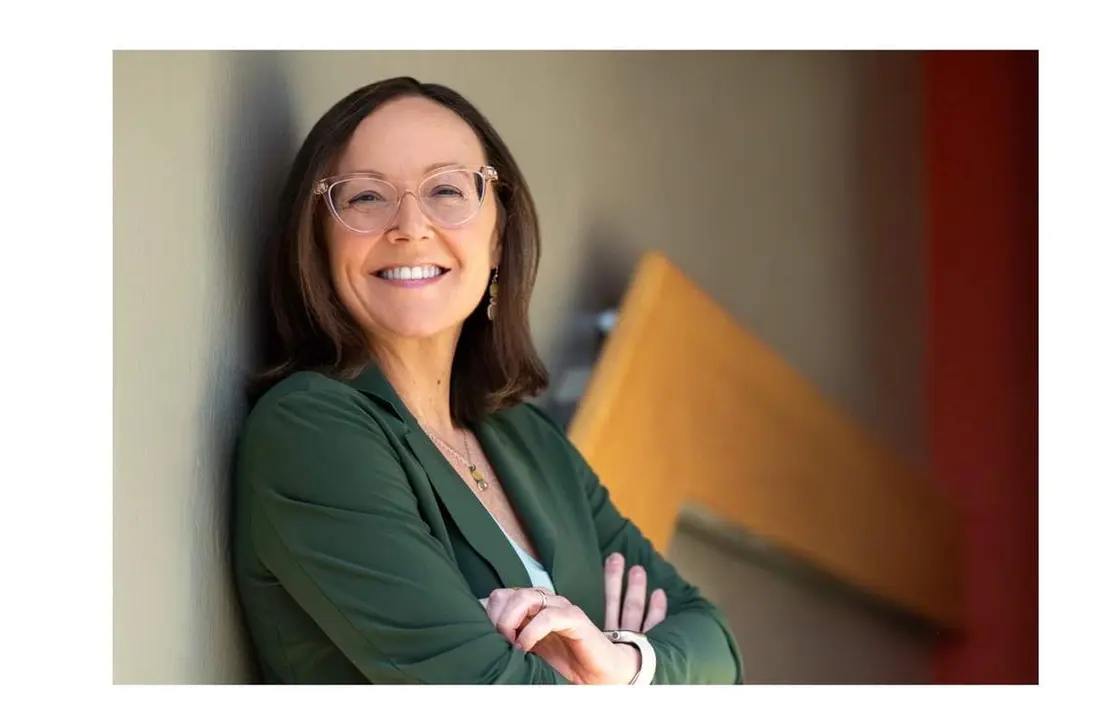
Paola Arlotta is addressing groundbreaking questions in neurobiology that have not been previously investigated.
Women in various fields require more female mentors and role models. This need is particularly pronounced in STEM (science, technology, engineering, and mathematics). Paola Arlotta, a neurobiologist and stem cell researcher at Harvard University, is one of those key figures.
Having more women in STEM creates a ripple effect, enhancing scientific and financial outcomes for women overall. Arlotta is leading the charge for female scientists, demonstrating that balancing a lab career with family life is achievable. Her impact is evident, as more women are now pursuing careers in STEM. Although gender parity in STEM remains a goal, the number of women entering these fields has risen by 31% over the last decade, compared to a 15% rise for men, according to the National Science Foundation.
“As I progressed from assistant professor to full professor, I recognized the differences in how women approach challenges,” Arlotta states. “I always intended to have children, yet I felt a constant pressure that I couldn't excel as both a scientist and a mother. It took time for me to understand that success in science can take many different forms.”
While Paola acknowledges that “95% of our lab work fails,” she has achieved significant breakthroughs, including the creation of human brain organoids from stem cells to investigate the effects of neurological disorders like Autism Spectrum Disorder and Schizophrenia.
“Each organoid comprises millions of brain cells, enabling us to discern who might benefit from a clinical trial,” Arlotta explains. “I predict we will eventually master this to the point where we can forecast how different individuals may react to new medications, even before we conduct trials. This advancement could clarify why many drug trials that succeed in mice fail when applied to humans.”
Paola Arlotta shares insights on her lab's research, how she balances family obligations with her leadership role, and her belief that we are experiencing a remarkable era where pivotal technologies and essential knowledge have converged.



