
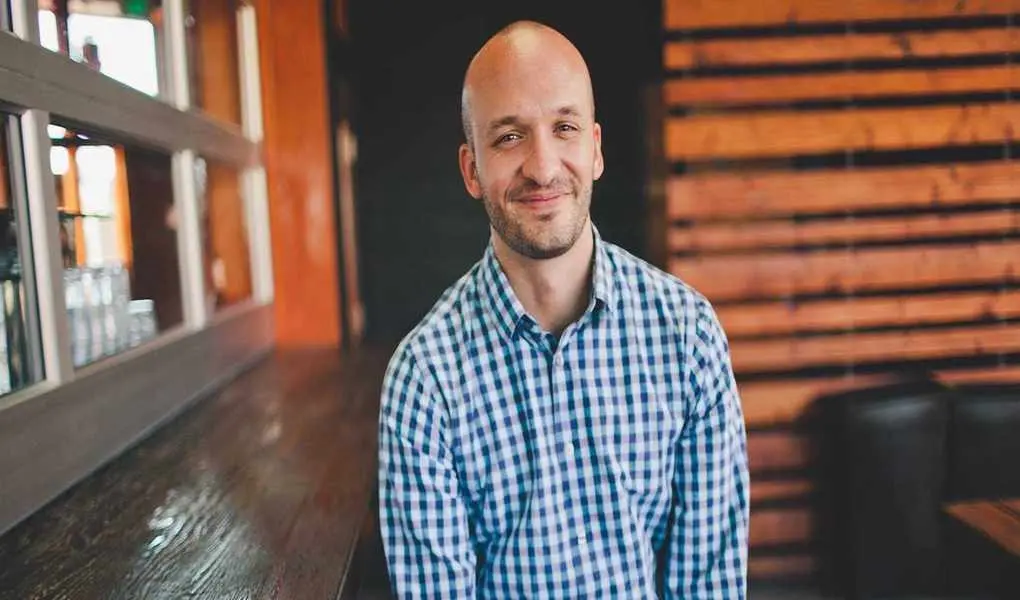
We're delving into the FIRE movement this week with guest Scott Rieckens.
Are you ready to embrace the principles of the FIRE movement? FIRE stands for Financial Independence, Retire Early, and it's a topic we find fascinating. Previously, we've discussed it with remarkable guests including Jamila Souffrant, Grant Sabatier, Jonathan Mendonsa, Brad Barrett, and Vicki Robin.
This episode features a conversation with Scott Rieckens, author of Playing With Fire and producer of the associated documentary. Scott shares his journey into the FIRE movement, highlighting how he began to prioritize his financial goals. As an Emmy-nominated producer, he noticed a gap in educational resources on FIRE and decided to explore it through filmmaking.
For Scott, early retirement was a goal, but the FIRE movement encompasses more than that — it emphasizes regaining control over finances to alleviate financial stress.
Scott explains that the essence of FIRE is straightforward; you don't need to be an investment guru to grasp its foundational lessons. "Whether it's the best strategy or not isn't the main issue," he states. "It offered me a clear starting framework." Influences like Mr. Money Mustache and Vicki Robin shaped his understanding, along with JL Collins' The Simple Path to Wealth.
Initially, Scott felt he was wasting his earnings. "We worked hard for our money, yet we weren't letting it work for us," he reflects. He recognized that daily habits, like frequent coffee runs and impulse purchases, weren't leading to true happiness.
When Scott and his wife joined the FIRE movement, they pushed their savings rate and sought discomfort, which led to significant realizations. "We discovered we could live on one income, invest, and maintain an emergency fund," he notes.
In Mailbag, Jean offers advice on credit card use, job selection for overqualified candidates, and health insurance options for those between jobs, including COBRA and short-term marketplace plans. In Thrive, she discusses declining credit score checks and their potential risks.
Transcript
Jean Chatzky: (00:07)
This episode is supported by Fidelity Investments, where we encourage you to take charge of your financial future. Visit fidelity.com/demandmore for more information. Welcome to the show! Today, we're exploring the FIRE movement, which stands for financial independence, retire early. You've heard from fascinating guests such as Brad Barrett and Grant Sabatier, and today we chat with Scott Rieckens, who captured his FIRE journey in a new documentary. Scott, it's great to have you here.
Scott Rieckens: (01:59)
Thanks for having me! I'm looking forward to the screening tonight.
Jean Chatzky: (02:04)
For those new to FIRE, what's its essence?
Scott Rieckens: (02:12)
FIRE is a financial framework that can drastically reduce your working years. It allows you to reclaim time for personal passions.
Jean Chatzky: (02:38)
It has specific calculations, right? If you save 25 times your expenses, you can choose how to spend your days.
Scott Rieckens: (02:51)
Exactly. The 25X rule stems from a study suggesting you can withdraw 4% from your investments indefinitely. It's debated whether it's 3% or 3.5% but that's a deeper discussion.
Scott Rieckens: (04:04)
The FIRE movement also fosters a supportive community, where people share insights and mentorship in their financial journeys.
Jean Chatzky: (04:10)
How large is this community?
Scott Rieckens: (04:57)
It's challenging to quantify, but major blogs see millions of views monthly, and active groups, like ChooseFi, have around 30,000 members.
Scott Rieckens: (04:57)
I estimate around 100,000 are actively engaged.
Jean Chatzky: (05:00)
What do you say to those who think they could never save half their income?
Scott Rieckens: (05:07)
Don't let doubts deter you from exploring these ideas. You might be more capable than you think. Challenge yourself and discover the benefits of a healthier relationship with money.
Jean Chatzky: (05:51)
What sparked your journey?
Scott Rieckens: (05:55)
I discovered the FIRE concept through a Tim Ferriss podcast featuring Mr. Money Mustache, which resonated deeply with me.
Jean Chatzky: (06:19)
What intrigued you?
Scott Rieckens: (06:19)
I was drawn to the freedom described in that episode, contrasting with my financial stress in a high-cost living area.
Jean Chatzky: (07:06)
What was your situation then?
Scott Rieckens: (07:08)
I worked as a creative director at a San Diego agency but felt unfulfilled due to my lengthy commute and time away from family.
Scott Rieckens: (08:12)
Hearing that interview sparked my exploration into FIRE, leading to the creation of my own content.
Scott Rieckens: (08:24)
The concepts of FIRE are simple but not always easy to implement.
Scott Rieckens: (09:20)
Mr. Money Mustache and Vicki Robin shaped my mindset about money and investments.
Scott Rieckens: (10:19)
We realized we needed to let our money work for us, not just earn it.
Scott Rieckens: (11:14)
It's about being intentional with spending and investing.
Scott Rieckens: (12:24)
Taylor and I progressed at different rates on our FIRE journey.
Scott Rieckens: (12:35)
Each individual's 'why' in this journey is personal and must be discovered.
Scott Rieckens: (13:28)
My motivation stemmed from feeling I wasn't managing life effectively.
Scott Rieckens: (14:07)
Taylor initially felt content but found herself reconsidering her happiness.
Scott Rieckens: (14:23)
She had to confront the reality of our financial situation.
Jean Chatzky: (15:55)
Vicki Robin's work encourages reflecting on the value of time versus money.
Scott Rieckens: (22:39)
We must view money as a tool to achieve our goals.
Scott Rieckens: (23:29)
During financial downturns, a high savings rate can cushion stress.
Scott Rieckens: (24:20)
Freelancers can adopt FIRE principles by maximizing savings and exploring income opportunities.
Scott Rieckens: (25:30)
The documentary will be available for digital release soon, featuring screenings across the country.
Jean Chatzky: (26:43)
Thank you, Scott, for your insights today.
Kathryn Tuggle: (26:59)
Hi.
Jean Chatzky: (27:05)
We've had several discussions about FIRE.
Kathryn Tuggle: (27:05)
We have.
Jean Chatzky: (27:05)
These conversations often spark reflections about consumption in our lives.
Kathryn Tuggle: (27:27)
Indeed. They challenge us to consider our spending habits.
Jean Chatzky: (27:38)
Right. Even minor inconveniences can cause us to rethink our habits.
Kathryn Tuggle: (28:27)
It's a constant dialogue about the impact of our choices.
Jean Chatzky: (28:51)
Absolutely. Living mindfully can lead to a more fulfilling life.
Kathryn Tuggle: (29:58)
Exactly. We should embrace meaningful experiences.
Jean Chatzky: (30:23)
Indeed, such moments are invaluable and fleeting.
Kathryn Tuggle: (30:27)
Absolutely. It's all about balance.
Jean Chatzky: (31:06)
Let's shift gears to our mailbag for some questions.
Kathryn Tuggle: (32:06)
Our first question is from Chris in Pittsburgh about accepting a job you're overqualified for.
Jean Chatzky: (32:21)
It depends on the job's potential for growth and your long-term career goals.
Kathryn Tuggle: (33:59)
Is it reasonable to inquire about advancement opportunities prior to accepting?
Jean Chatzky: (34:10)
Absolutely, but only after receiving the offer.
Kathryn Tuggle: (34:34)
Great point.
Jean Chatzky: (34:35)
Thank you, Chris!
Kathryn Tuggle: (34:37)
Next up is Meg from Richmond, asking about credit cards.
Jean Chatzky: (35:15)
I suggest keeping only cards that provide value through rewards or benefits.
Kathryn Tuggle: (38:03)
Katie is concerned about health insurance after a job transition.
Jean Chatzky: (38:13)
Look into short-term plans before your new coverage begins.
Kathryn Tuggle: (39:42)
Agreed, don't risk being uninsured.
Jean Chatzky: (39:43)
Thanks for your questions!
Jean Chatzky: (39:50)
In today's Thrive, how often do you check your credit report? Given the surge in data breaches, it's essential to stay informed. A recent survey indicates a decline in consumers checking their credit. From 2012 to 2019, the number of individuals prioritizing credit checks fell from 82% to 67%. This trend could lead to increased identity theft risks. Remember, everyone is entitled to a free report annually from each credit bureau at annualcreditreport.com. I recommend checking every four months and consider freezing your credit to enhance security. Thank you for joining us today. We appreciate Scott Rieckens for sharing his journey. If you enjoyed this episode, subscribe on your favorite platform and leave feedback. Our music is by Track Tribe, and we'll return next week with another engaging guest.



