
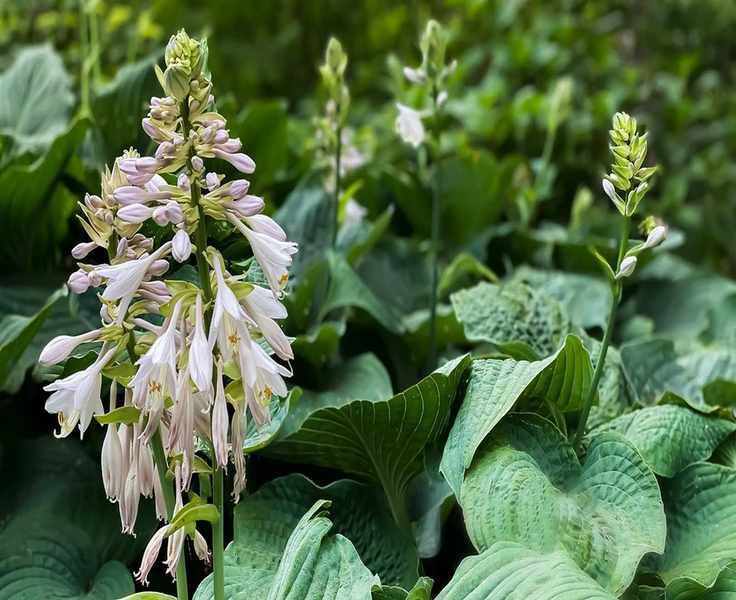
As summer fades and the tasks of fall gardening begin, trimming your hostas should be high on your priority list.
While there's ample advice on planting these shade-loving perennials, the timing and reasons for cutting them back often go unexplored. Pruning hostas in autumn is one of the best things you can do for their health.
Proper timing for this simple task is crucial—not just for aesthetics but for preventing pests and diseases that could hinder their winter dormancy. By following expert advice, you can help your beloved hostas weather the cold and thrive when spring arrives, showcasing vibrant, lush growth all year long.
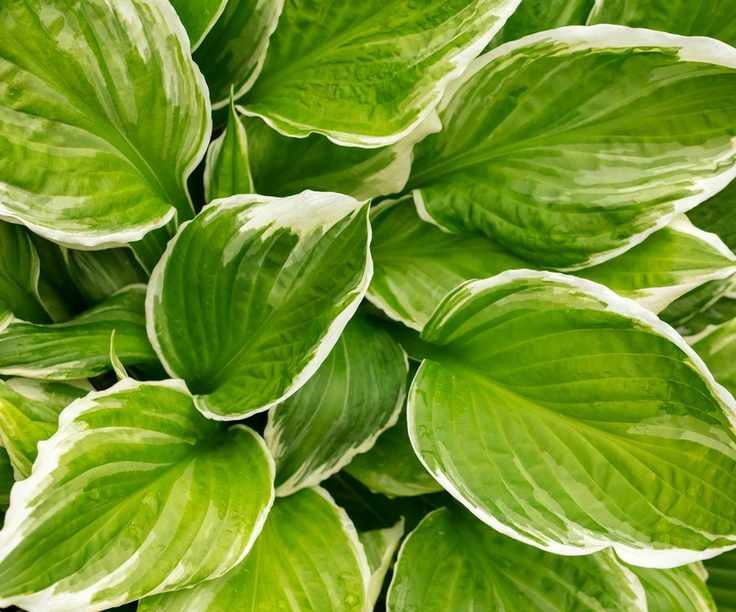
Is it necessary to prune hostas in the fall?
Yes, cutting back your hostas in autumn is essential. This allows the plant to redirect its energy toward new growth in the spring. Early fall is also an opportune time for dividing hostas.
Identifying the right moment for fall hosta pruning

Being perennials, hostas naturally lose their leaves during colder months if left unattended. The key to effective fall maintenance is waiting until after the first hard frost.
Once that frost has passed, the leaves will start to wilt and turn brown, indicating it's time for trimming. As a professional gardener shares:
'I always prune hostas in the fall. The foliage dies back after frost, becoming brown and mushy,' he notes. 'Not only does that look unappealing in beds and borders, but it can also conceal pests if left untouched.
'First, it can create a cozy spot for slugs and snails to survive the winter. They'll emerge in spring ready to munch on your plants.
'Second, the decay can foster bacteria and fungi, spreading diseases throughout your garden.'
By removing this decaying matter, you deter pests from taking refuge and wreaking havoc on your hostas next year.
If you notice a few healthy green leaves, let them be, as they help the plant store essential energy for the upcoming season. Trim away any leaves severely damaged by frost.

Steps for cutting back hostas in the fall
There's no reason to skip pruning hostas in fall; the process is straightforward.
'You can use clean, sharp pruning shears, or often, you can pull them by hand, clearing the crown with just a little tug,' the expert advises.
Use a sharp pair of pruners to trim each leaf stalk down to one to two inches above the plant's crown.
It's usually easiest to gather the wilted foliage into one hand and cut the stems simultaneously with the other.
After cutting, promptly dispose of all dying leaves from the garden bed. This crucial step prevents slugs and diseases from overwintering and attacking your fresh hosta growth come spring.
If you're interested in propagating new hostas, our dedicated guide on growing them from seed has all the necessary details.
Japanese Pruning Shears
These shears are crafted from Japanese stainless steel, ideal for trimming branches up to one inch thick—perfect for hosta pruning.
Slarmor Gardening Gloves
With a breathable cotton back and durable leather palm, these gloves are perfect for tougher tasks. The thumb and forefinger are touchscreen-friendly, allowing you to follow DIY instructions on your phone.
Okatsune Pruning Snips
These eye-catching pruning shears made in Japan cut through hostas effortlessly in fall.



