
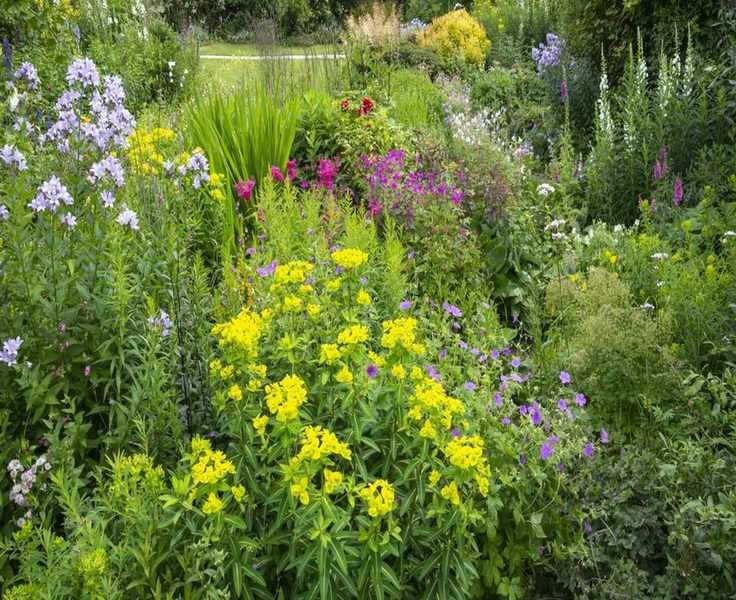
February is an ideal time to plant an array of trees, shrubs, perennials, and bulbs, setting the stage for a vibrant garden. Bare-root plants, in particular, can help you create stunning flower beds with added color and texture this summer.
Weather conditions play a crucial role in February planting. Avoid planting in frozen, snow-covered, or waterlogged soil. Wait for the right moment if you're facing such conditions.
While it may be too chilly to sow seeds outdoors, you can still grow vegetables and flowers indoors on a warm windowsill. Here are some great options for what to plant in February.
What can I plant in February?
With years of experience as a professional gardener in the UK, here are my top 11 plant choices for February. This selection offers stunning blooms, unique bark, structure, extended seasons of interest, and delicious fruits for harvesting.
Alliums
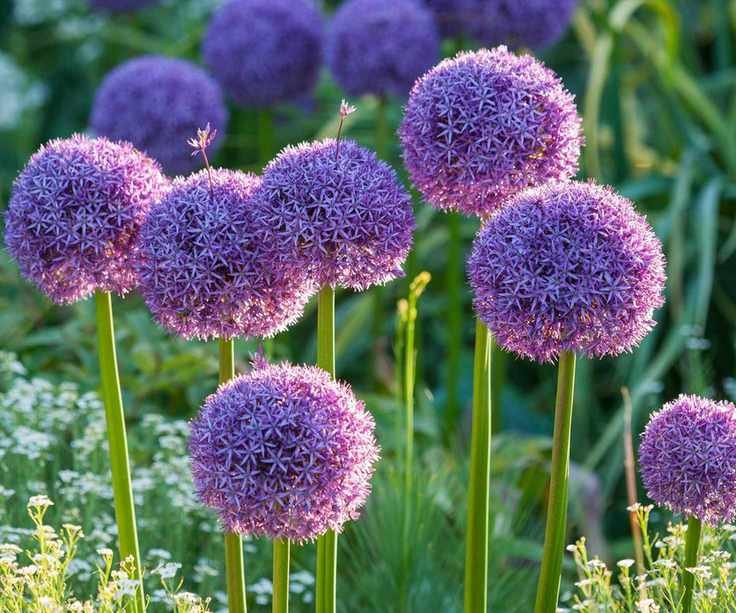
Alliums are striking bulbs that provide impressive globes of flowers. Varieties range from 12 inches to four feet tall and bloom in purple, pink, and white. Although fall is the best time to plant them, February works too—just be timely!
Position allium bulbs in sunny, well-draining soil. To improve drainage in heavier soils, add a two-inch layer of grit in the planting hole. Plant bulbs at a depth twice their height, pointed end up. Water thoroughly after planting and mulch with two inches of compost or leaf mold.
Popular allium options include:
- 20 Purple Sensation allium bulbs for vibrant purple flowers on 20-inch stems.
- 25 drumstick allium bulbs for large, striking purple blooms.
- Allium 'Summer Beauty' grows to 20-25 inches and features lavender-pink flowers from early to late summer.
Bleeding Heart
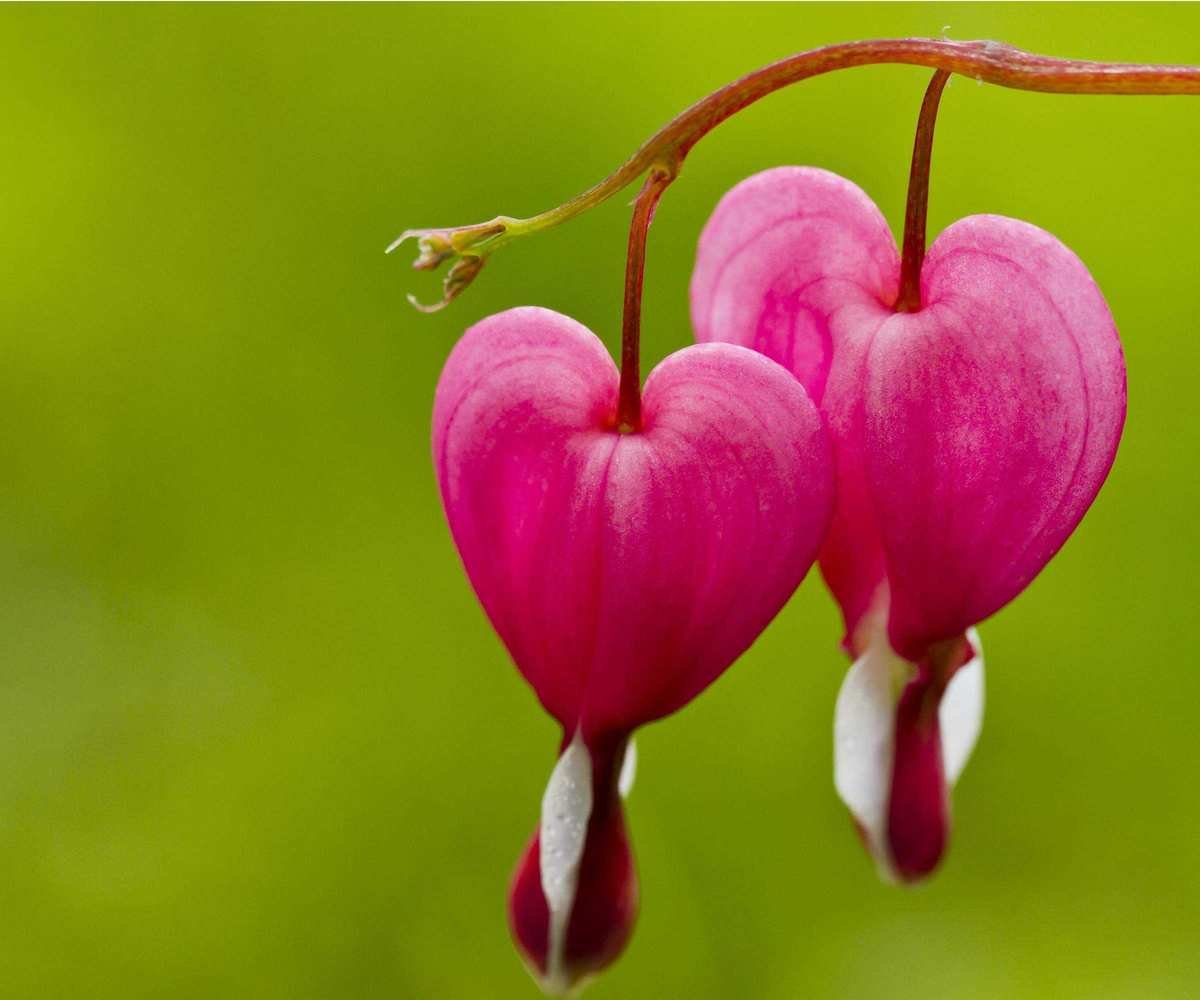
Bleeding heart features unique heart-shaped flowers in red, pink, or white, gracefully hanging from arching stems. This part-shade perennial thrives under trees or shrubs, avoiding full sun.
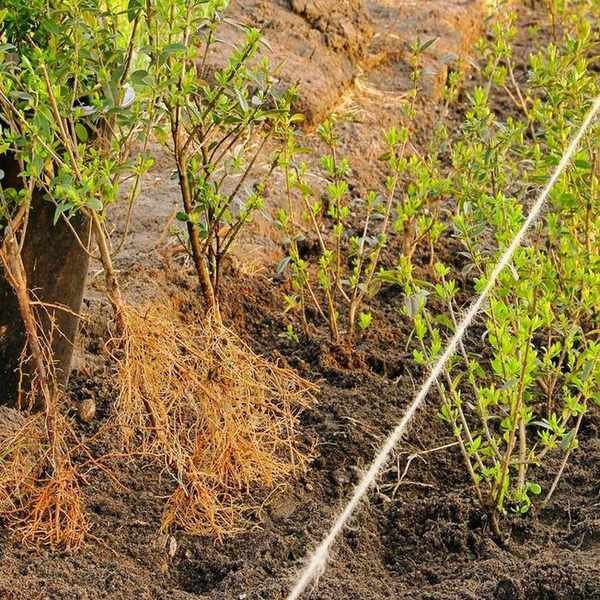
To grow bleeding heart this month, choose bare-root plants, delivered without soil. Soak the roots for a few hours before planting, ensuring the crown sits at the same soil level as before.
Cornus

Cornus, or dogwood, are beautiful shrubs or trees known for their vibrant stems. They feature attractive winter bark in shades of red, orange, and yellow, along with berries and foliage in autumn. Perfect for beginners, they are easy to care for.
Plant bare-root Cornus in February using well-draining soil enriched with compost. They thrive in full sun but can tolerate some afternoon shade in hotter areas. Stake the plant until it is established.
Dahlias
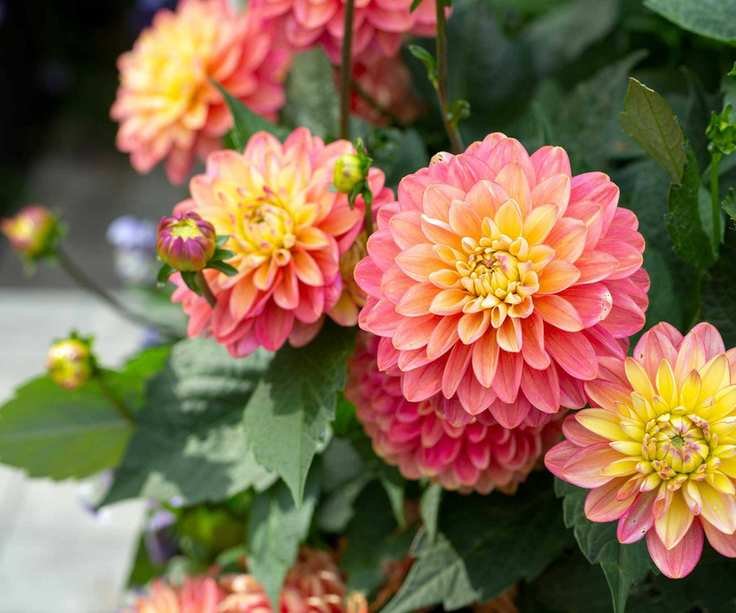
Now isn't the time to plant dahlias outdoors, but you can start dahlia tubers indoors. Check for rot on overwintered tubers before planting them in large pots filled with compost. Place the pots in a warm area, like a greenhouse or bright windowsill, to encourage early growth.
This method allows you to take cuttings as new sprouts appear, enabling you to grow more plants for free by spring. It's a fantastic way to multiply your dahlias!
Fruit Trees
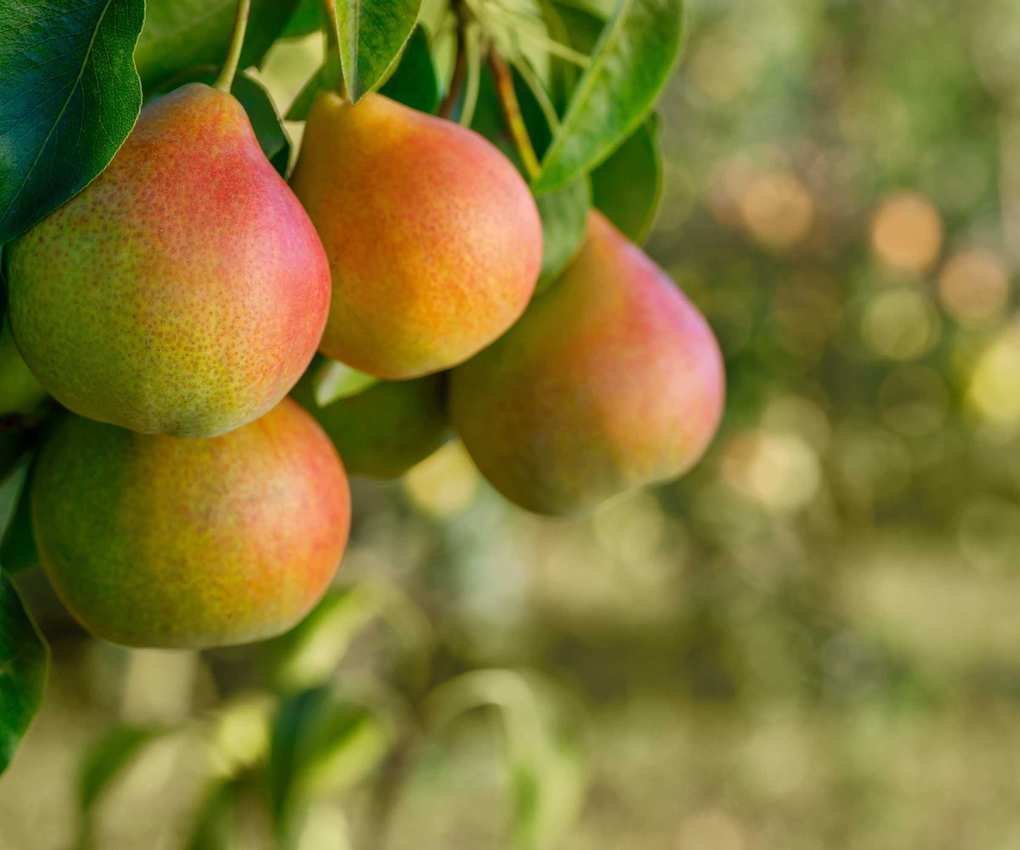
Fruit trees are typically available as bare-root specimens for winter planting. The optimal time to plant them is between November and February, assuming the ground is suitable. While container-grown trees can be planted too, they're pricier and more labor-intensive.
To plant bare-root fruit trees, soak the roots for a few hours, then dig a hole large enough for the roots and mix in compost. Position the tree at the original soil level, keeping the graft point above ground. Stake the tree and water if the soil is dry.
Hardy Geraniums
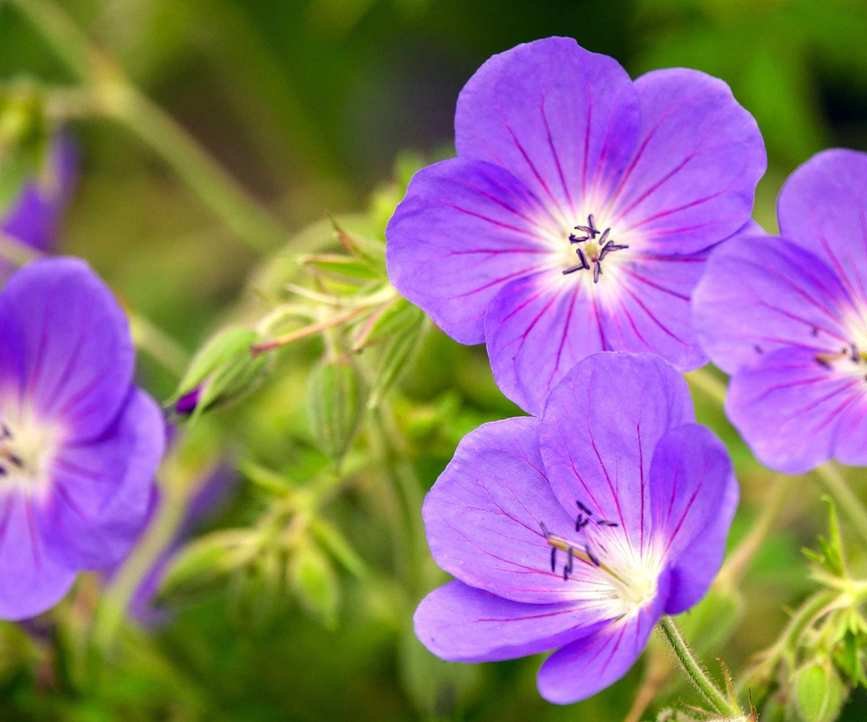
Hardy geraniums, or cranesbill, are versatile perennials that provide lasting color with minimal upkeep. They come in various heights and colors. Plant bare-root geraniums in February for vibrant flower beds and borders. They flourish in full sun or light shade and adapt to various soil types.
Hedges

February is perfect for planting hedges, allowing them to establish before summer. Popular options include beech, box, forsythia, hawthorn, hazel, hornbeam, and privet.
Prepare the soil before planting hedging plants, and soak them for a few hours. They can be planted individually or in trenches, ensuring roots are spread out and soil is firmed around them. Keep the soil moist until the hedge is established.
Lilies
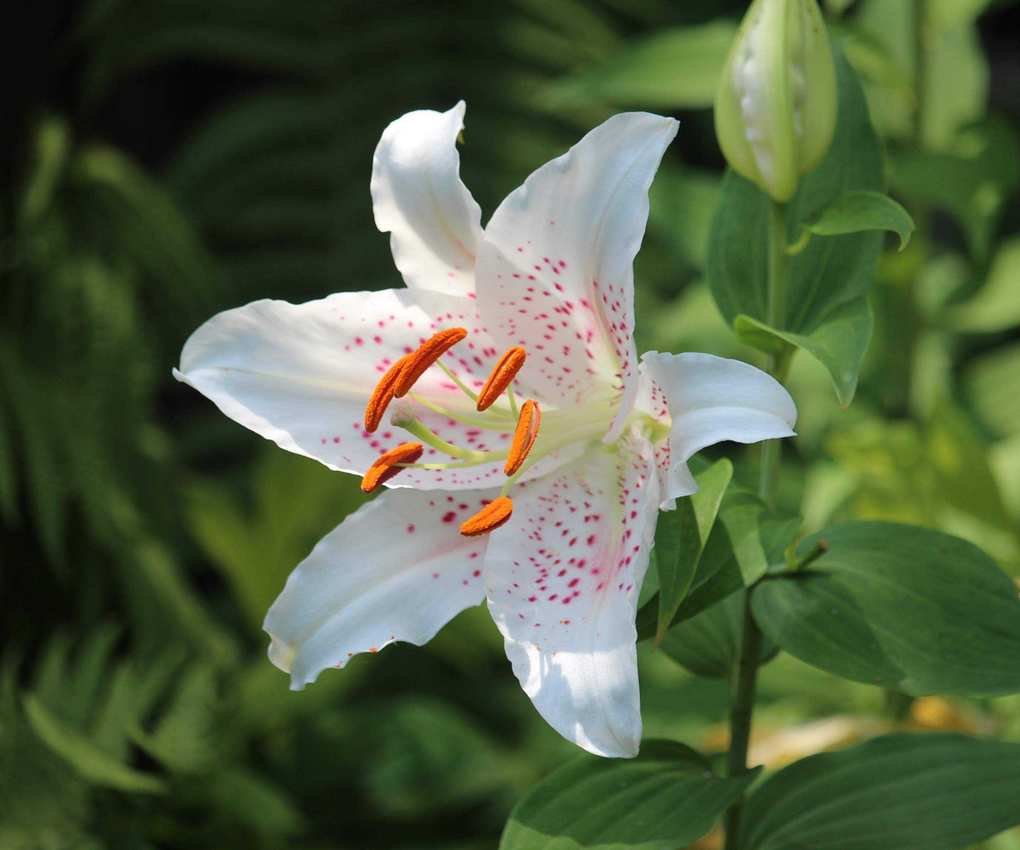
If you haven't planted lily bulbs yet, now is your last chance for a summer display. These bulbs should be planted between fall and early spring.
For planting, dig a hole at least eight inches deep. If your soil is heavy, consider adding gravel for drainage. Place the bulb with the pointed end up, cover it with soil, and gently firm it down. Alternatively, you can grow them in deep pots to manage heavy soil.
Raspberries
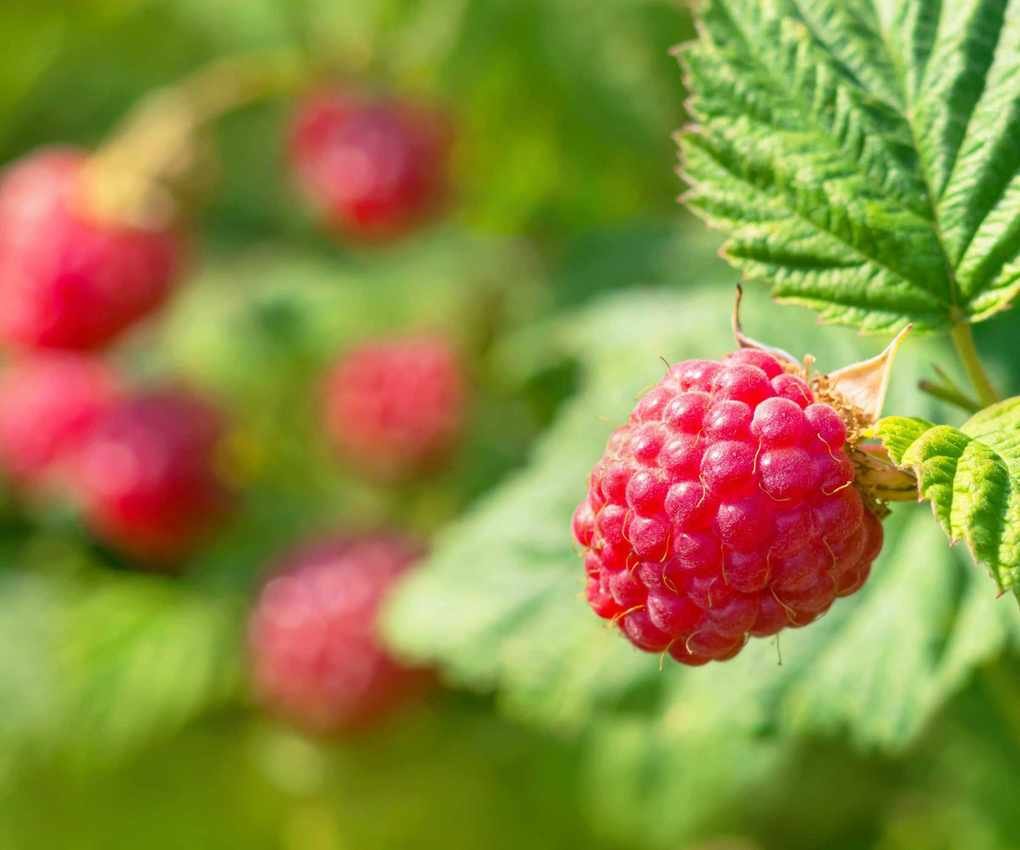
Raspberry canes can be planted between November and April, as long as the soil is workable. Choose a sunny spot with fertile, well-drained soil to maximize yield.
Space summer-fruiting canes 16 inches apart and fall-fruiting canes 24 inches apart, with rows at least six feet apart. Ensure the highest roots are no more than two inches deep. Water thoroughly after planting and mulch with organic matter.
Roses

February is a great time to plant bare-root roses, allowing them to establish before summer blooms. They're a more affordable choice than container-grown roses, which are available during winter.
Ensure the soil is workable and rehydrate the roots before planting. Choose a sunny spot and enrich the soil with organic matter. Dig a hole large enough, position the rose with its base an inch or two below the surface, and water well.
Witch Hazel
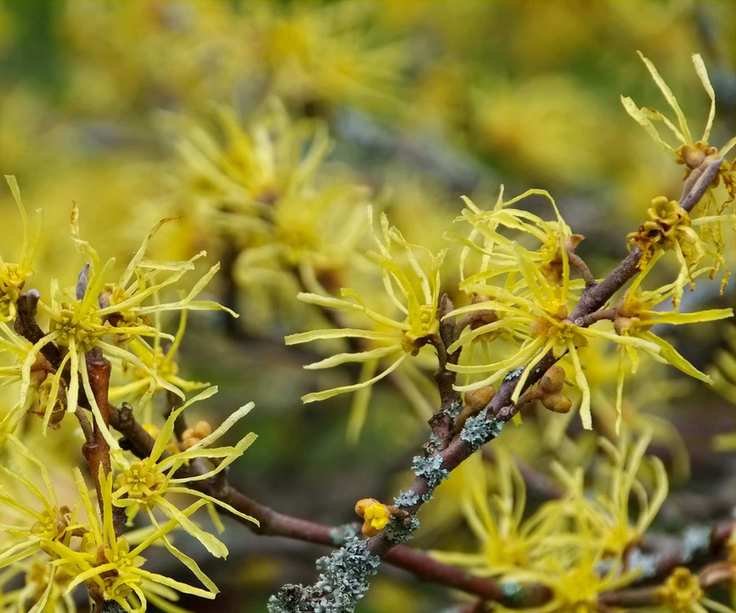
Witch hazel is a stunning winter-flowering shrub featuring twisted blooms in vibrant red, yellow, and orange. Planting any witch hazel variety adds color and fragrance to your garden in late winter and early spring.
These shrubs are often available bare-root from October to March, while container-grown options can be planted year-round. They thrive in well-draining, slightly acidic soil, ideally in full sun or partial shade.
For best results, plant witch hazel in a wide area filled with organic matter.
In addition to planting, February is a great time to tackle various gardening tasks. Prepare your beds, sow seeds, and plan for spring. Also, don't forget to prune popular shrubs like wisteria, clematis, roses, butterfly bush, hydrangea, and crepe myrtle this month.



