

Growing fruit trees at home can be incredibly rewarding, and they thrive with annual fertilization. Regularly feeding your trees not only boosts their health but also ensures a bountiful harvest of delicious fruits.
Understanding the optimal timing and the right nutrients for fertilizing is key to keeping your fruit trees happy and productive. Here's what you need to know about feeding both young and established trees, whether they're planted directly in the ground or in containers.
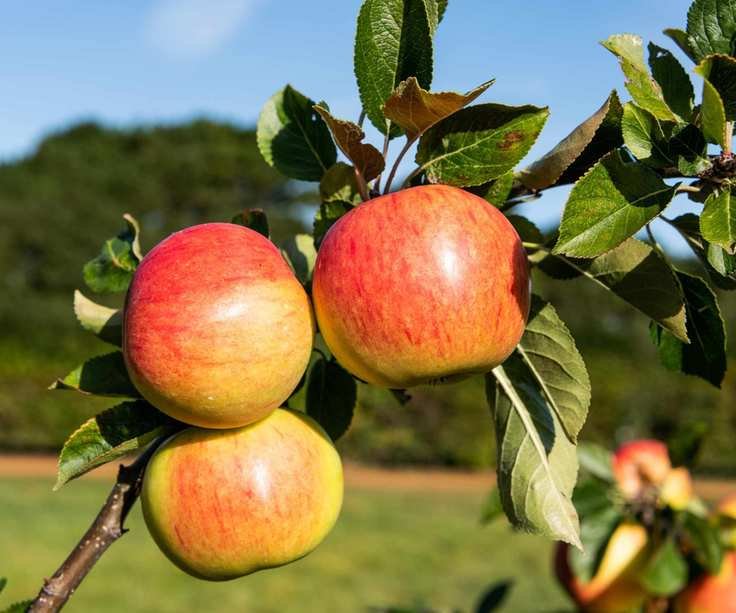
Proper fertilization leads to abundant fruit production each year
Importance of Fertilizing Fruit Trees
Fruit trees require specific nutrients for optimal growth, and soil can become depleted over time. Regular fertilization replenishes these nutrients, ensuring they remain accessible.
Feeding trees throughout their lifespan, from planting to the production phase, is crucial. Consistent fertilization promotes flowering and fruiting while enhancing the tree's resilience against pests and diseases.
Fertilization for Established Fruit Trees
Established trees thrive when fertilized in late winter or early spring, just as they begin their new growth cycle. They need a variety of nutrients during this period.
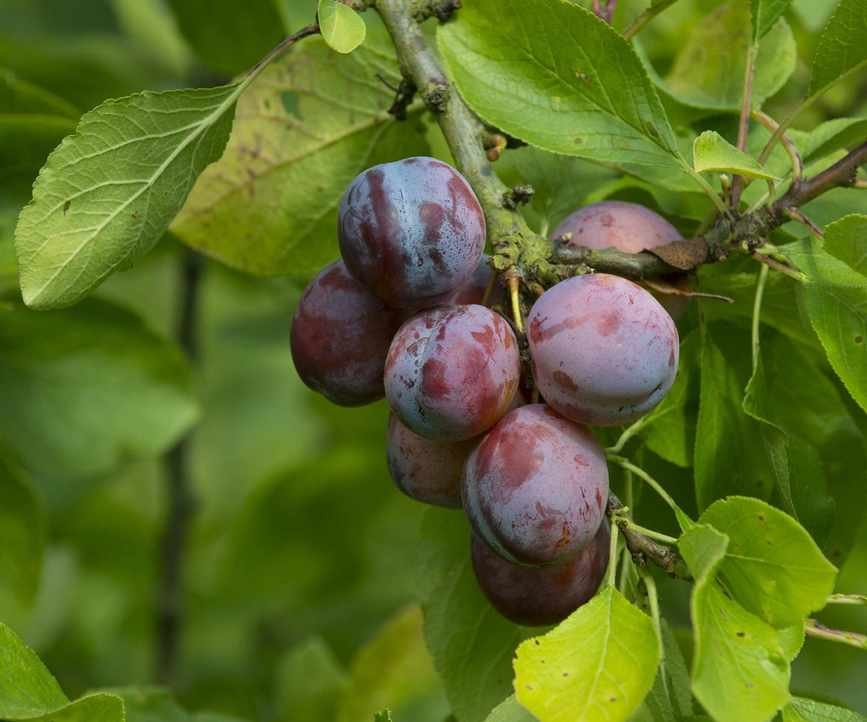
Regular fertilization benefits all fruit tree varieties
According to a horticultural consultant, established trees require both macronutrients and micronutrients for robust growth. Macronutrients include nitrogen, phosphorus, potassium, and calcium, while micronutrients consist of boron, iron, and zinc.
For established trees, a balanced NPK ratio in fertilizers is essential. Understanding these ratios—like 10-10-10 or 20-20-20—helps select the right product.
Starting with a general-purpose organic fertilizer is often effective. This type typically offers balanced ratios of key nutrients along with additional essential elements.
One expert suggests adjusting nitrogen levels based on the tree's growth rate, recommending a rate of 1/10th pound of nitrogen per inch of trunk diameter for apples and pears. Always adhere to manufacturer guidelines to avoid over-fertilization, which can lead to complications.
Fertilization for Young Fruit Trees

Fertilizing is crucial when planting young fruit trees
Spring is the ideal time to fertilize young fruit trees, which are generally those under three years old. Proper feeding during this phase sets the foundation for strong growth.
Younger trees may benefit from a fertilizer with higher nitrogen content, such as a 12-6-6 ratio, which promotes the growth of leaves, branches, and roots.
Additionally, mulching around young trees is beneficial. Mulch helps retain moisture, suppress weeds, and gradually adds nutrients as it breaks down. Options like compost, well-rotted manure, or leaf mold work well.
Fertilizing Fruit Trees in Pots

Container-grown fruit trees require regular fertilization
Potted fruit trees can deplete nutrients quickly, so they need more frequent fertilization than trees in the ground. However, caution is necessary to avoid over-fertilizing.
Experts recommend a balanced, slow-release organic fertilizer with an NPK ratio of 10-10-10. Providing smaller, more frequent doses, along with occasional liquid feeds, can help maintain health.
Apply a slow-release fertilizer in spring and follow up with a liquid feed high in potassium during the fruiting phase. Products designed for tomatoes often work well for this purpose.
Choosing the Right Fertilizers for Fruit Trees

Fertilizers for fruit trees come in both granular and liquid forms
To ensure healthy growth and fruit production, fruit trees require a steady supply of nutrients. In early spring, opt for fertilizers specifically formulated for fruit trees. Some trees, like citrus, require specialized feeds to meet their nutrient needs.
Potassium is crucial for bud and fruit development, with pears and stone fruits needing additional nitrogen. A balanced fertilizer typically suffices, but if a tree shows poor fruiting, a potassium-rich fertilizer may be beneficial.
Granular fertilizers should be spread around the base of the tree, covering the rooting area, while liquid options can be used for quick nutrient uptake, especially for potted trees.
Best Mulches for Fruit Trees

Mulching supports fruit tree health
Mulching is advantageous for fruit trees, as it conserves moisture, reduces weed competition, and adds nutrients to the soil.
Common mulching materials include compost, leaf mold, or well-rotted manure. Experts also recommend wood chip mulch or pine straw for their effectiveness. Avoid heavy materials like rocks that can hinder root growth.
When mulching, maintain a depth of around three inches, ensuring the mulch is pulled back from the trunk to protect the roots.
FAQs
Is tomato feed suitable for fruit trees?
Tomato fertilizer, rich in potassium, can enhance fruit development. It's particularly useful for potted trees and should be used alongside a balanced slow-release fertilizer.
Can bone meal be used on fruit trees?
Bone meal, high in phosphorus and nitrogen, releases nutrients gradually and is beneficial for root development when planting fruit trees.
Knowing the right timing for planting fruit trees and the appropriate feed ensures a strong start. Bare-root trees should be planted during dormancy, between November and February, while container trees can be planted year-round, with spring or fall offering distinct advantages.



