
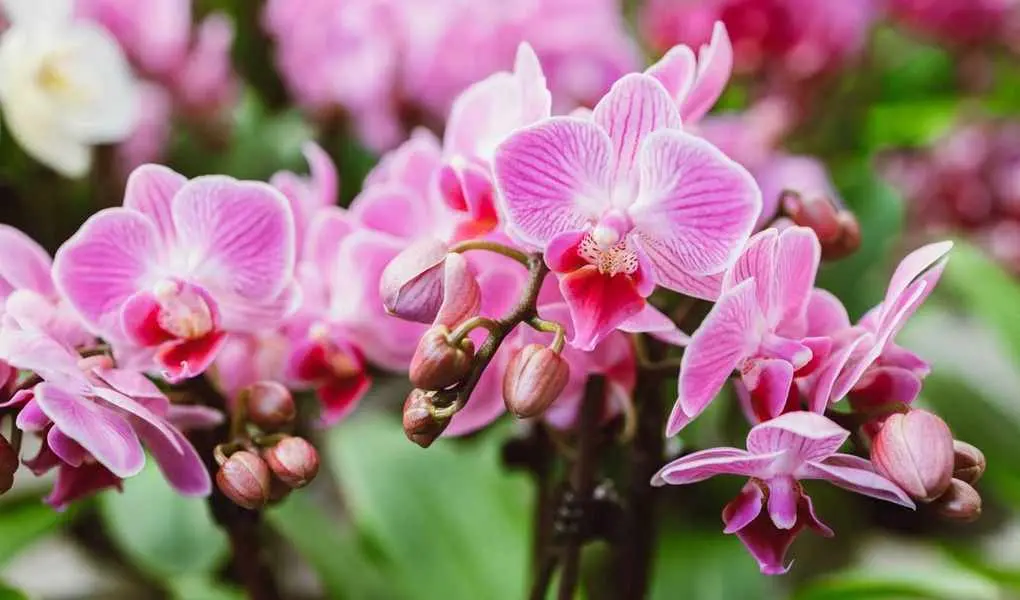
Orchids are beloved houseplants that need special attention when it comes to their care. While these stunning plants enhance any indoor space, they require specific maintenance to thrive.
Feeding orchids can be quite delicate since these plants are sensitive to excess fertilizer. Knowing when and how much to fertilize is essential for their health.
In terms of caring for orchids, watering and fertilizing are two critical aspects that can be perplexing. However, when done correctly, these plants will reward you with vibrant blooms year after year.

Proper watering and feeding can be intimidating for beginners
Feeding Orchids
Experts share their insights on how and when to fertilize orchids, along with the best feeds for these tropical plants. You might even consider creating your own fertilizer. Alongside proper watering techniques, adhering to these guidelines can help your orchids bloom for extended periods.
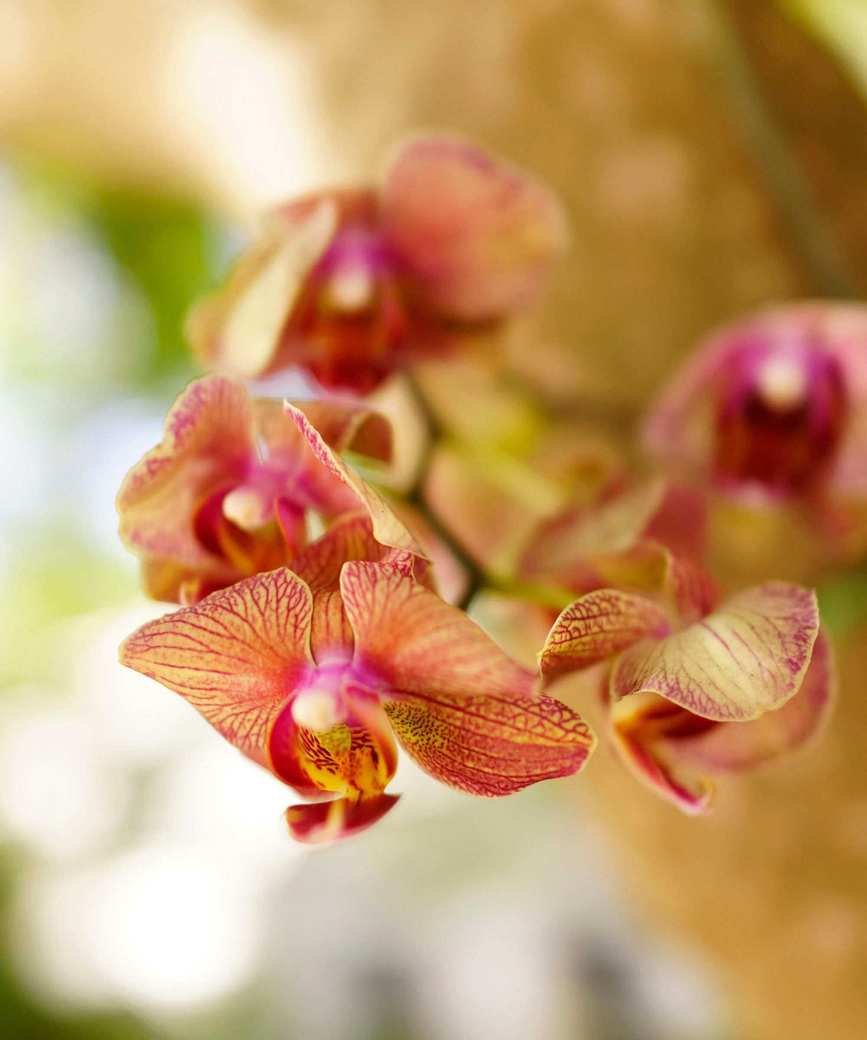
Orchids come in a wide array of varieties
Fertilization Frequency
Orchids require regular feeding to stay healthy, but over-fertilizing can lead to root damage. It's better for them to receive too little fertilizer than too much, as the American Orchid Society suggests.
Understanding the right times and amounts to feed orchids throughout their growth cycle is vital. They need fertilization during active growth in spring and summer.
According to gardening expert Stephen Webb, feeding is crucial during these months for leaf and root development. He recommends fertilizing every 2-4 weeks in this period, but advises reducing or stopping fertilization in fall and winter when the plants rest.
Some growers prefer a 'weakly, weekly' feeding approach, applying a quarter-strength solution weekly instead of a full dose monthly.
To prevent salt buildup from fertilizers, it's beneficial to flush orchids with plain water monthly, ensuring their roots remain healthy.

With over 20 years in gardening, Stephen Webb is dedicated to sharing knowledge through various books and articles.
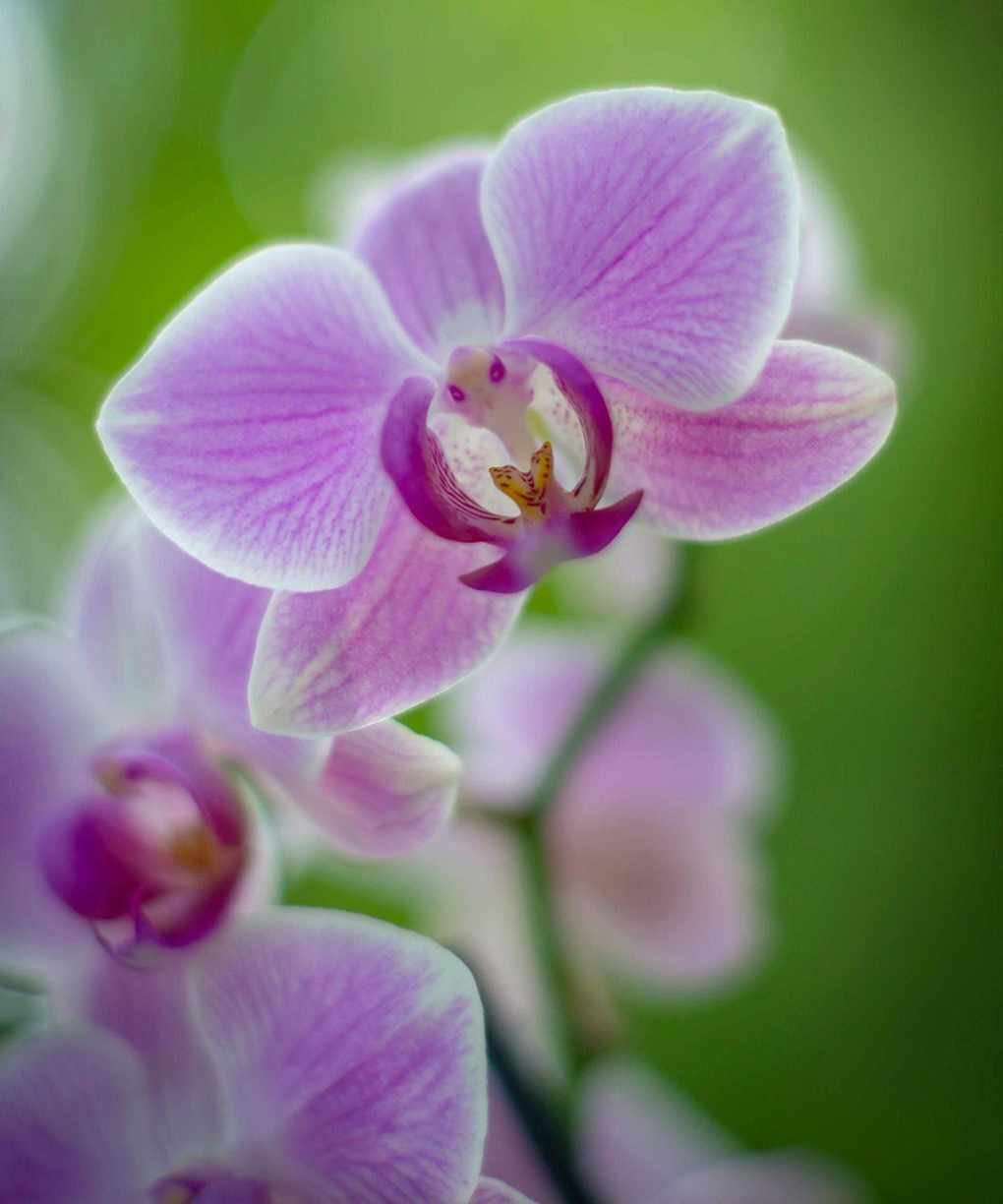
Orchid blooms showcase a variety of vibrant colors
Choosing the Right Fertilizer
After establishing a feeding routine, knowing which fertilizer to use is crucial. Many garden centers and online retailers offer specialized orchid fertilizers, including liquid orchid fertilizers available on Amazon. These water-soluble feeds are designed specifically for these delicate plants.
The best fertilizer type can vary based on the growing medium. The NPK ratio on fertilizer labels indicates the nutrient makeup, with balanced feeds often showing ratios like 20-20-20 or 10-10-10.
As explained by plant expert Vladan Nikolic, orchids in bark need fertilizers with higher nitrogen, such as 30-10-10 or 15-5-5, while those not in bark thrive on even ratios like 20-20-20.
During the blooming phase, consider using a bloom booster fertilizer with a higher phosphorus ratio, like 10-30-20, to promote flowering.
Always adhere to the recommended rates on fertilizers, as excessive feeding can damage roots and lead to wilting.

With over a decade of experience, Vladan Nikolic is a houseplant expert and founder of a popular houseplant care blog.
Espoma Organic Orchid Fertilizer
A water-soluble liquid fertilizer designed for orchids, to be used every 2-4 weeks, promoting vibrant growth and new blooms.
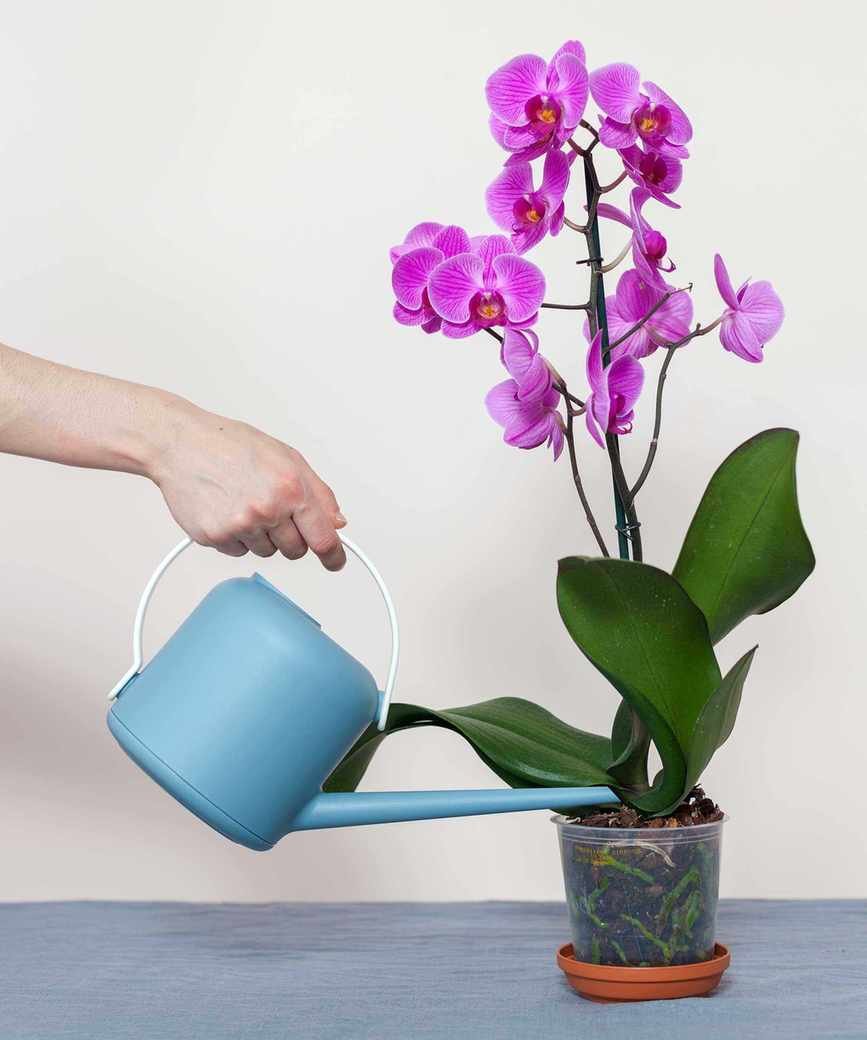
Many orchid fertilizers are water-soluble
Avoiding Fertilization Mistakes
Do not fertilize orchids when they are dry. Timing your watering just before feeding is essential. Vladan Nikolic warns that applying fertilizer to dry orchids can result in root burn and stress. Always ensure the growing medium is moist first.
Many growers refrain from fertilizing during the winter dormancy period, as the risk of overfeeding increases. If feeding is necessary in winter, it should be at a reduced rate.
Common Questions
Can I use regular fertilizer on orchids?
While specialized orchid feeds are preferable, caution is advised when using general-purpose fertilizers. Experienced gardener Anne Swithinbank suggests using a 'quarter-strength general-purpose feed during every other watering' instead of orchid-specific fertilizers. If using general fertilizers, choose a balanced liquid feed with an NPK ratio of 10-10-10 or 20-20-20.
Is Miracle Gro suitable for orchids?
Miracle Gro offers specific products for orchids, including orchid plant food mist available on Amazon and other retailers.
In addition to proper watering and feeding, pruning and repotting are essential for maintaining healthy orchids. As these plants can become pot-bound over time, repotting into a slightly larger container is necessary when signs of restriction appear.



