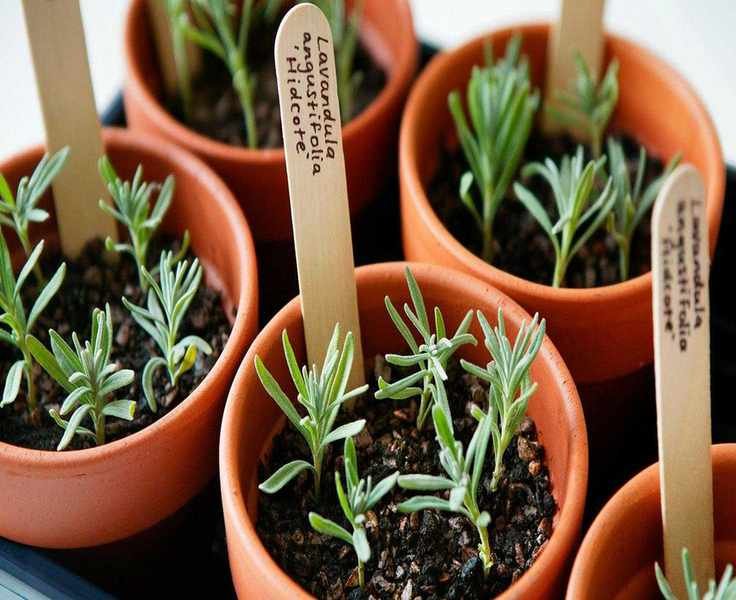
Propagating herbs is a budget-friendly way to expand your collection, giving you free plants. Watching small herbs flourish and sprout vibrant leaves for your favorite dishes, drinks, or cocktails is incredibly satisfying.
While purchasing herb plants is an option for those pressed for time, learning to propagate your own offers greater rewards. According to horticulture expert Lucy Chamberlain, 'Home propagation is fulfilling. It saves you money and allows you to share plants with fellow enthusiasts.'
'Herbs like lavender and rosemary are easily propagated from cuttings, which serves as a safeguard against winter and helps maintain your stock since many need replacing over time,' shares a gardening expert. Additionally, mint is also simple to propagate. Several effective methods can help you increase your herb garden this season.
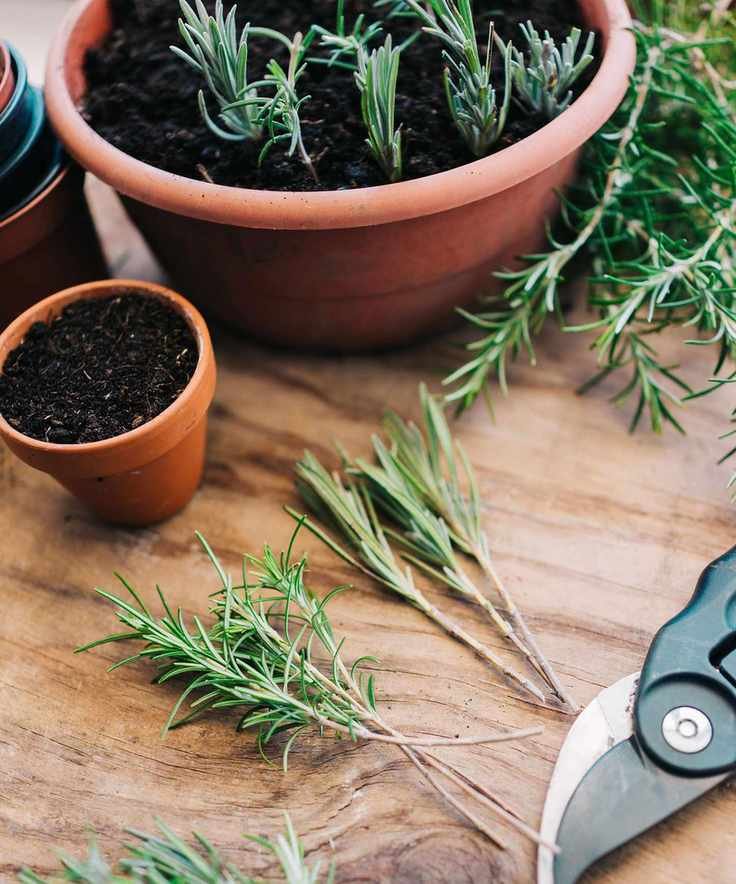
Rosemary and lavender are great herbs for propagation
Herb Propagation Techniques
Lucy emphasizes that the key to successful herb propagation is using healthy plants. Ensure your herbs are disease and pest-free to avoid transferring issues to new growth.
You can use various methods to propagate herbs, whether indoors or outdoors:
- Division: 'Clump-forming perennial herbs like mint, chives, oregano, and lemon balm benefit from division every few years to prevent overcrowding and ensure vigor,' Lucy advises. 'Use an old bread knife to separate clumps, discarding any old, woody parts, and pot up healthy sections.'
- Stem Cuttings: 'This technique works well for woody herbs like lavender, thyme, rosemary, and sage,' she explains. 'Soft spring cuttings root more quickly than those taken later in the season.'
- Root Cuttings: 'Creeping herbs can be propagated from root cuttings. This method is excellent for rejuvenating mint,' Lucy notes. 'Carefully lift healthy roots, lay them on gritty compost, cover with a 1-inch layer, water, and place in a cold frame until spring.'
- Layers: 'Herbs such as thyme and sage naturally root where their stems touch the soil. Gently remove some soil, separate the layer from the main plant with secateurs, pot up, and water.'
If you're starting with propagation, using the division method is straightforward, while stem cuttings require more finesse. 'They can rot if conditions are too wet or cold,' she warns.
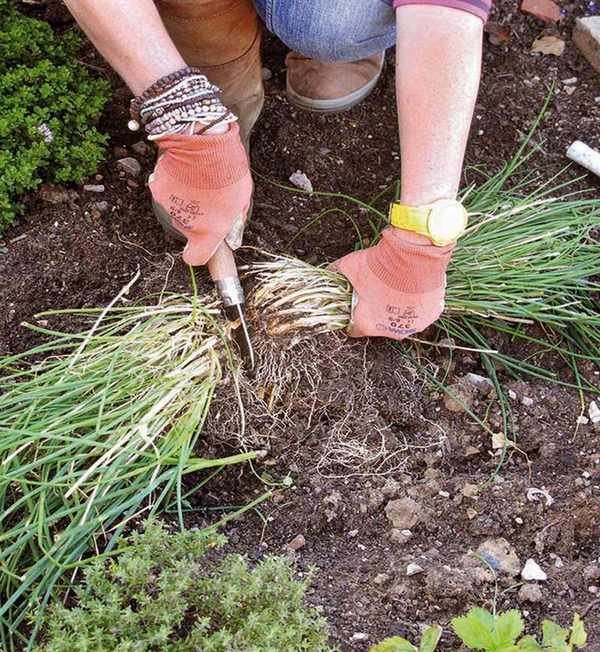
Chives thrive with periodic division and replanting
Taking Herb Cuttings
Once you're comfortable, taking cuttings is a fantastic way to propagate various herbs like lavender, mint, oregano, French tarragon, rosemary, and thyme.
'I often use this method to propagate my herbs,' Lucy says. 'Follow these tips, and you'll soon be a pro at it!'
- 'Take cuttings when your herbs show new growth in spring. Use a sharp knife to cut 1-1.5 inches long shoots from healthy plants and remove a few lower leaves.'
- Fill a modular tray with seed compost (try a recommended organic mix), water thoroughly, and let it drain. Insert the bottom third of each cutting into the center of a cell. Firm the cuttings in place and water lightly.
- In early spring, these cuttings need bottom heat. Place the trays in a heated propagator set to 61-65˚F. Check regularly and water if dry. Once rooted, move them to 59˚F before potting up.
iPower Heated Propagation Tray | $38.99
This propagator tray boasts a 4-star rating on Amazon, featuring a built-in heater and waterproof design. It includes 24 individual cells for cuttings or seedlings, maintaining a consistent temperature of up to 104˚F when needed.
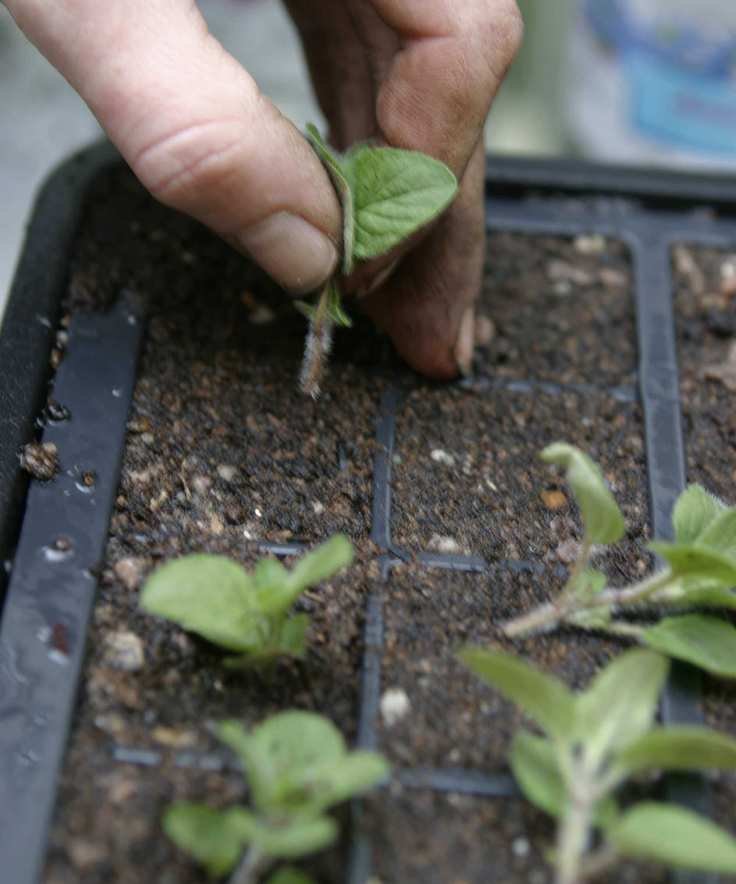
Start your new herb cuttings in a seed tray
Optimal Timing for Herb Cuttings
Spring and summer are generally the best times to take cuttings from plants.
'Mid to late summer is ideal for dividing clumping herbs like thyme, mint, and oregano after they have flowered, as well as for semi-ripe and softwood cuttings from woody sage, bay, and rosemary,' an expert notes.
'Don't let herb trimmings go to waste,' she adds. 'They can be dried, crushed, and saved to cut down on your herb expenses.'
'If you have a few existing herbs and want to increase their numbers, particularly for specific cultivars, take cuttings from spring to late summer,' another gardening expert advises.
'Keep thyme cuttings short, around 2-3 inches, and for sage and rosemary, aim for 3-4 inches, as they root best with a bit of older wood attached. Thyme cuttings do better without a cover, while sage, rosemary, and lavender thrive with light coverage to prevent overheating.'
'Growing diverse herbs enriches your kitchen garden with delightful scents and flavors. While freshening up your plants by lifting and dividing, consider potting a few to gift to friends and family.'
Advantages of Propagating Herbs
Propagating herbs not only produces new plants but keeps existing ones tidy and productive. Young plants can replace old, unproductive ones.
When winter hits, having herbs ready to snip close to your kitchen door is a huge advantage, making it easy to add freshness to your recipes without a chilly trip outside.
Learning how to propagate herbs is an excellent way to fill your herb containers or vegetable garden with new plants. You'll no longer need to rely on pricey store-bought herbs, and soon you'll have fresh, homegrown herbs at your fingertips all year.