
"You can't change your financial circumstances overnight. It requires consistent effort and application."
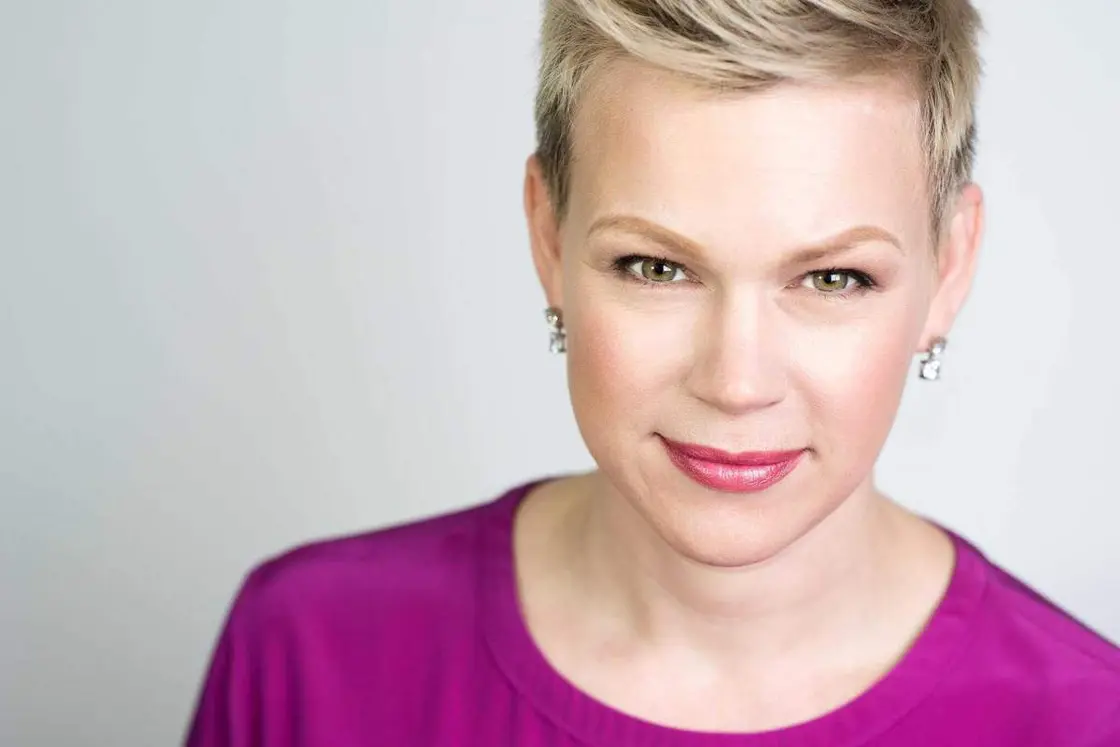
This week's podcast features financial therapist Amanda Clayman, who is dedicated to helping clients transform their relationship with money by addressing underlying thoughts and feelings.
In recent years, financial therapy has gained traction as individuals recognize how emotional factors shape financial behaviors. Amanda was inspired to enter this field after witnessing the widespread misunderstandings surrounding money and the resulting hardships. Her own financial challenges have equipped her to assist others: "I used to close my eyes and spend recklessly," she recalls, reflecting on the habits she needed to unlearn.
"I viewed money as a form of self-punishment," she explains, recalling a time when she thought sacrificing small pleasures was necessary to eliminate debt. Through self-discovery, she learned to reframe budgeting from a restrictive practice to one that empowers her to pursue her desires.
Ultimately, Amanda emphasizes that money should be viewed as a conscious tool for self-care and for supporting loved ones. Her holistic approach reveals common themes among clients, often stemming from family conflicts or persistent issues. Each session begins with assessing where money is effective or causing stress in their lives.
Amanda discusses the pros and cons of financial automation, noting that while it simplifies tasks, it can also distance individuals from their finances. "Automation is beneficial, but it can lead to disengagement," she cautions. Before fully automating finances, she advocates for a phase of active engagement.
Throughout her work, Amanda has guided numerous couples in understanding their differing financial styles, helping them uncover deeper issues rather than merely arguing about who is right.
She also shares insights on why money can be such a touchy subject, along with practical tips to cultivate a positive mindset towards finances. Her advice? "Don't focus solely on future security at the expense of enjoying today. Conversely, don't be so caught up in the present that you neglect your future stability."
In the Mailbag segment, Jean and Kathryn tackle topics like the implications of closing unused credit cards, handling excess college savings, and options for child-free individuals to leave a legacy. Jean also discusses the pressing issue of elder abuse, highlighting who is at risk and preventive measures.
Transcript
Jean Chatzky: (00:06)
Today's episode is brought to you by Fidelity Investments. They urge you to demand more from your finances by understanding your assets and liabilities. Visit fidelity.com/demandmore for more information. Welcome to the show! I usually don't recommend books unless they're by our guests, but I'm currently enjoying 'Maybe You Should Talk to Someone' by Lori Gottlieb, which explores therapy from both the therapist's and the client's perspectives. I've found it incredibly relatable, especially as it connects with the theme of financial therapy. And our next guest excels in this area. Amanda Clayman is known for helping clients navigate the emotional aspects of their financial choices and has likely saved many marriages in the process. Welcome, Amanda!
Amanda Clayman: (02:24)
Thank you! I'm honored to be mentioned alongside Lori's work. I also enjoyed that book immensely.
Jean Chatzky: (02:39)
It's fantastic! I often find myself engrossed in audiobooks during my commutes. Recently, I had a conversation with a friend about financial therapy, and she was surprised it's a real field. Can you explain financial therapy for our listeners?
Amanda Clayman: (03:31)
Absolutely! I initially recognized a need for this type of therapy, which motivated me to pursue it. As I worked through my own financial experiences, I realized how misunderstood money is and how much pain comes from that misunderstanding.
Jean Chatzky: (04:29)
It's vital to understand our motivations. I often reflect on my own financial behaviors and how they relate to my emotional attachment to money. What were you hoping to address when you began your journey?
Amanda Clayman: (04:54)
I aimed to resolve patterns from my emotional and financial past. Money often plays a significant role in our traumatic experiences. Growing up with frugal parents who faced poverty, I was taught to be overly cautious with finances, leading to risky behaviors later in life. I had to relearn how to manage money consciously.
Jean Chatzky: (06:58)
I often refer to money as a tool, and using it wisely is crucial for self-care. It's about taking care of ourselves and those we cherish.
Amanda Clayman: (07:24)
Absolutely! We should view money in terms of holistic health and wellness. My mindset shifted from seeing budgeting as punishment to viewing it as a means to say yes to what I want. Financial change takes time and effort.
Jean Chatzky: (08:53)
Change is often invisible, making it harder to gauge progress compared to weight loss or appearance improvements.
Amanda Clayman: (09:16)
Exactly. People often miss out on social activities while making financial changes, which can lead to feelings of isolation.
Jean Chatzky: (09:43)
When someone visits a financial therapist, what does the initial session typically involve?
Amanda Clayman: (10:29)
Clients often arrive with a specific issue, usually stemming from deeper problems. My role is to help them reframe the presenting problem and assess what contributes to their financial experiences.
Jean Chatzky: (11:55)
Let's discuss common issues you encounter with clients, especially women. What financial challenges do they typically face?
Amanda Clayman: (13:22)
Women often experience significant financial anxiety and struggle with decision-making. Many are freelancers or in gig work, making it difficult to establish a financial routine. This anxiety can hinder their engagement with financial choices.
Jean Chatzky: (14:58)
One common topic is the benefits of automating financial decisions, like retirement contributions. Do you think this is advisable given the complexities you mentioned?
Amanda Clayman: (15:39)
I appreciate this question! While I support automation, it can foster unconsciousness if overused. My goal is to encourage conscious engagement with money.
Jean Chatzky: (16:14)
How much awareness do we need? Many people, including myself, have financial advisors due to time constraints.
Amanda Clayman: (16:27)
A high level of engagement is essential before transitioning to automation. We must first understand our financial landscape before automating tasks.
Jean Chatzky: (18:29)
What strategies do you recommend for couples facing financial disagreements?
Amanda Clayman: (19:19)
I assess whether money issues reflect deeper relationship problems. If the financial conflicts are symptomatic of other issues, couples might benefit from couples therapy first.
Jean Chatzky: (21:46)
What insights do you have regarding couples who approach financial discussions differently?
Amanda Clayman: (21:50)
It's crucial to understand that differing viewpoints can enhance financial discussions rather than create conflict. Couples need both perspectives: one focused on the present and the other on future security.
Jean Chatzky: (24:12)
As we wrap up, what's one key takeaway for listeners to improve their financial situation?
Amanda Clayman: (24:30)
I recommend developing a regular practice of reviewing your finances to become familiar with your situation.
Jean Chatzky: (24:54)
Thanks for that advice, Amanda. How can our listeners connect with you?
Speaker 3: (25:10)
You can find me at AmandaClayman.com.
Jean Chatzky: (25:12)
Thank you for sharing your insights today.
Jean Chatzky: (25:16)
We'll return shortly with Kathryn and your mailbag.
Kathryn Tuggle: (25:31)
I feel reassured after this discussion.
Jean Chatzky: (25:35)
Amanda's insights were enlightening.
Kathryn Tuggle: (25:37)
It's intriguing how many couples share similar financial challenges.
Jean Chatzky: (26:33)
We strive to create a judgment-free environment, but self-judgment often persists.
Kathryn Tuggle: (27:23)
Being kind to ourselves is essential in our financial journeys.
Jean Chatzky: (27:34)
Absolutely! Let's focus on what matters most.
Kathryn Tuggle: (28:14)
Self-care is crucial for our well-being.
Jean Chatzky: (28:17)
It's about prioritizing yourself in every way.
Kathryn Tuggle: (28:26)
Exactly!
Jean Chatzky: (28:27)
Let's move to the mailbag.
Kathryn Tuggle: (28:34)
We have some interesting questions today. Our first comes from Kelly, who asks about the implications of closing unused credit cards and how it affects credit scores.
Jean Chatzky: (29:00)
Credit utilization is crucial for credit scoring. It's important to keep credit utilization low. I suggest keeping cards active unless they carry annual fees.
Kathryn Tuggle: (31:00)
If a credit card company closes a card due to inactivity, does it have different implications for credit scores compared to a user-initiated closure?
Jean Chatzky: (31:10)
Not particularly. It's crucial to ensure your credit report indicates the closure was initiated by you.
Kathryn Tuggle: (31:43)
Thanks for clarifying!
Jean Chatzky: (31:44)
What's next?
Kathryn Tuggle: (31:45)
Next, we have a note from Jessica.
Jean Chatzky: (31:48)
Hi Jessica!
Kathryn Tuggle: (31:49)
Jessica shares that her daughter is turning one, and she's seeking advice on the best savings options for gifts and contributions.
Jean Chatzky: (32:09)
That's incredibly generous!
Kathryn Tuggle: (32:09)
Indeed! Jessica mentions they've received smaller monetary gifts totaling around $3,000 and are unsure how to invest it effectively.
Jean Chatzky: (32:42)
Excellent question! For a 529 plan, consider future educational needs. A UTMA account can also be a good option for flexibility. Just keep in mind, the child will have control over the funds once they reach adulthood.
Kathryn Tuggle: (35:04)
Great advice! Our last question comes from Irma in Queens, who is curious about legacy planning as a single adult.
Jean Chatzky: (36:17)
Irma, you're definitely not forgotten! You can absolutely qualify for a mortgage at your age, provided you have the income. Consider your options and create a plan to outline your financial goals.
Kathryn Tuggle: (38:25)
Thanks, Irma!
Jean Chatzky: (38:25)
If you have questions, reach out to us at info@savinghunt.com. In today's Thrive segment, we discuss the alarming prevalence of financial abuse among the elderly, often perpetrated by family members. To protect aging loved ones, consider establishing a trusted contact for financial accounts, hiring a financial planner, and creating a trust to manage access to funds. If you suspect elder abuse, report it immediately to the authorities. If you enjoy the podcast, please subscribe at Apple Podcasts or visit our website. We appreciate your feedback. Next week, we'll be speaking with Seth Godin about enhancing personal brands. Thanks for tuning in; we'll talk soon.



