
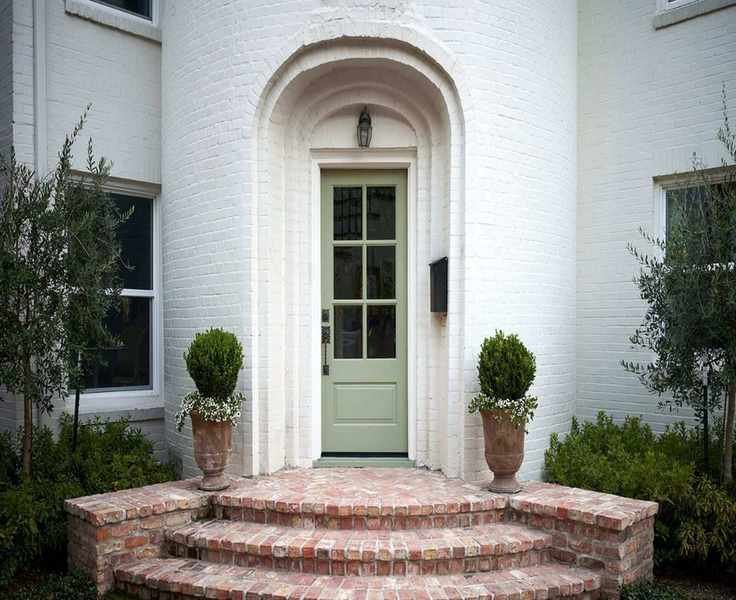
Choosing the color for your front door is more significant than it may seem. As it sets the tone for your home, you'll want a hue that reflects your style and remains timeless in its surroundings.
While exploring stylish front door color options is beneficial, it’s equally crucial to recognize which colors are being phased out. Here are five shades designers are moving away from, along with more contemporary alternatives that align with current design trends.
Remember, color is subjective, and selecting the perfect shade for your front door depends on your home's context. 'There’s no universal solution for front door colors,' remarks designer Michelle Morgan Harrison. 'The ideal choice hinges on surrounding elements, your personal taste, and the narrative you wish to convey.'
1. Black
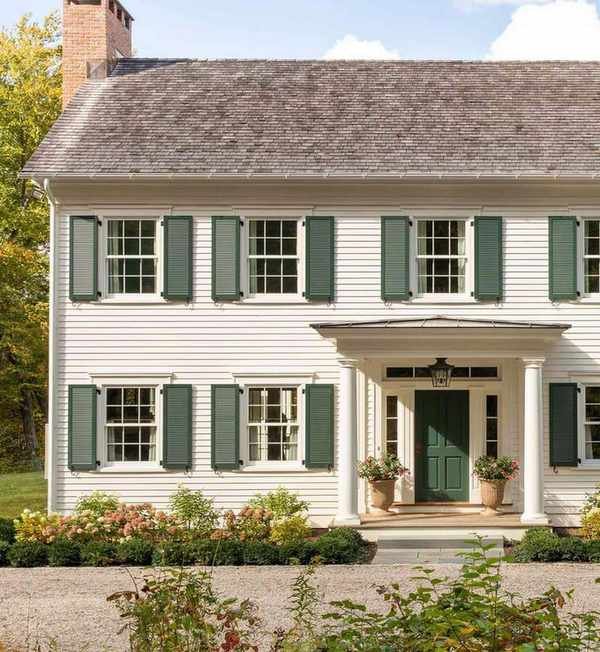
Designers now prefer deep greens, like Farrow & Ball's Carriage Green, over flat black.
Once a staple choice, black front doors are losing their appeal in 2026 as color preferences shift towards richer, warmer tones. 'Black has been the “safe” option, but that’s become part of the problem,' states NYC interior designer Jennifer Hunter. 'It feels too much like a default rather than a deliberate choice.'
For a more vibrant alternative, consider a dark green hue. 'I recommend Farrow & Ball’s Carriage Green,' she adds. 'It’s a classic color with depth and nuance that beautifully adapts to changing light. This subtle variation gives a front door a sense of purpose, making it feel both timeless and unique.'
2. Cool Gray
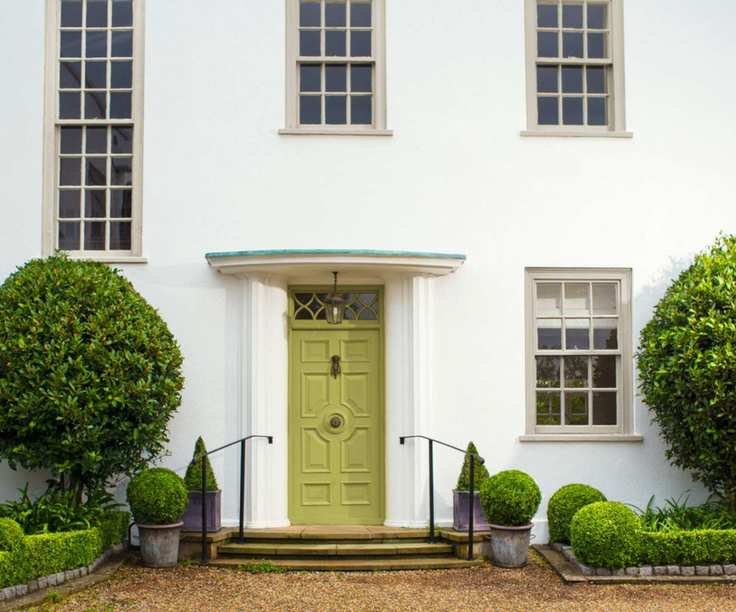
Vibrant shades like Benjamin Moore's Split Pea provide a lively option instead of gray. Alternatively, deep greens and soft neutrals also work well, according to Lauren.
Gray door shades, while neutral, are starting to lose popularity for the same reasons they’ve faded in interior design: they can feel dull and lack warmth. 'Trendy grey tones have seen a decline,' explains Dallas designer Lauren Saab. 'Especially those flat, mid-tone grays that gained traction over the past decade. They can sap life from your home’s exterior.'
3. Predictable Neutrals
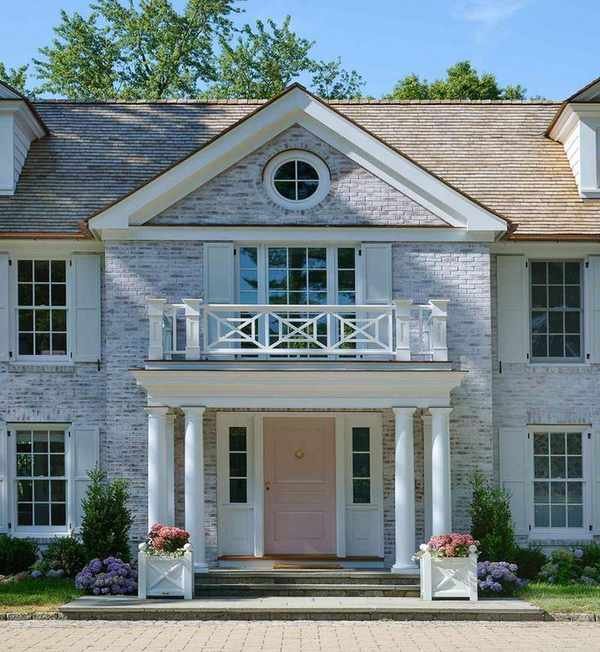
For a refreshing twist on conventional white, consider a soft pink like Benjamin Moore's Paris Romance, which complements lime-washed brick beautifully, says Michelle.
Though designer Michelle Morgan Harrison doesn’t dismiss any color outright, she observes a trend away from predictable neutrals such as white. 'Clients are moving beyond classic whites, grays, and blacks, allowing us to explore bolder front door options,' she shares.
This home showcases the impact of an engaging front door color that’s much more intriguing than white. 'We employed a range of pinks and eggplant shades throughout the home, so incorporating that choice at the entry made perfect sense,' she elaborates.
4. Pillar Box Red
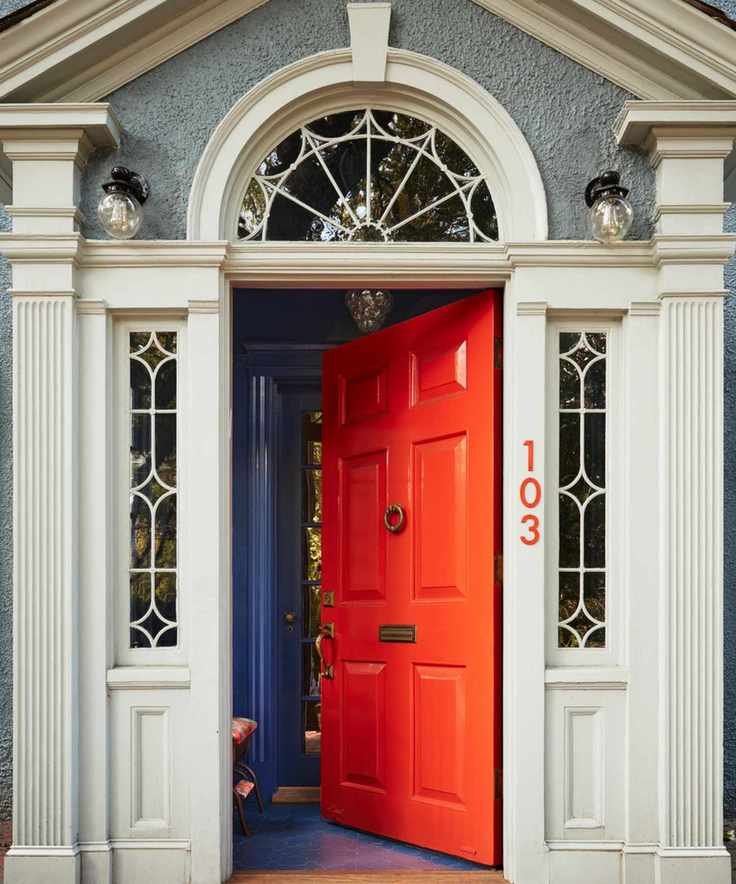
Opting for an orange door offers a fresh take on traditional red. 'Pair it with a soft blue-gray for a striking warm-cool balance that makes your home stand out,' remarks Cecilia.
Designer Cecilia Casagrande from Boston suggests skipping the classic primary red in 2026. 'Traditional red doors and dark gray feel overused – too predictable, and they don’t look great in direct sunlight or cloudy days,' she explains.
While classic red may be phased out, vibrant colors still have a place. Bright orange tones can invigorate a home’s entrance. 'Orange is distinct, infusing any season with cheer – it can appear retro in the right context or completely modern in another. Charlotte's Locks by Farrow & Ball is a perfect choice.'
5. Navy Blue
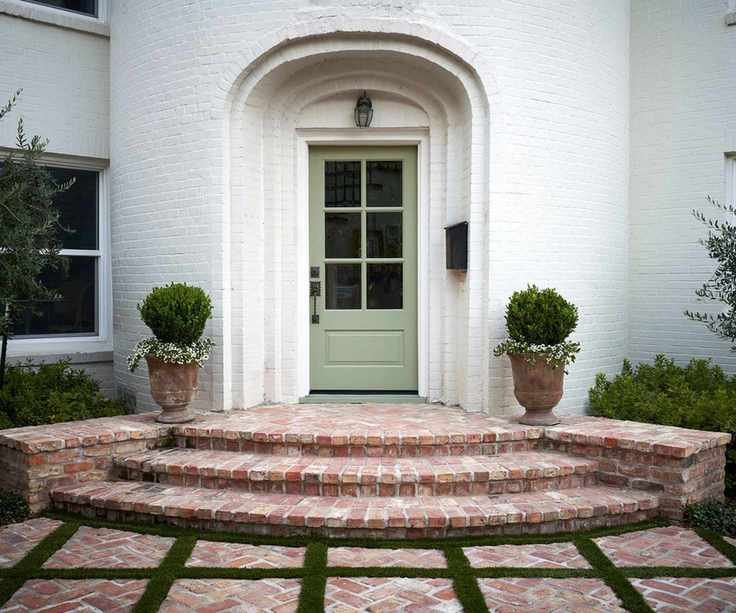
Instead of navy, which can seem outdated, opt for a softer hue like Farrow & Ball's Lichen, ensuring a chic and timeless entrance.
This door color can elevate a home’s look, yet navy blue is falling out of favor. 'Saturated navy is slipping from popularity,' shares Lauren Saab. 'It once offered a safe contrast to black but can now come off as heavy and mundane, whereas warmer shades add depth and a modern touch.'
Designer Minnette Jackson also notes a shift from high-contrast doors to more nature-inspired tones. 'There’s a subtle transition toward colors that blend with the environment,' she explains. 'Soft, earthy greens like Farrow & Ball's Lichen bring warmth and accessibility while still appearing sophisticated. These organic colors create a connection between architecture and landscape.'
As designers move away from overly dark and lifeless colors, they’re opting for hues that are more welcoming and vibrant this year.
For those seeking direction in choosing a front door color, consider reflecting your interior colors. 'I enjoy the front door hinting at the interior palette, allowing the inside to inspire our exterior choices,' advises Michelle Morgan Harrison.



