
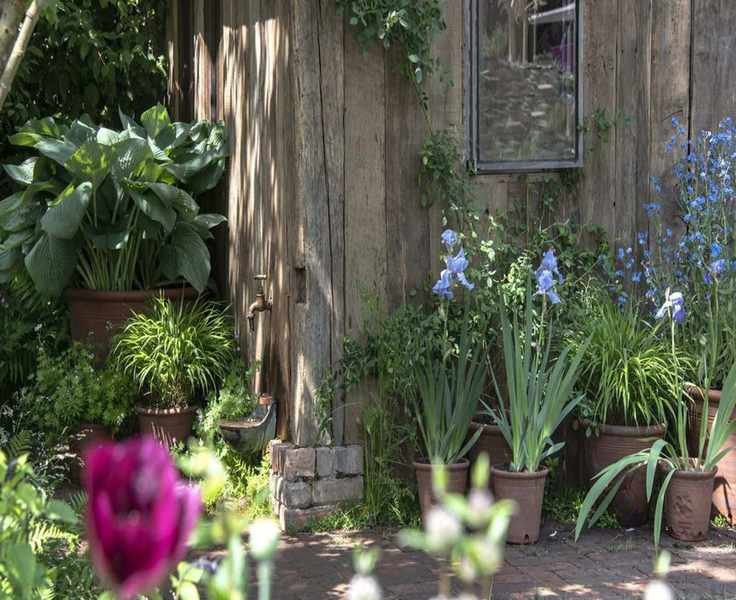
Allergies shouldn't keep you from enjoying your garden. By making thoughtful design choices, you can lower your exposure to pollen while still creating a beautiful outdoor space. Here are five effective strategies for reducing pollen in your yard.
To minimize pollen exposure, select your plants carefully and consider their placement. Opt for insect-pollinated varieties instead of wind-pollinated ones. Additionally, using hedges or fences can act as barriers to prevent pollen from drifting into seating areas.
Reducing pollen doesn't mean sacrificing flowers; it's about smart design. Let's explore expert-recommended strategies that will help ease allergy symptoms.
1. Choose Non-Wind-Pollinated Plants

Wind-pollinated plants are the main offenders when it comes to pollen exposure, releasing vast amounts of lightweight pollen into the air. To reduce your exposure, focus on insect-pollinated plants that produce heavier pollen, attracting pollinators like bees and butterflies.
Avoid high-pollen trees such as oaks, birch, and cedars, as well as flowers like asters, sunflowers, and ragweed in busy areas of your garden.
2. Position Low-Pollen Plants Nearby
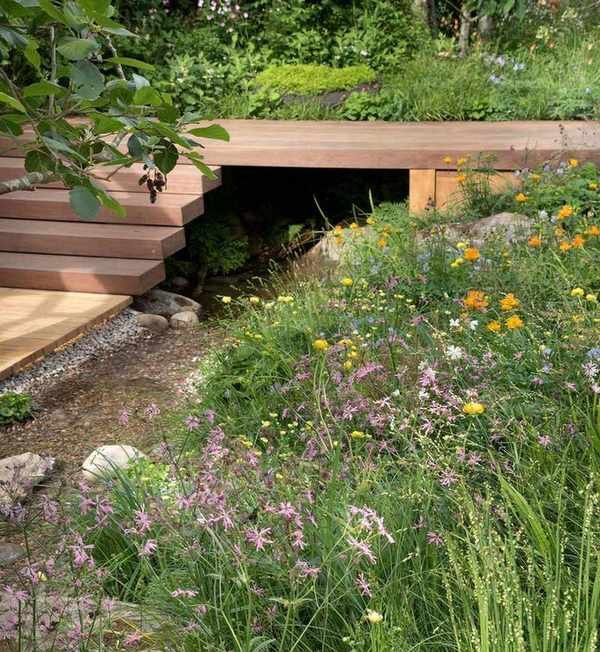
When designing your garden, place insect-pollinated plants close to your home and in high-traffic areas like patios. Keeping high-pollen plants away from entrances can significantly lower your pollen exposure.
Experts suggest plants such as begonias, clematis, and snapdragons for low-allergen garden ideas. Snapdragons, in particular, are known for their colorful spikes and ability to attract pollinators without releasing airborne pollen.
Explore Snapdragon flower seeds at True Leaf Market for your garden.
3. Keep High-Pollen Plants Distant
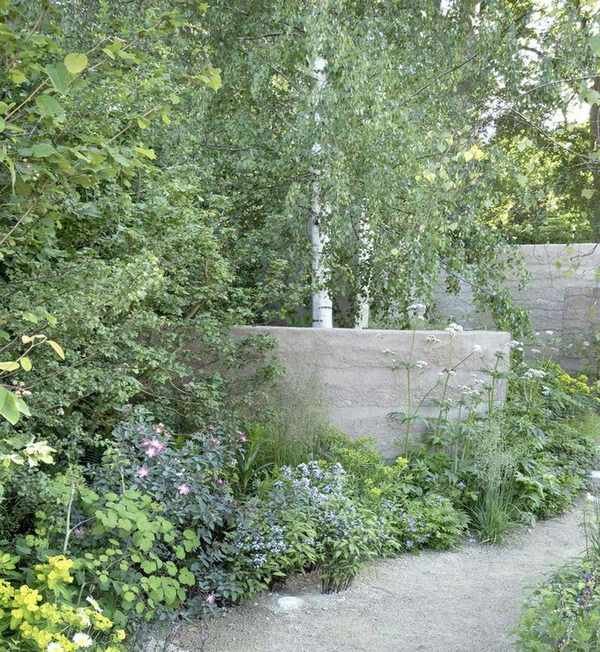
Don't eliminate high-pollen plants entirely. These can enhance your landscape's beauty, offering texture and color. However, place them as far from doors, windows, and relaxation areas as possible to minimize contact.
Consider wind direction in your garden. Positioning high-pollen plants downwind can help keep pollen away from your home and seating areas.
4. Install Barriers Against Pollen
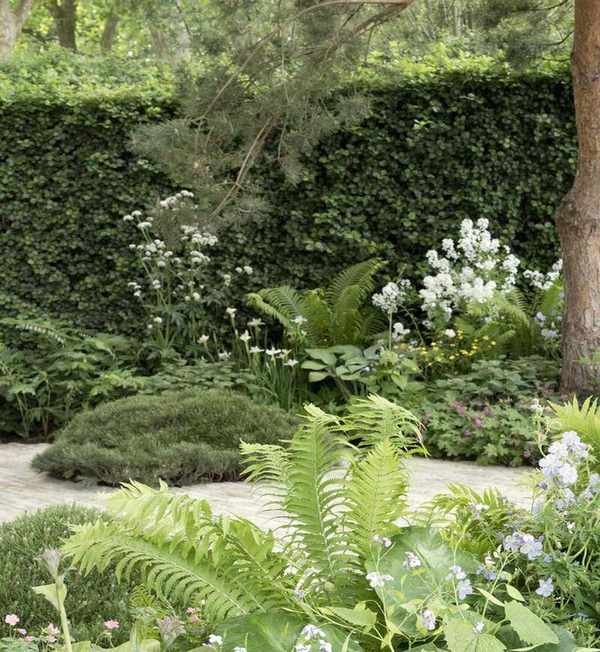
A completely pollen-free garden isn't feasible, but you can design one for reduced exposure. Incorporate diverse plant species, avoid high concentrations of wind-pollinated plants, and create buffer zones with dense hedges and fences.
Physical barriers like hedges can effectively block pollen. For insect-pollinated hedging options, consider hawthorn, holly, or pyracantha.
5. Limit Lawn Areas
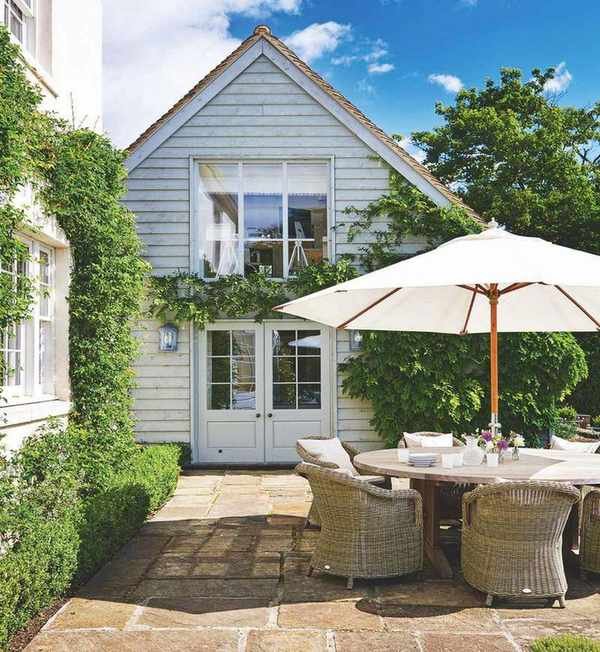
Lawns can contribute significantly to pollen levels. If you frequently mow, keep the grass short to minimize flowering. Alternatively, you might replace parts of the lawn with hard landscaping such as patios or gravel.
Surround your hardscapes with insect-pollinated plants to maintain color and provide food for pollinators.
Recommended Plants
Ambassador White Begonia: These shade-loving begonias produce low levels of heavy pollen.
Jolly Good Clematis: This variety has striking purple blooms and attracts a variety of pollinators.
Rozanne Hardy Geranium: This cultivar flowers from late spring to frost and produces minimal pollen.
Pollinators play a vital role in maintaining a healthy garden. Even small spaces can host a variety of insect-pollinated plants. From container gardens to wildflower patches, there's a wide selection of plants to support local pollinators.



