
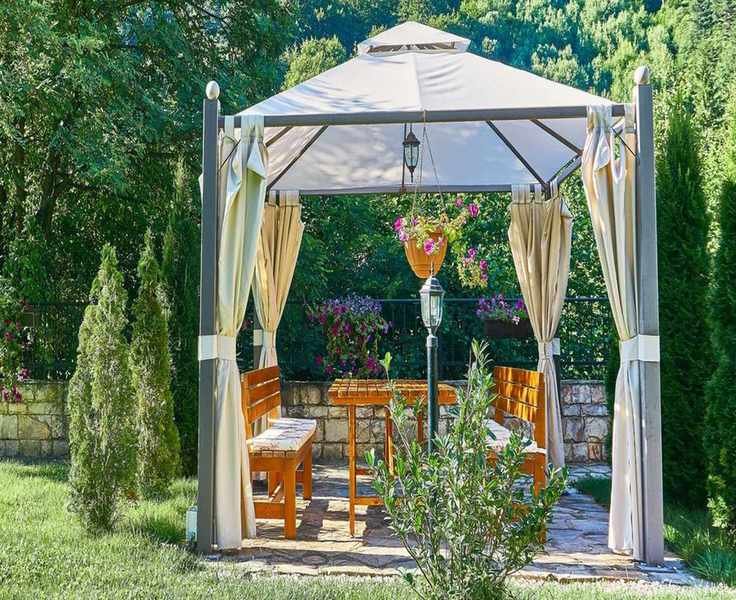
Gazebos and pergolas are fantastic for adding shade and entertaining outdoors, enhancing your deck, patio, or yard.
For those new to garden design, it might be tough to distinguish between gazebos and pergolas. Yet, understanding their unique functions is essential.
I consulted experts in landscaping and garden structures to clarify the differences and explore why one might be preferred over the other, especially when comparing a gazebo to a pergola.
What defines a gazebo?
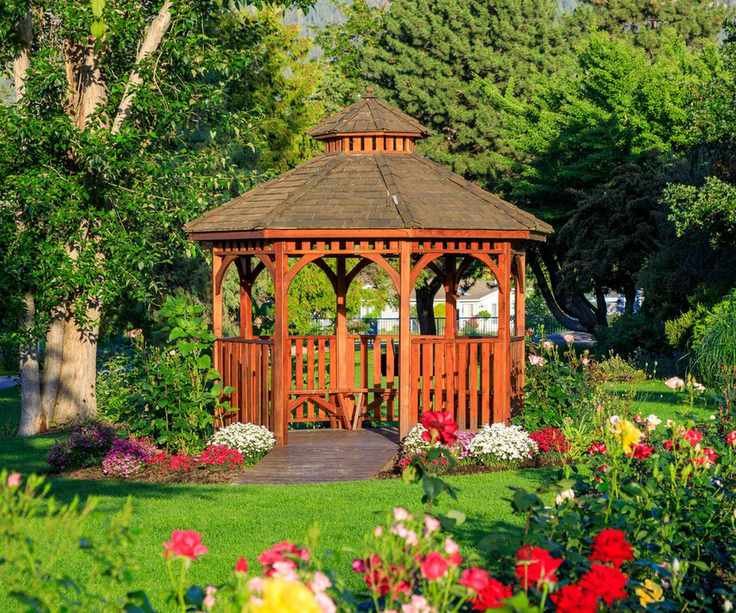
Simply put, gazebos feature roofs, while pergolas consist solely of beams. According to landscaping specialist Cate Singleton, "A gazebo is typically a freestanding structure with a solid roof and open walls, providing both aesthetic appeal and functional shade.
Gazebos come in two primary styles: affordable modern metal models and classic wooden designs. Outdoor structure expert Kevin King noted, "Traditional gazebos often showcase a double-tiered roof and are usually hexagonal or octagonal, embodying a Victorian-style aesthetic." These permanent installations can be pricey, often requiring contractor assistance.
However, many modern gazebos are made from lightweight aluminum or steel, offering semi-permanent options that can be disassembled for winter storage or relocation.

Cate is a garden authority and Director of Design for a landscape design firm that connects homeowners with professional designers to create tailored outdoor plans.
Kevin KingKevin King contributes his expertise as part of a company specializing in custom outdoor structures, including gazebos and pergolas.
What characterizes a pergola?
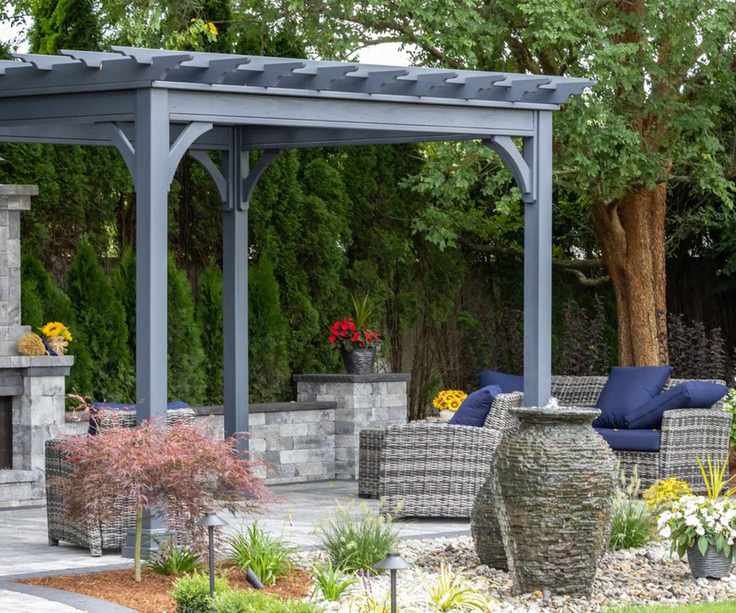
In contrast, a pergola lacks a roof. Constructed from posts and beams similar to gazebos, pergolas allow plants to grow overhead, providing a shade effect that's unattainable with gazebos.
Cate describes a pergola as "an open-air shade structure made of posts, beams, and rafters." Kevin adds, "A pergola typically features four to six posts supporting an open frame."
Advantages of a gazebo
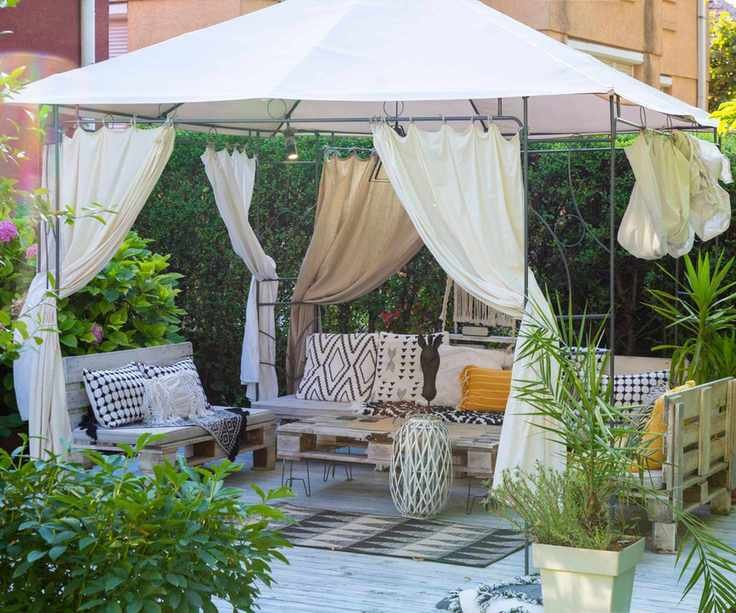
Cate emphasizes that "Complete roof coverage is a major perk of a gazebo." The solid roofing offers shelter, allowing you to host guests comfortably under shade or protection from unexpected rain.
The roof also supports screens for added privacy and bug control, effectively creating an outdoor room. If you choose a more affordable frame, your gazebo can be easily relocated, requiring no concrete work for installation. This affordability can even surpass some pergola options, especially with added features like screens and electrical outlets.
Lausaint Home 10'x10' Patio Gazebo
Seats: 4 Dimensions: 10ft x 10ft x 9.30ft Materials: iron, polyester
This gazebo is ideal for warm climates, featuring light, airy netting to keep cool while deterring insects.
Backyard Discovery Barrington Gazebo
Seats: 8 Dimensions: 14ft x 10ft x 9ft Materials: cedar, steel
A classic wooden design, this gazebo includes a built-in power outlet, perfect for running outdoor appliances.
YardCraft Octagon Gazebo
Seats: 6 Dimensions: 12ft x 12ft x 9ft Materials: cedar, pine
This octagonal gazebo, crafted by Amish artisans, is a durable permanent fixture for quiet garden corners.
Considerations for gazebos
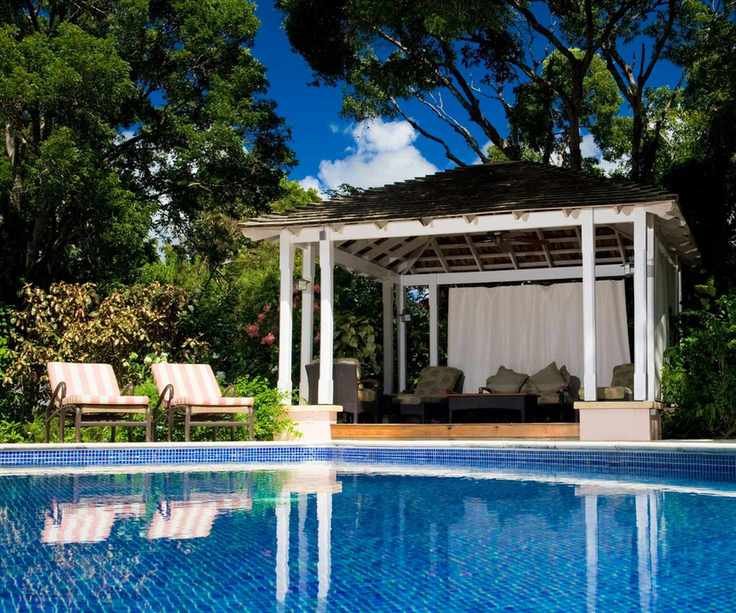
Cate points out that larger, traditional wooden gazebos can be costly and may require local permits, potentially delaying installation. Additionally, they can occupy significant garden space, making small areas feel more cramped. Kevin notes that even sizable gazebos might only comfortably accommodate 4-5 people at once, leading to crowding.
Conversely, lightweight models can be vulnerable in storms, so consider your location's weather conditions.
What are the advantages of a pergola?
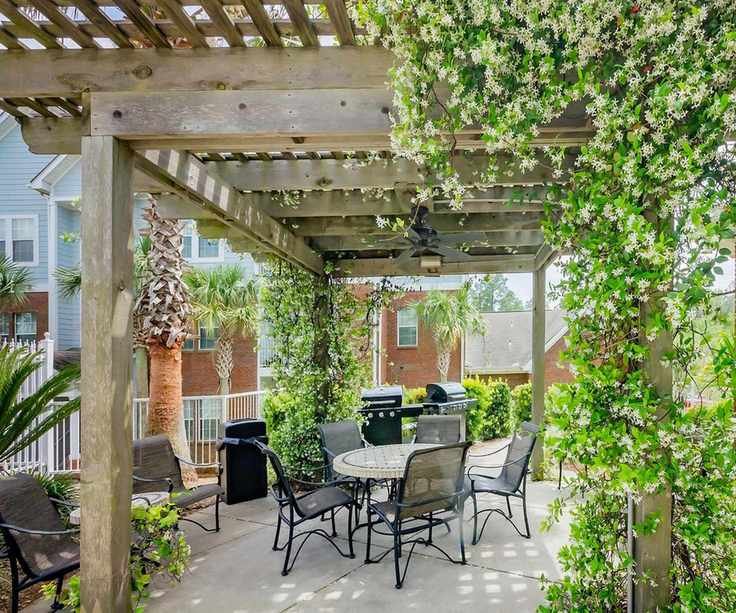
One major advantage of pergolas is the ability to grow climbing plants over them, enhancing your garden's aesthetics. Popular choices include roses, wisteria, and even grapes in suitable climates.
This feature can extend to your overall garden design. One budget-friendly idea is to drape solar lights over a pergola, creating a romantic atmosphere.
Cate adds that like gazebos, "Pergolas can enhance your living space, providing an outdoor retreat. They can remain open-air or feature canopies for more consistent shade. These structures can also be a cost-effective way to expand outdoor living areas."
Backyard Discovery 10 x 12 Pergola
Seats: 4 Dimensions: 7.5ft x 12ft x 10ft Materials: cedar
This classic pergola design includes a trellis for plant growth and a power outlet for added convenience.
Outsunny Retractable Pergola
Seats: 4 Dimensions: 7.5ft x 10ft x 10ft Materials: power-coated steel, UV resistant polyester
This retractable pergola allows for both sun and shade, and it's surprisingly affordable while maintaining a stylish appearance.
Backyard Discovery Ashland 10 ft. x 14 ft Pergola with Bar
Seats: 6 Dimensions: 8ft x 10ft x 14ft Materials: cedar
This wooden pergola is designed for entertaining, featuring a built-in bar for drinks or cooking.
Disadvantages of a pergola

The primary downside of a pergola is its lack of coverage. It doesn't shield you from sun or rain, and additional canopies or shade sails may be necessary. Plant growth can also take time to achieve the desired effect.
Maintaining a pergola can be more labor-intensive than a gazebo. Kevin explains, "Wooden pergolas often require extra care due to exposure to the elements, which can hasten deterioration and increase upkeep needs."
Moreover, installing a pergola poses challenges. A solid foundation, ideally made of pavers or concrete, is necessary for proper support.
Which option works best?
Ultimately, your choice depends on your specific outdoor goals. Cate suggests, "Each structure has its place; larger yards may benefit from the solid form of a gazebo, while smaller properties could find a pergola to be an ideal solution for maximizing outdoor space."
Frequently Asked Questions
Can a pergola stand alone?
Yes, most pergolas are freestanding, typically supported by four to six posts anchored in the ground.
For further assistance with gazebos and pergolas, feel free to reach out to us at info@savinghunt.com.



