
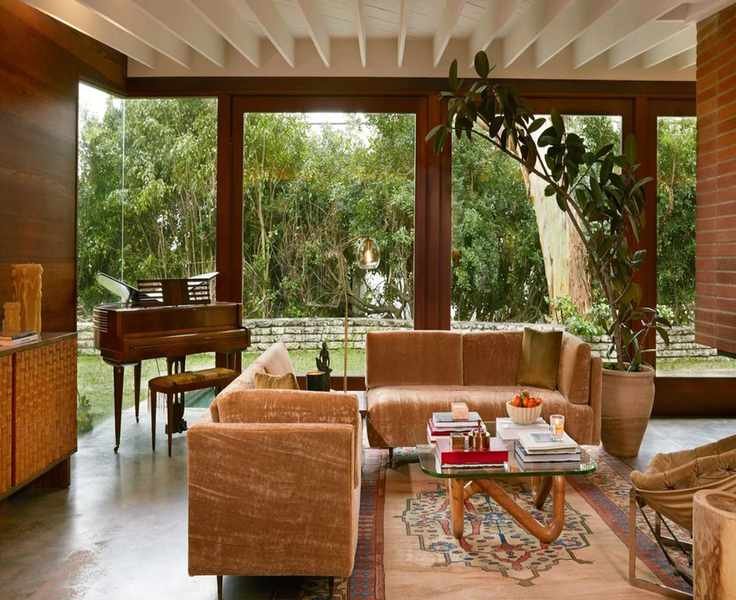
What do open layouts, geometric forms, mixed materials, and warm, earthy tones have in common? They all embody mid-century modern design. Emerging post-World War II, this style emphasizes simplicity and practicality in the home.
Unlike previous styles that favored grandeur, mid-century modern design delivers straightforward elegance. 'It's all about clean lines, strong shapes, genuine materials, and a true sense of home,' says interior designer Amelia Hesketh. 'It's functional and well-balanced, offering just enough design to feel thoughtful without being excessive.'
This design style focuses on more than just looks. 'Unlike older homes, mid-century modern residences adapt to the land's shape, sun's direction, and family needs,' Amelia explains. 'Their layouts embrace nature and lifestyle, avoiding rigid street-facing designs.'
Mid-century interiors feature lasting details. From wooden paneling to organic shapes, this enduring style remains relevant nearly 80 years later.
1. Opt for Simple Statements
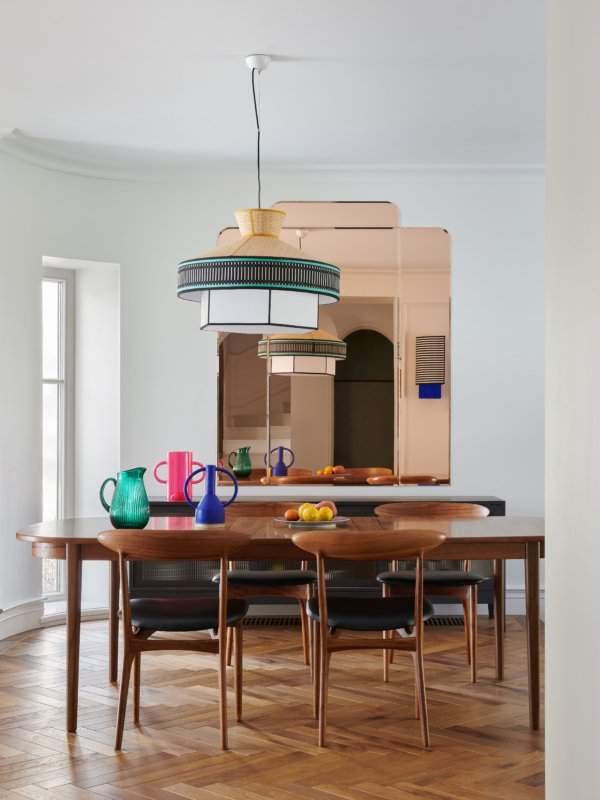
Mid-century modern design may have quirky shapes, but it's never cluttered. Lines are clean and uncomplicated. Anthony Barzilay Freund, Editorial Director at 1stDibs describes it as 'characterized by clean lines in natural materials, emerging post-WWII with a vision of brighter days and a new design ethos.' Mid-century design rejected the fussiness of the 19th century, presenting lighter, cleaner pieces as backdrops for happier lives.
Yet, mid-century modern still makes a statement. It's about achieving a balance between sleek sophistication and boldness. This dining room, designed by Colombe, exemplifies that harmony.
'Created in the 1950s, this dining room was designed for two parents and four children wanting warmth and comfort. A wooden table, typically teak or walnut, pairs with black leather chairs, accented by geometric lamps and colorful mirrors,' explains Marta Chrapka, the studio's founder.
2. Choose Reflective Materials

Identifying mid-century modern style is easy through its materials: wood, brick, and stone. These natural materials offer durability and authenticity, enhancing a mid-century feel.
In this design by Maggie Glendenning, white-painted brick walls create a simple backdrop, complemented by a wood-paneled kitchen wall and colorful terrazzo stone floors that harmonize with the furnishings.
'We used a classic mid-century palette with brick, terrazzo, and wood, layering colors and textures to create a lived-in feel,' Maggie notes. 'The wood warms the space and embodies that timeless vibe, especially against the cool terrazzo and painted brick.'
3. Balance Rigid and Soft Elements
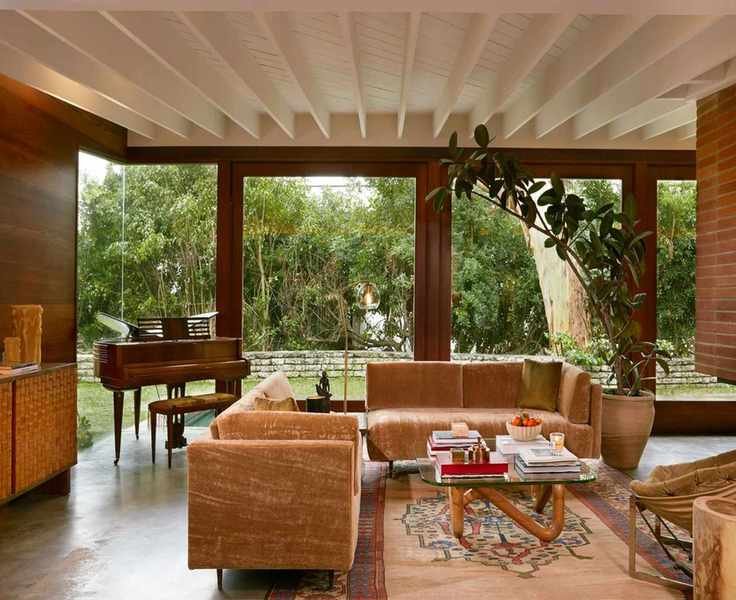
Mid-century modern interiors can sometimes feel stiff due to their focus on functionality and clean lines. While some appreciate this rigidity, others find it too harsh. Blending rigidity with softness can enhance mid-century spaces.
Pierce & Ward achieved this in the living room above. 'Mid-century homes can feel masculine, so we balanced it with softer tones while retaining the style's lines,' they explain.
'We restored the original red wood walls and repainted the ceiling for a fresh look. The couch was reupholstered in mohair, enhancing the contrast between clean lines and softness.'
4. Integrate Classic Furnishings
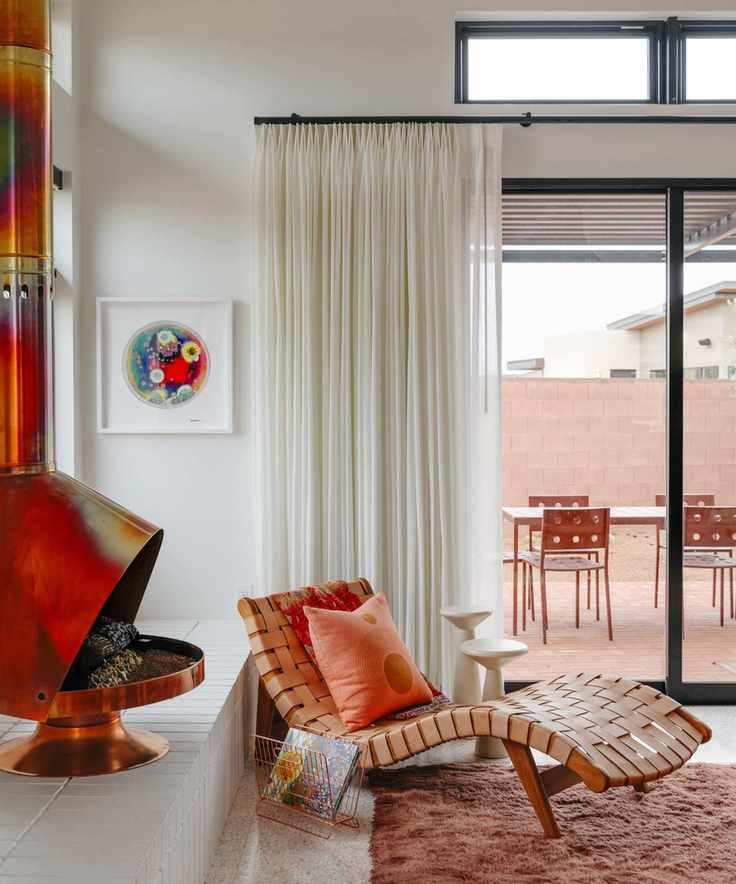
Achieving mid-century modern aesthetics can be done with specific furnishings and decor without a full renovation.
Iconic pieces like the Eames Lounge Chair, Saarinen Tulip Table, and Arco Floor Lamp by FLOS epitomize this style, captivating mid-century enthusiasts.
This living room by Maggie Glendenning features an organically shaped lounge chair and a striking hang-down fireplace that steals attention.
'Once lit, it developed a beautiful patina with holographic colors, grounding the space with its cool metallic touch,' Maggie shares.
5. Mix Styles with Mid-Century Modern
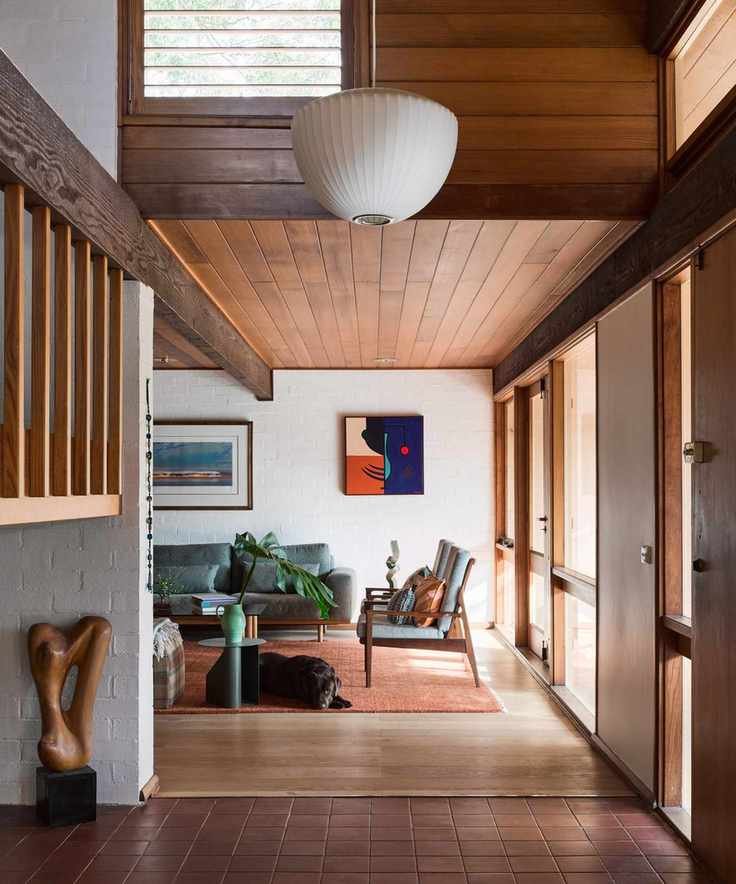
Mid-century modern design's adaptability contributes to its lasting popularity. Its clean lines and pure design principles pair well with various styles.
Amelia Hesketh acknowledges this, often blending mid-century principles with traditional or contemporary designs. 'I work with clients who love the style but live in different homes, layering mid-century elements seamlessly,' she explains.
'Vintage pieces blend well with modern ones; it's about finding the right balance. Mid-century modern isn't about trends; it's about living well.'
6. Embrace Classic Mid-Century Color Palettes

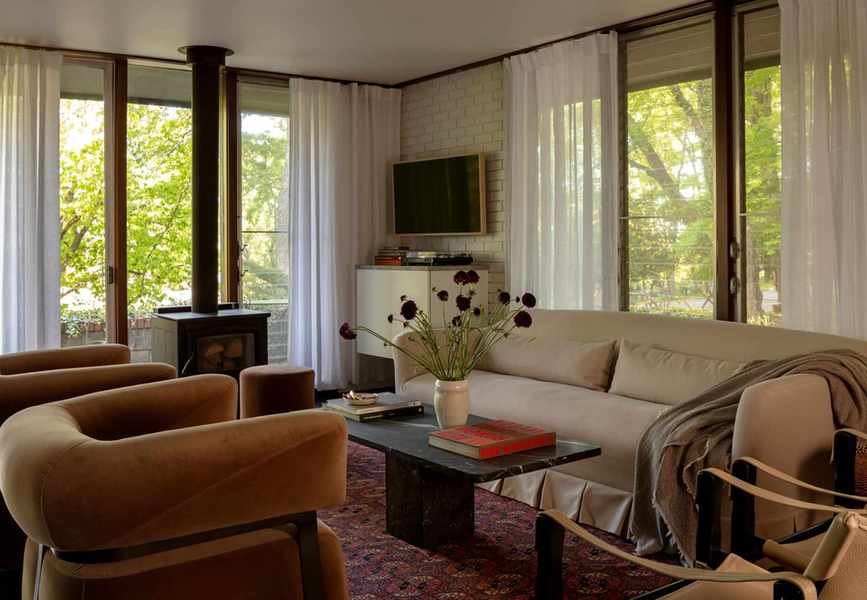
Mid-century modern design is beloved for its color palette, featuring rich browns, oranges, yellows, and vibrant accents that create an inviting atmosphere.
This kitchen and living area, designed by Whitney Romanoff, showcases this palette beautifully. 'We aimed for a more feminine material and color scheme to soften the home's masculine lines,' Whitney explains.
'Warm nude cabinetry complements redwood paneling, rosy quartzite, and brass accents, adding a romantic touch to the open space.'
7. Highlight Mid-Century Architecture
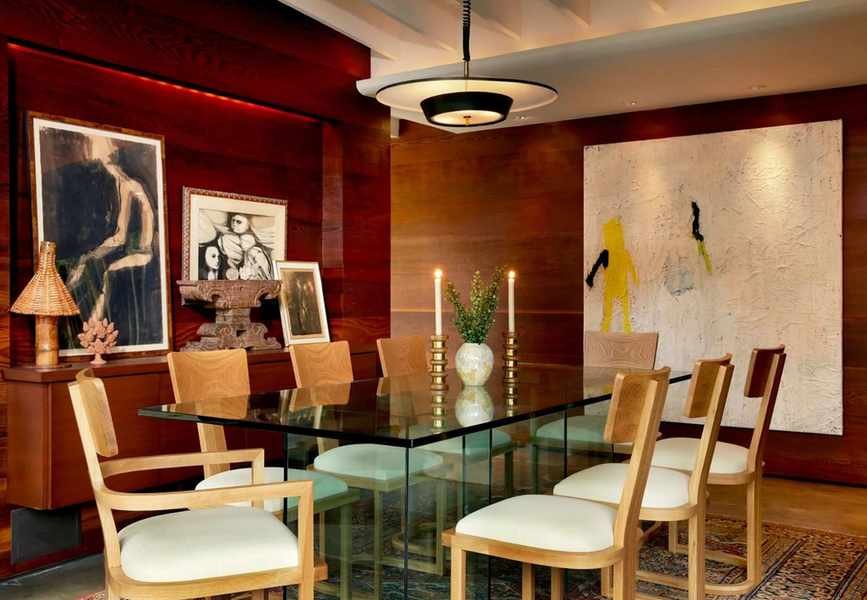
Mid-century modern design is admired for its stunning architectural features. Sometimes, the most straightforward idea is to let those details shine.
In this dining room, Pierce & Ward added a floating credenza to avoid obstructing views of the home's elements. Made from the same material as the walls, it enhances functionality without disrupting the room's flow.
8. Infuse Lighting with Mid-Century Flair

Lighting in mid-century modern style allows for creativity and flair. Even the simplest spaces shine with unique lighting. This dining area melds traditional with contemporary and mid-century styles.
'This interior, a late 19th-century tenement, features decorative original elements,' Marta explains. 'We balanced ornate details with simpler furniture, using color and wood accents to bring warmth.'
9. Accessorize Thoughtfully
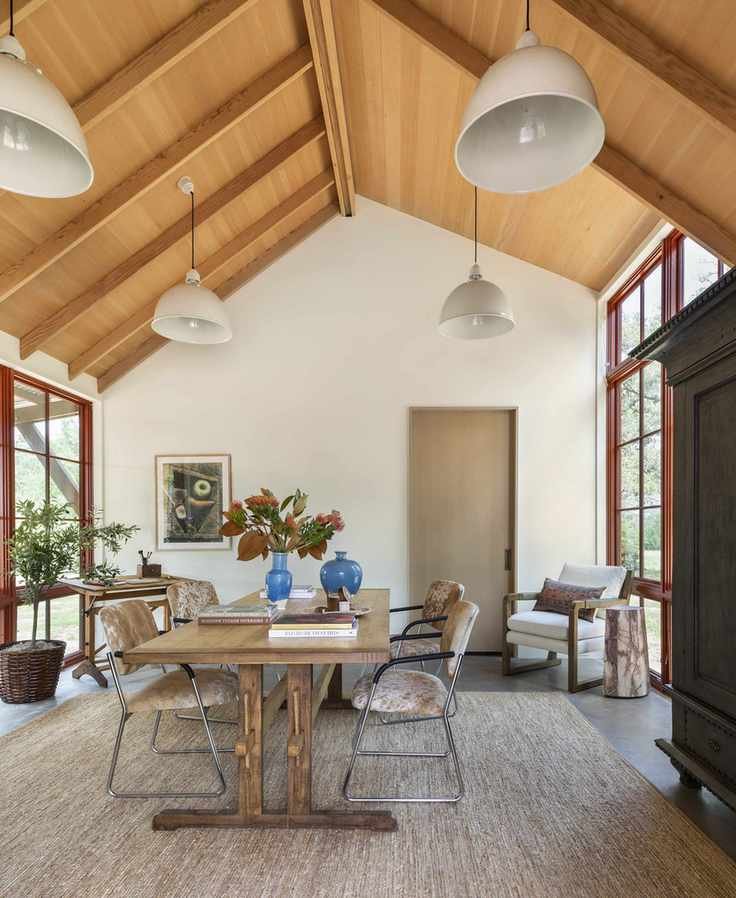
In any mid-century modern space, thoughtful curation is essential. These designs are free of fuss, with decor feeling intentional. Ensure each decorative piece has its place, favoring organic, curved forms like handblown glass and quirky ceramics for a retro vibe.
'Mid-century style is defined by clean lines in furniture, lighting, and storage. It often avoids decorative accents,' designer Marie Flanigan notes. 'I appreciate when a room feels collected over time, treating accents as highlights rather than the main focus.'
10. Keep It Simple and Let Furniture Shine
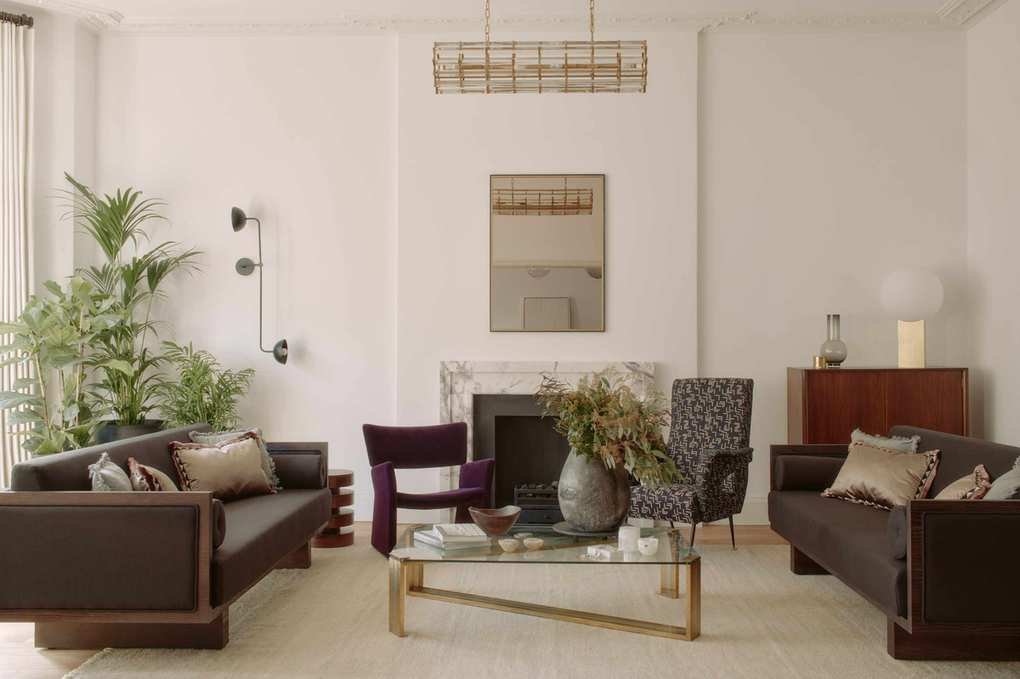
Mid-century interiors focus on unique forms and materials, making them distinctive yet livable. This living room by Tala Fustok achieves that balance.
Inspired by mid-century aesthetics, it features retro pieces without feeling cluttered. A warm white backdrop and low-profile furniture create a fresh, contemporary atmosphere.
'This monochromatic retreat reflects our client's personality,' Tala shares. 'We played boldly with accents to create a backdrop for artwork and vintage furniture, enhancing the calming ambiance.'
11. Experiment with Bold Colors
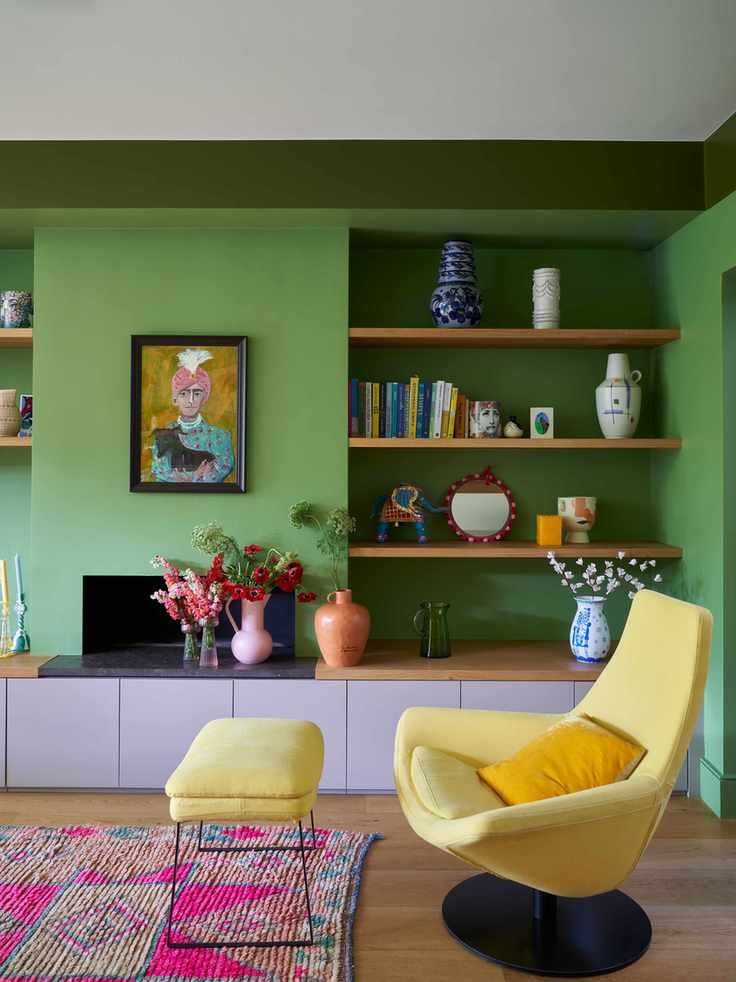
Color was integral to mid-century modern design. While contemporary interpretations often lean minimalist, original mid-century aesthetics embraced vivid hues.
'Consider those iconic Californian interiors; they featured wood warmth with pops of color that never overwhelmed,' suggests Patrick O'Donnell of Farrow & Ball. 'Incorporate olive greens or gunmetal blues for a Scandinavian touch, or bring in vibrant colors through ceramics or art.'
12. Personalize with Color and Pattern
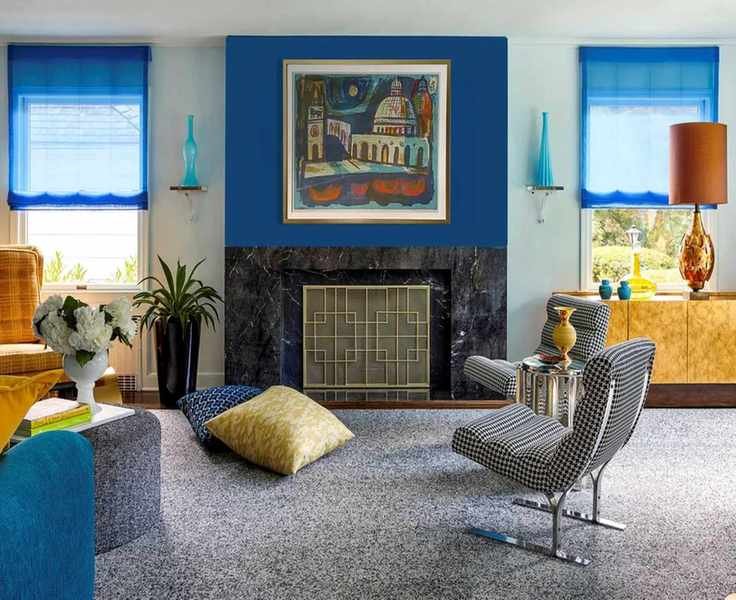
Mid-century interiors can benefit from bright accents. Designer Andrew Suvalsky brought this to life with vibrant blue and amber tones, enhancing the mid-century design.
'I aimed to merge modern interpretations of 1950s to 1970s styles,' Andrew explains. 'The goal was to blend clean lines with rich decor and challenge conventional mid-century perspectives.'
13. Mix Materials Creatively
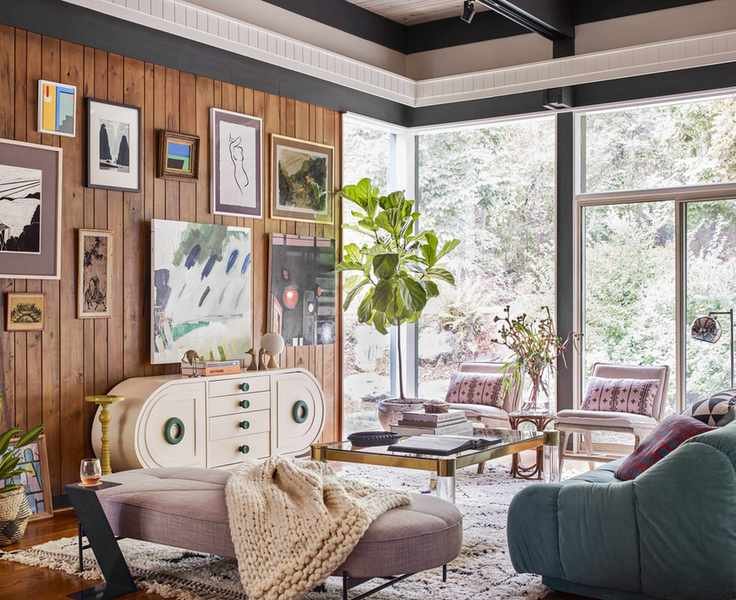
After WWII, the introduction of new materials shaped mid-century modern style. Furniture began incorporating synthetic materials alongside natural options.
When recreating this style, mix diverse textures and finishes. In this living room by Atelier Davis, warm wood combines with plastics and metals, creating a textured and visually engaging space.
14. Embrace Abstract Shapes and Patterns
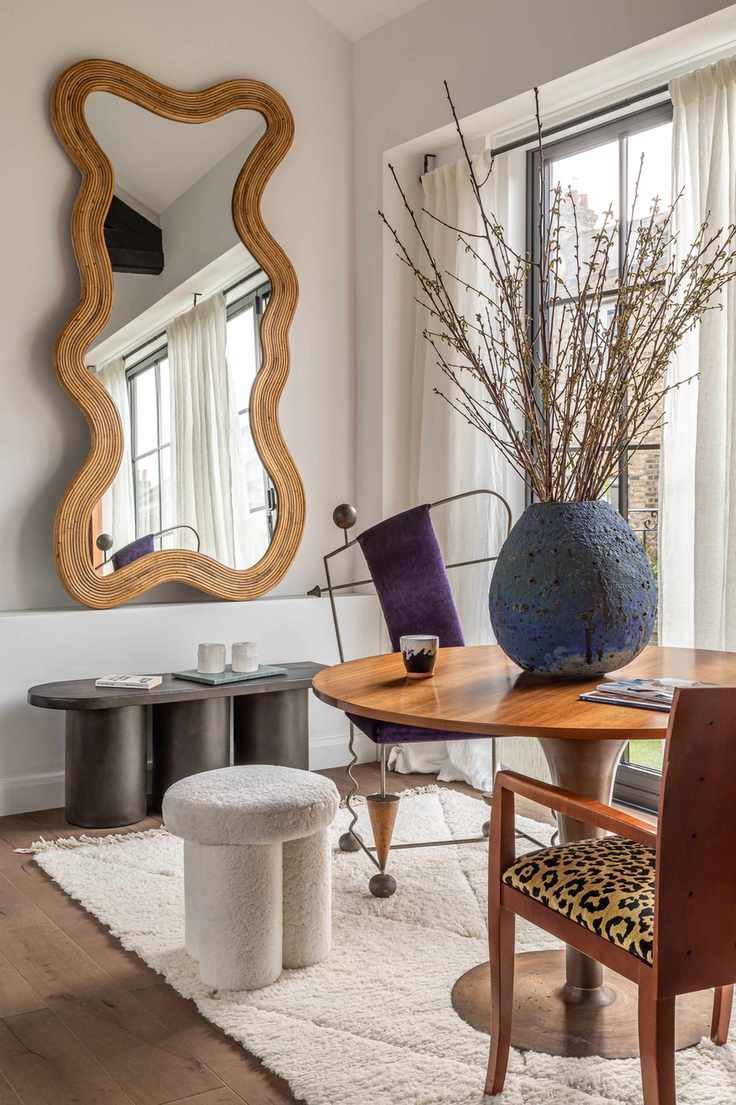
Not every line in a mid-century space has to be rigid. While some straight lines are essential, introducing curves and sculptural shapes softens the overall look. Freeform furniture gained popularity later in the mid-century era.
Patterns were also significant, especially geometric and abstract prints. Consider bold wallpaper or subtle patterns in soft furnishings to add depth.
15. Revive Terrazzo
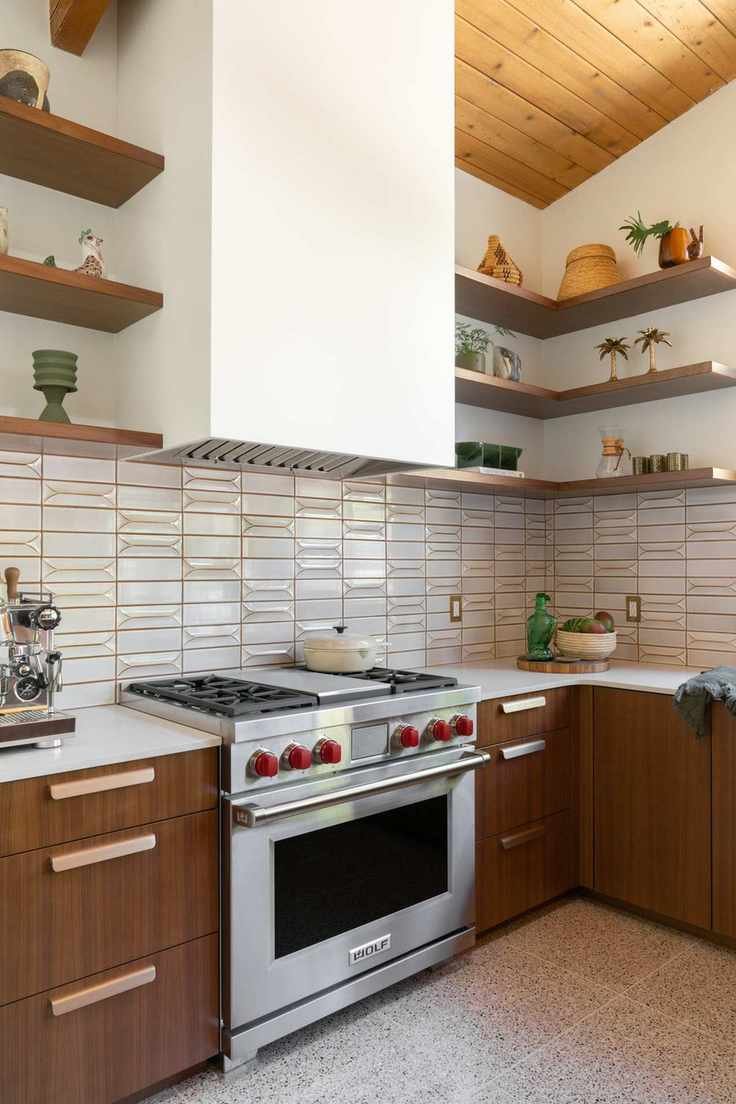
Terrazzo, once limited to public spaces, has re-emerged in interior design. Although it has ancient origins, it became popular in mid-century style.
'This kitchen renovation in a William Krisel Mid-Century Modern home features dimensional tile, terrazzo flooring, and walnut cabinetry,' designer Abbie Naber explains.
16. Use Retro Wallpaper
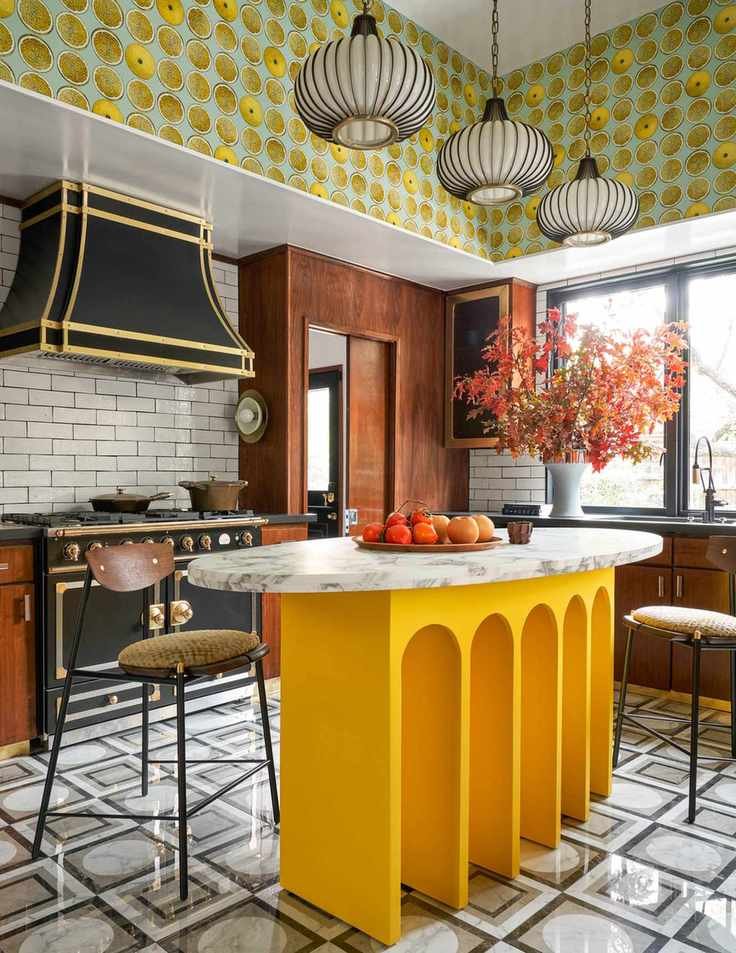
This vibrant vintage kitchen captures bold colors perfectly, with wallpaper adding retro patterns. 'I saved this wallpaper for ages, wanting a true 1970s kitchen vibe, so I embraced patterns and colors,' shares Eddie Maestri, a principal architect at Maestri Studio.
Mid-century modern design embraces clean lines and simplicity, often featuring low-profile furniture with a strong wood presence, punctuated by vibrant colors.
Why is Mid-Century Modern Resurging?
Nearly a century later, mid-century modern design remains popular, gaining momentum recently.
But why now? Amelia Hesketh explains, 'People are weary of disposable furniture and fleeting trends. There's a longing for calm, grounded spaces that feel like home.' Every aspect of mid-century modern interiors fulfills that desire.
'This style exudes warmth through wood tones and design character; its architectural appeal lies in bringing the outdoors in and fostering a natural bond with the landscape,' she emphasizes.
Mid-century modern design is both inviting and captivating, helping create spaces that truly feel like home.
Shop the Style
Want to achieve mid-century modern flair in your home? Integrate classic furniture and decor pieces into your space. Here are some favorites.
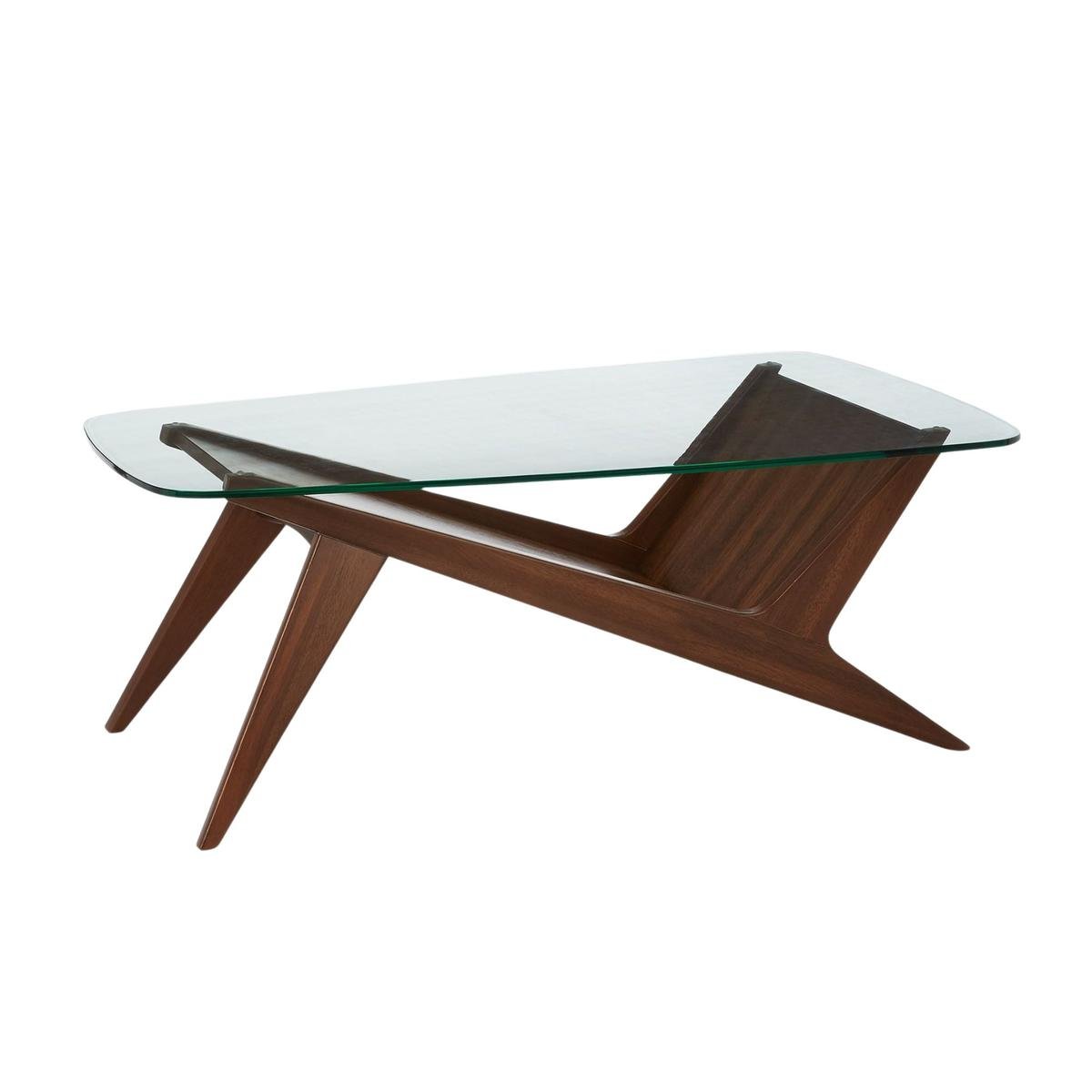 sleek design
Marcio Display Coffee Table (46")
The angular legs of this coffee table enhance its mid-century charm, making it a stylish addition to your living room.
 organic shape
Mid-Century Wood Lanterns
These lanterns reflect mid-century style through their material and sleek form. Pair two of varying sizes for a cohesive look.
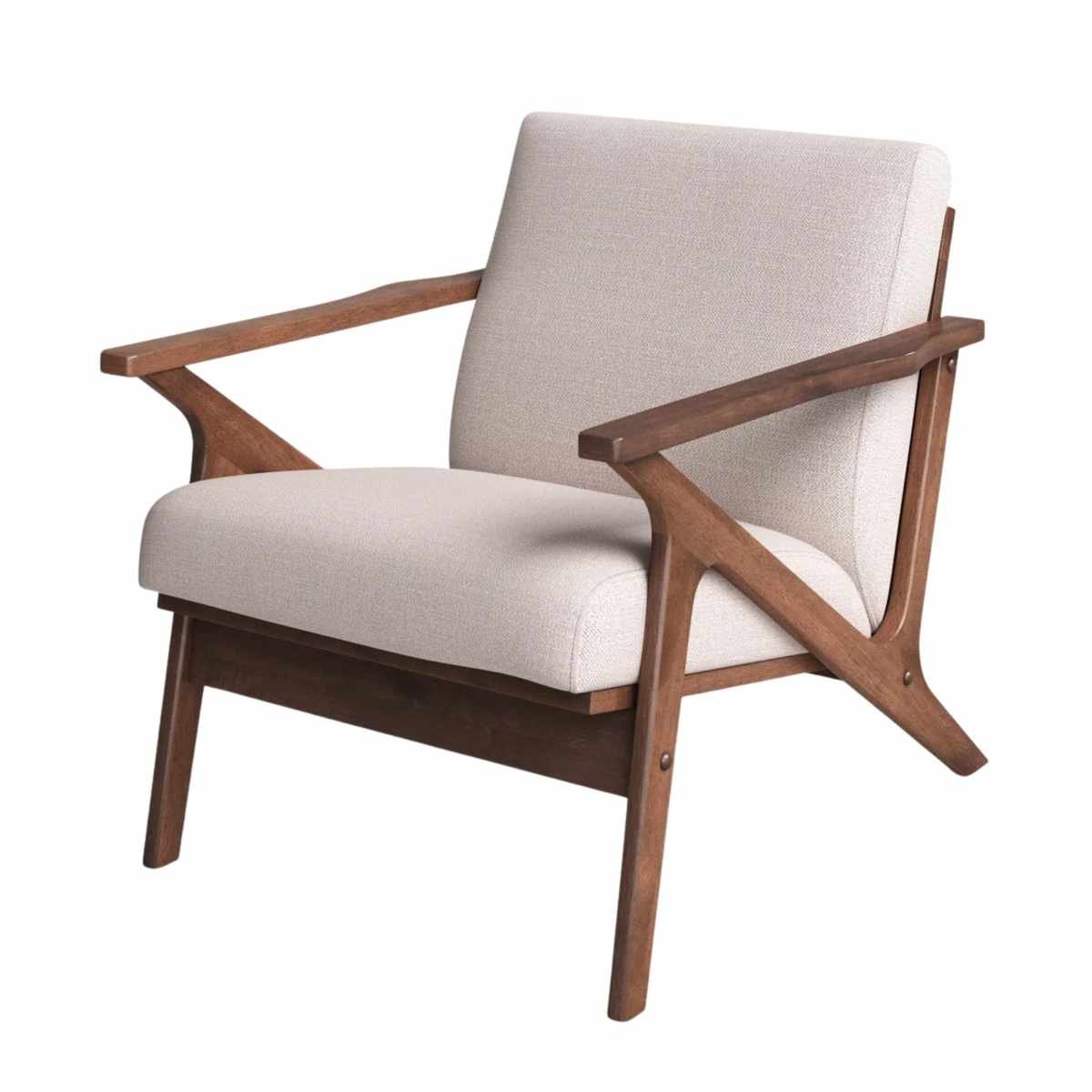 low slung
Zola Upholstered Accent Armchair
This accent chair embodies mid-century modern design with its low profile and angular lines. Perfect for enhancing your bedroom corner.
 bold pattern
Jason Wu Maize Orange Rug
Size: 5' x 7.6" (more sizes available)
Burnt orange is a staple in mid-century modern color schemes. This rug's geometric design adds excitement without overwhelming.


