
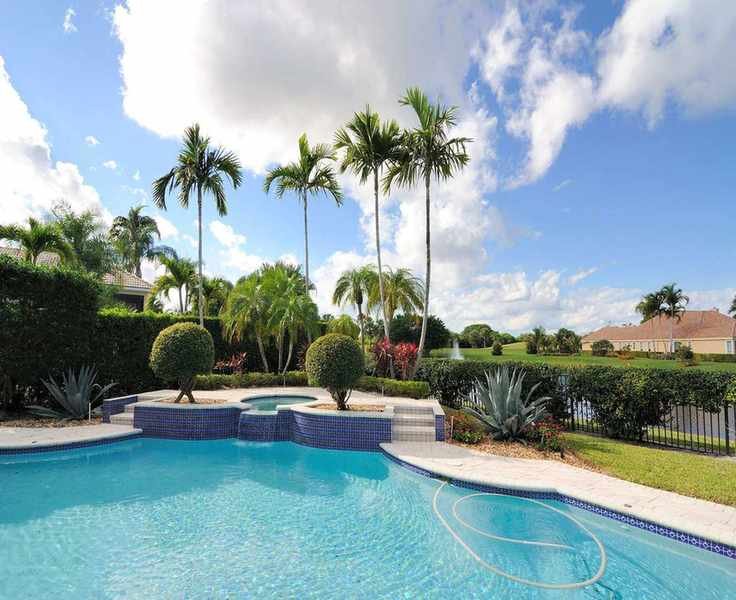
Transform your yard with the elegance of palm trees. These stunning plants bring a touch of tropical flair and can thrive in various environments. While they may grow slowly, their architectural form enhances any landscape, making them ideal for coastal or southern areas.
Whether planted in the ground or in containers, palms create striking visual elements and pair beautifully with other tropical flora.
Growing a Palm Tree Successfully
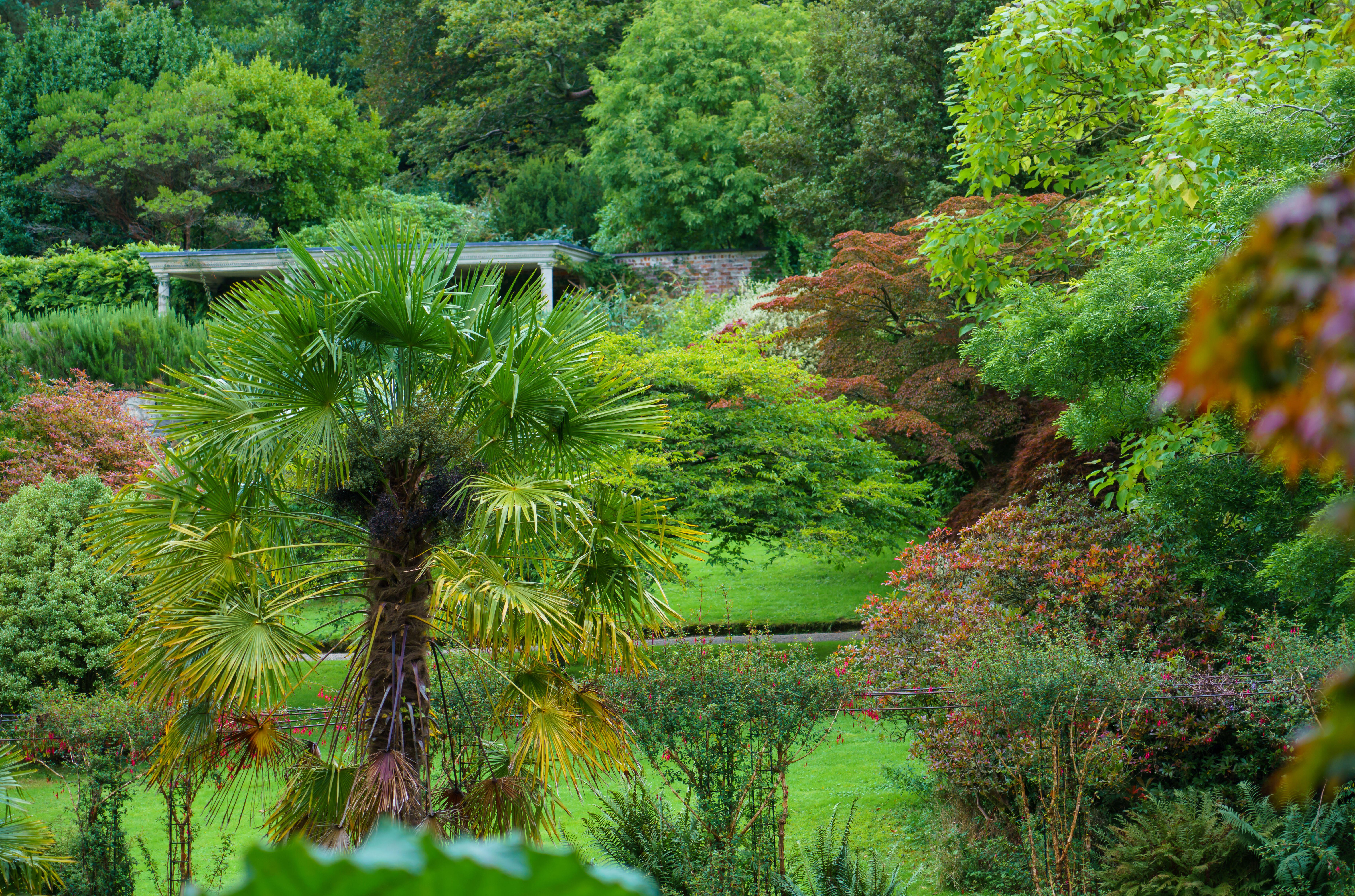
Instantly recognizable by their fan-like leaves, palm trees inject a vibrant, tropical atmosphere into even the smallest gardens. With minimal care, they can serve as a stunning focal point for years. Let's explore the basics of palm cultivation.
Ideal Growing Conditions for Palm Trees
While palm trees are often associated with tropical climates, many varieties can thrive in your yard. Some prefer shaded areas, while others require full sun. Always consult with your local nursery or retailer to choose the best species for your location. Once palm fronds are damaged by sun or wind, they typically won't recover and must be pruned away.
Wind resistance varies among palm species. Many can bend in strong winds, but some offer better resilience. According to an expert, Chamaerops humilis can adapt to both sun and shade, while Trachycarpus wagnerianus excels in windy conditions.
For those with windy sites, planting palms in groups can provide extra protection.
Preferred Soil for Palm Trees
Palms generally thrive in well-draining soil, whether acidic, neutral, or alkaline.
Temperature Tolerance of Palm Trees

Originating from warm climates, most palm trees flourish in temperatures ranging from 95℉ (35℃) to 78℉ (25℃). If you live in a cooler area, you'll need to know how to protect your palms during winter months.
Some palm varieties, such as the Chusan or Windmill Palm and the Mediterranean Fan Palm, can withstand temperatures as low as 40℉ (4℃) and light snowfall.
Planting Your Palm Tree
Since most palm trees have shallow root systems, consider their placement carefully. Avoid planting them too close to structures, as they may topple in severe winds.
When planting, your palm will likely arrive in a pot or root ball. Dig a hole twice the width of the root ball, ensuring the top sits just below the soil surface. Remove the pot carefully, place the palm in the hole, and fill it back in.
Spring is the ideal time for planting, allowing roots to establish before winter and harsh winds arrive.
Cultivating Containerized Palm Trees
Container-friendly varieties include the Pygmy date palm, which can reach heights of 6-12 ft (1.82-3.65m) in USDA Zones 10-11. For a more compact option, try the Ponytail Palm, suited for patios in USDA Zones 9-11. Experts recommend these as low-maintenance starter plants.
Containers can help manage the size of palms, even large varieties. Choose a well-draining potting mix and a sturdy container with drainage holes to prevent tipping.
Keep the soil consistently moist but never waterlogged, as palms need air circulation around their roots. Check moisture levels by probing the soil with your finger to ensure it feels cool and damp.
Supporting Your Palm Tree
Because palms are shallow-rooted, they often require support when planted in open ground. Instead of using stakes, a timber brace system can offer better stability, wrapping around the trunk for enhanced support.
Nurturing Palm Trees
Most palms require little ongoing maintenance if placed thoughtfully.
Designing informal groves or borders with various palm types can create beautiful landscapes. Removing dead or damaged leaves is crucial to maintaining their aesthetic appeal. While some discoloration may not harm the plant, it's best to eliminate any unsightly spots, which can be treated with fungicide if necessary.



